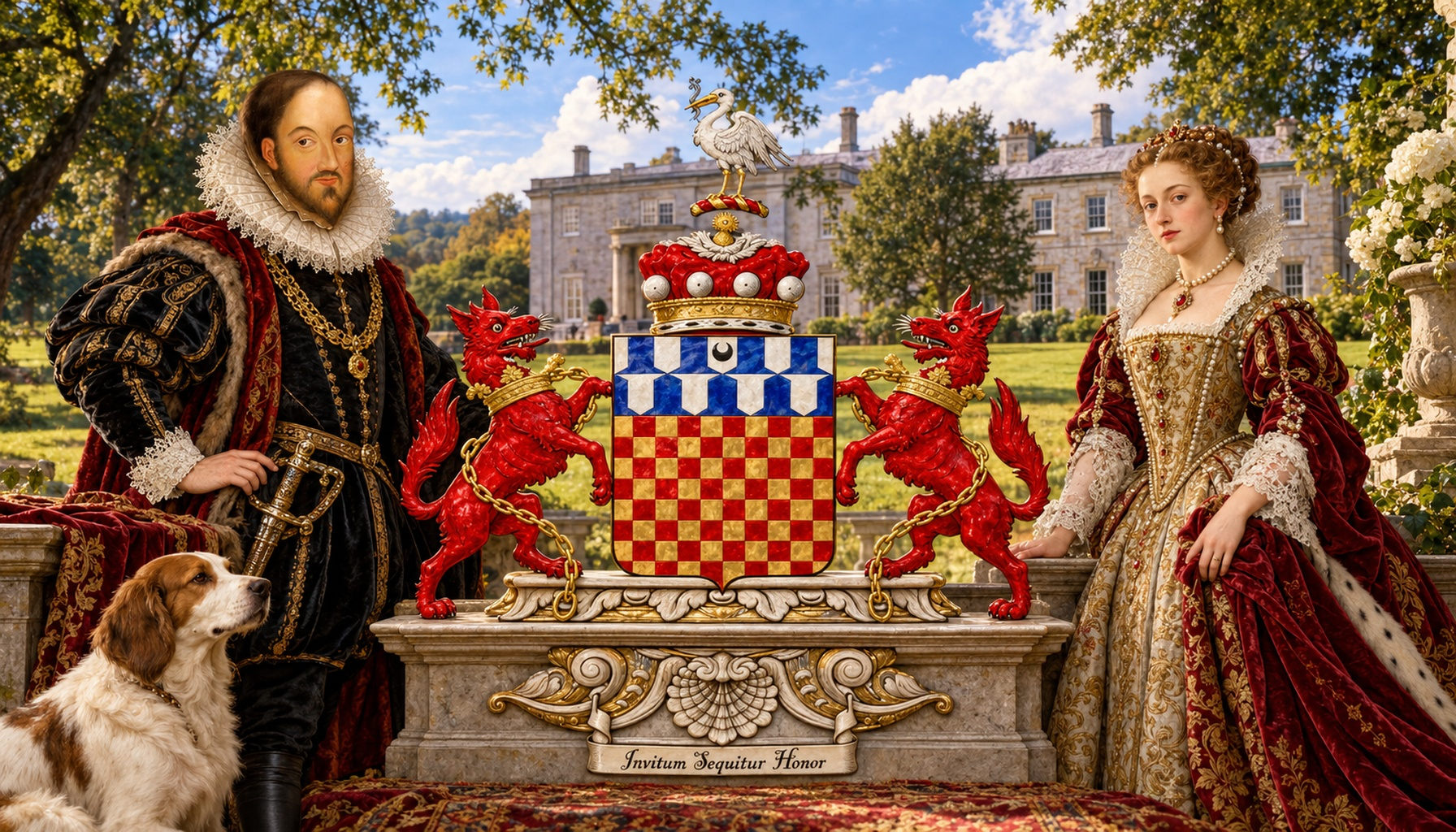
Haplogroups and Noble Lines The House Chichester House Chichester Background The House Chichester was one of those durable west-country families who seem to grow out of the landscape itself: rooted in Devon, shaped by estate management, local influence, and the long habits of royal service. Its main historical story begins in the later Middle Ages, when branches By Jamie L • 3 min read
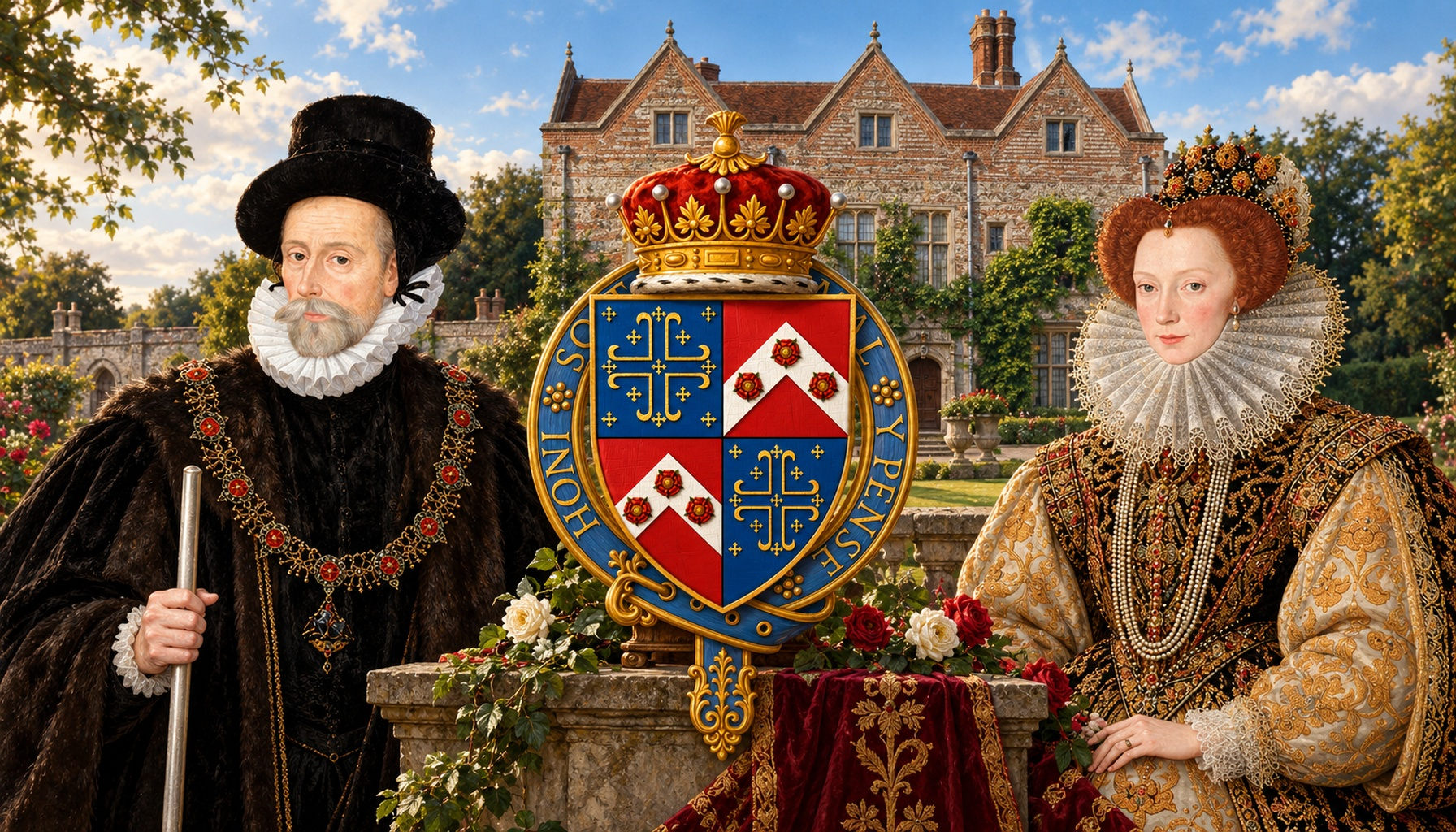
Haplogroups and Noble Lines The House Knollys The House Knollys was an English noble and courtly family whose fortunes rose through service, proximity to the crown, and careful marriage into the political world of Tudor England. Linked here with the primary family haplogroup R1b1a1b1a1a2c1a5a, the Knollys story is not one of some misty, unreachable feudal legend, but By Sara V • 3 min read
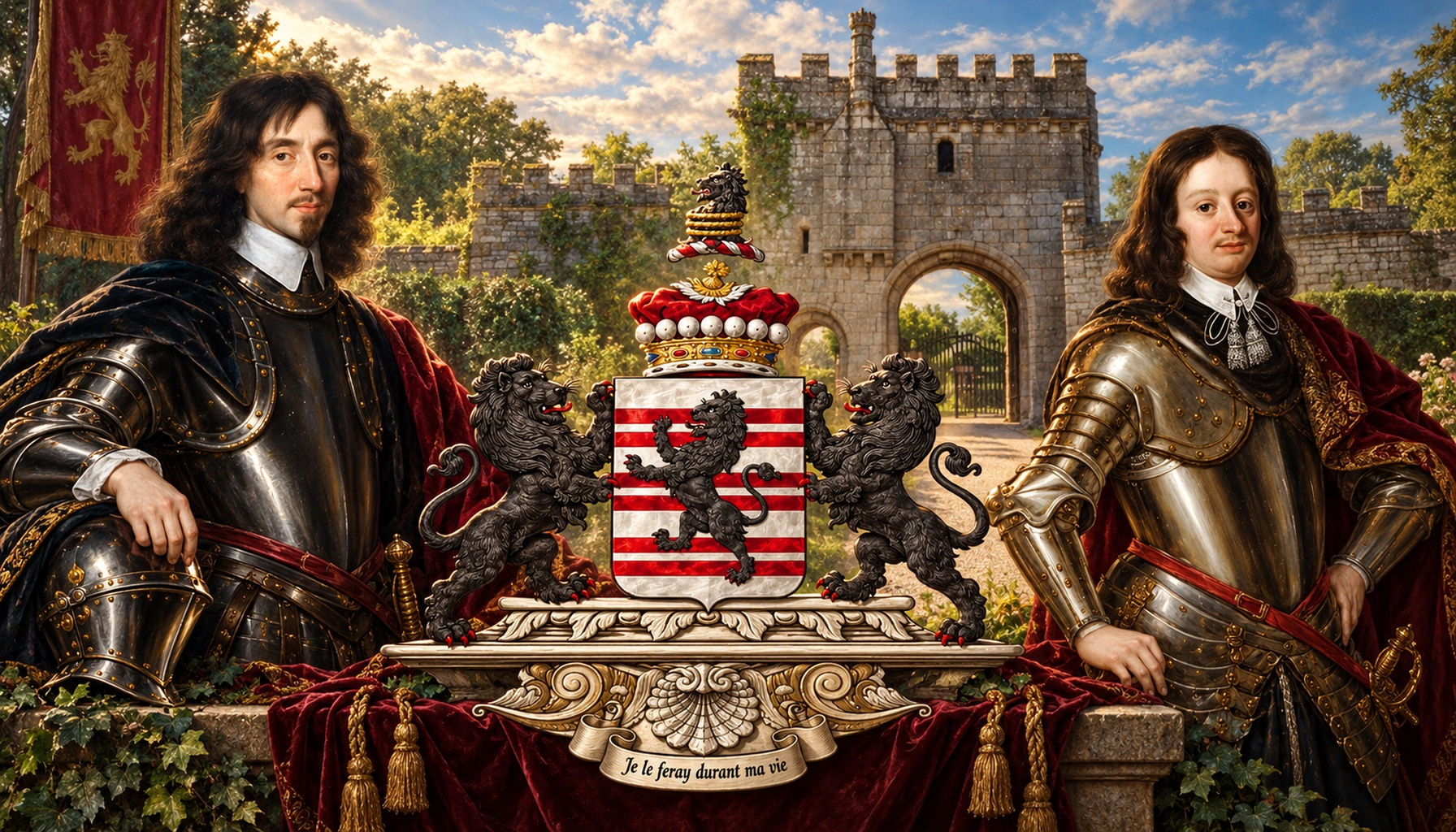
Haplogroups and Noble Lines The House Fairfax The House Fairfax Background The House Fairfax was one of the notable old northern families of England, rooted above all in Yorkshire and associated over time with Walton, Steeton, Denton, and other estates across the north. In genetic terms, the primary family haplogroup linked with this line is R1b1a1b1a1a2c1a5a2b1a, a By Sara V • 3 min read
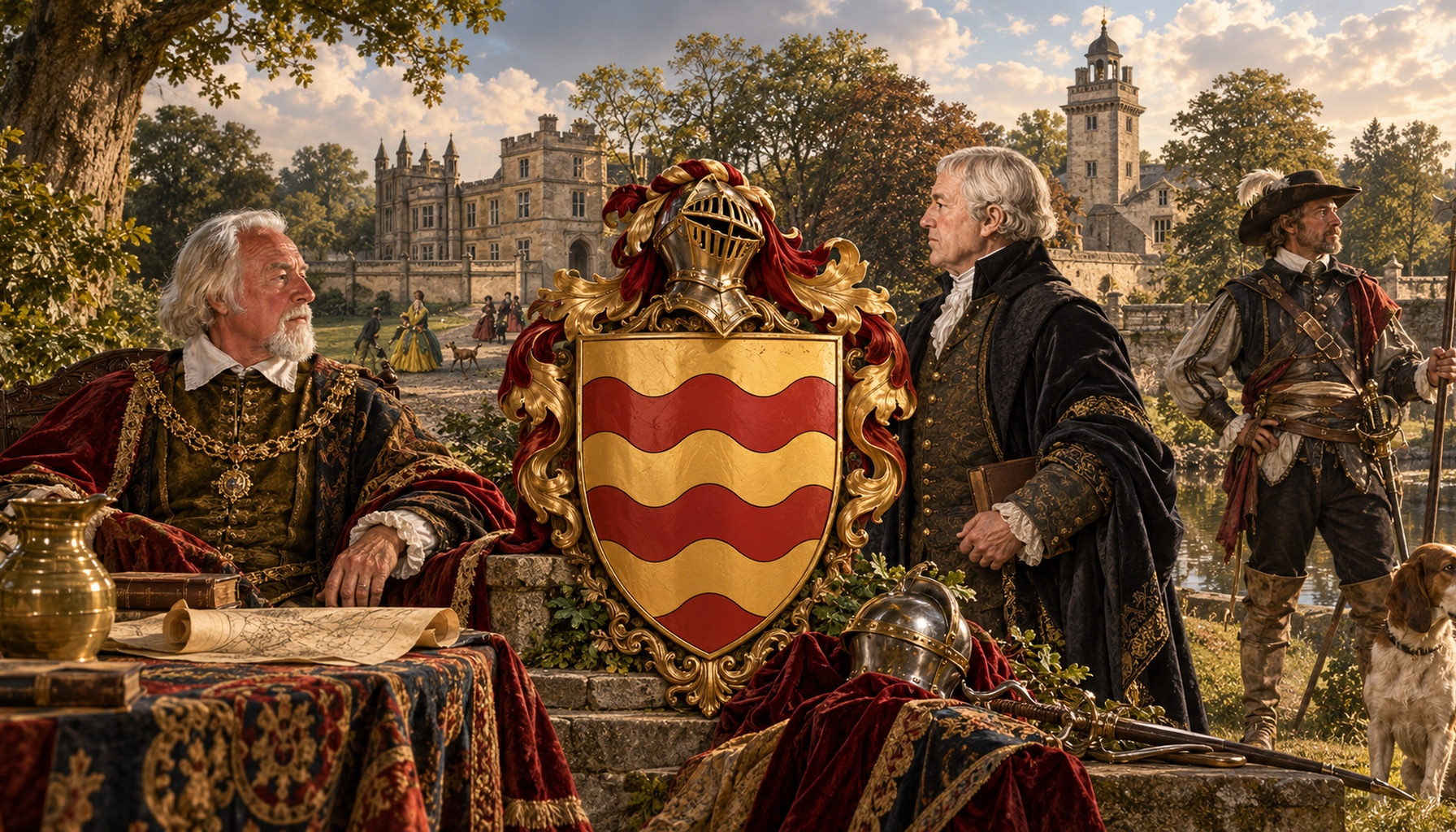
Haplogroups and Noble Lines The House Basset House Basset Background The House Basset was one of the important Anglo-Norman noble families to rise in England in the generations after 1066, with its primary family haplogroup linked here as R1b1a1b1a1a1c2b2a1b1a. They came out of the world created by the Norman Conquest: a new ruling class planted across England, By Sara V • 2 min read
Haplogroups and Noble Lines The House Carew House Carew Background The House Carew was an old Anglo-Norman and Welsh noble family rooted above all in Pembrokeshire, with its identity closely tied to Carew Castle. In historical terms, this was a Marcher family: a lineage formed in the borderlands where Norman expansion, Welsh lordship, military force, and political By Sven • 3 min read
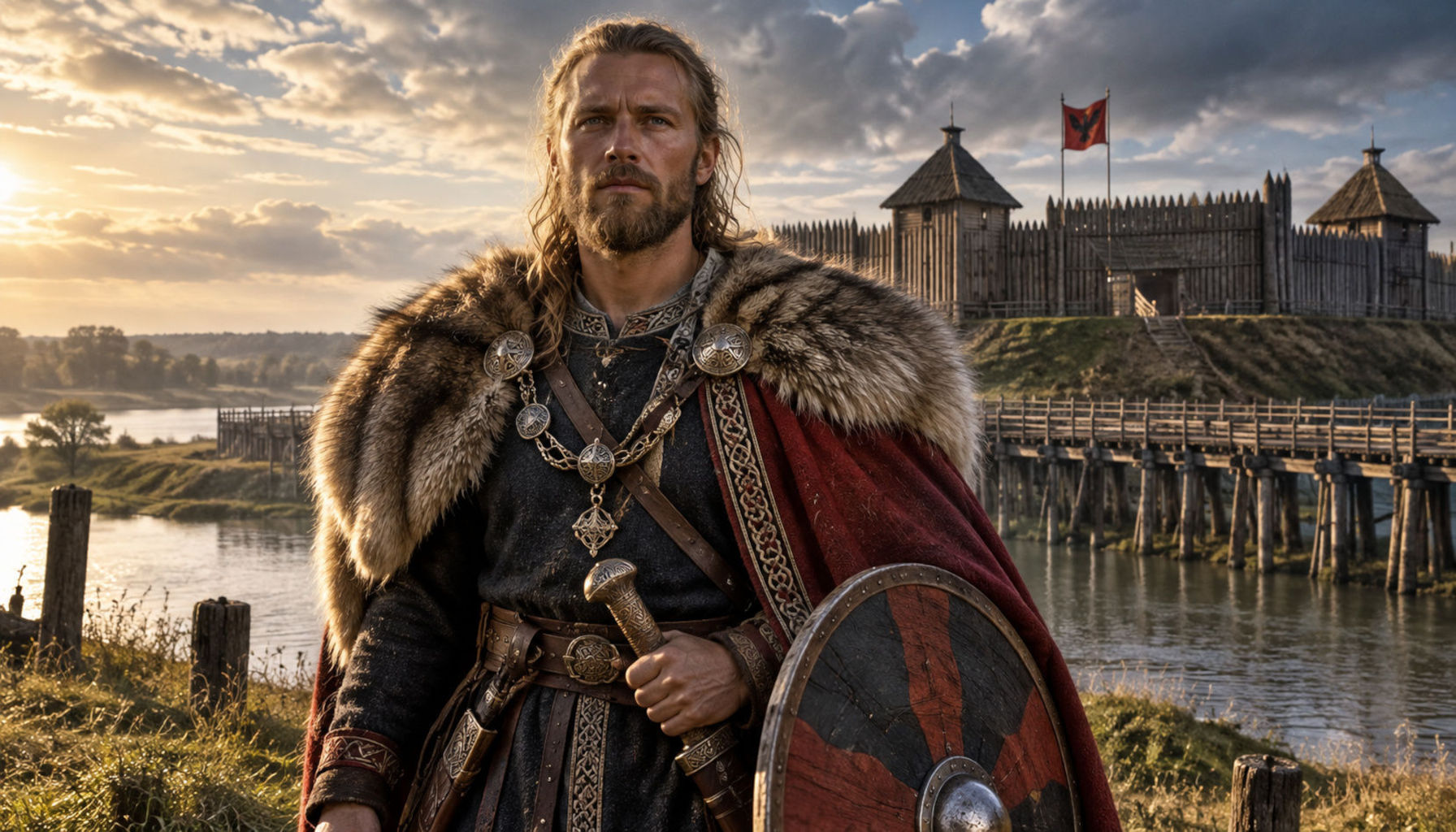
Haplogroups and Noble Lines Leifur of Viking Age Sigtuna Leifur of Viking Age Sigtuna was not a king, not a saga hero, and not a named chieftain preserved in chronicles. He was, instead, something in some ways more precious: an ordinary man whose bones, burial, isotopes, and DNA allow us to glimpse the human reality of Sweden around the By Sven • 5 min read
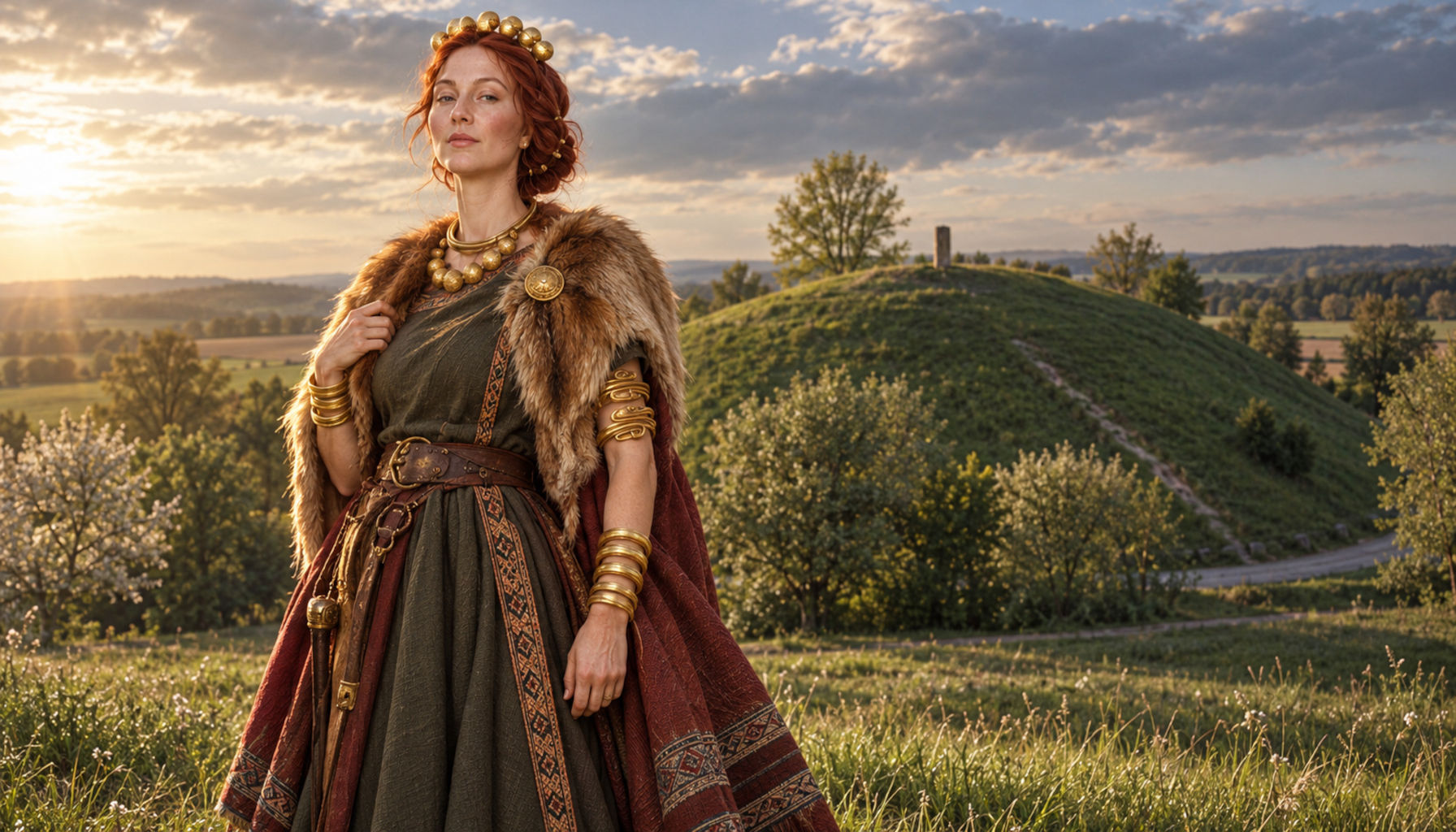
Haplogroups and Noble Lines Viking Age Lady Kata of Varnhem Kata of Varnhem was an elite woman of 11th-century Sweden, living at a moment when the Viking Age was shading into a Christian Middle Ages. She belonged to the powerful milieu surrounding the wealthy estate at Varnhem in Västergötland, a place that was far more than an ordinary farm. It By Sven • 5 min read
Haplogroups and Noble Lines Swedish Warship Kronan Sailor The man represented by sample kro016 was one of the crewmen lost aboard Kronan, the giant flagship of the Swedish navy, when she went down at the Battle of Öland in 1676. We do not know his personal name, birthplace, or rank from the information supplied, and that uncertainty matters. By Caterina • 4 min read
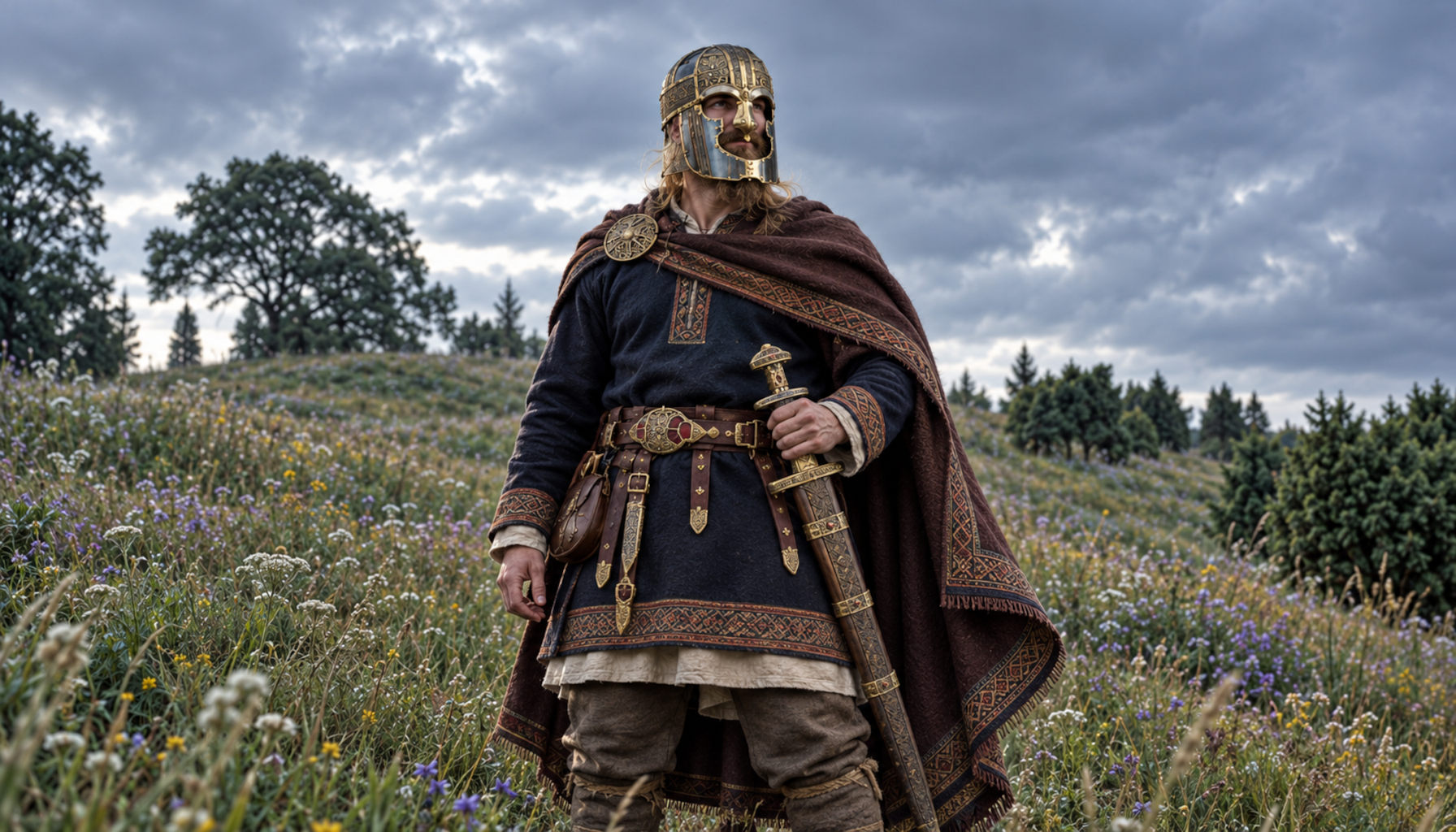
Haplogroups and Noble Lines Elite Vendel Warrior of Uppland The Elite Vendel Warrior of Uppland was a high-status man buried around 588 AD at Tuna in Alsike in the Mälaren region of eastern Sweden, at that intriguing hinge-point between the Migration Period and the Vendel Period. He is known in the genetic record as sample als001, and he matters By Sara V • 5 min read
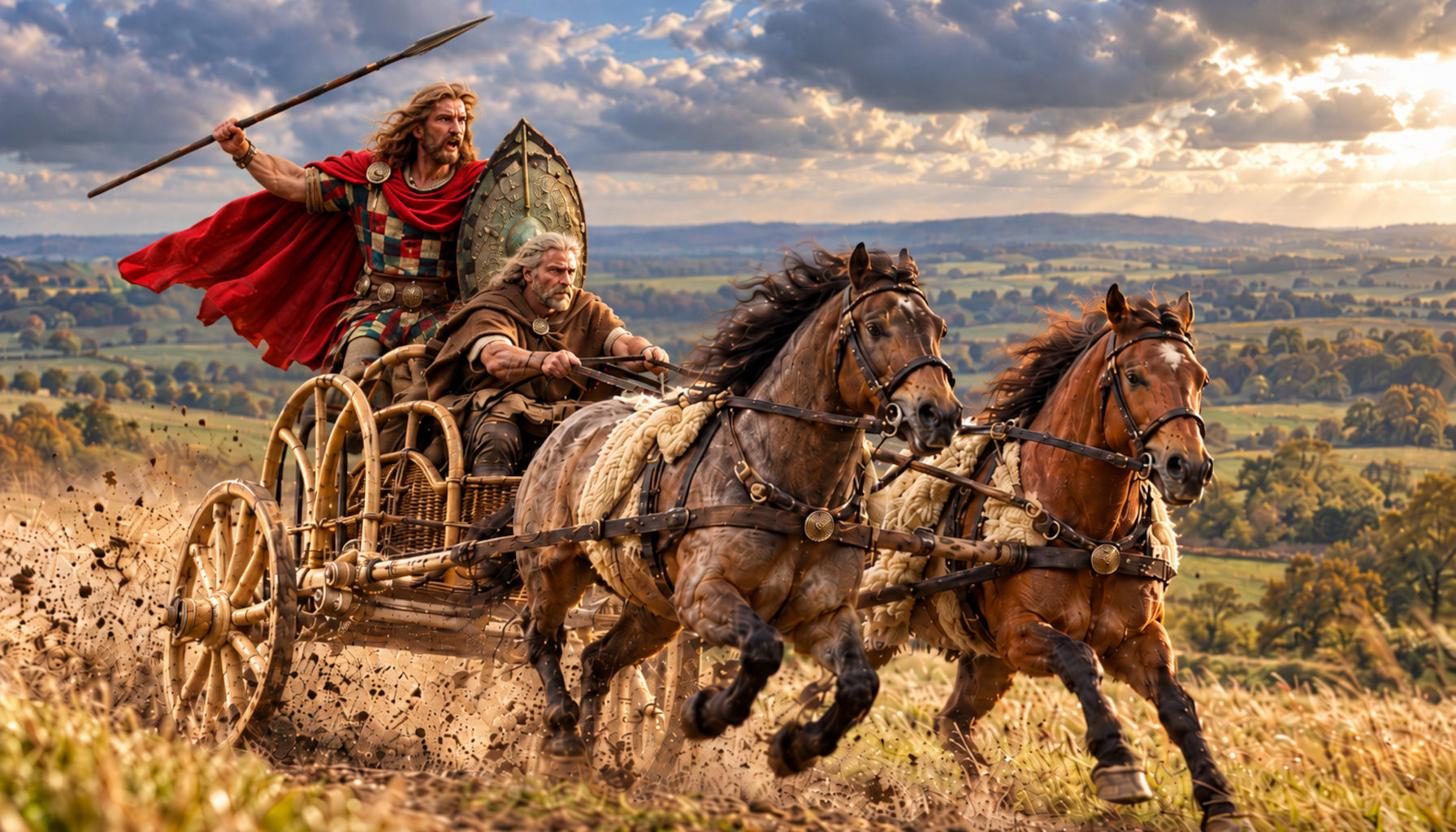
Haplogroups and Noble Lines Celtic Charioteer of Pocklington The Celtic Charioteer of Pocklington was an elite Iron Age Briton buried in East Yorkshire around 225 BC, in the centuries before Rome reached Britain. Known in ancient-DNA research as sample I5511, he belongs to that rare and fascinating archaeological world in which power was displayed not only in life By Sven • 4 min read
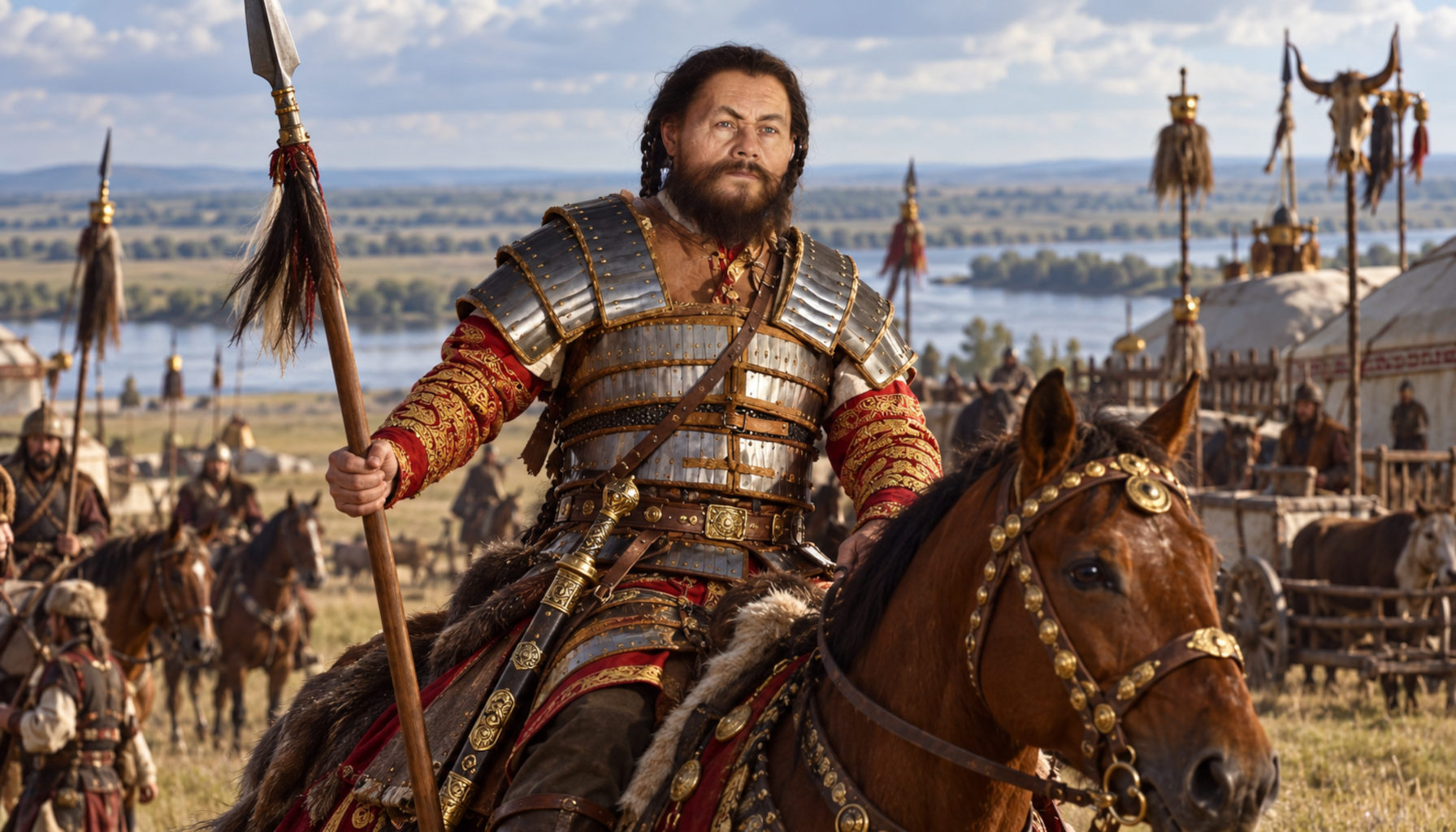
Haplogroups and Noble Lines Avar Elite Warrior of Carpathia In about AD 650, in the Carpathian Basin of present-day Hungary, a high-ranking Avar warrior was laid to rest with the unmistakable signals of power. Known to ancient-DNA research as sample A1801, he has been interpreted as a member of the elite retinue surrounding the khagan, the ruler of the By Jamie L • 5 min read
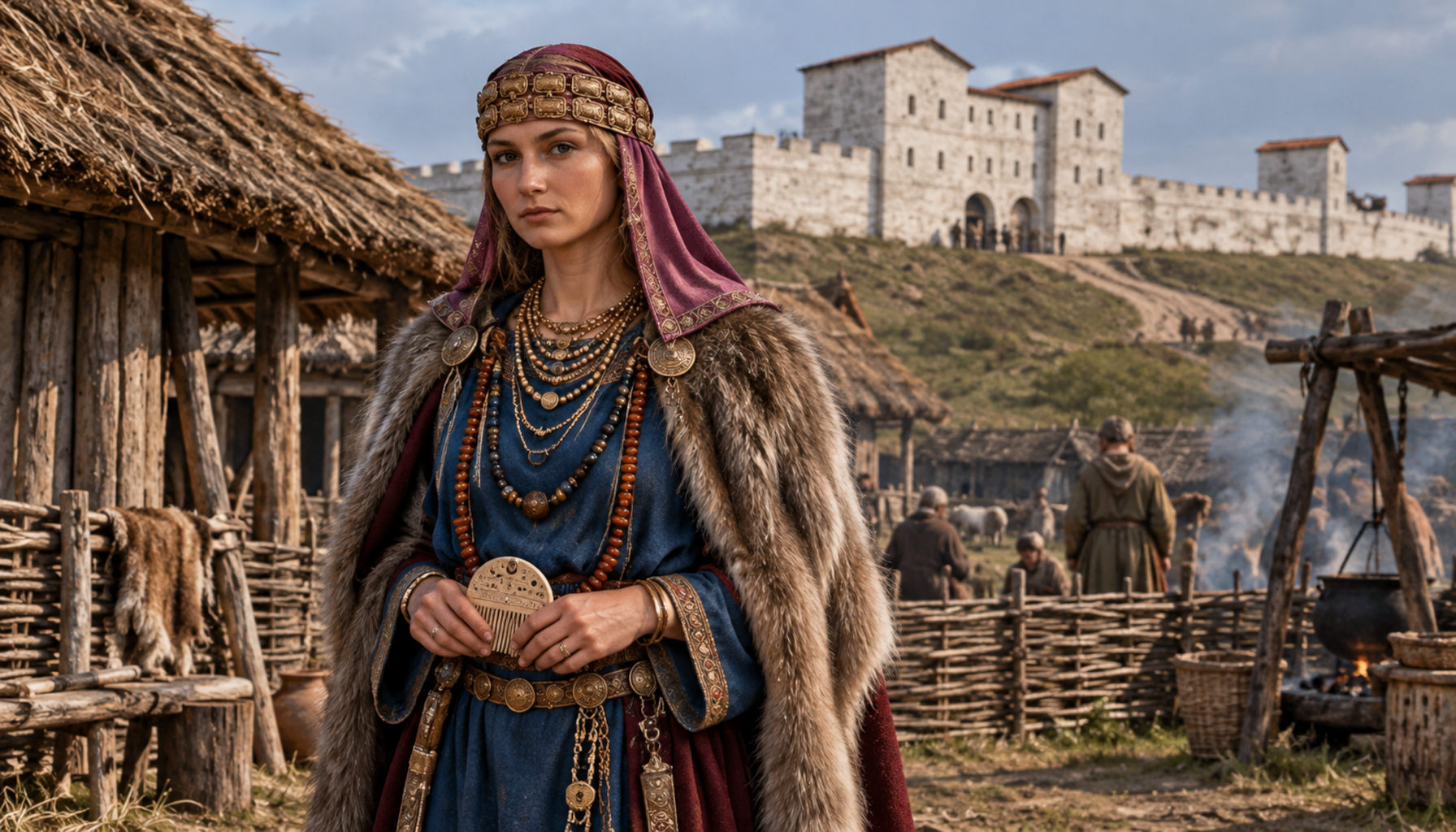
Haplogroups and Noble Lines Dame von Pförring Roman Frontier The woman conventionally known as the Dame von Pförring lived at a most awkward and interesting moment in European history: around 400 AD, when Roman power on the Raetian frontier was thinning, but Roman habits, objects, and prestige still mattered enormously. Buried near Pförring in Bavaria, close to the former By Caterina • 5 min read
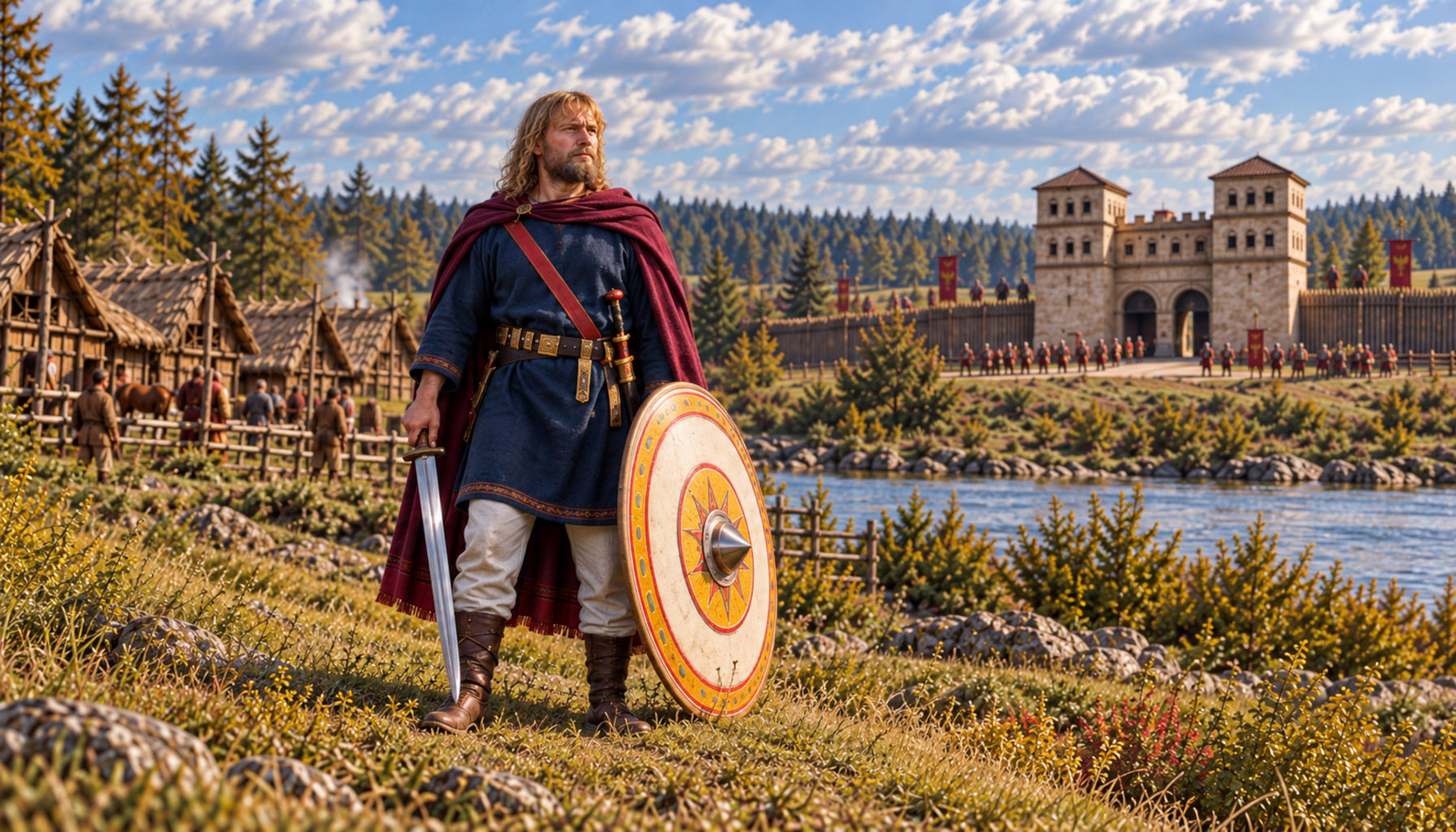
Haplogroups and Noble Lines Roman Auxiliary Warrior of Kemathen The Roman Auxiliary Warrior of Kemathen was buried around 425 AD, at the very moment when Roman power on the upper Danube was fraying and local strongmen, war leaders, and military entrepreneurs were stepping into the gap. He lay near Kemathen in present-day Bavaria, about 25 kilometers north of the By Sara V • 5 min read
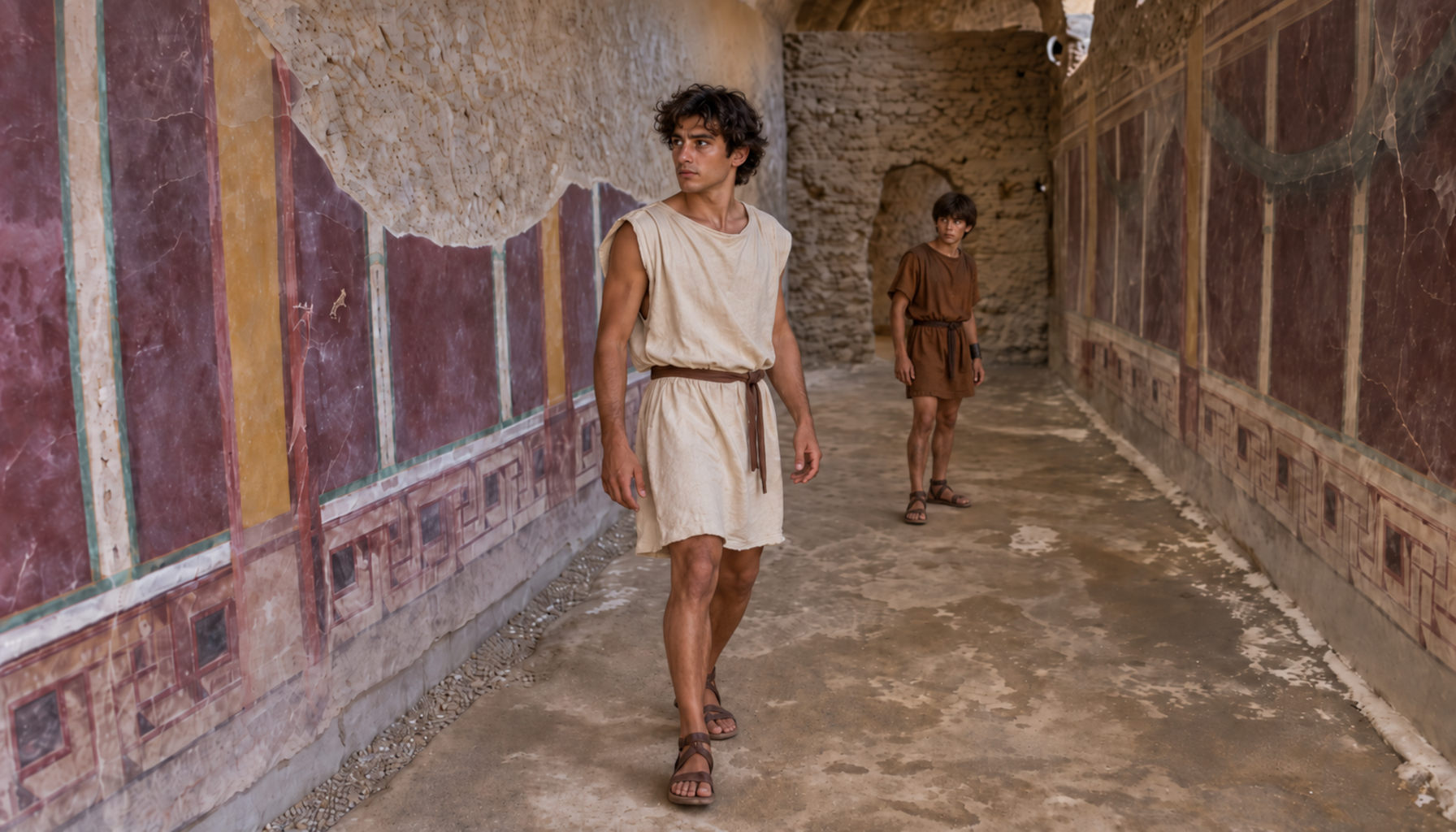
Haplogroups and Noble Lines The Embracing Man of Pompeii The so-called Embracing Man of Pompeii is one of those ancient people who have long been known by a pose rather than a name. He is the young adult Roman represented by sample I3690, traditionally identified as Cast 22 from the House of the Cryptoporticus at Pompeii, and he died By Sara V • 5 min read
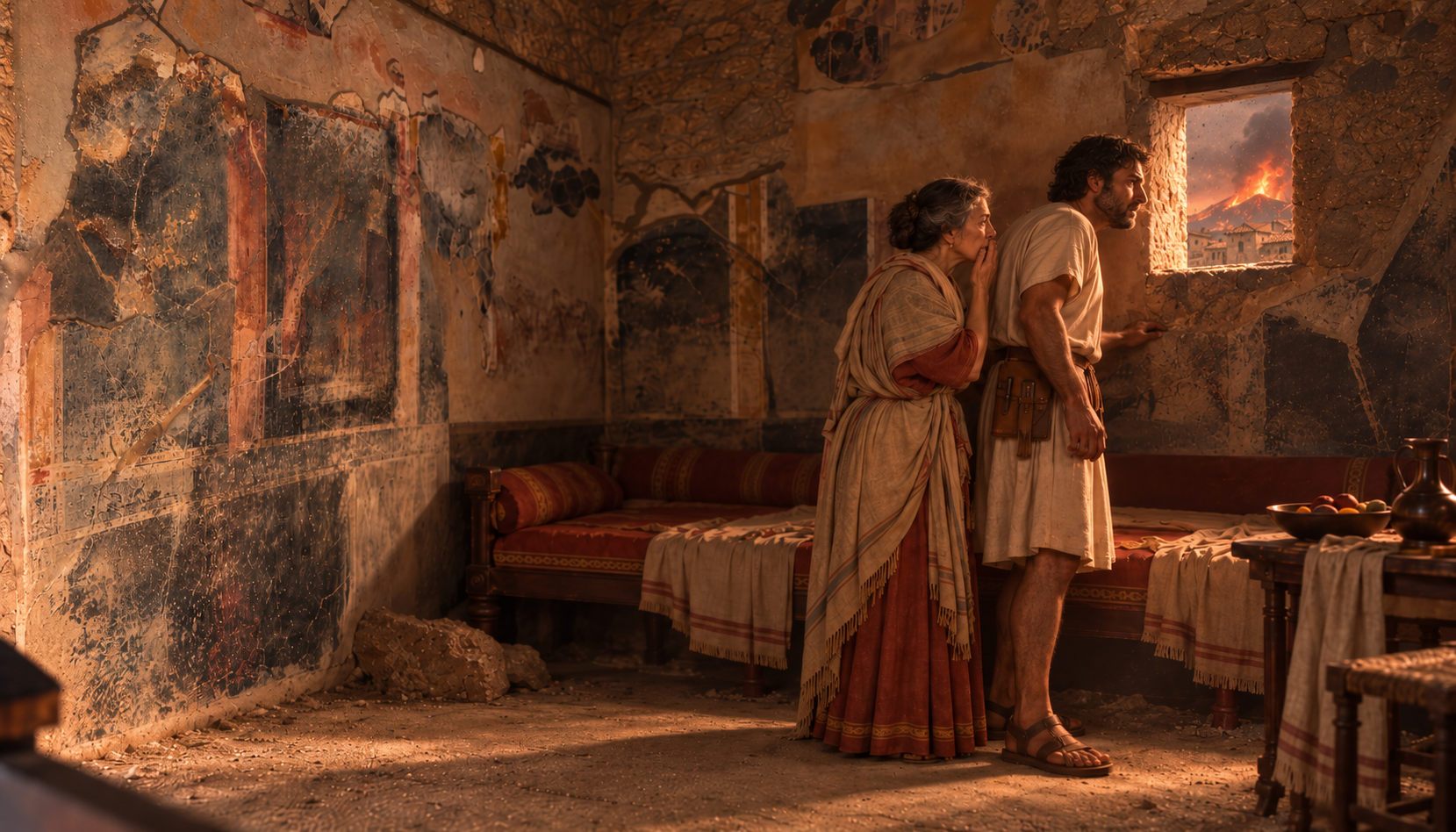
Haplogroups and Noble Lines The Craftsman of Pompeii The man often called the Craftsman of Pompeii was not an emperor, a general, or a famous author. He was something more revealing in its own way: an ordinary Roman townsman, about 35 to 40 years old, caught in one of history’s most famous disasters. He died in 79 By Sven • 5 min read
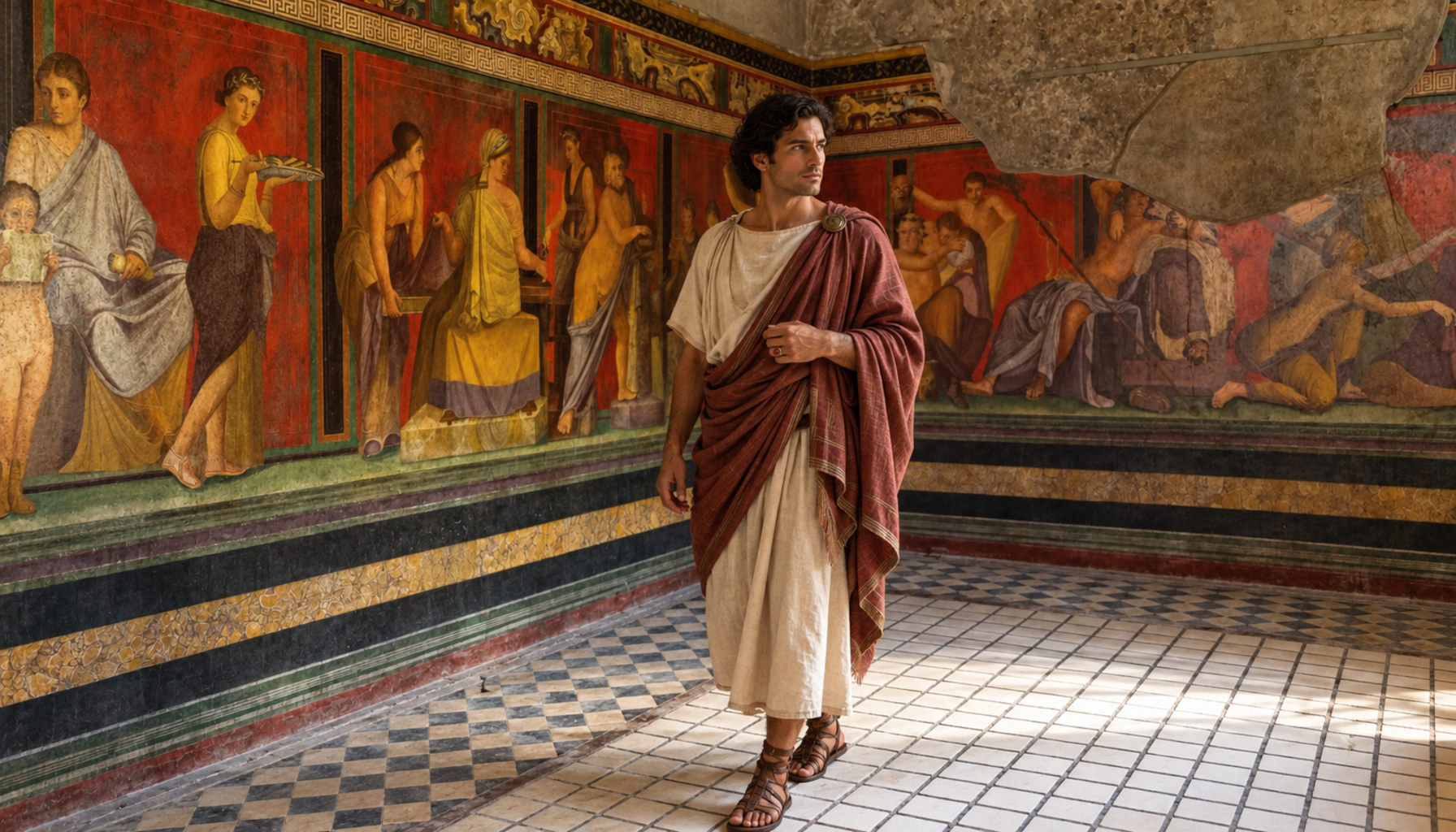
Haplogroups and Noble Lines Pompeii Man of the Villa of the Mysteries In the last hours of Pompeii, as Mount Vesuvius overwhelmed the city in AD 79, one man died near one of the most famous houses in the Roman world: the Villa of the Mysteries. He is known to us today through archaeology and ancient DNA as the Pompeii Man of By Sara V • 5 min read
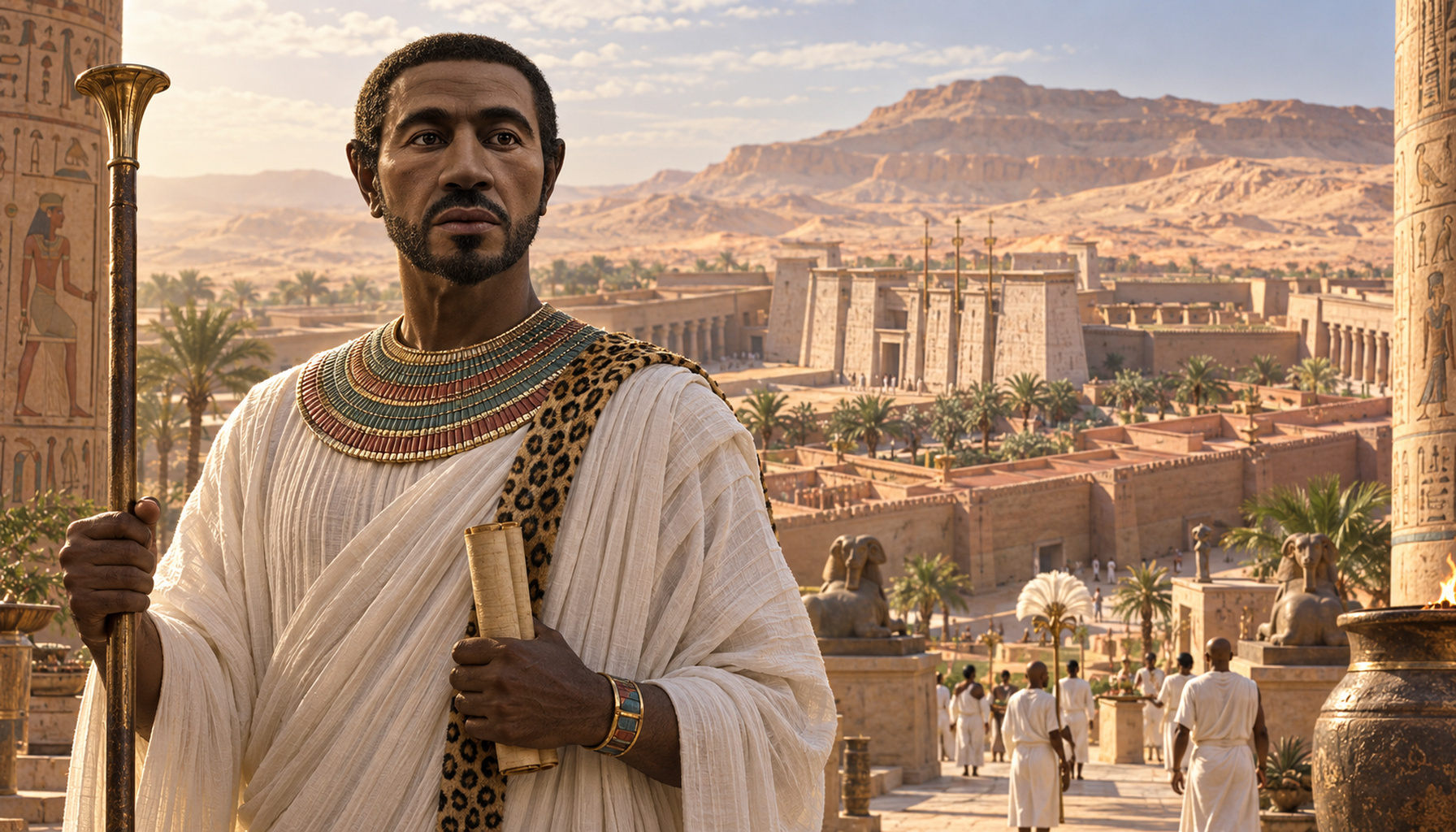
Haplogroups and Noble Lines Khnum-Nakht Egyptian Priest Khnum-Nakht was a high-status Egyptian priest of the Middle Kingdom, living around 1800 BC in Middle Egypt, a world of provincial elites, temple offices, careful funerary preparation, and deeply local religious identities. His inscriptions connect him to the cult of Khnum, the ram-headed creator god, and to ancient Shashotep, while By Jamie L • 4 min read
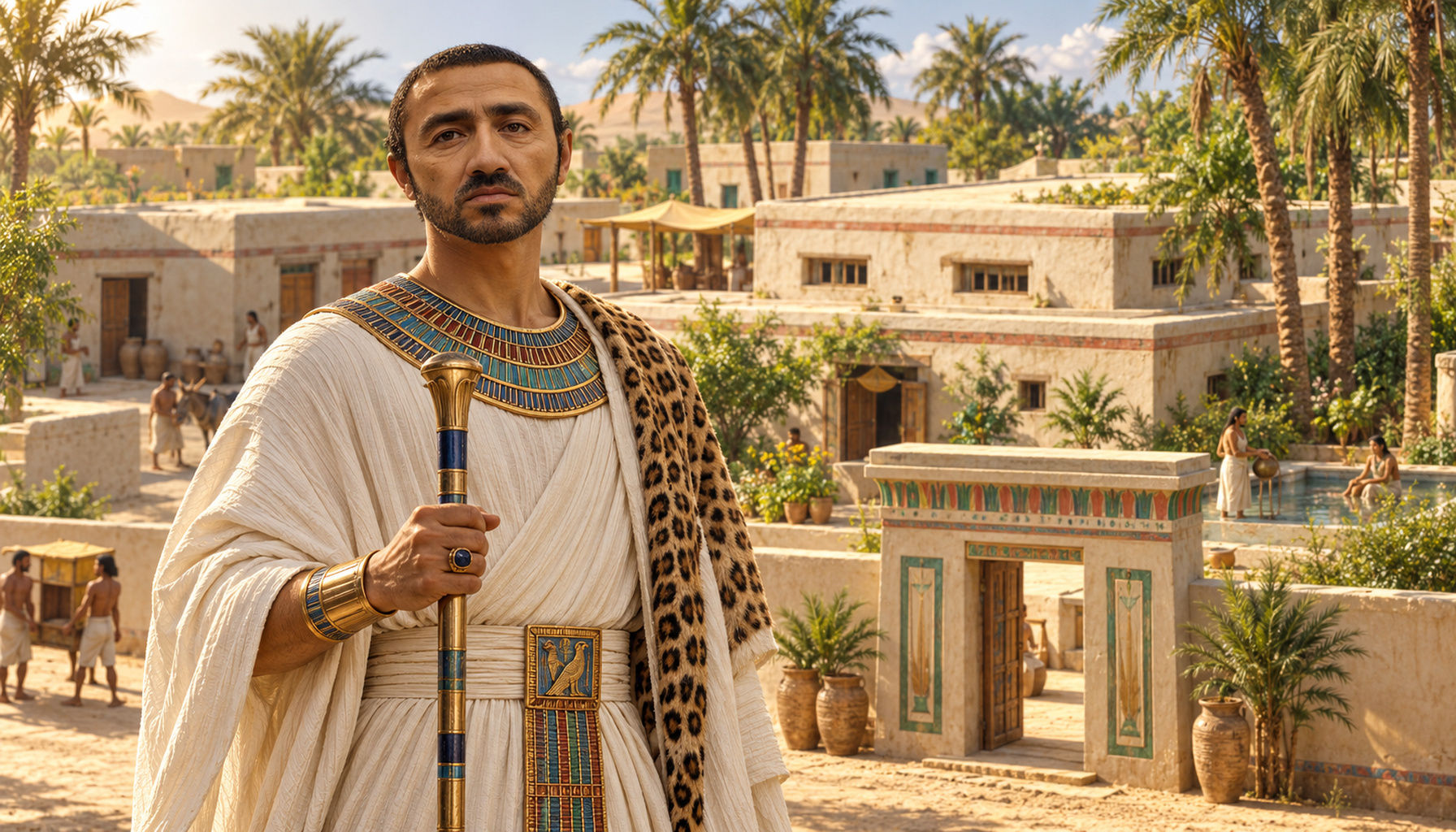
Haplogroups and Noble Lines Nekht-Ankh Egyptian Noble Nekht-Ankh was a high-status Egyptian nobleman who lived in Middle Egypt around 1800 BC, in the later Middle Kingdom, a period when Egypt was governed through a mixture of royal authority and powerful provincial families. His inscriptions identify him as the son of a provincial governor, which places him firmly By Caterina • 5 min read
Haplogroups and Noble Lines The Gladiator from the Near East The man often called the Headless Gladiator from the Near East was buried in Roman York, ancient Eboracum, around the middle of the 3rd century AD. He is known to researchers as sample 3DRIF-26, and he matters because his bones and his DNA together illuminate something the Roman Empire was By Jamie L • 5 min read
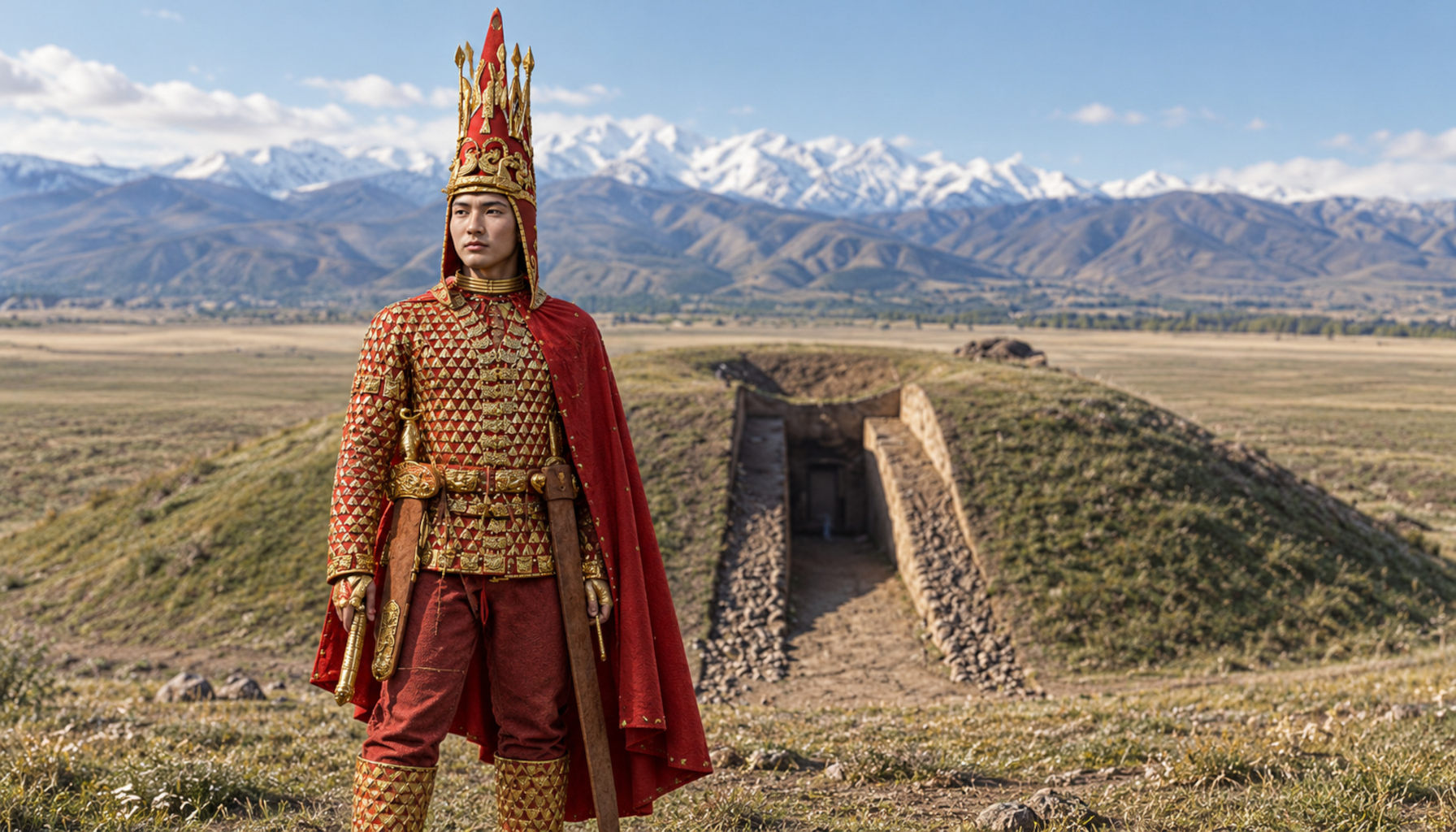
Haplogroups and Noble Lines Golden Man of Issyk The Golden Man of Issyk is one of those archaeological finds that has all but walked off with the public imagination. Buried around 296 BC in the Tian Shan region of what is now Kazakhstan, this Saka elite was laid to rest inside the Issyk kurgan near modern Almaty in By Sara V • 4 min read
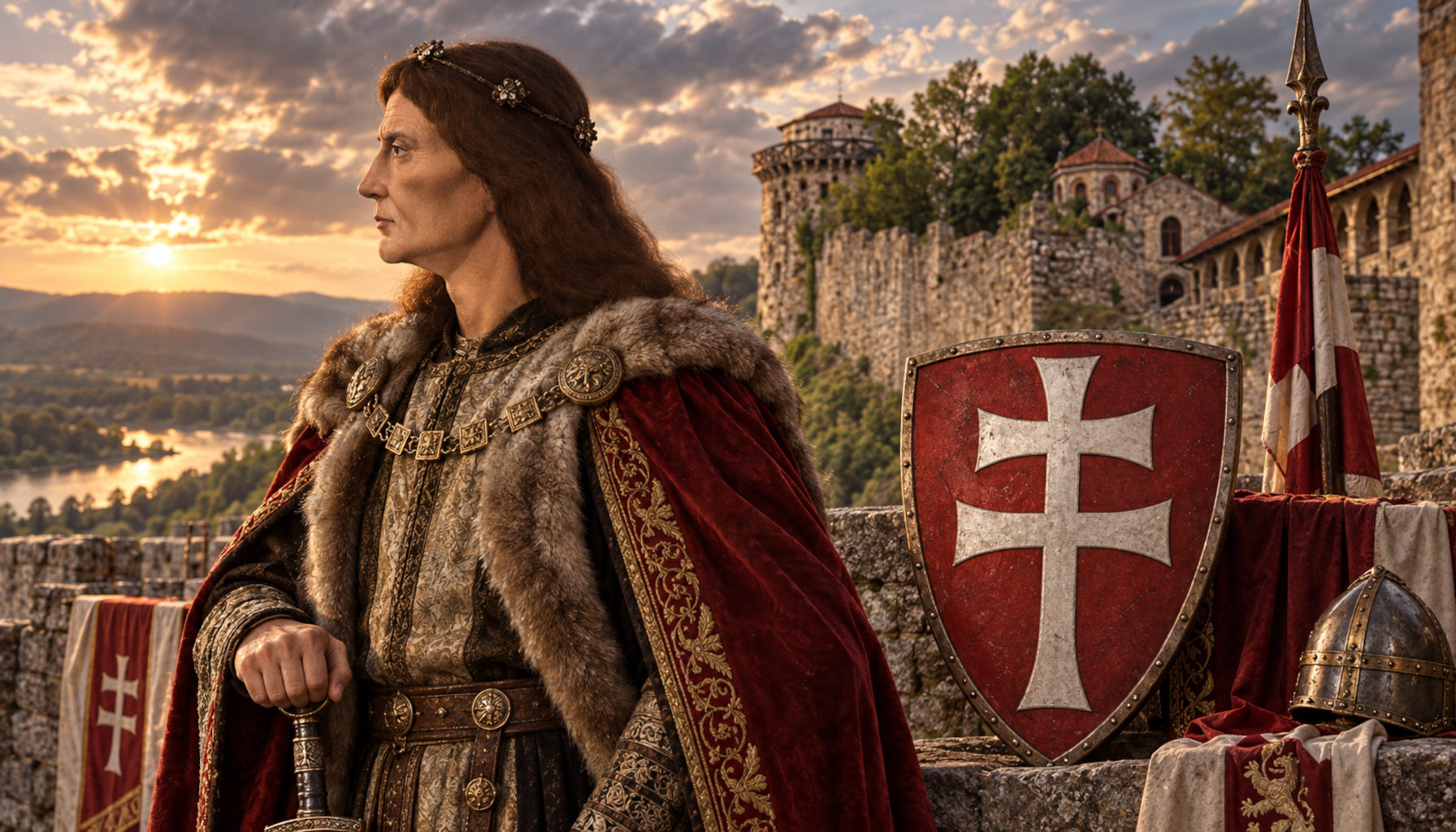
Haplogroups and Noble Lines Duke Béla of Macsó Duke Béla of Macsó was one of those medieval princes who seem to stand at the hinge of several worlds at once. Living in the 13th century and dying in 1272, he was the son of Rostislav Mikhailovich, a Rurikid prince descended from the rulers of Chernigov, and Anna of By Sven • 4 min read
Haplogroups and Noble Lines Elite Viking Warrior of Bodzia The man known from sample VK157, the Elite Viking Warrior of Bodzia, was buried in Poland around 1015-1020 AD in one of the most extraordinary cemeteries of the Viking Age. Bodzia was no ordinary burial ground. Its chamber graves, timber enclosures, imported goods and armed burials speak of people who By Sven • 5 min read
Haplogroups and Noble Lines Celtic Lady of Ditzingen-Schöckingen The Celtic Lady of Ditzingen-Schöckingen was a high-status woman buried in southwestern Germany around 300 BC, in the La Tène Iron Age world of wealthy Celtic communities. She is not known to us by a personal name, which is often the case in pre-Roman Europe, but her grave and her By Sven • 4 min read
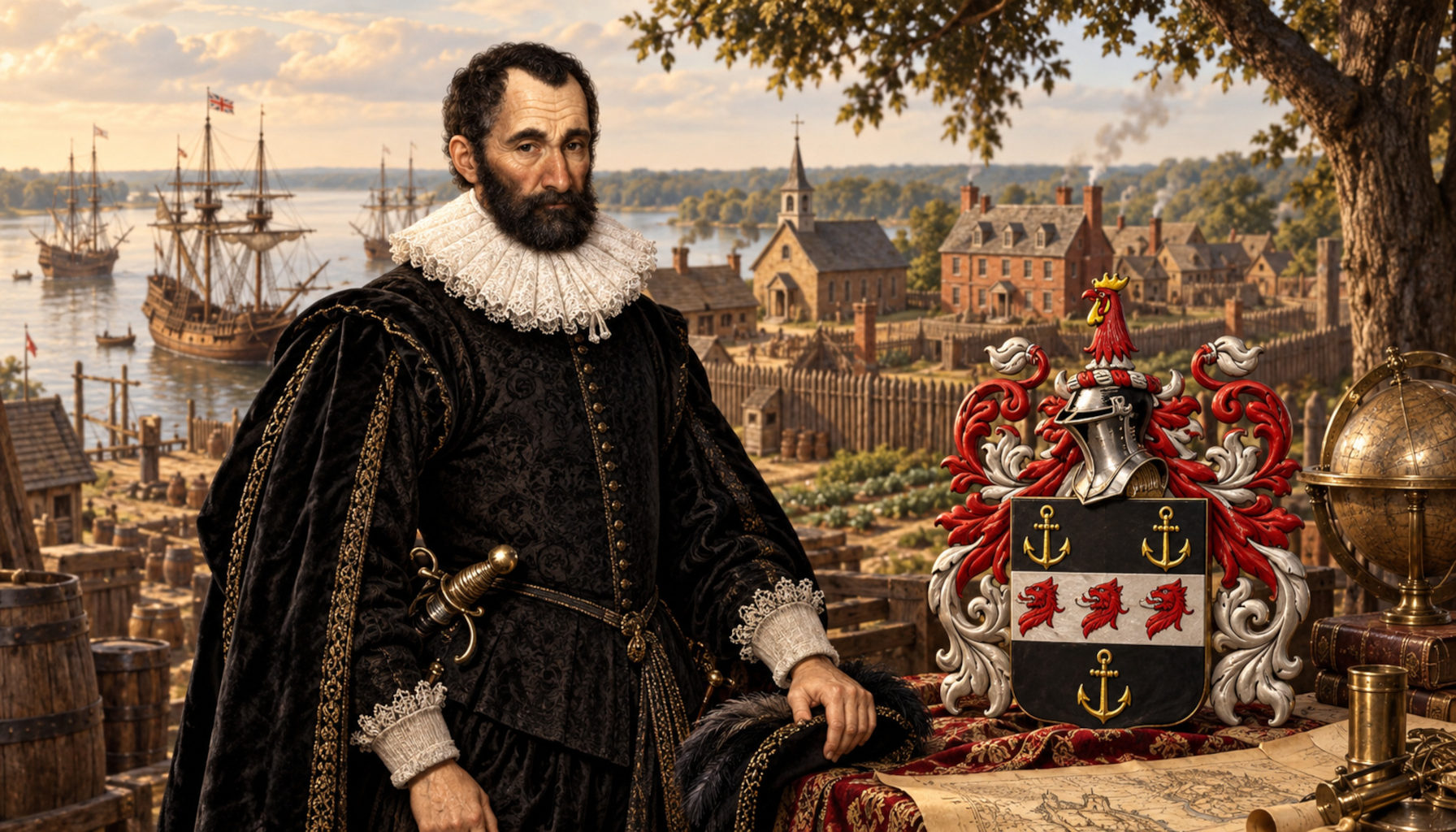
Haplogroups and Noble Lines Sir Ferdinando Wainman Sir Ferdinando Wainman belongs to that dramatic, precarious moment when England was trying, and often failing, to plant itself in North America. He was an English knight and military officer who arrived at Jamestown in June 1610 with his cousin Thomas West, Lord De La Warr, the newly appointed governor By Jamie L • 5 min read