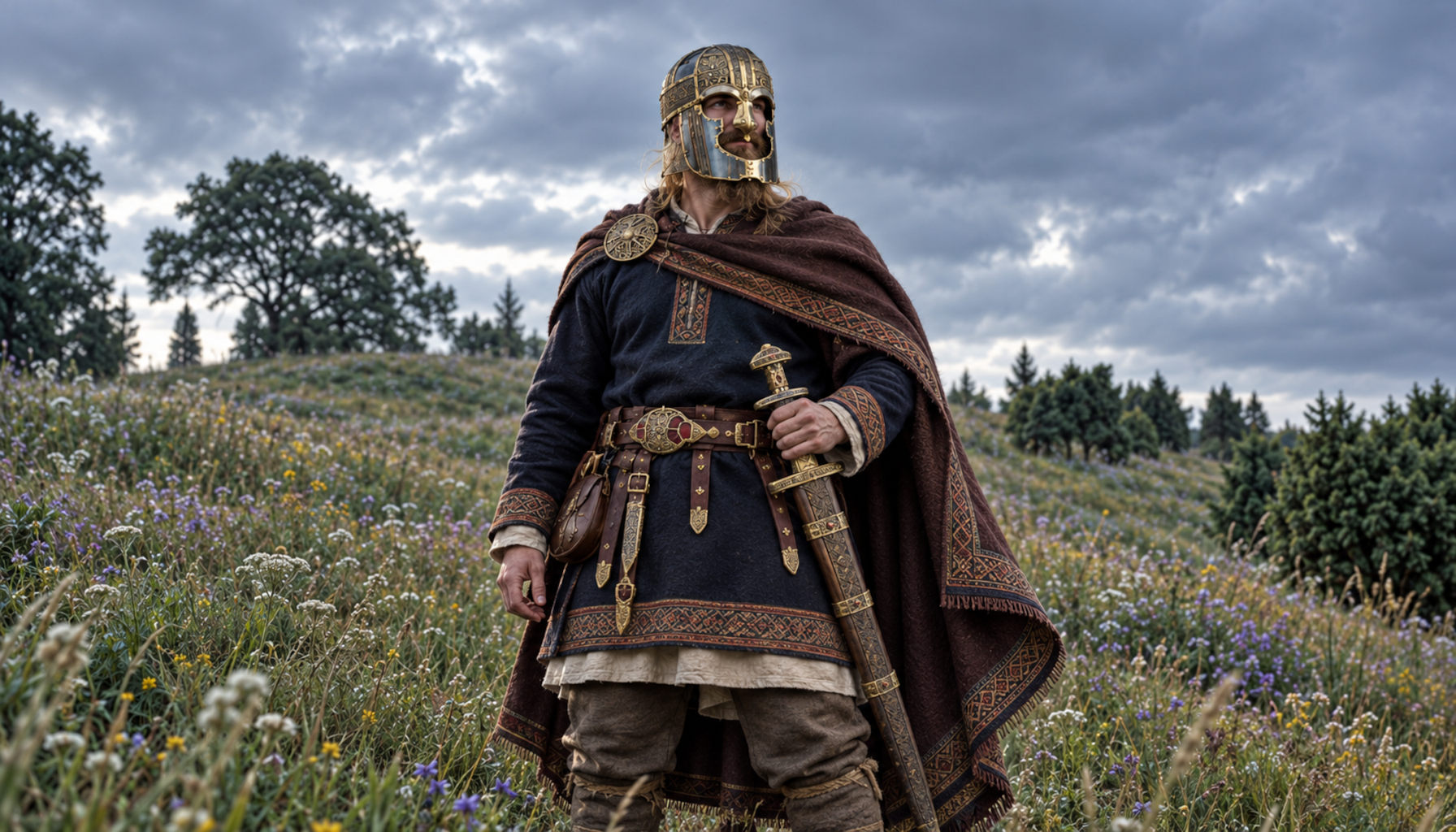
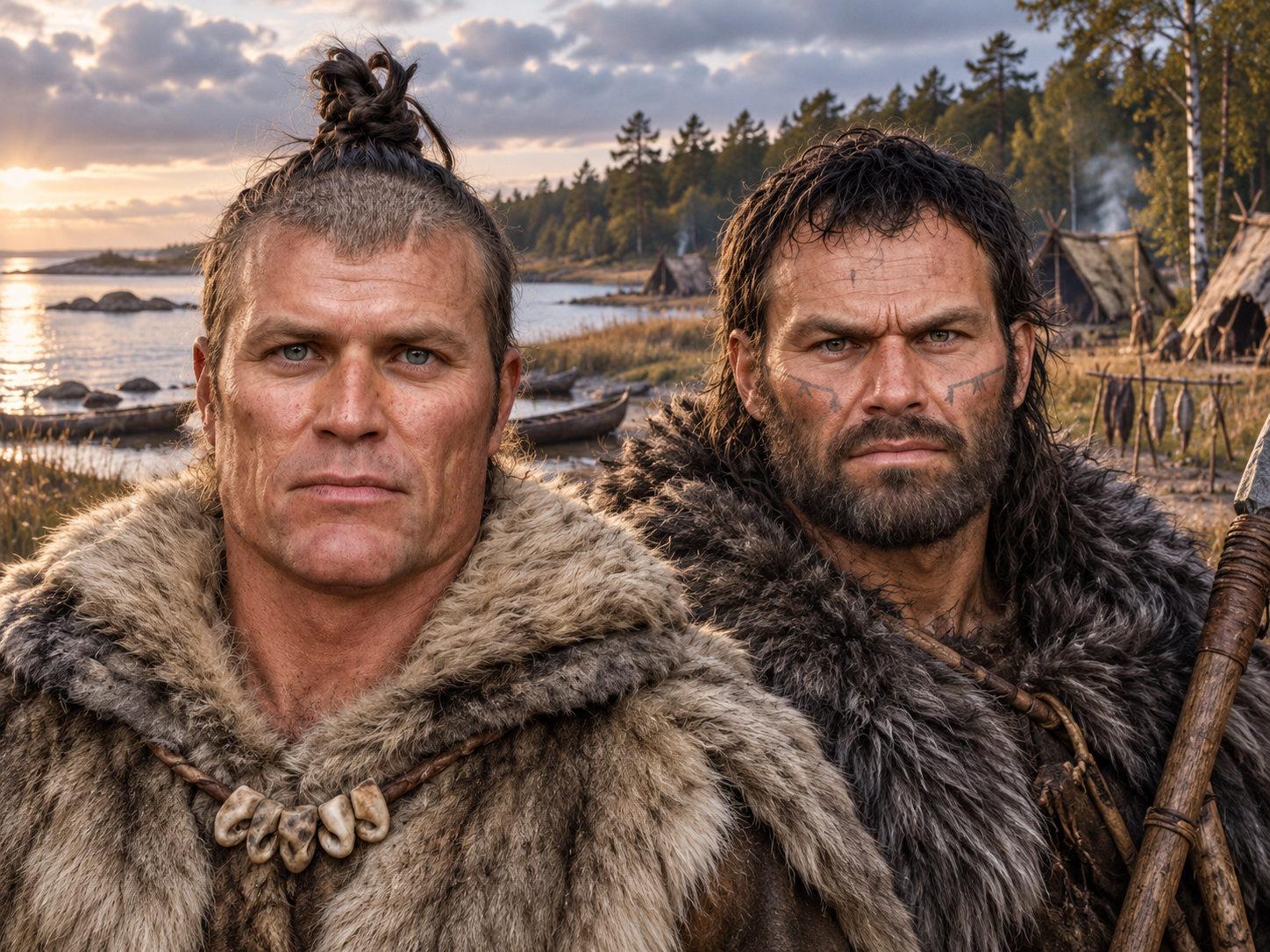
Haplogroups and Noble Lines Elite Vendel Warrior of Uppland The Elite Vendel Warrior of Uppland was a high-status man buried around 588 AD at Tuna in Alsike in the Mälaren region of eastern Sweden, at that intriguing hinge-point between the Migration Period and the Vendel Period. He is known in the genetic record as sample als001, and he matters By Sara V • 5 min read
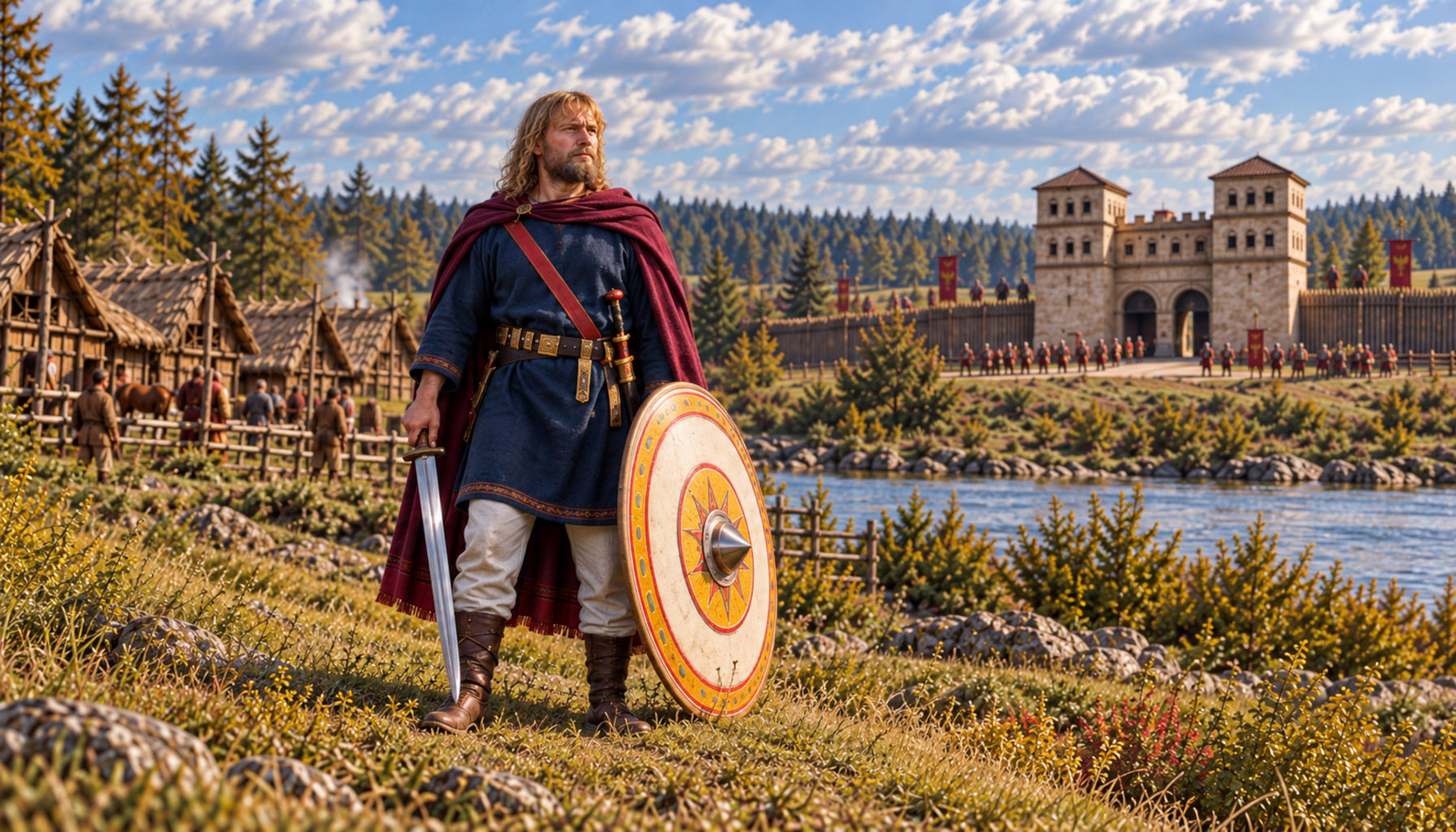
Haplogroups and Noble Lines Roman Auxiliary Warrior of Kemathen The Roman Auxiliary Warrior of Kemathen was buried around 425 AD, at the very moment when Roman power on the upper Danube was fraying and local strongmen, war leaders, and military entrepreneurs were stepping into the gap. He lay near Kemathen in present-day Bavaria, about 25 kilometers north of the By Sara V • 5 min read
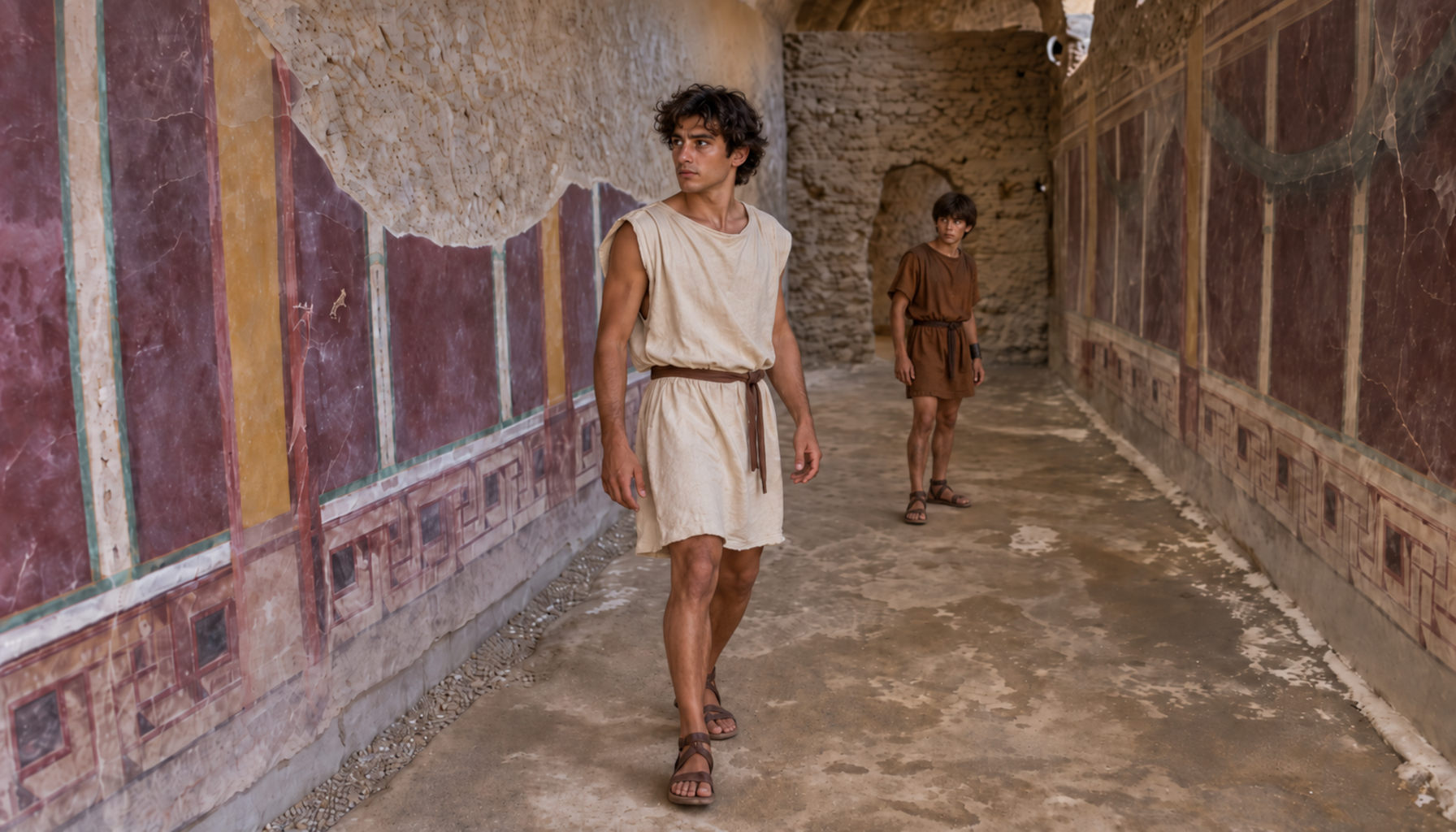
Haplogroups and Noble Lines The Embracing Man of Pompeii The so-called Embracing Man of Pompeii is one of those ancient people who have long been known by a pose rather than a name. He is the young adult Roman represented by sample I3690, traditionally identified as Cast 22 from the House of the Cryptoporticus at Pompeii, and he died By Sara V • 5 min read
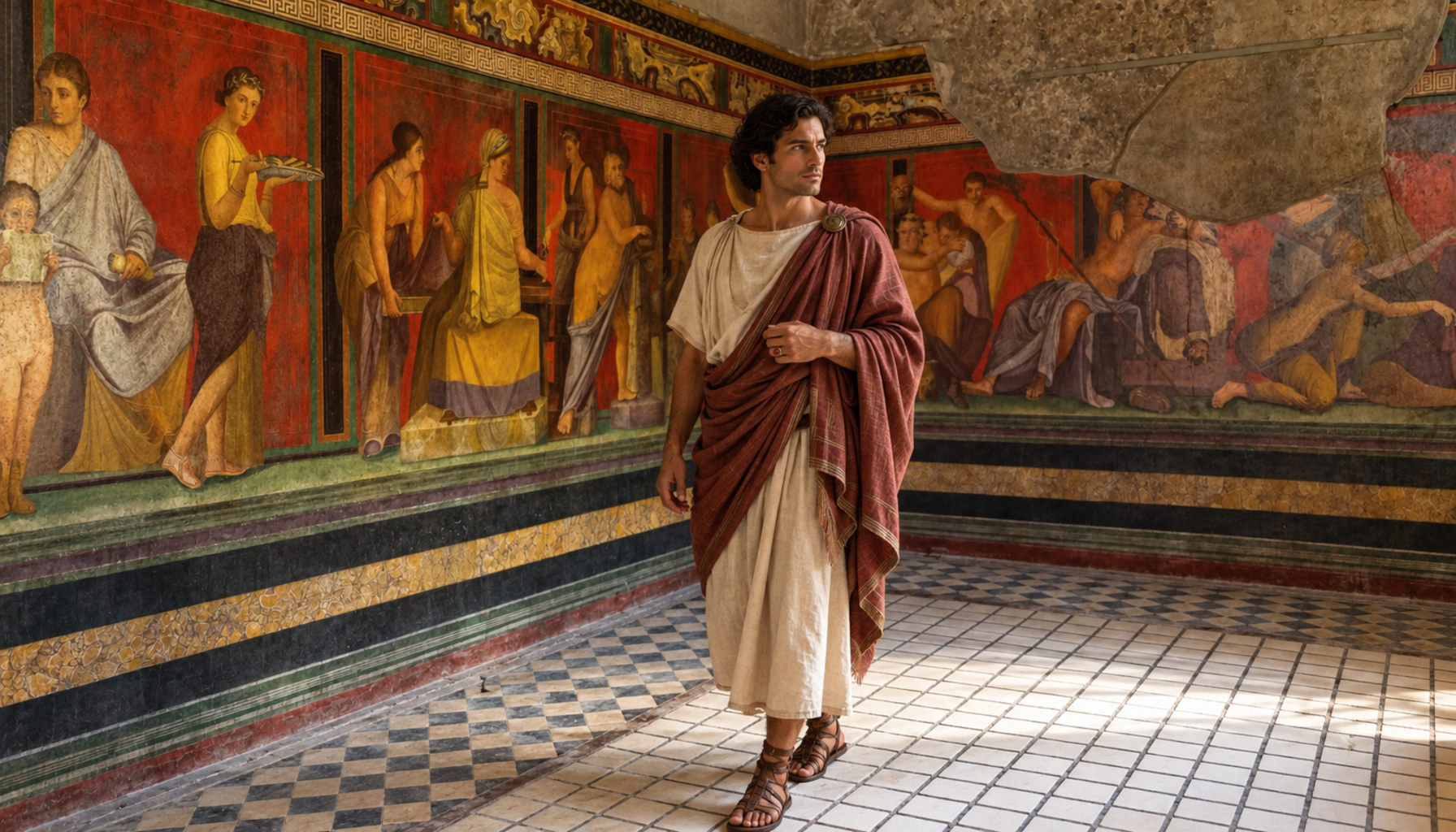
Haplogroups and Noble Lines Pompeii Man of the Villa of the Mysteries In the last hours of Pompeii, as Mount Vesuvius overwhelmed the city in AD 79, one man died near one of the most famous houses in the Roman world: the Villa of the Mysteries. He is known to us today through archaeology and ancient DNA as the Pompeii Man of By Sara V • 5 min read
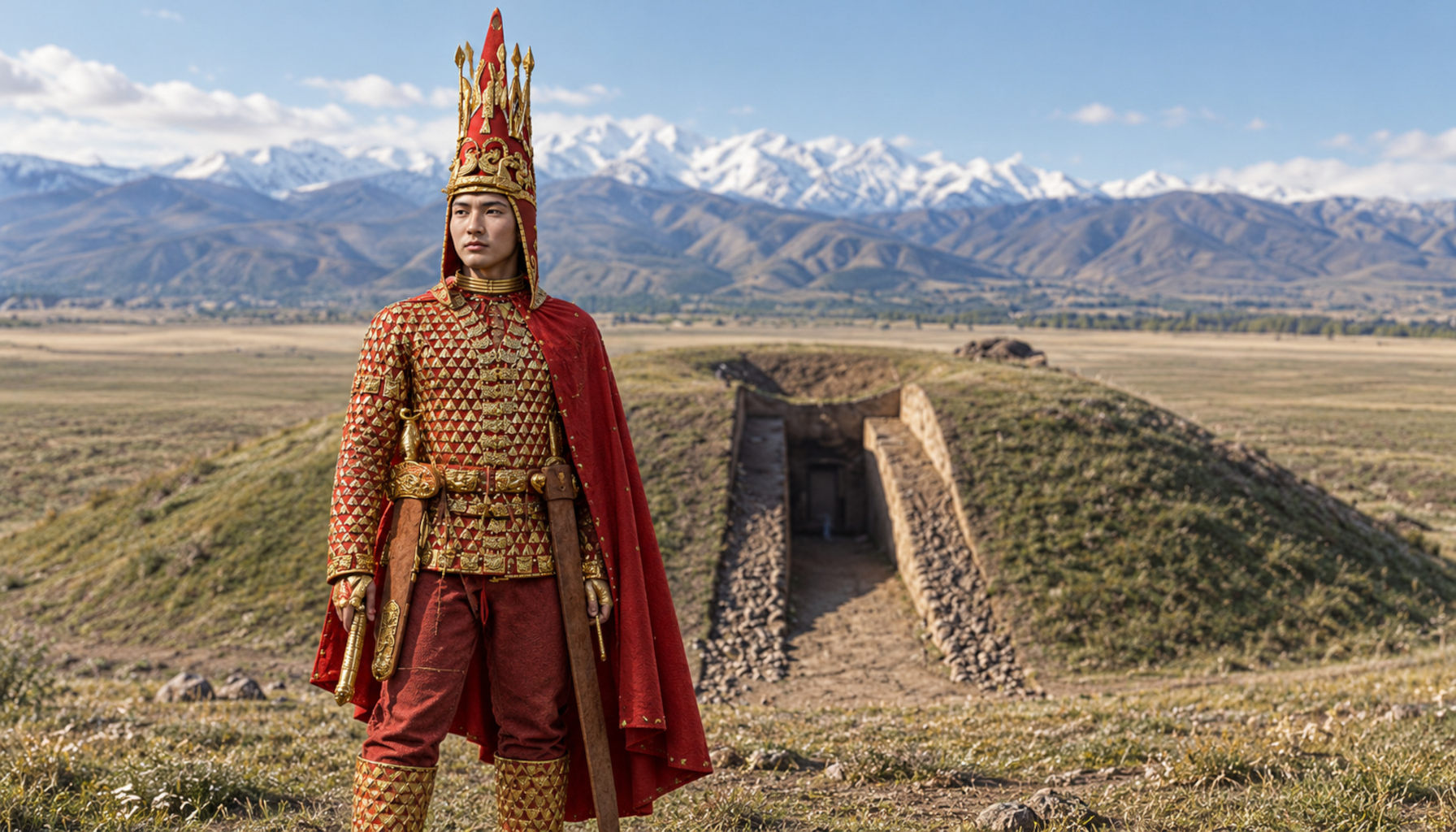
Haplogroups and Noble Lines Golden Man of Issyk The Golden Man of Issyk is one of those archaeological finds that has all but walked off with the public imagination. Buried around 296 BC in the Tian Shan region of what is now Kazakhstan, this Saka elite was laid to rest inside the Issyk kurgan near modern Almaty in By Sara V • 4 min read
Papers Denmark’s Mesolithic–Neolithic Transition: Culture, Genetics, and Timing The dramatic arrival of farming in Denmark For thousands of years, communities across prehistoric Denmark lived by sea, marsh, river, and forest. Then, around 4000 BC, farming arrived with startling force: cattle, crops, new pottery, and new burial customs grouped under the Funnel Beaker tradition. This was not a technical By Sara V • 4 min read
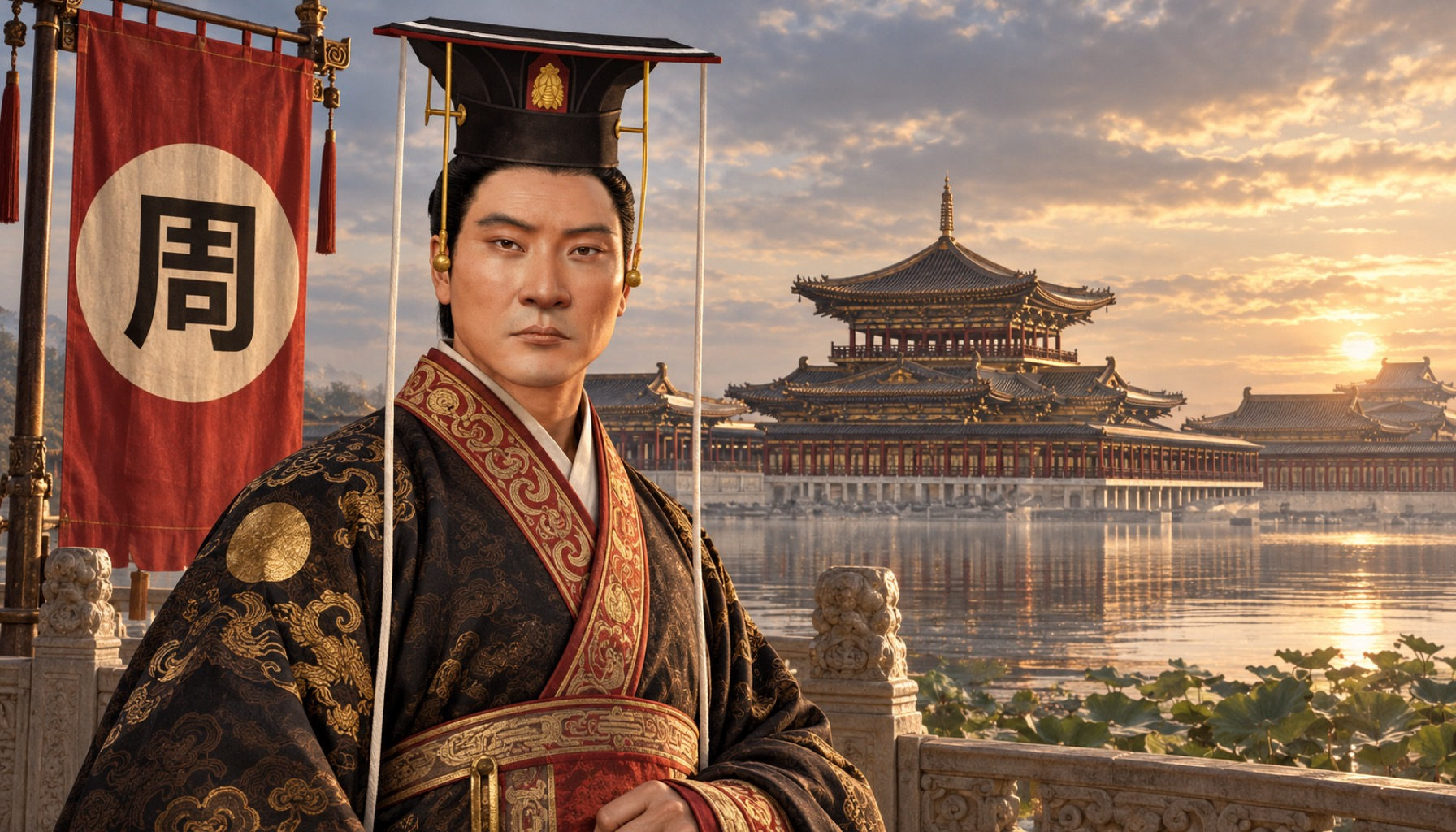
Haplogroups and Noble Lines Emperor Wu of Northern Zhou Emperor Wu of Northern Zhou, born Yuwen Yong, was one of the decisive rulers of sixth-century China. He reigned from 560 to 578 AD, in the turbulent age of the Northern and Southern Dynasties, when rival courts, frontier armies, and ambitious aristocratic families competed to control the old heartland of By Sara V • 5 min read
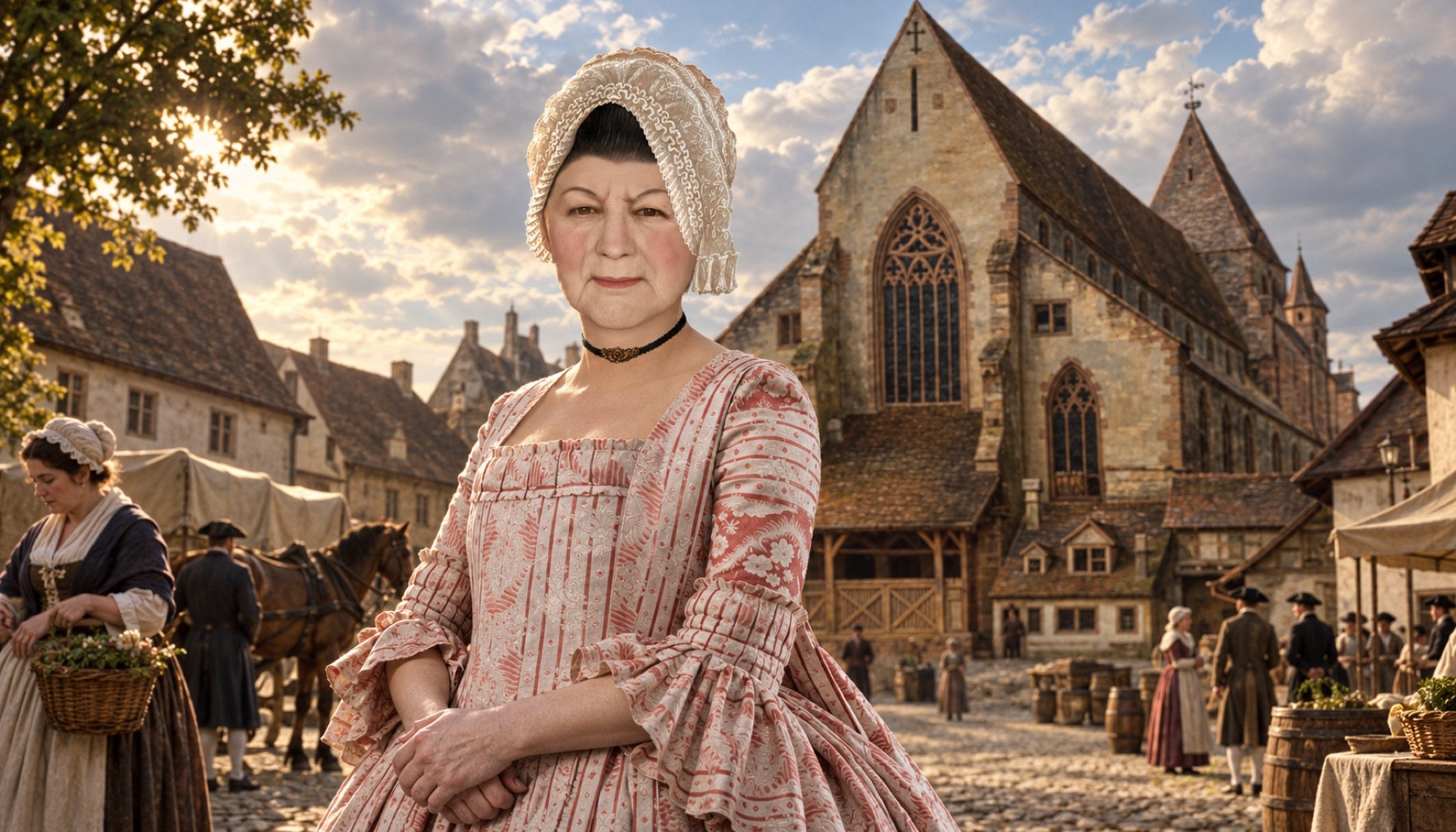
Haplogroups and Noble Lines Anna Catharina Bischoff Anna Catharina Bischoff was an 18th-century woman of Basel whose afterlife, if one may put it that way, became unexpectedly public. Her naturally mummified body was found during archaeological work at the Barfüsser Church in Basel, and what might once have been a local curiosity became one of Switzerland’s By Sara V • 4 min read
Haplogroups and Noble Lines Man with the Golden Bracelet The Man with the Golden Bracelet was one of the Pompeians killed when Mount Vesuvius erupted in 79 AD, burying the city under ash, pumice, and volcanic debris. He is historically important not because he was an emperor, senator, or general, but because his remains became attached to one of By Sara V • 5 min read
Haplogroups and Noble Lines Aak of the Frisian Terps Aak was a boy of the Late Iron Age, living around 200 BC in the coastal wetlands of what is now the Netherlands, long before Roman authors began labeling and classifying the peoples of the North Sea world. His remains, found at Uitgeest-Dorregeest in Holland, have become unexpectedly important because By Sara V • 4 min read
Haplogroups and Noble Lines Anna of Antioch Anna of Antioch was one of those medieval women whose life makes the map of the 12th century suddenly look smaller and more connected. Born into the world of the Crusader states, she was the daughter of Raynald of Chatillon, Prince of Antioch and later lord of Oultrejordain, a figure By Sara V • 5 min read
Haplogroups and Noble Lines Princess of Hassleben The woman conventionally known as the Princess of Hassleben was buried in Thuringia in one of the most spectacular elite graves of the Germanic world in what archaeologists call the Roman Iron Age. She lived beyond the formal frontiers of the Roman Empire, yet her burial makes plain that the By Sara V • 4 min read
Haplogroups and Noble Lines Amesbury Archer The Amesbury Archer was a man of the Early Bronze Age, buried near Stonehenge around 2300 BC in what is still one of the richest prehistoric graves ever found in Britain. He is important not because we know his personal name, tribe, or office—we do not—but because his By Sara V • 5 min read
Haplogroups and Noble Lines Ludwig van Beethoven Ludwig van Beethoven was born in Bonn in 1770 and died in Vienna in 1827, and few lives are so thoroughly embedded in the history of Europe’s age of upheaval. He began in the late world of courts, patrons, and princely chapels, then lived through the French Revolution, the By Sara V • 5 min read
Haplogroups and Noble Lines Ötzi the Iceman Ötzi the Iceman is one of those rare prehistoric people who feels almost uncomfortably close to us. He lived around 3300 BC in the Copper Age, in the Alpine world of high passes, seasonal movement, herding, hunting, and early metallurgy. When his naturally mummified body was discovered in 1991 in By Sara V • 5 min read
Haplogroups and Noble Lines Bolesław II of Masovia Bolesław II of Masovia was a Piast prince who lived in the later thirteenth and early fourteenth century, dying in 1313, at a time when Poland was not yet a single firmly reunited kingdom but a patchwork of competing duchies ruled by rival branches of the same dynasty. He was By Sara V • 5 min read
Haplogroups and Noble Lines The House de Lalaing House de Lalaing Who were the House de Lalaing? The House de Lalaing was one of the notable noble families of Hainaut, rooted in the lordship of Lallaing in the southern Low Countries, in what is now northern France near the old frontier world of Flanders, Hainaut, and Brabant. Their By Sara V • 3 min read
Haplogroups and Noble Lines The House Paynel House Paynel Norman lords of Hambye, Moutiers-Hubert, and the cross-Channel world The House Paynel was one of those thoroughly Norman families who seem to stride straight out of the eleventh century: lords rooted in western Normandy, tied to Hambye and Moutiers-Hubert, active in war, landholding, marriage politics, and church patronage By Sara V • 3 min read
Haplogroups and Noble Lines The Noble House of Vernon House of Vernon Background The House of Vernon was one of those long-lived English noble families whose story begins in the age of the Norman Conquest and runs forward through centuries of estate management, service, marriage strategy, heraldry, and local authority. The family is traditionally linked to Vernon in Normandy, By Sara V • 3 min read
Haplogroups and Noble Lines Clan OMahony Clan OMahony Background Clan OMahony was one of the notable Gaelic Irish lineages of southwest Ireland, rooted in Munster and especially associated with the old kingdom-world of Desmond along the coasts of Cork and Kerry. Their heritage belongs to that distinctly southern Irish pattern in which authority came not only By Sara V • 3 min read
Haplogroups and Noble Lines The Noble House of Beauclerk The Noble House of Beauclerk Background The House of Beauclerk was one of those distinctly English noble houses whose importance rested not simply on acreage and title, but on proximity to the crown itself. The family emerged from the Stuart royal world, with its prestige most famously tied to King By Sara V • 2 min read
Haplogroups and Noble Lines The Noble House of OQuinn The Noble House of OQuinn Background The House of OQuinn was a Gaelic Irish noble house of western Ireland, rooted in Thomond and closely associated with Inchiquin, regional lordship, and the wider heritage of Munster. In the older Gaelic pattern, a family like OQuinn was not simply a surname in By Sara V • 2 min read
Haplogroups and Noble Lines Chen Clan Chen Clan The Chen Clan was one of the great enduring lineages of early imperial China, remembered not simply as a powerful family but as a model of what a leading Han and post-Han clan could be: learned, well connected, morally serious, and deeply embedded in government service. Their historic By Sara V • 3 min read
Haplogroups and Noble Lines The Royal House of ONeill Haplogroup: R1b1a1b1a1a2c1a1a1a1a1a1a2 The royal house and its origins The House of ONeill was one of the great royal lineages of Ireland, emerging from the wider Ui Neill world and rooted above all in Tir Eoghain in the north, in what is now chiefly County Tyrone and the wider Ulster region. By Sara V • 3 min read