Paleogenetics of Princess Maria Shvarnovna, wife of Grand Prince Vsevolod the Big Nest
– 4 min read


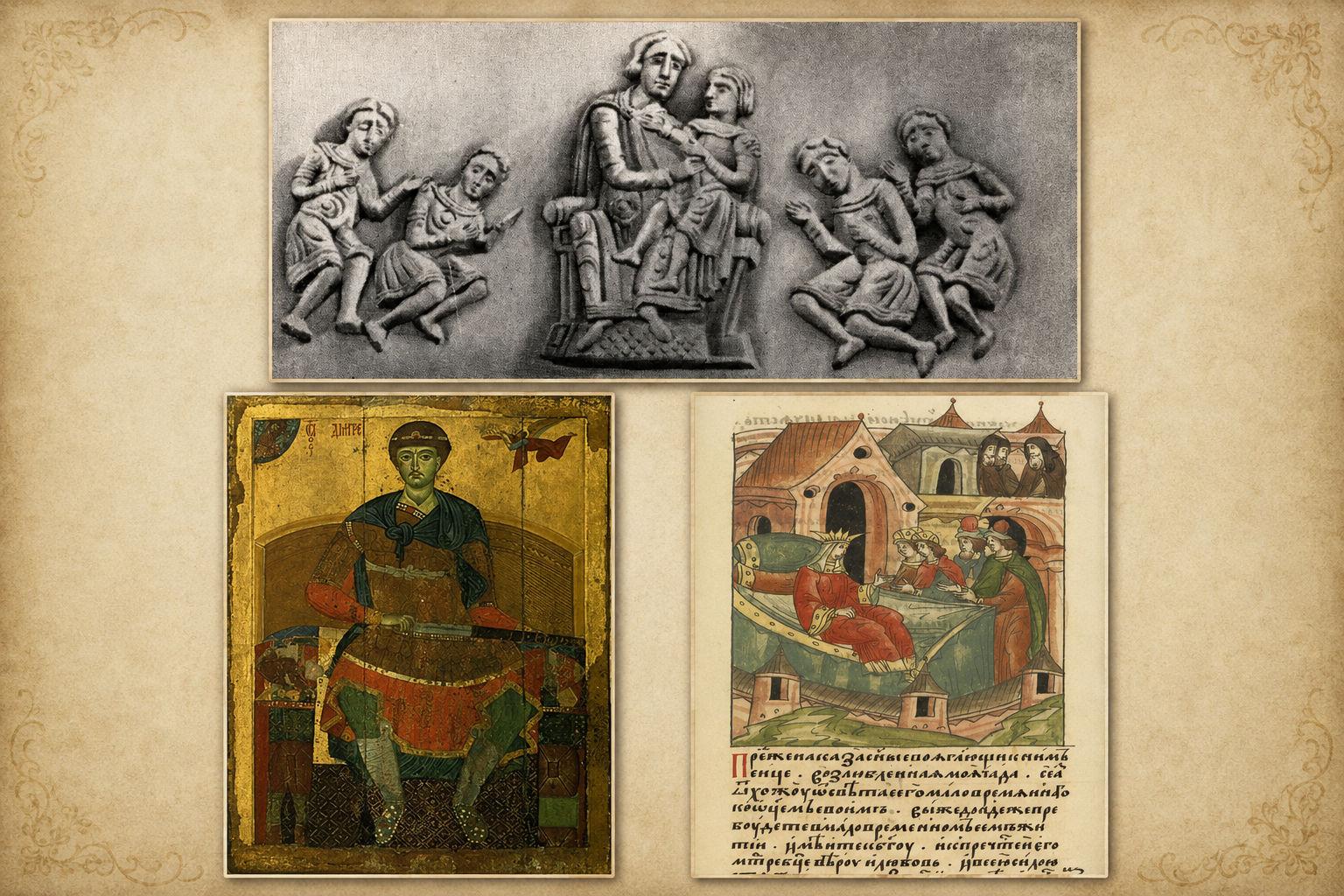
In medieval Vladimir, the Knyaginin Monastery served as both a religious house and a dynastic resting place for the women of Rus' ruling families. Within its cathedral, beneath layers of centuries of rebuilding, lay remains that brought a forgotten princess vividly back into view.
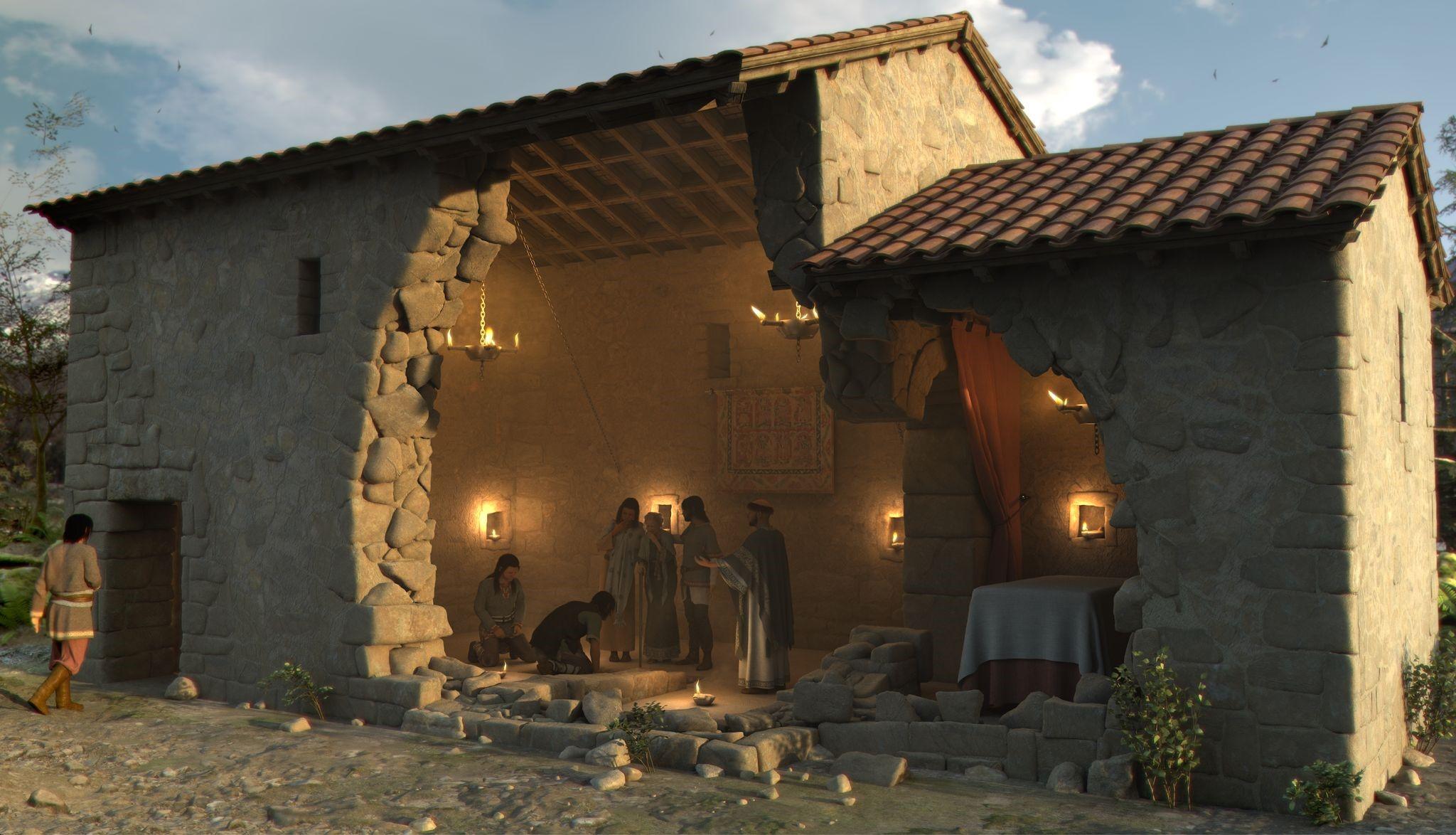
The central figure is Maria Vsevolozha, wife of Grand Prince Vsevolod the Big Nest and mother of twelve children, including ancestors of Alexander Nevsky. During 2015 restoration work, archaeologists discovered four individuals beneath an arched wall niche: an older woman aged forty-five to fifty, a younger woman aged twenty-five to thirty, a child of about nine, and fragmentary remains of a fourth individual.
The older woman became the focus. Her bones revealed persistent spinal and joint pain, cutting through royal grandeur to expose a person who likely rose stiffly and walked in daily discomfort. Her skull showed similarities to women from the medieval Zmeysky burial ground in North Ossetia, linked to Alan traditions, lending weight to the long-debated theory of her Alan rather than Czech origin.
Vsevolod the Big Nest's twelve children made his dynasty explosive in political terms. From this family descended Alexander Nevsky, yet behind that famous name stood the women who built his lineage. Maria was no background figure; she was the dynastic root of a princely forest whose branches shaped Rus' history.
The decisive test was kinship. Researchers had previously reconstructed the genome of Dmitry Alexandrovich, Alexander Nevsky's son, from remains at Pereslavl-Zalessky. Comparing that genome with the Vladimir burial produced a striking result: the two individuals shared a third-degree biological relationship, exactly consistent with great-grandmother and great-grandson. A family tree drawn from chronicles met bodily proof.
That confirmation transformed the entire burial cluster. The nearby younger woman and child became part of a dynastic necropolis, a family archive in bone. The monastery emerges as an extension of dynastic life, where ruling women continued defining the memory of the line after death.
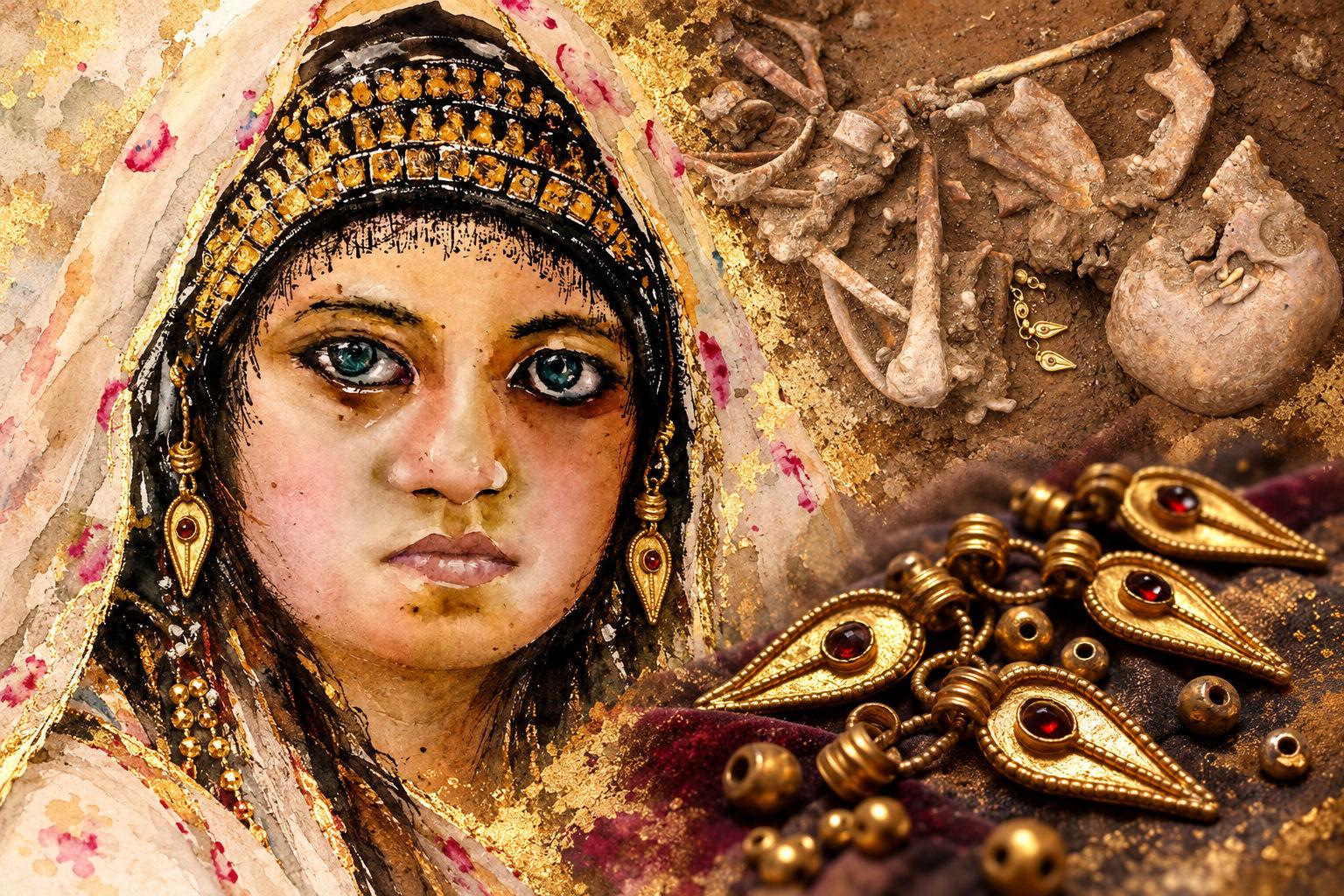
From a single incisor tooth, processed in a dedicated clean laboratory, researchers generated over 304 million sequencing reads and identified more than 144,000 usable genetic markers. The results confirmed the remains belonged to a woman, carrying a maternal line classified as U4b1a4. Predicted appearance suggested blue eyes, light hair, and olive-toned skin, a vivid reminder that medieval courts were places of long-distance movement and human variety.
The critical test was kinship with Dmitry Alexandrovich. Shared blocks of DNA matched a third-degree relationship, independently confirmed by a second method. Eight centuries collapsed in that result. The chronicles had not invented a connection; the bones confirmed it. A tooth, invisible to the naked eye, achieved what no inscription or treasure could: it allowed the dead to identify one another across generations.
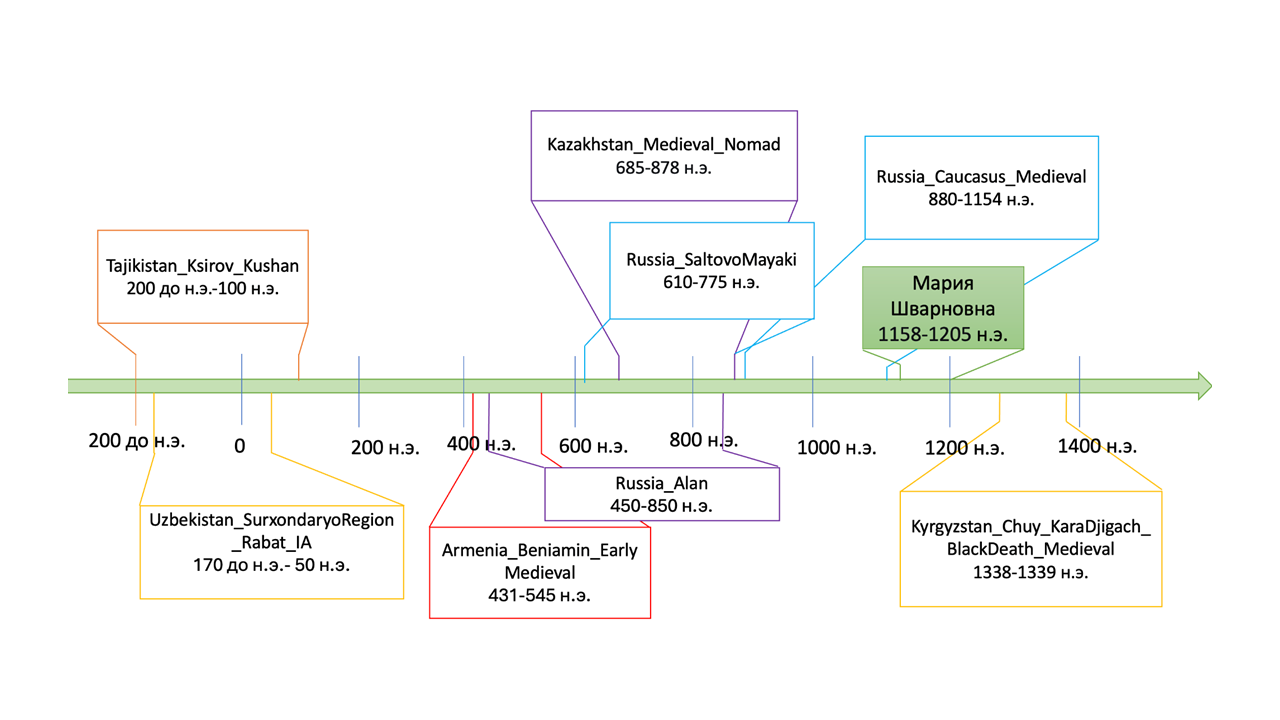
Maria's genome pointed powerfully away from Czech noble ancestry and toward the Alans, a people whose history stretched from the North Caucasus into the steppe. The closest genetic parallels came from populations associated with the Saltovo-Mayaki cultural world in the Don forest-steppe region, a meeting ground of Alan groups, Khazar political influence, and Eurasian connectivity. Additional parallels appeared in the Kara-Zhygach Christian cemetery in present-day Kyrgyzstan, whose buried individuals carried a dominant Alan-like component with a smaller East Eurasian element.
The skull morphology, already compared with North Ossetian Alan burial grounds, now found genetic support. Shape, burial setting, and genome converged. Her predicted light hair and blue eyes carry an evocative resonance with ancient descriptions of Alan peoples, without reducing a complex person to a stereotype. Her ancestry reflects centuries of migration and mixture across a vast Eurasian range, far richer than any single ethnic label.
Maria's identification opens a window onto how medieval Rus' dynastic power was actually constructed. Her genome combined a broad West Eurasian base with eastern Eurasian elements, reflecting populations from the Caucasus, Central Asia, and the steppe. Her great-grandson Dmitry carried an even stronger eastern component, showing that within a few generations the ruling house absorbed ancestry from varied directions as different women married into the line.
Medieval dynastic women were not decorative additions. They were carriers of political connection on a continental scale. Maria's burial in Vladimir, Dmitry's tomb at Pereslavl-Zalessky, North Ossetian burial grounds, and the cemeteries of Kara-Zhygach all join the same historical conversation. Through them, medieval Rus' appears not as a remote corner of Europe but as an active participant in the interconnected world of Eurasia, its ruling family shaped by marriages reaching across steppe corridors, Caucasian polities, and distant Christian communities. The monastery walls look deeply local; the biology speaks of vast horizons.

Comments