Papers Genomic Evidence for Evolutionary Origins of the Industrial Revolution Burial Grounds as Archives of Deep Time Across Europe, the dead have become reluctant witnesses to one of history's longest stories — held not in ink but in bone, teeth, and ancient graves. Archaeologists scrape away soil and suddenly a life appears: a skull turned to one side, a By Sven • 5 min read
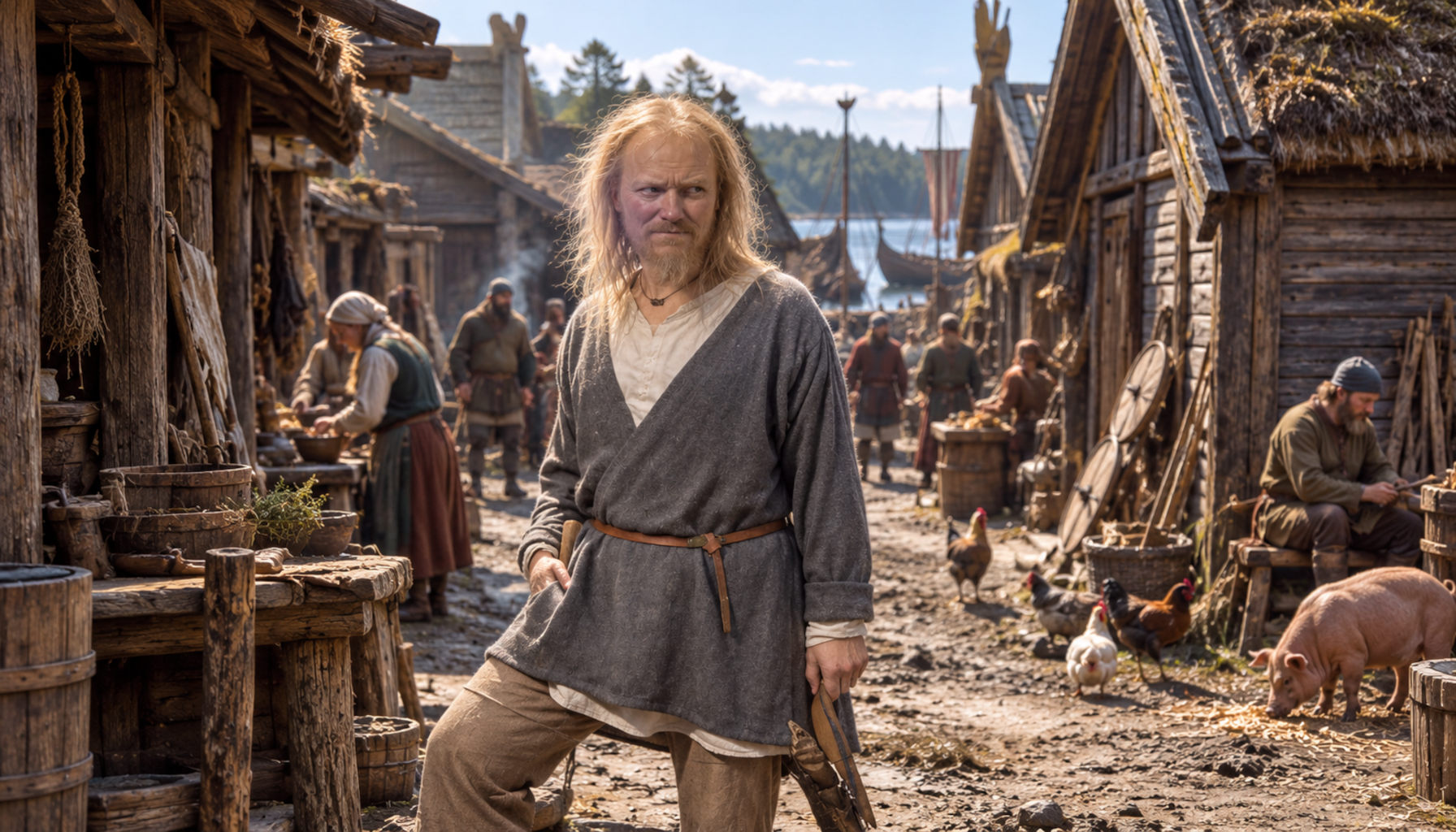
Haplogroups and Noble Lines Leifur of Viking Age Sigtuna Leifur of Viking Age Sigtuna was not a king, not a saga hero, and not a named chieftain preserved in chronicles. He was, instead, something in some ways more precious: an ordinary man whose bones, burial, isotopes, and DNA allow us to glimpse the human reality of Sweden around the By Sven • 5 min read
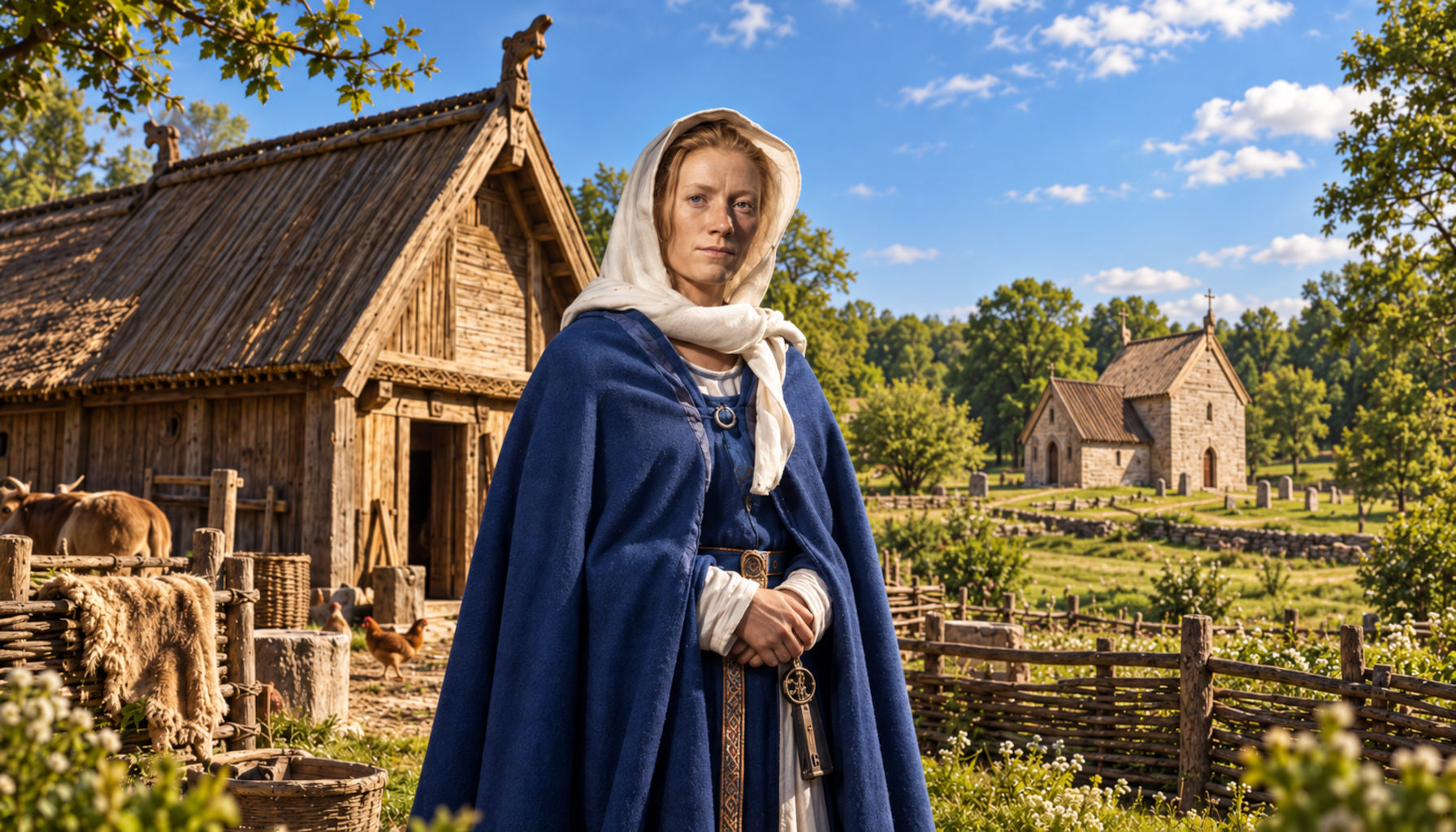
Haplogroups and Noble Lines Viking Age Lady Kata of Varnhem Kata of Varnhem was an elite woman of 11th-century Sweden, living at a moment when the Viking Age was shading into a Christian Middle Ages. She belonged to the powerful milieu surrounding the wealthy estate at Varnhem in Västergötland, a place that was far more than an ordinary farm. It By Sven • 5 min read
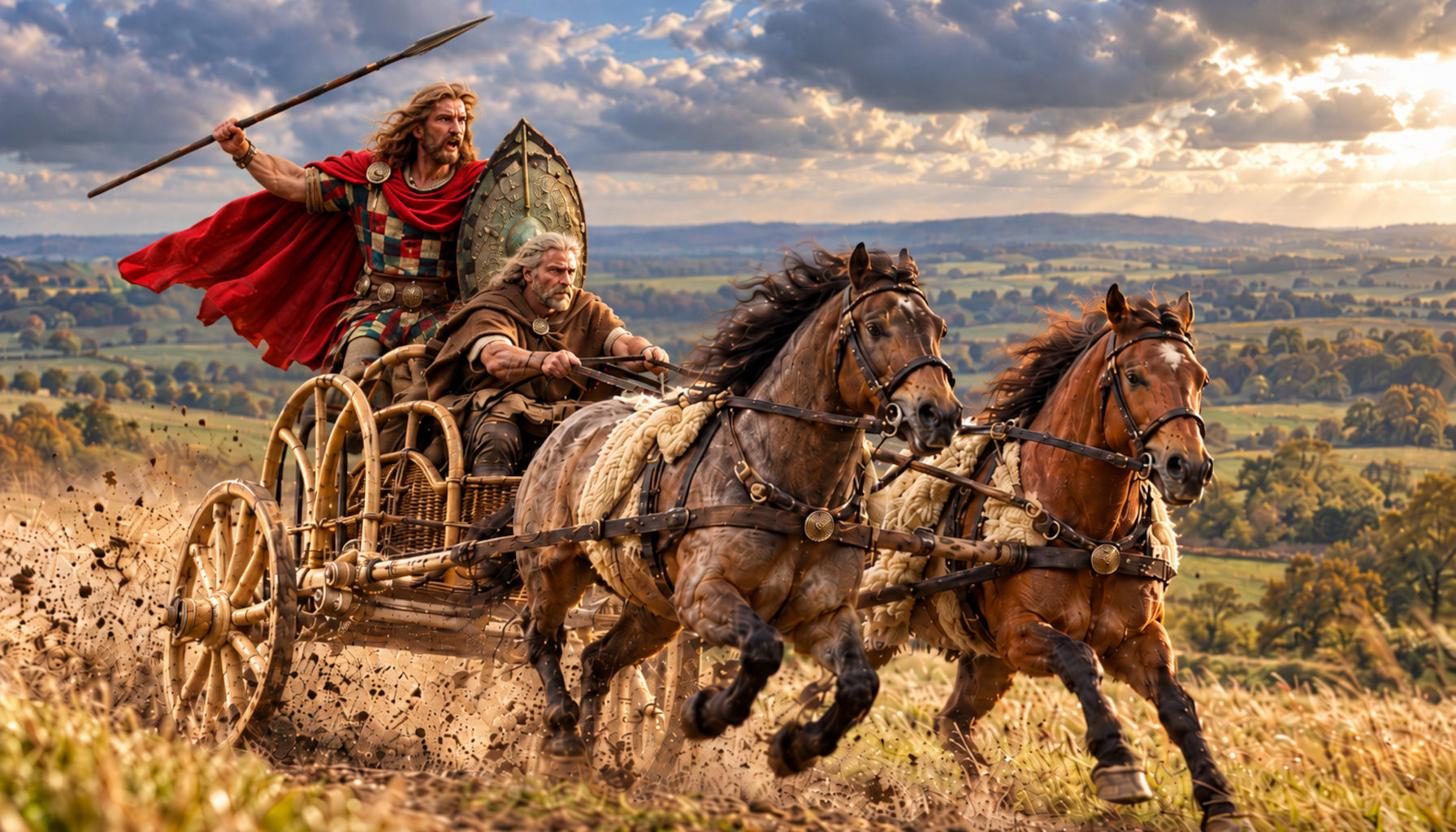
Haplogroups and Noble Lines Celtic Charioteer of Pocklington The Celtic Charioteer of Pocklington was an elite Iron Age Briton buried in East Yorkshire around 225 BC, in the centuries before Rome reached Britain. Known in ancient-DNA research as sample I5511, he belongs to that rare and fascinating archaeological world in which power was displayed not only in life By Sven • 4 min read
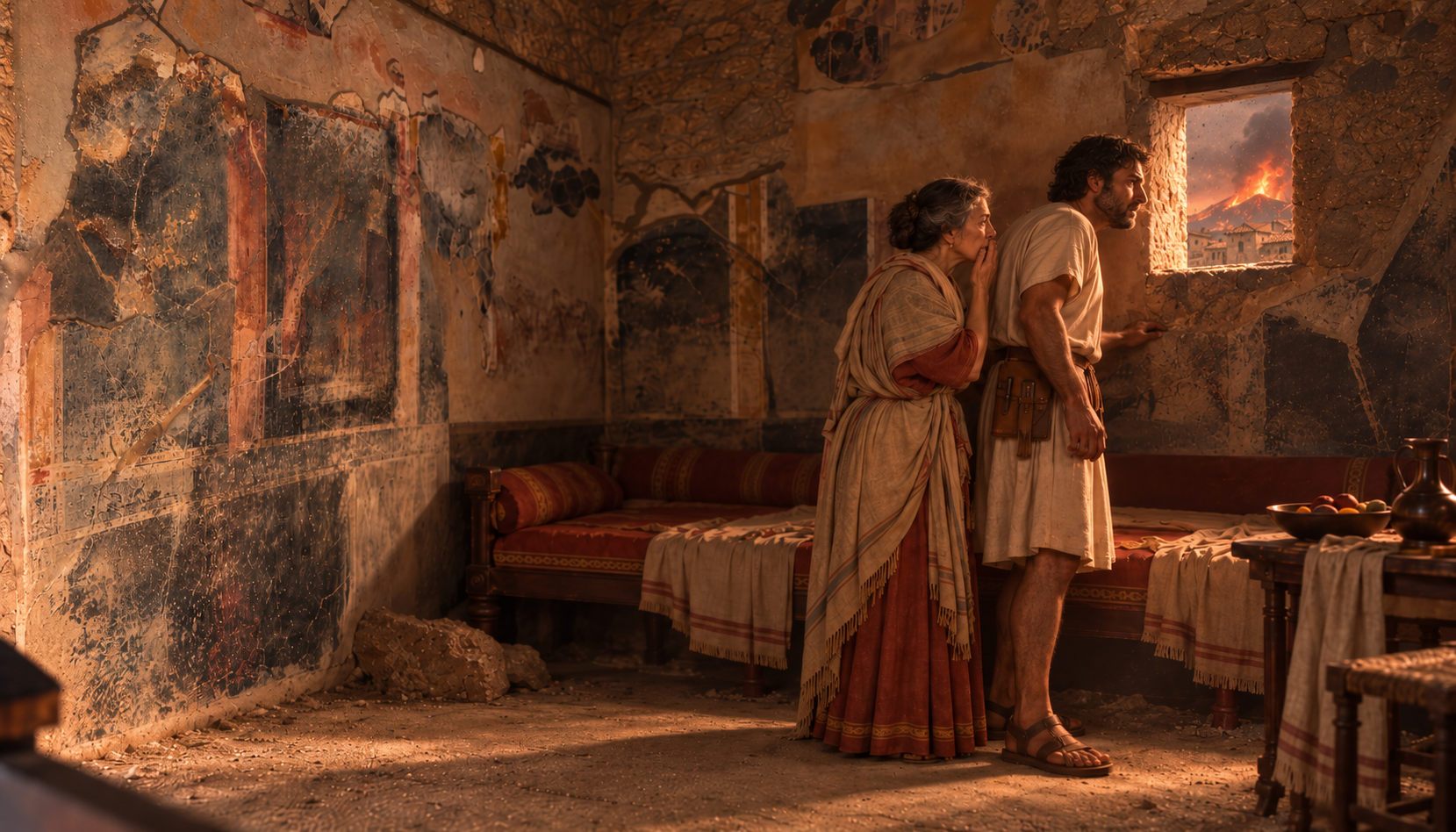
Haplogroups and Noble Lines The Craftsman of Pompeii The man often called the Craftsman of Pompeii was not an emperor, a general, or a famous author. He was something more revealing in its own way: an ordinary Roman townsman, about 35 to 40 years old, caught in one of history’s most famous disasters. He died in 79 By Sven • 5 min read
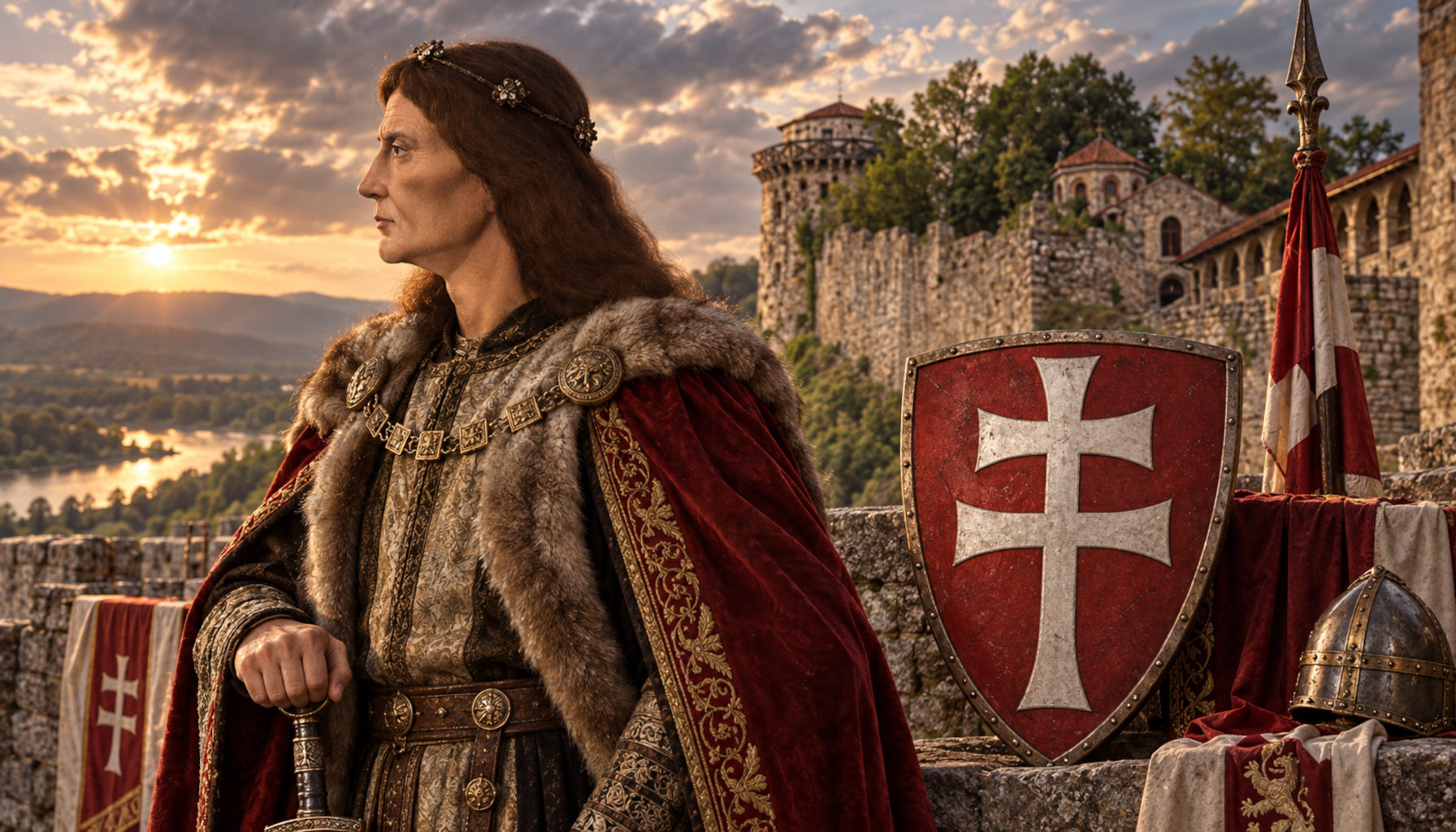
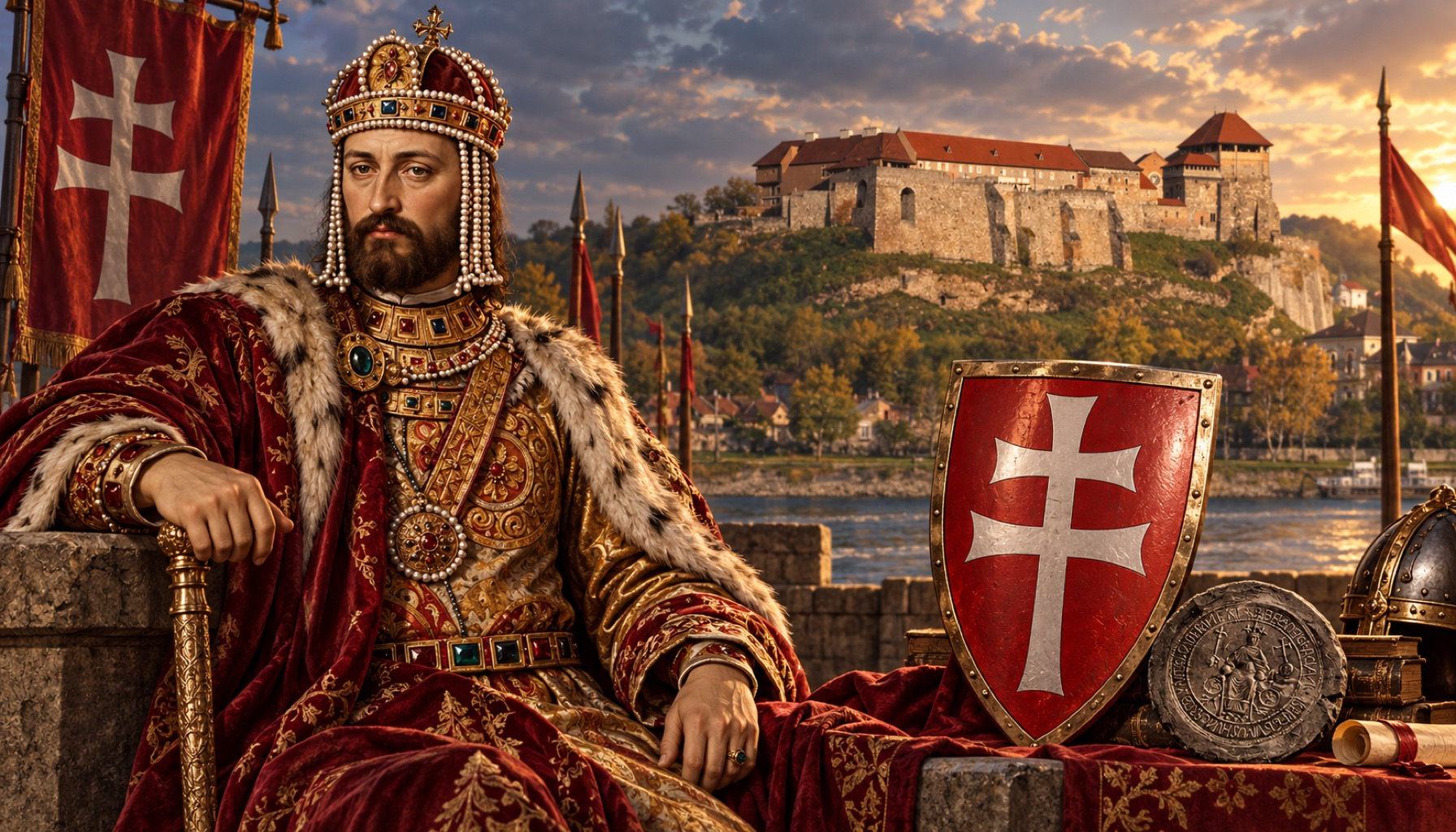
Haplogroups and Noble Lines Duke Béla of Macsó Duke Béla of Macsó was one of those medieval princes who seem to stand at the hinge of several worlds at once. Living in the 13th century and dying in 1272, he was the son of Rostislav Mikhailovich, a Rurikid prince descended from the rulers of Chernigov, and Anna of By Sven • 4 min read
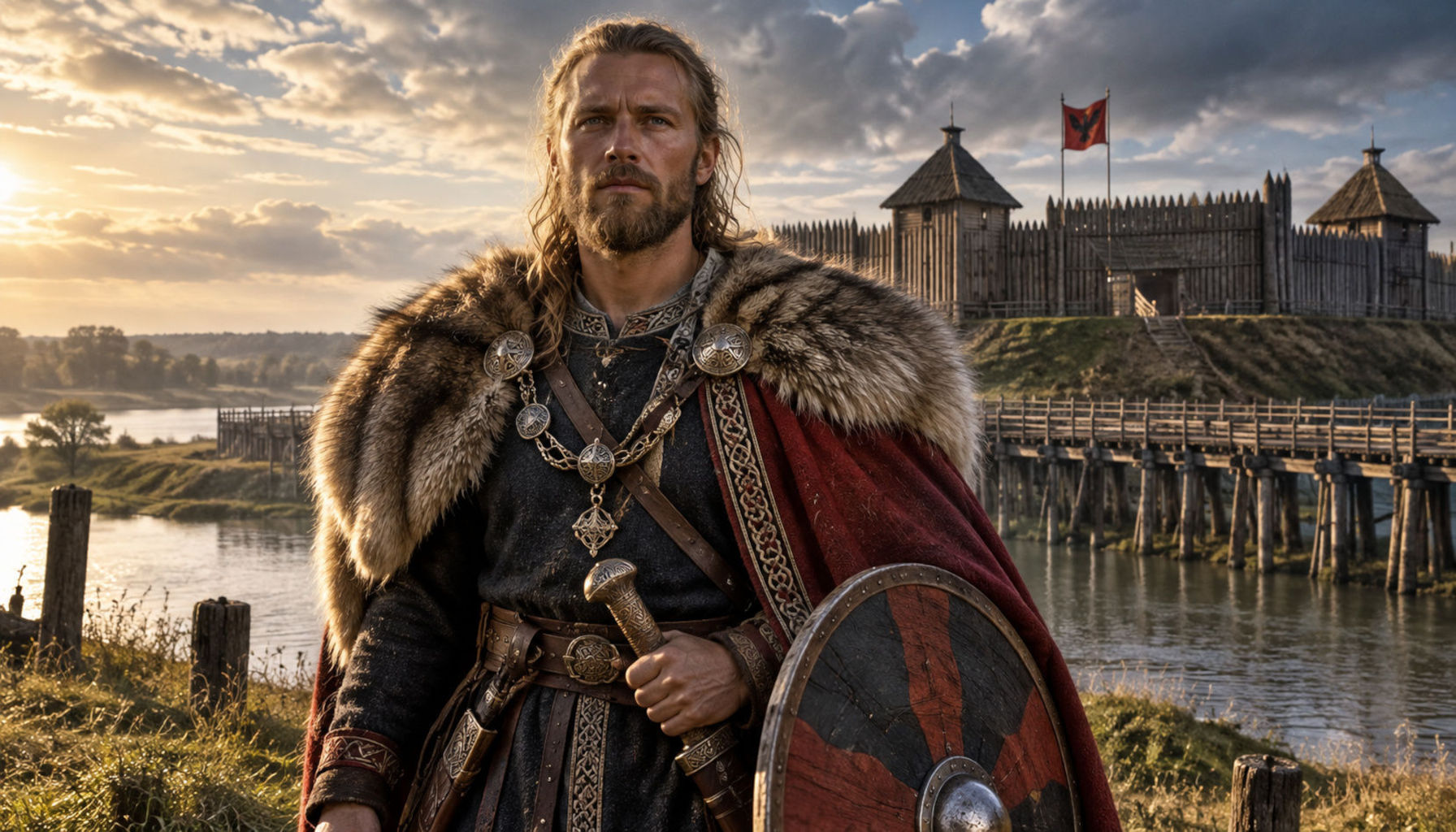
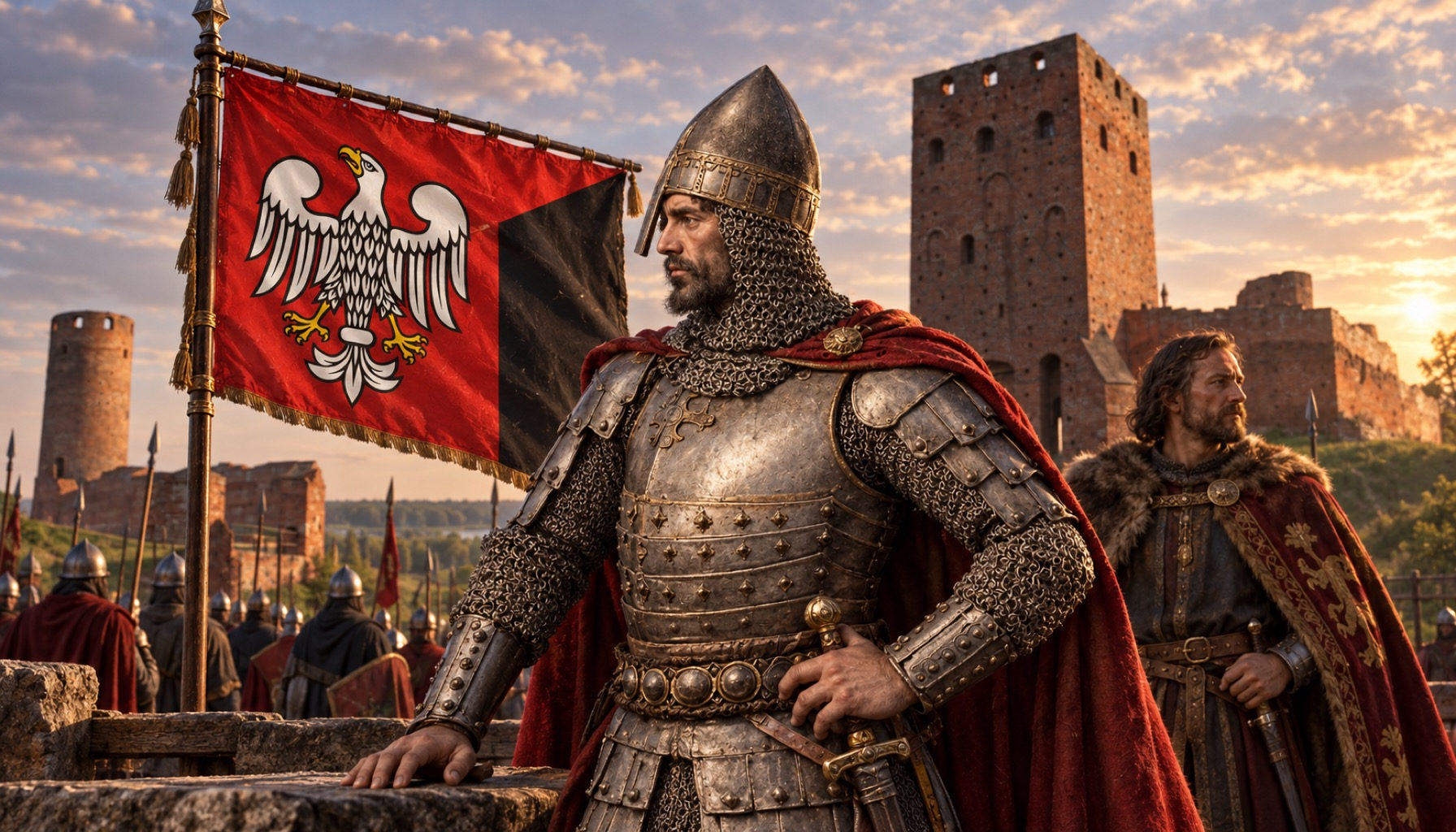
Haplogroups and Noble Lines Elite Viking Warrior of Bodzia The man known from sample VK157, the Elite Viking Warrior of Bodzia, was buried in Poland around 1015-1020 AD in one of the most extraordinary cemeteries of the Viking Age. Bodzia was no ordinary burial ground. Its chamber graves, timber enclosures, imported goods and armed burials speak of people who By Sven • 5 min read
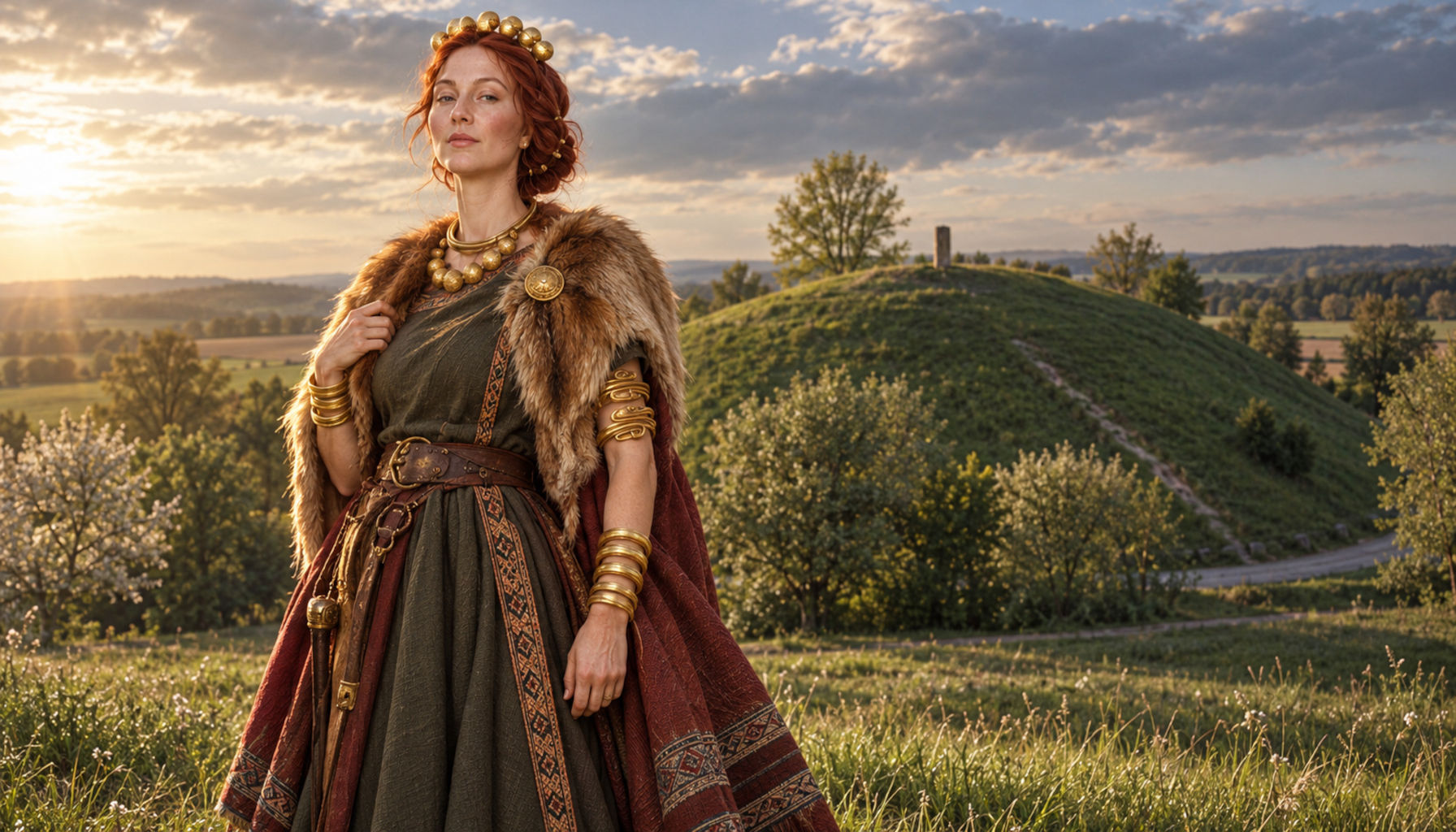
Haplogroups and Noble Lines Celtic Lady of Ditzingen-Schöckingen The Celtic Lady of Ditzingen-Schöckingen was a high-status woman buried in southwestern Germany around 300 BC, in the La Tène Iron Age world of wealthy Celtic communities. She is not known to us by a personal name, which is often the case in pre-Roman Europe, but her grave and her By Sven • 4 min read
Haplogroups and Noble Lines Elek Báthory Elek Báthory was a 16th-century Hungarian nobleman from one of the most formidable aristocratic families of late medieval and early modern Central Europe. The Báthorys were not obscure local lords but a dynasty whose various branches supplied military commanders, leading magnates, princes of Transylvania, and most famously Stephen Báthory, who By Sven • 5 min read
Haplogroups and Noble Lines Vittrup Man Vittrup Man was a Stone Age man who lived around 3300 BC, and yet we can now tell more of his life story than we can for many far more recent people. His remains were found in a peat bog in northern Denmark, but the real significance of the discovery By Sven • 5 min read
Haplogroups and Noble Lines Wetwang Chariot Woman The Wetwang Chariot Woman was an elite Iron Age Briton buried in East Yorkshire around 225 BC, in the world archaeologists call the Arras culture of pre-Roman Britain. She is historically important not because we know her personal name, rank, or family in the way we might for a Roman By Sven • 5 min read
Haplogroups and Noble Lines Johannes Corvinus Johannes Corvinus stands at one of those awkward but fascinating junctions in late medieval history where dynastic ambition, aristocratic politics, and sheer bad luck all meet. He was the only known son of Matthias Corvinus, king of Hungary and Croatia, one of the most formidable rulers of 15th-century Central Europe. By Sven • 5 min read
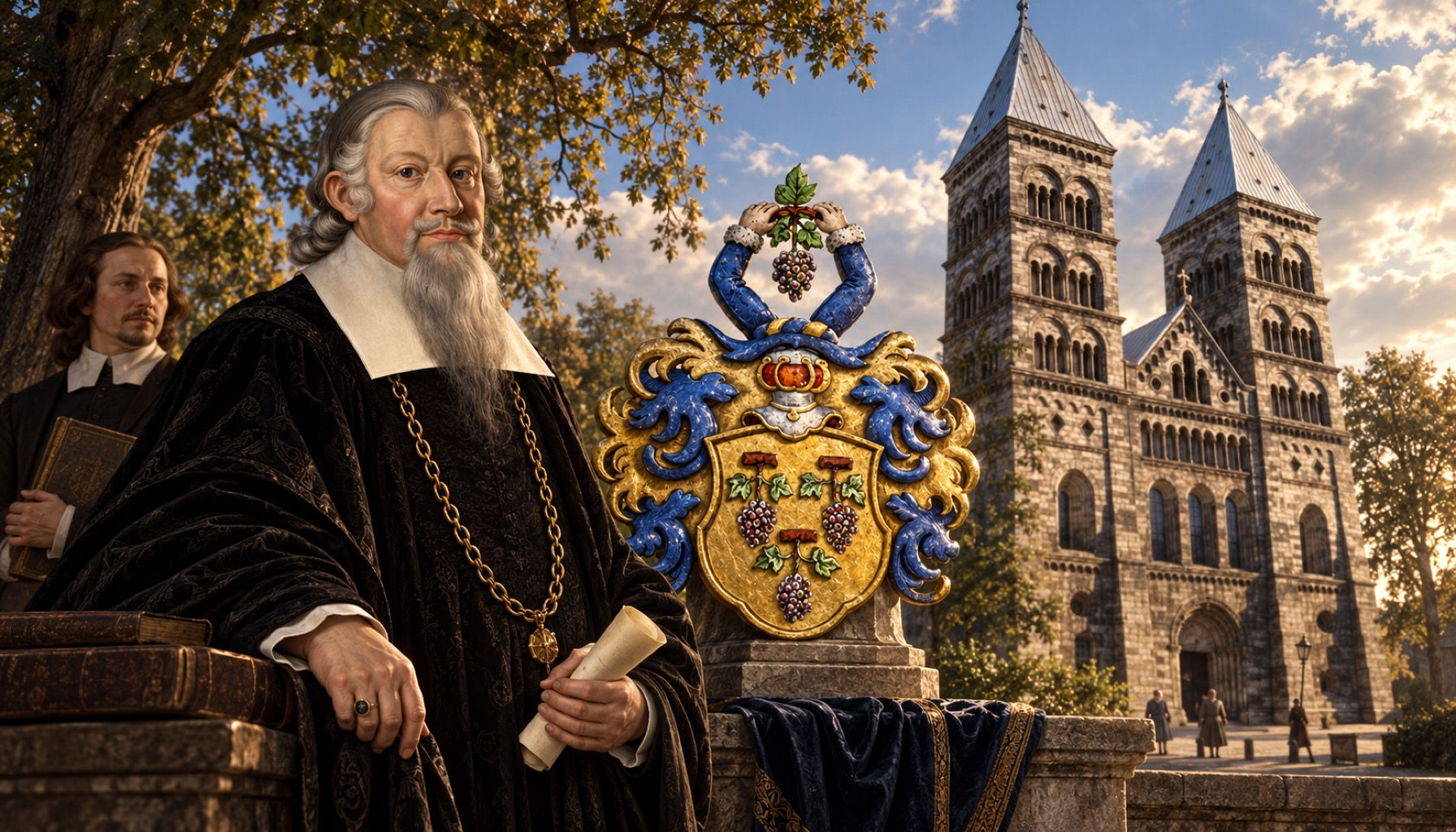
Haplogroups and Noble Lines Bishop Peder Winstrup Peder Winstrup was a 17th-century Lutheran bishop of Lund, born into the educated clerical world of the Danish kingdom and remembered today for two rather different reasons. In life he was a churchman, scholar, political operator, and advocate for learning in a borderland province. In death he became one of By Sven • 4 min read
Haplogroups and Noble Lines Cheddar Man Cheddar Man is one of those prehistoric figures who somehow escapes the mist of deep time and becomes almost disconcertingly personal. He was a Mesolithic hunter-gatherer who lived in Britain around 7150 BC, at the beginning of the Holocene, when the great Ice Age world had recently given way to By Sven • 5 min read
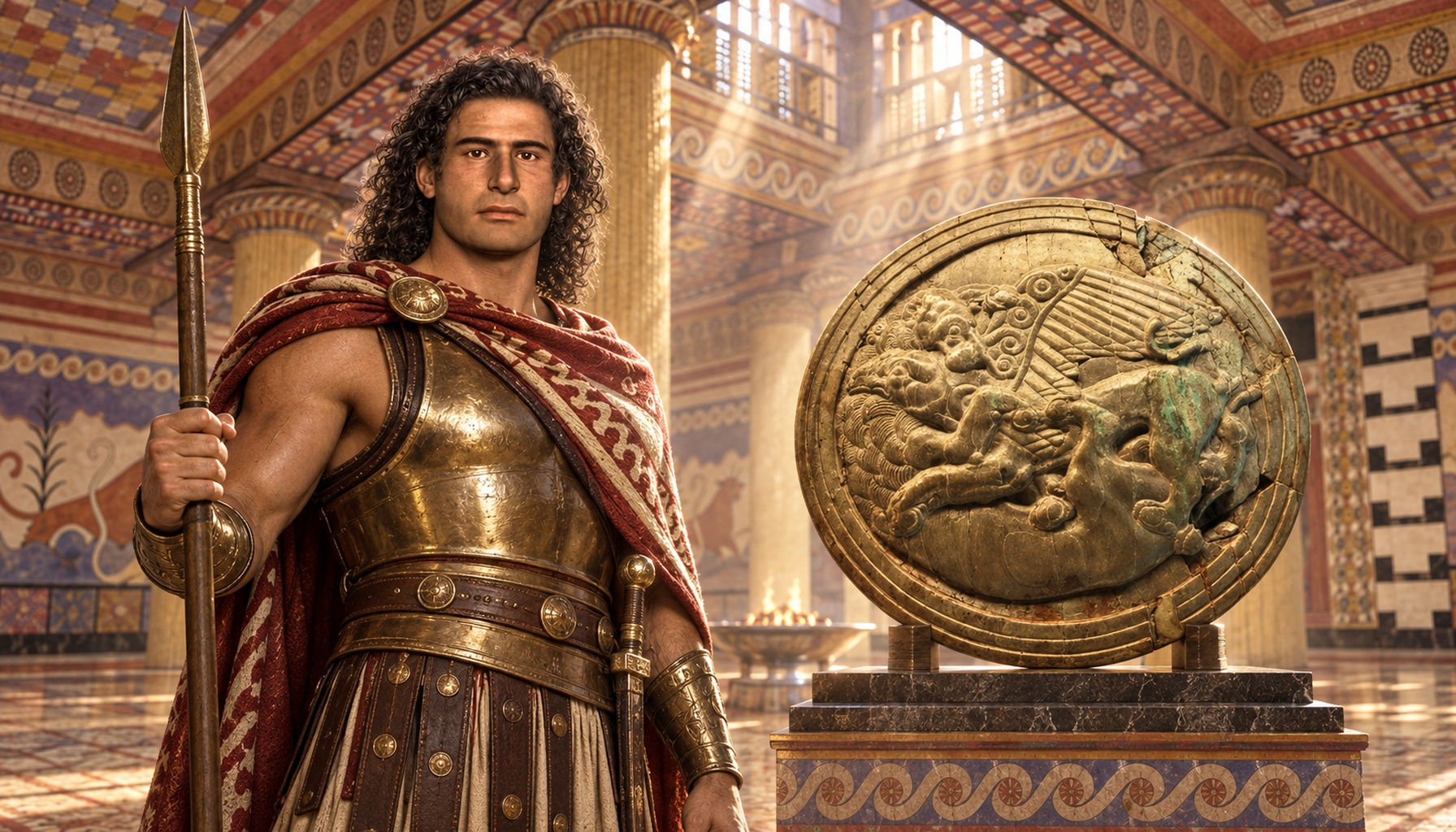
Haplogroups and Noble Lines Griffin Warrior The man now known as the Griffin Warrior lived around 1440 BC in Messenia, in southwestern Greece, at the very moment when Mycenaean society was becoming something grander, richer, and more sharply hierarchical. He was buried near what would later become the Palace of Nestor at Pylos, and his grave By Sven • 5 min read
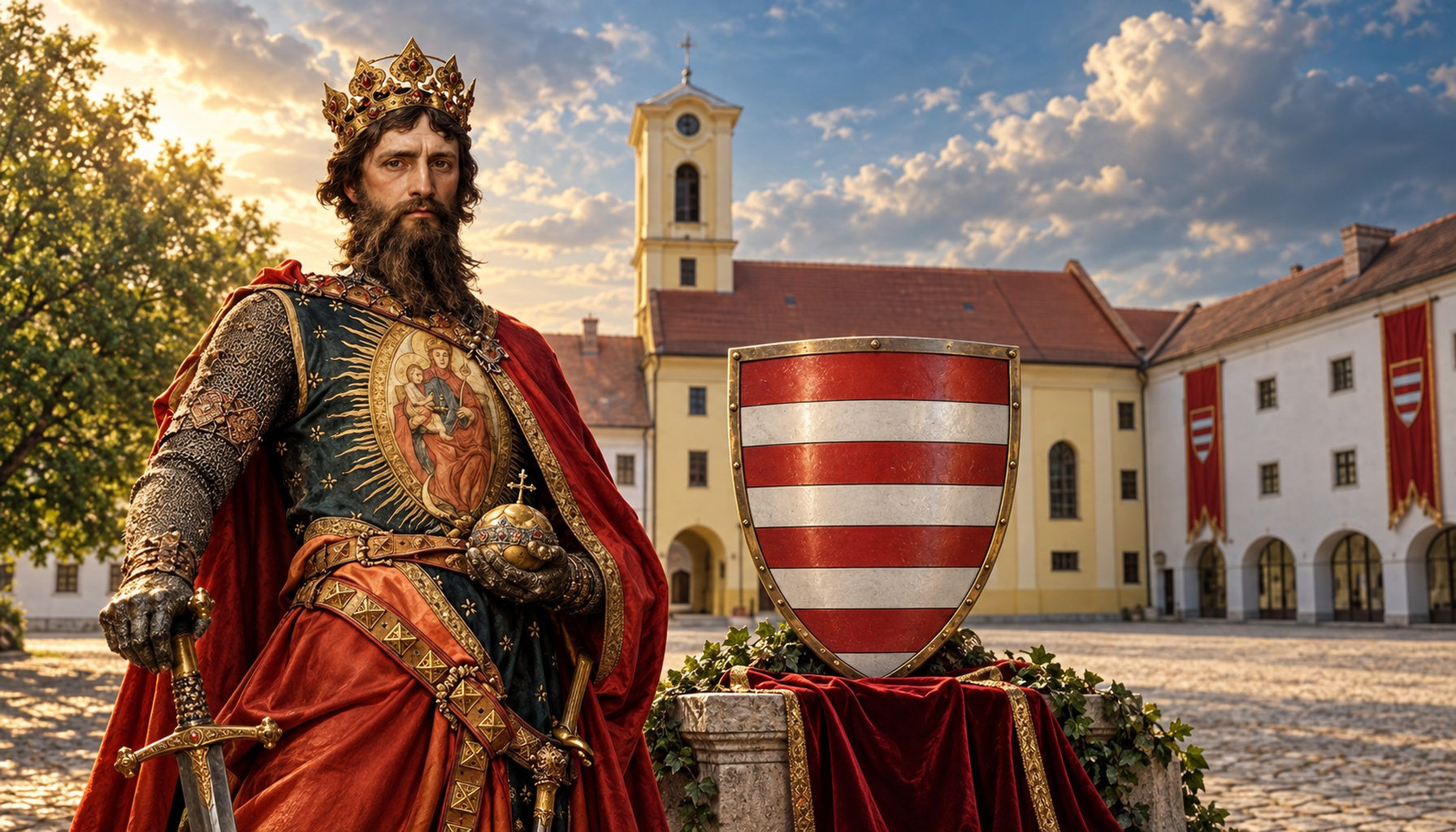
Haplogroups and Noble Lines King Ladislaus I of Hungary Ladislaus I of Hungary, who ruled from 1077 to 1095, stands at the meeting point of history, kingship, and later legend. A member of the Árpád dynasty and son of King Béla I, he emerged from a bruising period of dynastic struggle to become one of the most admired rulers By Sven • 5 min read
Haplogroups and Noble Lines Magnus Haroldsson Magnus Haroldsson belongs to one of the most dramatic family stories in English history. He was a son of Harold Godwinson, the last Anglo-Saxon king of England, whose death at the Battle of Hastings in 1066 marked not just the end of a reign but the collapse of an entire By Sven • 4 min read
Haplogroups and Noble Lines Konrad I of Masovia Konrad I of Masovia was one of the most consequential Piast princes of the fractured Polish Middle Ages, a ruler whose career stretched from the late twelfth century into the troubled first half of the thirteenth. Born around 1187 or 1188, the son of Casimir II the Just, he inherited By Sven • 5 min read
Haplogroups and Noble Lines King Béla III, Árpád Dynasty King Béla III of the Árpád dynasty, who ruled Hungary from 1172 to 1196, stands among the most consequential rulers of medieval Central Europe. He was not merely a king in the local sense. He was a prince shaped by two worlds: the Latin Christian kingdom of Hungary and the By Sven • 5 min read
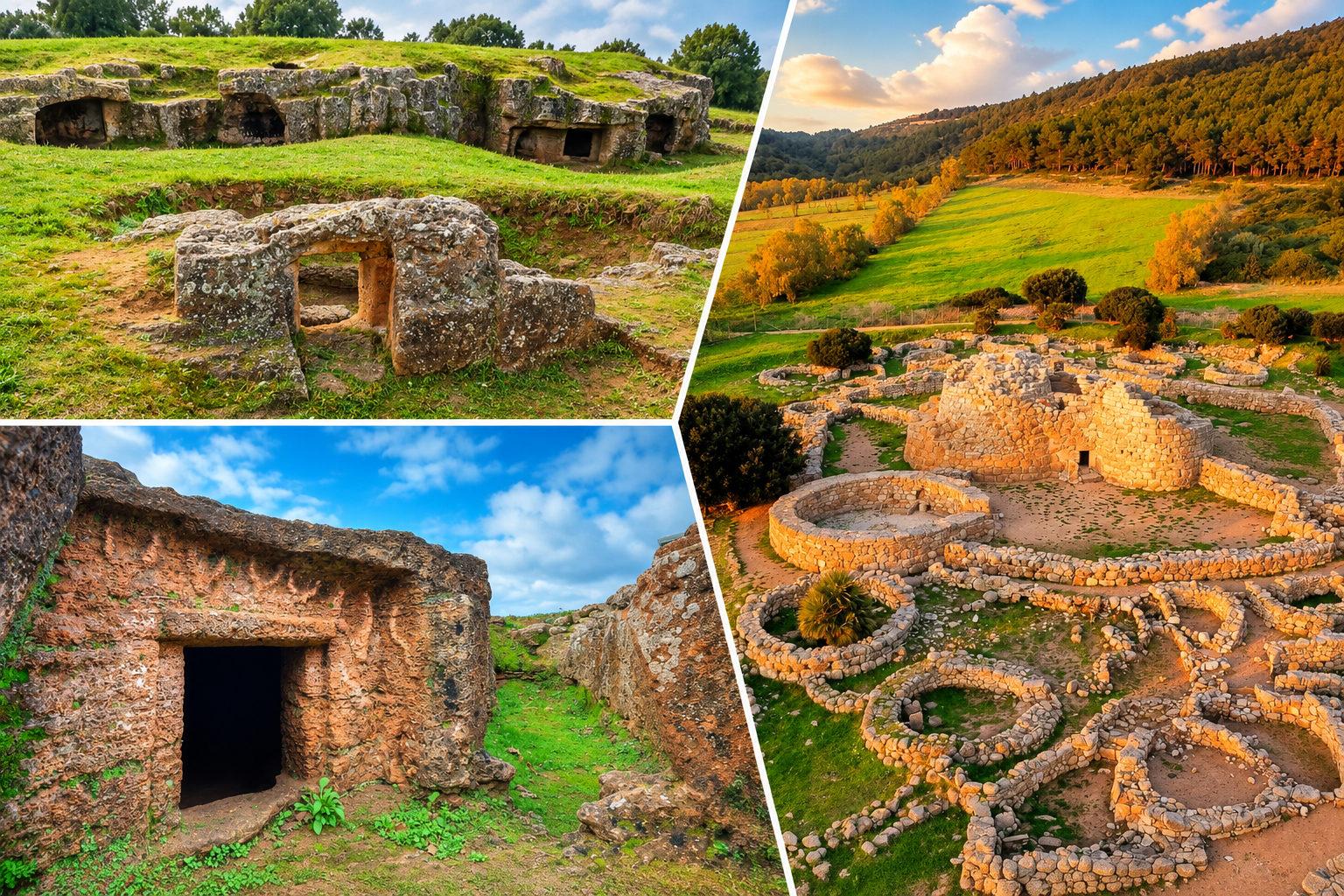
Papers Paleogenomics of Ancient Italian Islands Sicily Before Farming: Caves, Burials, and the First Island Foragers Sicily's earliest people survive not in chronicles but in caves: limestone chambers holding broken bones, stone tools, and burials that have become almost characters in their own right. Grotta di San Teodoro, Grotta d'Oriente, Grotta dell& By Sven • 6 min read
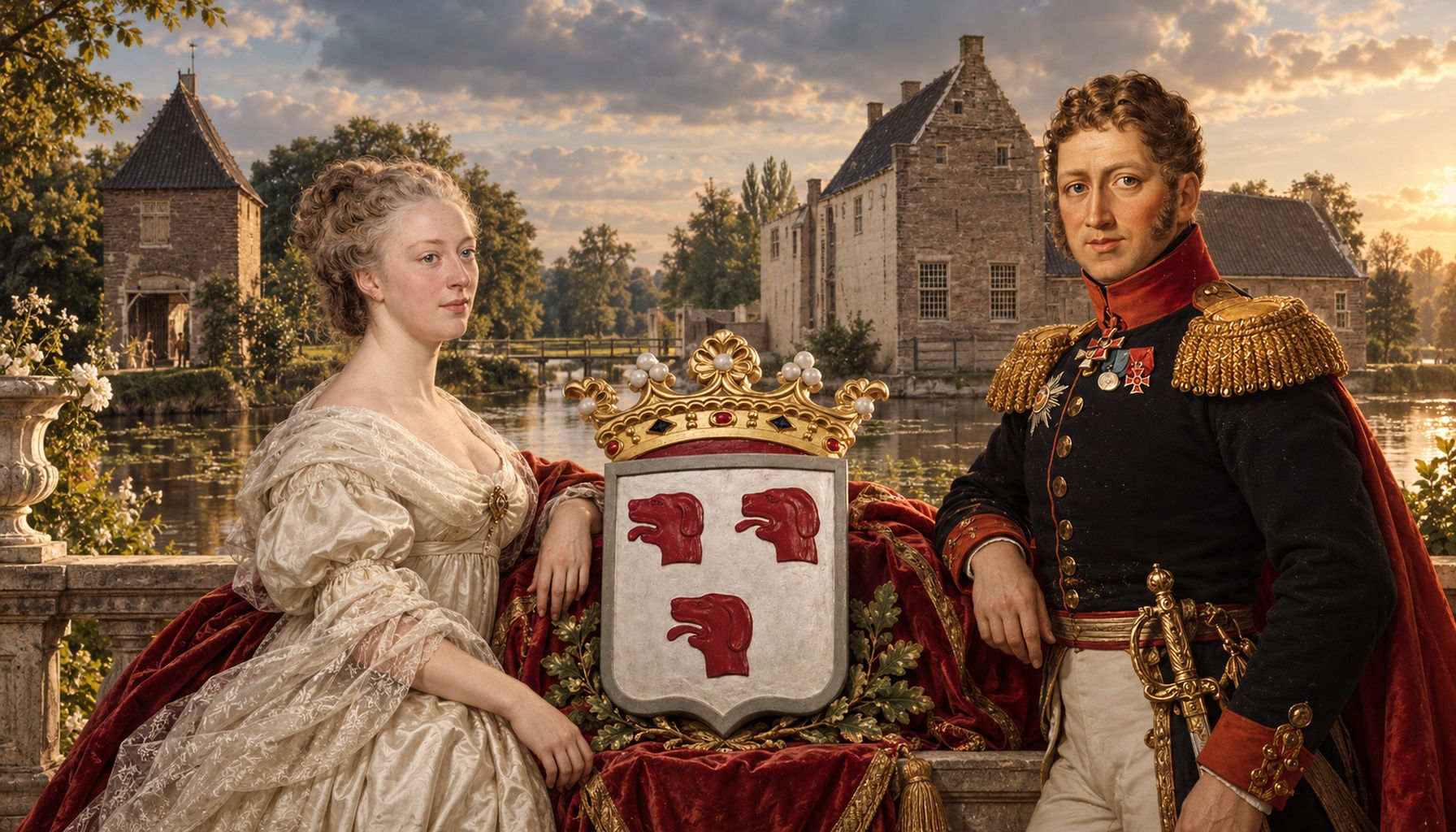
Haplogroups and Noble Lines The House van Tuyl House van Tuyl Background The House van Tuyl was a medieval Dutch noble lineage rooted in Gameren and the river lands of Gelderland, part of that intricate low-country world where power was not held in grand capitals so much as in estates, dikes, rights, alliances, and fortified homes. Their name By Sven • 3 min read
Haplogroups and Noble Lines The House of Branciforte House of Branciforte Background The House of Branciforte was one of the notable noble families of Sicily, especially tied to the inland town and feudal state of Mazzarino, and remembered for the kind of long-lasting aristocratic power that shaped the island for centuries. Their story belongs to that very Sicilian By Sven • 3 min read
Haplogroups and Noble Lines The House of Meyrick House of Meyrick Background The House of Meyrick was one of the notable historic families of the Welsh gentry, rooted especially in Anglesey and long associated with Bodorgan Hall. In genetic tagging terms, the primary family haplogroup linked here is R1b1a1b1a1a1b1a1a, a branch within the great western European R1b story. By Sven • 3 min read
Haplogroups and Noble Lines Clan Seton Clan Seton Origins and family background Clan Seton was one of the great noble houses of Scotland, rooted above all in East Lothian, and remembered for lordship, loyalty, heraldry, and imposing residences tied to royal power. The family took its name from Seton, near the Firth of Forth, and rose By Sven • 3 min read