Genetic Evidence for a 1348 Pogrom: Medieval Jewish Community in Tàrrega, Catalonia
– 5 min read


The medieval Jewish community of Tàrrega emerges from the shadows of history through an extraordinary archaeological discovery that reveals the tragic intersection of plague, prejudice, and persecution in 14th-century Catalonia. The Roquetes necropolis, excavated in 2007, offers an unprecedented window into a vibrant Jewish community that met its violent end during the chaos of the Black Death in 1348.
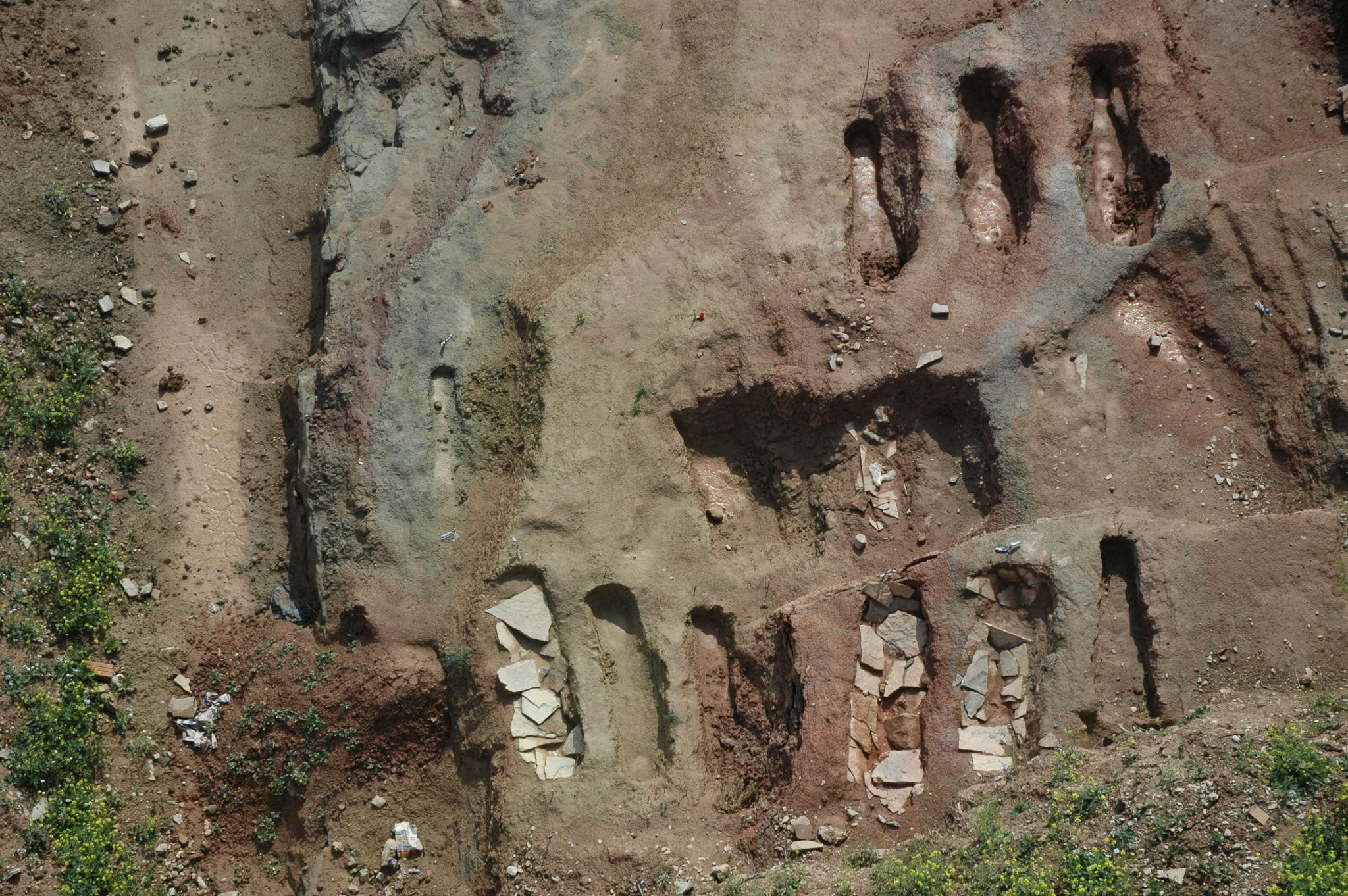
Just outside the medieval walls of Tàrrega, archaeologists uncovered the Roquetes burial ground, a Jewish cemetery that tells two distinct stories. The first is of an established, thriving community with carefully arranged individual graves following traditional Jewish burial customs. The second is of unspeakable tragedy: six mass graves containing at least sixty-nine hastily buried bodies, many showing violent trauma to their skulls and faces.
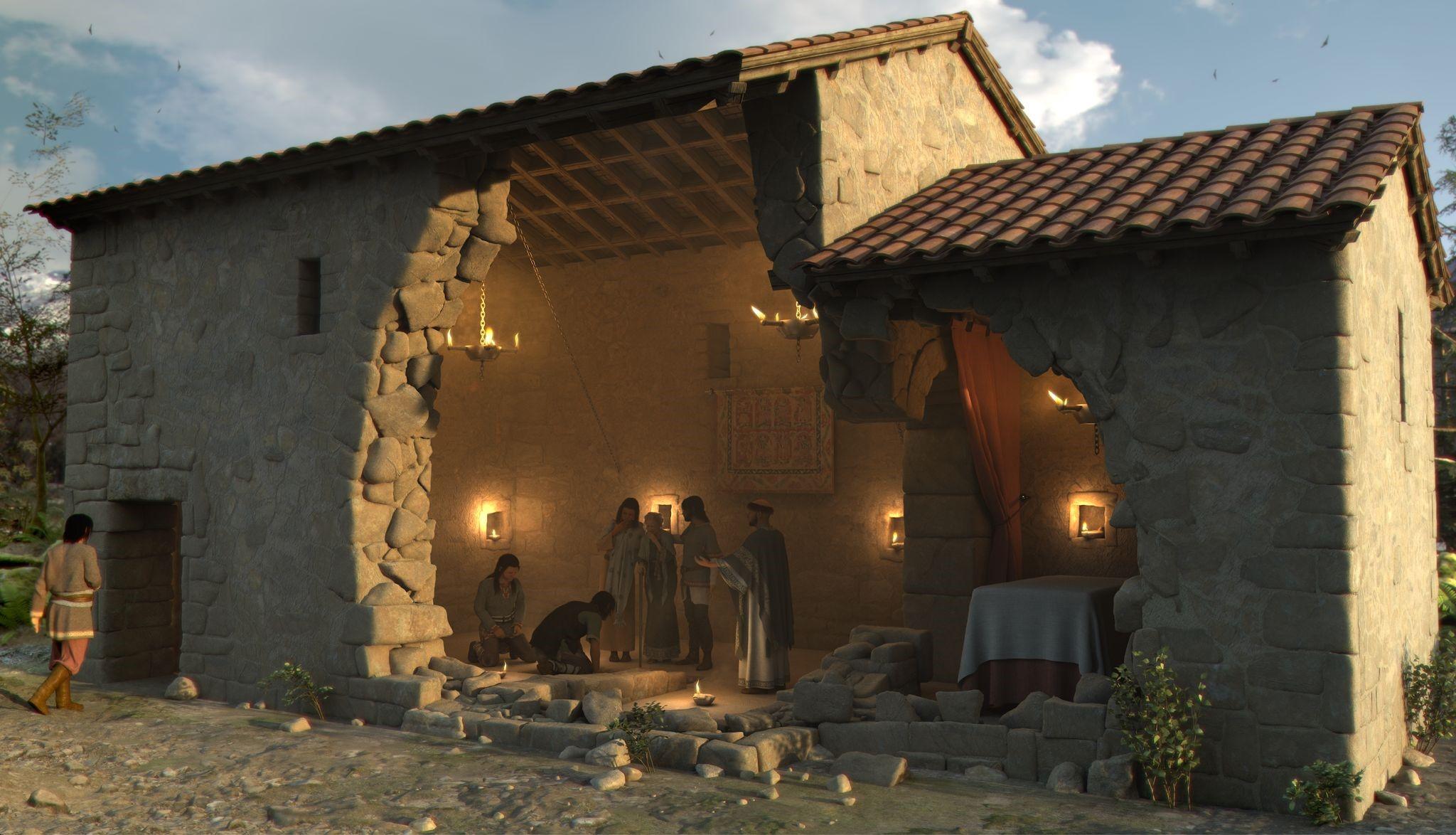
The cemetery layout clearly follows Jewish practice in medieval Catalonia, with simple inhumations, aligned graves, and an ordered plan. Yet the mass graves stand as stark testimony to disaster. Bodies were crowded together without the usual care expected for Jewish burial, suggesting emergency interment following a catastrophic event. Historical records describe the 1348 pogrom when armed men stormed Tàrrega's Jewish quarter, destroying homes and documents while killing an estimated three hundred people.
The archaeological evidence supports these written accounts with brutal clarity. At least one-third of the examined skeletons show injuries consistent with intentional violence, particularly blows to the head that point to deliberate killing rather than epidemic disease. The mass graves represent not gradual accumulation over time, but the archaeological signature of a single, terrible episode of communal violence.
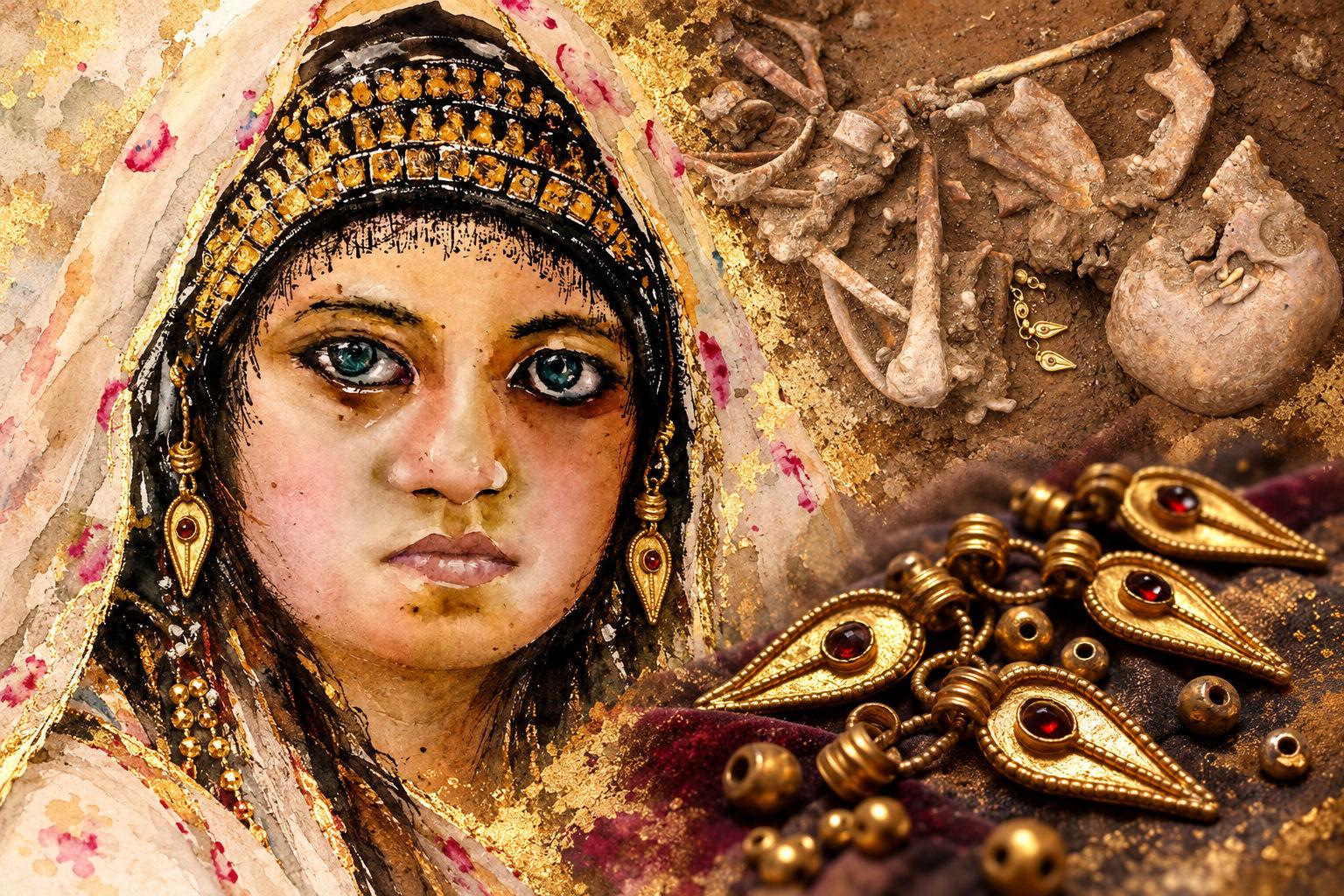
Modern scientific techniques have allowed researchers to extract and analyze DNA from sixteen individuals selected across all mass graves, providing unprecedented insight into who these people were and their place in the medieval Jewish world. The genetic evidence reveals a community with deep Eastern Mediterranean roots characteristic of Jewish populations, combined with local Iberian ancestry accumulated over generations of life in the peninsula.
The DNA analysis confirms these individuals as members of a recognizably Jewish community, genetically distinct from their Christian and Muslim Iberian neighbors. When compared to other medieval Jewish populations from Erfurt, Germany and Norwich, England, the Tàrrega group shows clear genetic affinities with Jewish communities across medieval Europe while maintaining their unique Iberian characteristics.
Maternal lineages, traced through mitochondrial DNA, show remarkable diversity among the Roquetes individuals. Ten different maternal lineages appear among twelve unrelated individuals, including several associated with Jewish populations across Europe and the Mediterranean. Some lineages, like K1a1b1a, appear frequently in Ashkenazi Jewish communities and were also found in the medieval Jewish cemetery at Erfurt. Others, such as M1a1b1c, have roots in the eastern Mediterranean and North Africa, reflecting the complex migration patterns of medieval Jewish communities.
This maternal diversity contrasts sharply with the narrow genetic bottlenecks seen in some northern European Jewish communities, instead resembling the broader patterns characteristic of Sephardic Jewish populations. The variety suggests a well-established community that maintained connections to the wider Jewish diaspora while developing its own local character through centuries of residence in Iberia.
The Y-chromosome analysis of male individuals provides complementary evidence of the community's origins and connections. The paternal lineages include J2a2a, associated with eastern Mediterranean and Levantine populations; E1b1b, found across the Mediterranean and in other medieval Jewish cemeteries; and G1a, with ancient roots in Iran and Anatolia. These lineages collectively point to origins in the eastern Mediterranean region, consistent with Jewish traditions of descent from ancient Near Eastern populations.
The combination of maternal and paternal lineages creates a genetic portrait of a community shaped by ancient origins in the Levant, migration across the Mediterranean world, and eventual settlement in Iberia. Statistical modeling suggests the Roquetes individuals derive approximately two-thirds of their ancestry from ancient Canaanite-like populations and one-third from medieval Iberian Christians, reflecting both continuity with ancient Jewish origins and integration with local populations over centuries.
One of the most revealing aspects of the genetic analysis concerns family relationships within the mass graves. Despite the crowded burials, researchers found no pairs of first or second-degree relatives among the tested individuals. This absence of close family clusters suggests the pogrom targeted the community as a whole rather than specific households, with victims buried en masse as members of a persecuted group rather than as family units.
However, genetic analysis does reveal evidence of endogamy, or marriage within the community. One individual shows extensive runs of homozygosity, indicating his parents shared common ancestors through generations of marriage within a relatively closed circle. This pattern suggests a tight-knit community that maintained its distinctiveness through preferential marriage within Jewish circles while remaining embedded in the broader life of Tàrrega.
When placed in broader context through comparison with other ancient and medieval populations, the Roquetes individuals cluster genetically with Jewish groups rather than their non-Jewish Iberian contemporaries. They show particular affinities with Turkish Jews, Italian Jews, and Ashkenazi populations, while remaining distinct from Christian and Muslim Iberian groups of the same period.
These genetic connections illuminate the medieval Jewish world as a network of related but distinct communities stretching from England to the eastern Mediterranean. The Roquetes cemetery represents one node in this network, a community that maintained its Jewish identity and genetic distinctiveness while adapting to life in medieval Catalonia.
The study exemplifies how modern scientific techniques can illuminate historical events with unprecedented precision. DNA extraction from medieval bones required careful laboratory procedures to distinguish authentic ancient genetic material from environmental contamination. Researchers used specialized techniques to capture human DNA from samples where less than one percent of genetic material was originally human, with the remainder coming from soil bacteria and other environmental sources.
Authentication of ancient DNA relied on characteristic damage patterns that accumulate over centuries, confirming the medieval age of the genetic material. The integration of genetic data with archaeological evidence and historical records creates a multidisciplinary approach that brings new depth to understanding medieval Jewish life and its tragic interruption by persecution.
The Roquetes necropolis provides the first genome-wide data from a medieval Jewish community in the Iberian Peninsula, filling a crucial gap in understanding Sephardic Jewish origins. The genetic evidence confirms the historical accounts of the 1348 pogrom while revealing the deep roots and complex ancestry of Tàrrega's Jewish community.
The cemetery serves as both memorial and historical document, preserving evidence of a vibrant community that would face even greater challenges in the following century. The expulsion of Jews from Spain in 1492 scattered Sephardic communities across the Mediterranean world, making the Roquetes cemetery a precious snapshot of Iberian Jewish life before this final catastrophe.
Through careful excavation and genetic analysis, the article restores individual identities to victims of medieval persecution, showing how scientific techniques can give voice to the voiceless and illuminate moments of historical tragedy with new clarity and precision. The mass graves at Roquetes stand as testimony not only to medieval antisemitism but also to the resilience and continuity of Jewish communities across centuries of diaspora life.
Original source: https://doi.org/10.3390/genes17030358
Comments