Roman Military Border Community as a Biomolecular Melting Pot on the Lower Rhine
– 5 min read


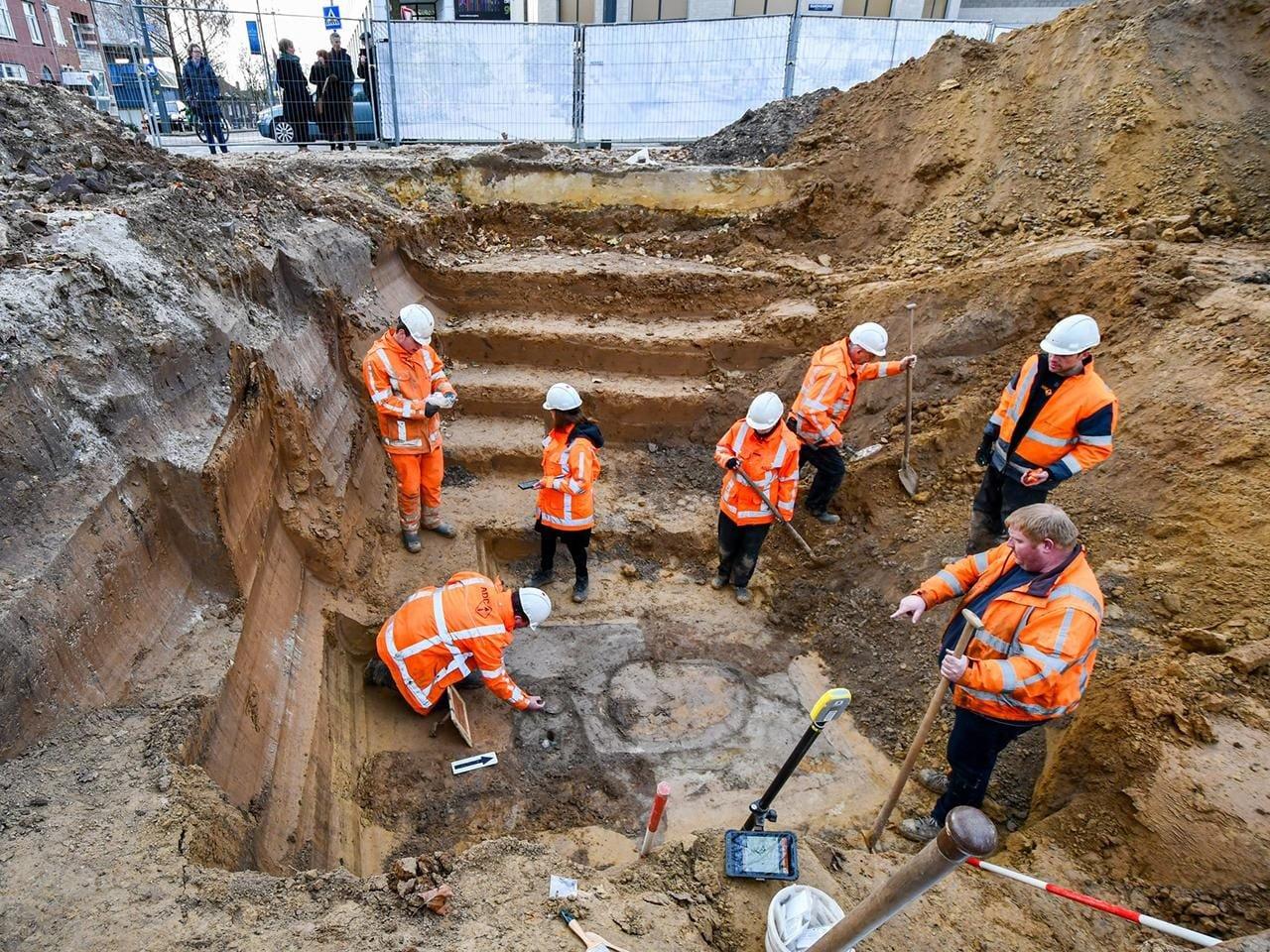
The archaeological site at Praetorium Agrippinae, located at modern Valkenburg in South Holland, reveals the Roman Empire's northwestern frontier as far more than an isolated military outpost. This extensive excavation has uncovered one of the largest Roman-period cemeteries in the Lower Rhine region, containing 501 cremations and 124 inhumations spanning three centuries of occupation from the 1st to 3rd centuries CE. Far from being a homogeneous garrison, the site emerges as a bustling, diverse community where soldiers, women, children, laborers, and travelers from across Europe lived and died together.
For centuries, history has been told through artifacts and chronicles. Now, DNA gives us a different kind of evidence — one that speaks from within. Learn how your genetic story connects to the ancient world at MyTrueAncestry.com.
Praetorium Agrippinae served as a crucial hub in the Roman military network along the Lower Rhine Limes, the fortified frontier line that marked the empire's northern boundary. The waterlogged conditions of the Dutch delta have preserved an extraordinary array of organic materials including wood, leather, and metal artifacts that illuminate daily life on the frontier. Among these finds are children's toys, infant feeding vessels, and household implements that speak to the presence of families rather than a purely military installation.
The cemetery itself represents an exceptional archaeological resource, with its combination of cremation and inhumation burials providing insights into a complex, multicultural community. The sheer scale of the burial ground suggests a substantial and long-lived population that included not just soldiers but entire households and support networks.
The archaeological record reveals a community that defies the stereotype of an all-male military garrison. Excavations have uncovered numerous burials of neonates and infants, often accompanied by miniature vessels and toys that speak to childhood and family life on the frontier. Many adult skeletons show evidence of heavy physical labor, suggesting a diverse working population that included craftsmen, laborers, and service providers essential to the functioning of a frontier base.
The presence of women and children is further evidenced by the variety of burial practices and grave goods found throughout the cemetery. This was clearly a settlement where households formed, children were raised, and daily routines unfolded within the protective walls of the frontier fortifications.
The Valkenburg cemetery demonstrates remarkable diversity in funerary practices, reflecting the multicultural nature of the community rather than a simple division between locals and soldiers. The cremation burials show particular variety, ranging from elaborate bustum graves where bodies were burned directly over the burial pit, to simple urn burials and carefully cleaned bone deposits. This spectrum of practices suggests different traditions, resources, and social positions within the community.
Of particular interest are the bustum-type graves, where funeral pyres were constructed directly above the grave pit, allowing the burned remains to fall directly into the burial chamber below. This dramatic ritual, often associated with military traditions, appears frequently at Valkenburg, with 46 classic bustum graves identified among the cremations. The practice demonstrates both the military character of the settlement and the resources available for elaborate funeral ceremonies.
Modern scientific techniques have revolutionized our understanding of this frontier community. Analysis of ancient DNA from 30 individuals, combined with isotopic studies of teeth and bones, reveals the extraordinary mobility and geographic diversity of the Valkenburg population. Most individuals show genetic ancestry typical of western Europeans, but significant outliers include a young man whose DNA clusters with modern Greek populations and an adolescent whose genetic signature points to the Baltic region around modern Estonia.
The isotopic evidence is equally revealing. By analyzing strontium and oxygen signatures in tooth enamel, researchers can determine where individuals spent their childhood years. Almost 40% of the inhumed individuals show clear evidence of movement during their early years, with isotopic signatures that point to origins far from the Lower Rhine. The cremated individuals, whose bones reflect their final years of life, show equally diverse strontium values, indicating that mobility was common throughout the community.
Perhaps most remarkably, genetic analysis reveals no close family relationships among the studied individuals. No parents and children, siblings, or even cousins up to the fifth degree were identified within the cemetery population. This absence of kinship ties reinforces the picture of Valkenburg as a gathering place for unrelated individuals drawn together by military service, economic opportunity, and the logistics of frontier life rather than family connections.
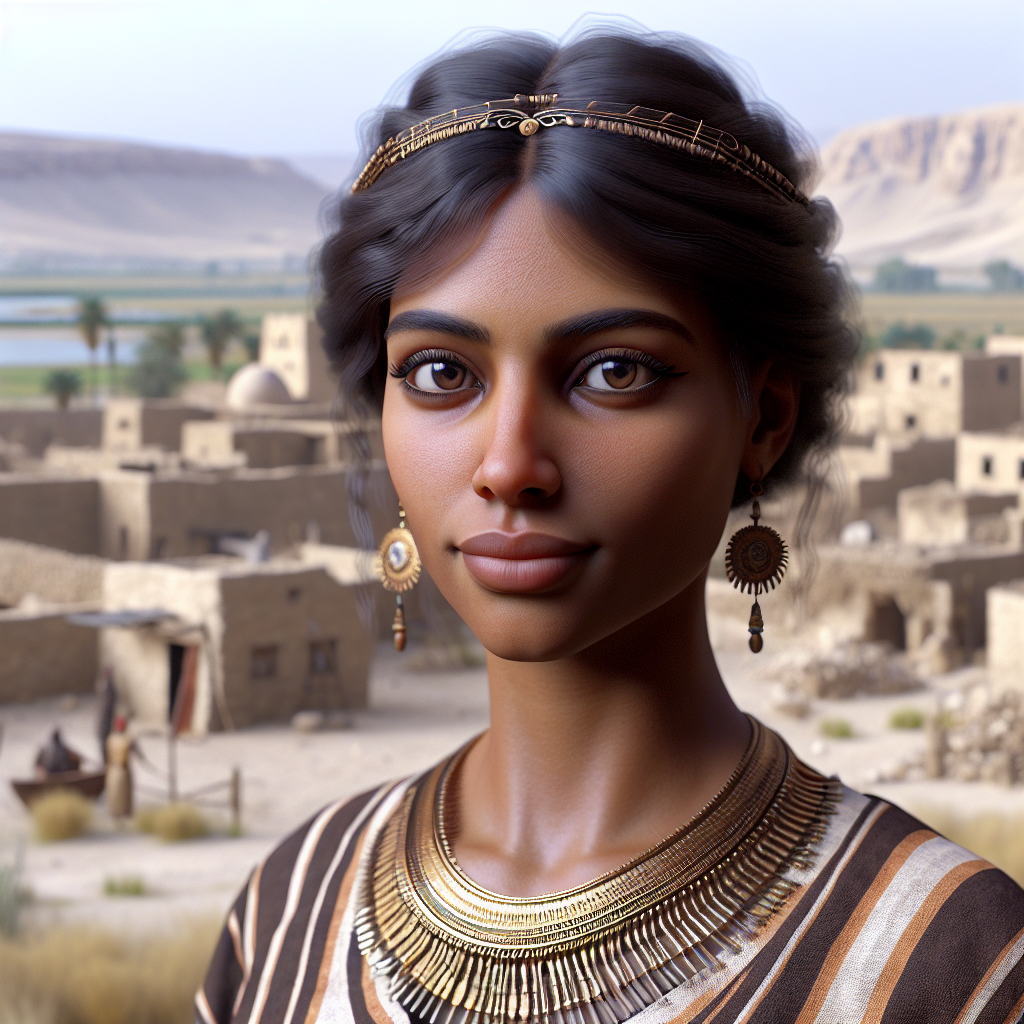
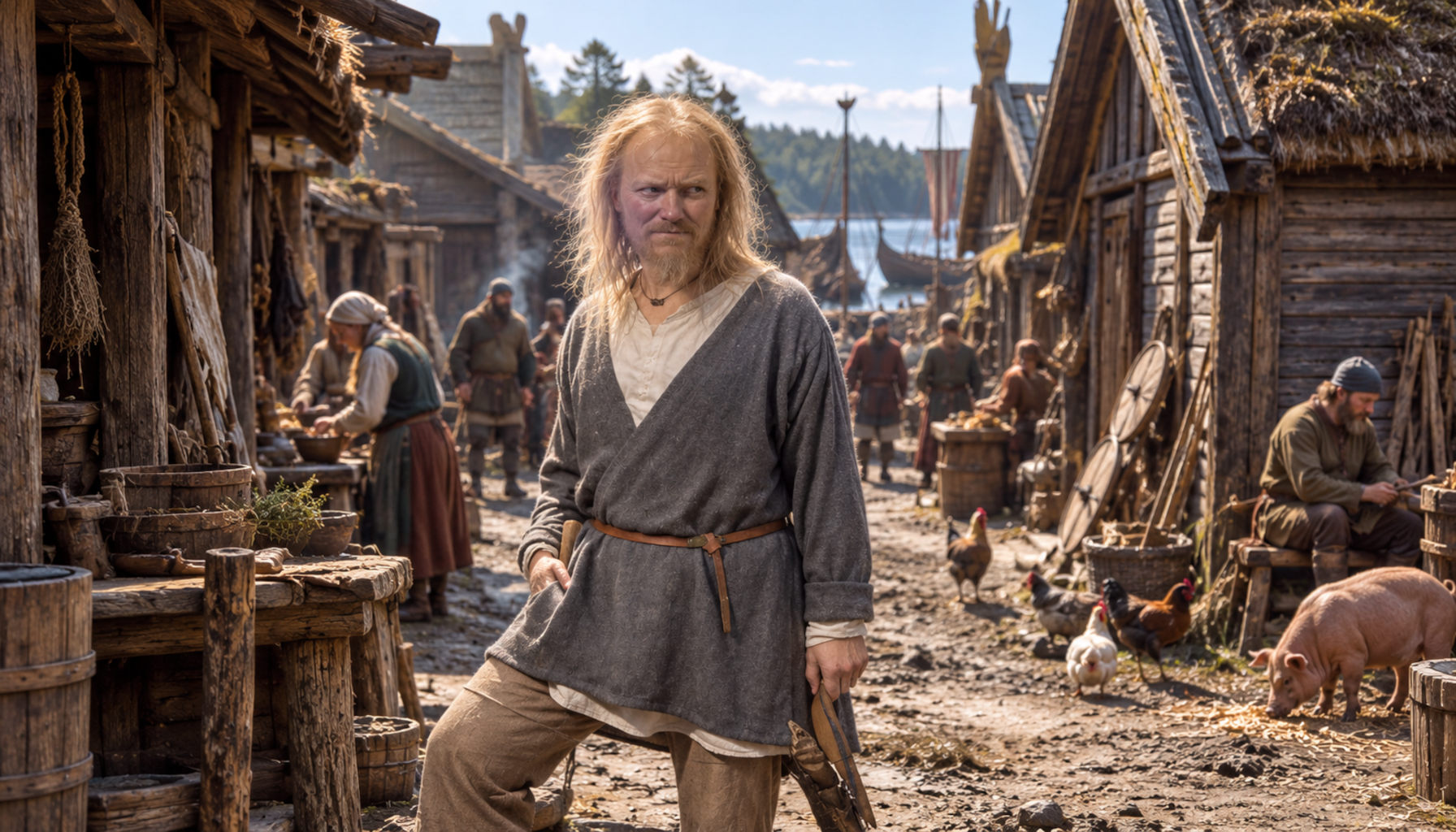
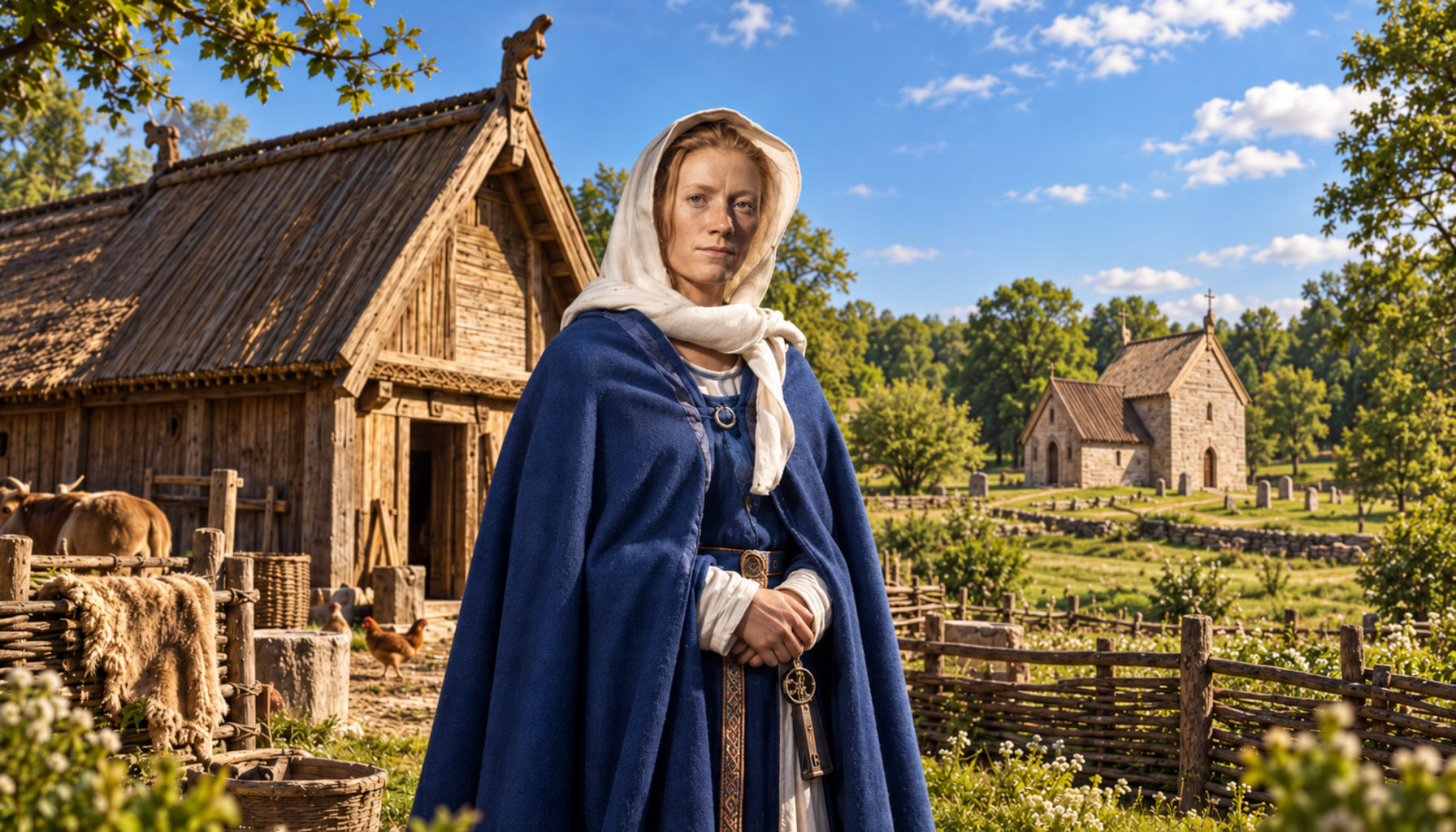
DNA analysis has also made possible the reconstruction of likely physical appearances for many individuals. Using genetic markers associated with pigmentation, researchers have predicted eye, hair, and skin color patterns that reveal the visual diversity of the frontier community. The Greek-clustering individual likely had intermediate skin tone, dark eyes, and brown hair, while the Estonian-linked adolescent probably displayed pale skin, blue eyes, and blond hair typical of northern European populations.
The broader community included individuals with brown eyes and brown hair, but also those with pale skin and even red hair. This reconstruction brings the cemetery to life as a place where people of markedly different appearances would have walked the same streets, shared the same facilities, and participated in the same community activities along the Rhine frontier.
The cemetery reveals clear evidence of social stratification within the frontier community. While cremation burials often show evidence of significant investment in funeral ceremonies and grave goods, many of the inhumation burials are notably simple. The inhumed adults frequently show skeletal evidence of heavy physical labor and were buried with minimal grave goods, suggesting they may represent a lower-status segment of the population including laborers, dependents, and marginal figures.
This social differentiation does not correlate with geographic origins, however. Both high-status cremated individuals and lower-status inhumed persons show evidence of mobility and diverse origins. The Estonian adolescent, despite his exotic origins, was buried in a simple grave typical of the working population, suggesting that status within the community was determined by factors other than ethnic or geographic background.
The combined evidence from archaeology, DNA analysis, and isotopic studies presents Praetorium Agrippinae as a dynamic, constantly changing community. Over its three centuries of operation, the settlement served as a meeting point for people from across the Roman world and beyond. Soldiers, craftsmen, traders, families, and camp followers converged on this northern frontier, creating a truly cosmopolitan community at the edge of the empire.
The absence of close family networks and the evidence for widespread mobility suggest a population in constant flux, with individuals arriving and departing as military needs, economic opportunities, and personal circumstances dictated. This was not a static garrison but a living, breathing community that adapted and evolved with the changing demands of frontier life.
The Valkenburg cemetery thus serves as a unique window into Roman frontier society, demonstrating how military installations functioned as melting pots that brought together people from diverse backgrounds and created new forms of community identity. The scientific analysis of human remains has transformed our understanding of these borderland settlements, revealing them not as isolated outposts but as vibrant, multicultural communities that embodied the diversity and dynamism of the Roman Empire itself.
Original source article: https://doi.org/10.21203/rs.3.rs-8699464/v1
Discover how your DNA connects to ancient civilizations at www.mytrueancestry.com.
Comments