The House of Vauloger
– 3 min read


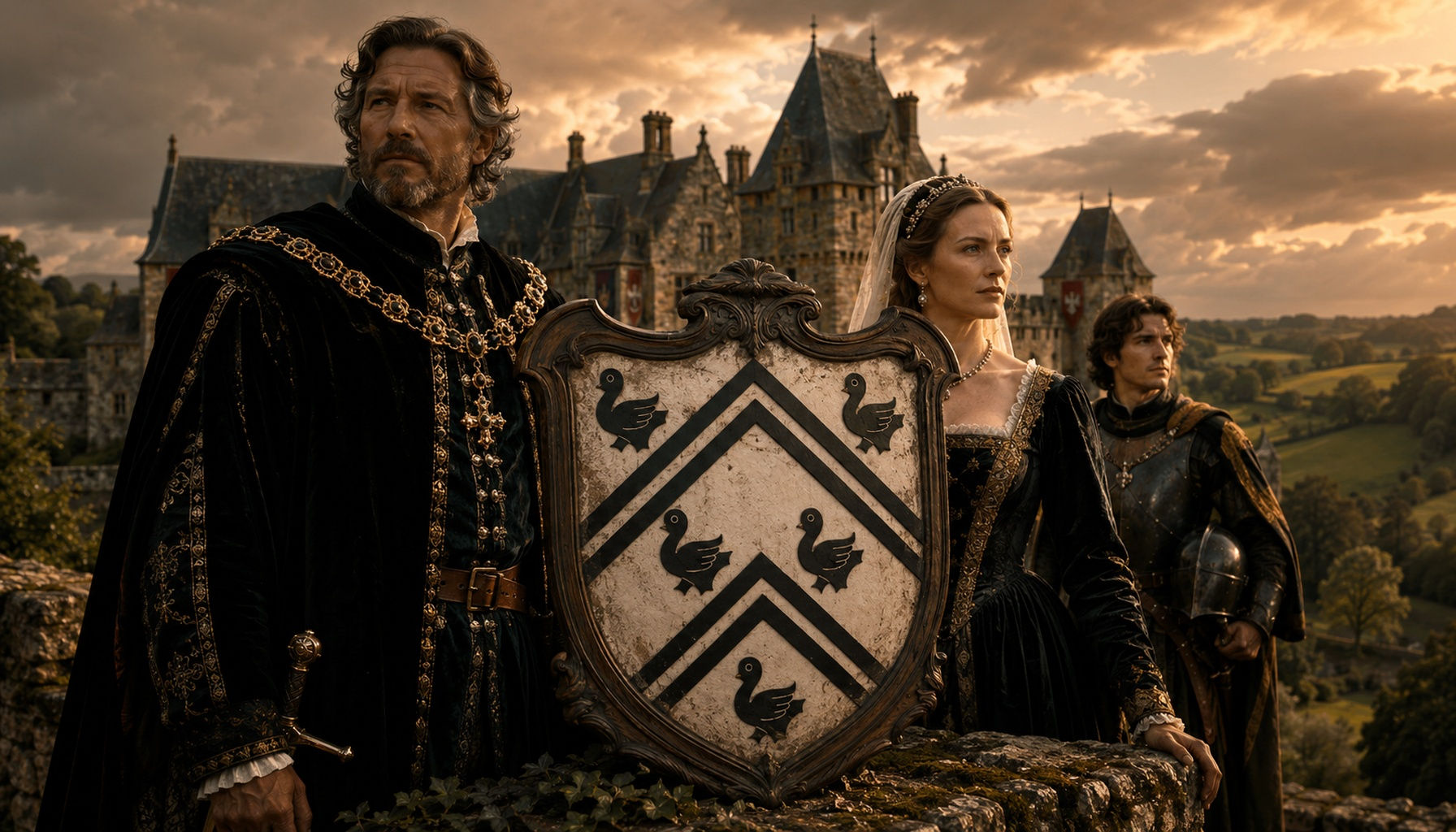
The House of Vauloger was a French noble family rooted in provincial lordship, estate continuity, heraldry, and the long memory of landholding society. Their name has all the marks of a place-based lineage, the sort of family identity that grew directly out of a seigneurial landscape and stayed tied to it across generations. In that very French way, the family was not simply a surname but a local power, defined by property, service, alliances, and recognition among neighboring nobles. In genetic tagging terms, the primary family haplogroup linked here is R1b1a1b1a1a2c1a6, a branch associated more broadly with western European paternal history.
Historically, the Vauloger pattern is familiar and revealing: a regional noble house whose importance lay not in ruling a kingdom, but in enduring. Families like this held their place through careful marriages, obligations to crown or province, military and administrative roles, and above all through the preservation of ancestral rights and symbols. By the 15th century, figures such as Jean III de Vauloge, noted in 1450, stand as reminders that the family belonged to that durable stratum of French nobility whose history was written not only in grand national events, but in charters, estates, chapels, and remembered descent.
Explore the House of Villeneuve
The clearest geographical anchor for the family is the Chateau de Vauloge, in the Sarthe department of western France, not far from Le Mans, within the old historical world of Maine. The present chateau is known as a Renaissance-style country house, with a setting that still conveys the social grammar of noble France: a landed residence, water, grounds, and the visual language of status without the scale of a royal palace. The site reflects exactly the kind of provincial aristocratic continuity that gave families such as the Vauloger their staying power. It is not hard to imagine the house functioning as both residence and statement, a place where lineage, authority, and memory were made visible. The chateau is also known today as a heritage site and hospitality venue, so yes, it can still be visited in a modern sense, which makes it a rare pleasure: not merely a name in an archive, but a surviving place in the landscape.
Explore the House of Montmorency
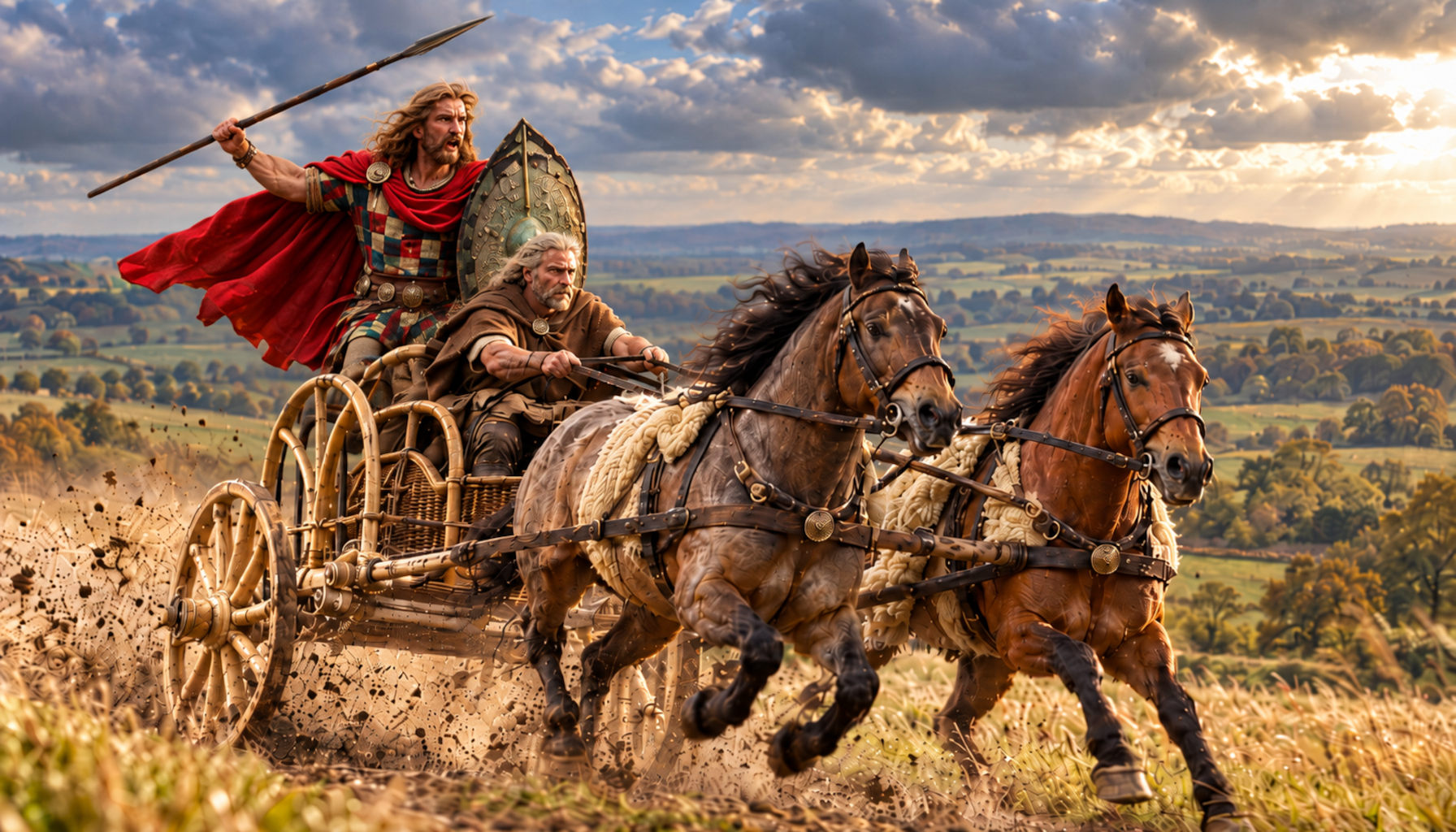
The Vauloger family's primary haplogroup tag here is R1b1a1b1a1a2c1a6. That does not prove direct descent from any specific excavated individual, and it is important not to pretend otherwise. What it does offer is a wider paternal backdrop linking the family to ancient and medieval men from western and Atlantic Europe, and beyond, who carried related lineages. Among the linked ancient DNA samples are several Celtic Durotriges individuals from Duropolis at Winterborne Kingston in England, including WBK12, WBK20, WBK29, WBK41, WBK05, WBK30, WBK43, WBK06, WBK08, WBK18, and WBK191, along with Roman Era Cambridge Vicars Farm sample VIC016, Dark Ages and Medieval Las Gobas samples from northern Spain, Gallic-associated samples from France and Italy, Pict-era and Bronze Age individuals from Orkney and northern Britain, Belgic Suessiones-linked material from Bucy-le-Long in France, and a long spread of Iron Age, Roman, early medieval, and medieval samples across Britain, Iberia, France, Belgium, Germany, Ireland, Scandinavia, and central Europe. In plain English, this is the sort of lineage cluster that sits comfortably inside the deep story of western European male ancestry, especially in regions shaped by Bell Beaker, Celtic, Roman, and post-Roman population history.
Read about ancient DNA and Celtic origins
If the House of Vauloger speaks to your own family story, the interesting question is not whether one can romantically leap straight into noble descent, but whether your DNA shows connections to the same deeper population history. Uploading your DNA can help you explore whether you match the House of Vauloger, its haplogroup context R1b1a1b1a1a2c1a6, or related ancient DNA samples from Celtic, Roman, and medieval Europe.
Comments