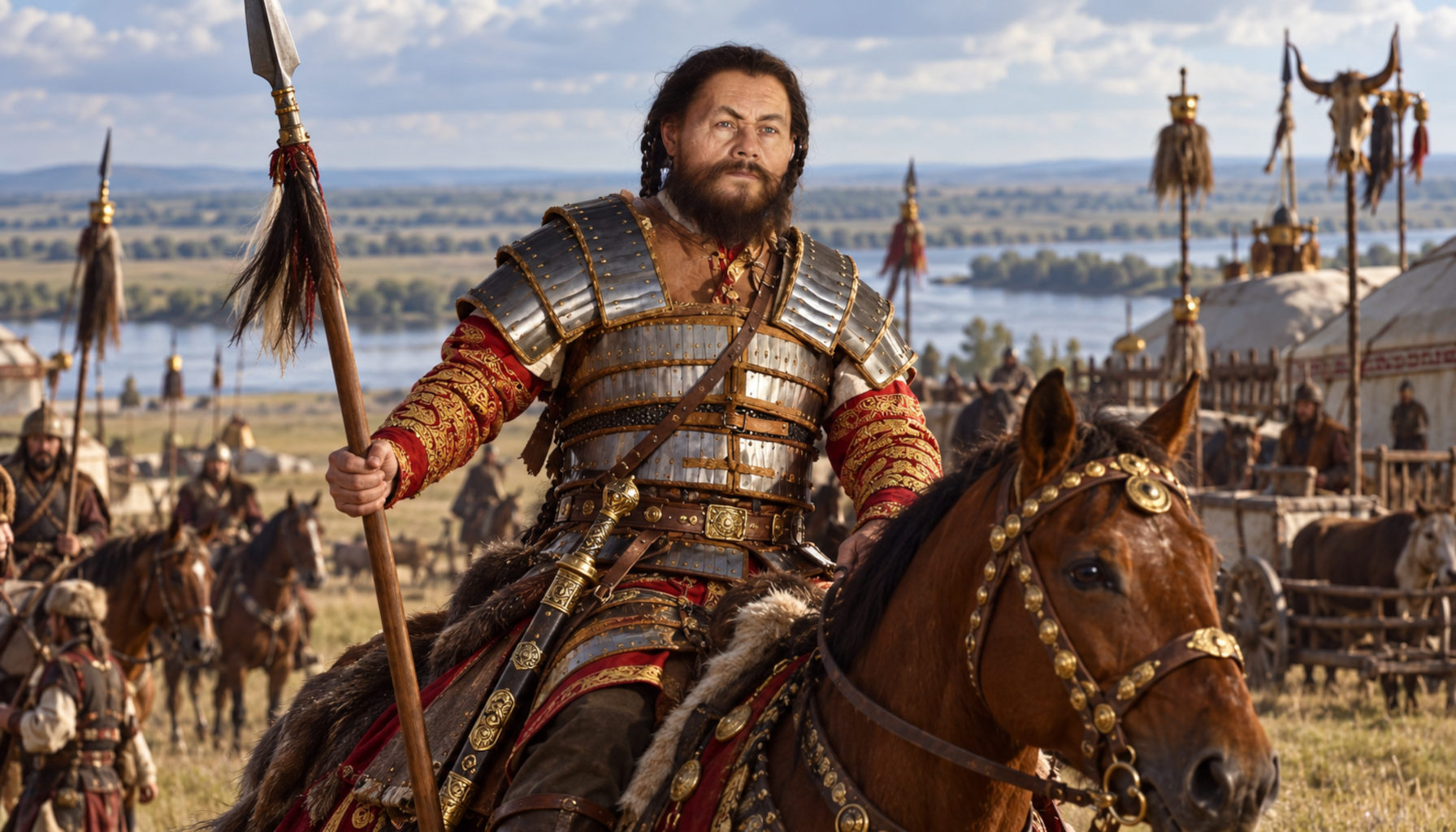
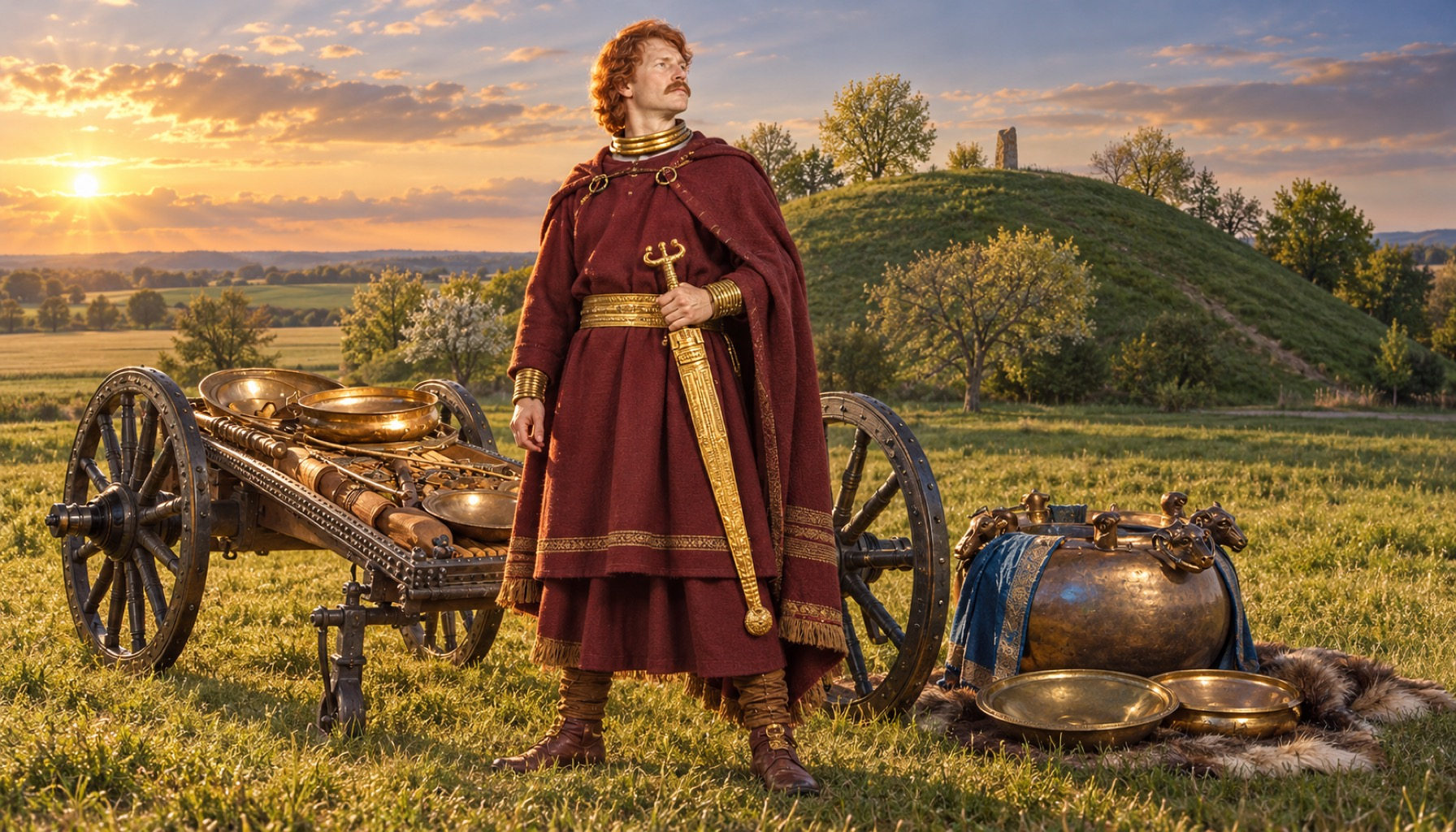
Haplogroups and Noble Lines Avar Elite Warrior of Carpathia In about AD 650, in the Carpathian Basin of present-day Hungary, a high-ranking Avar warrior was laid to rest with the unmistakable signals of power. Known to ancient-DNA research as sample A1801, he has been interpreted as a member of the elite retinue surrounding the khagan, the ruler of the By Jamie L • 5 min read
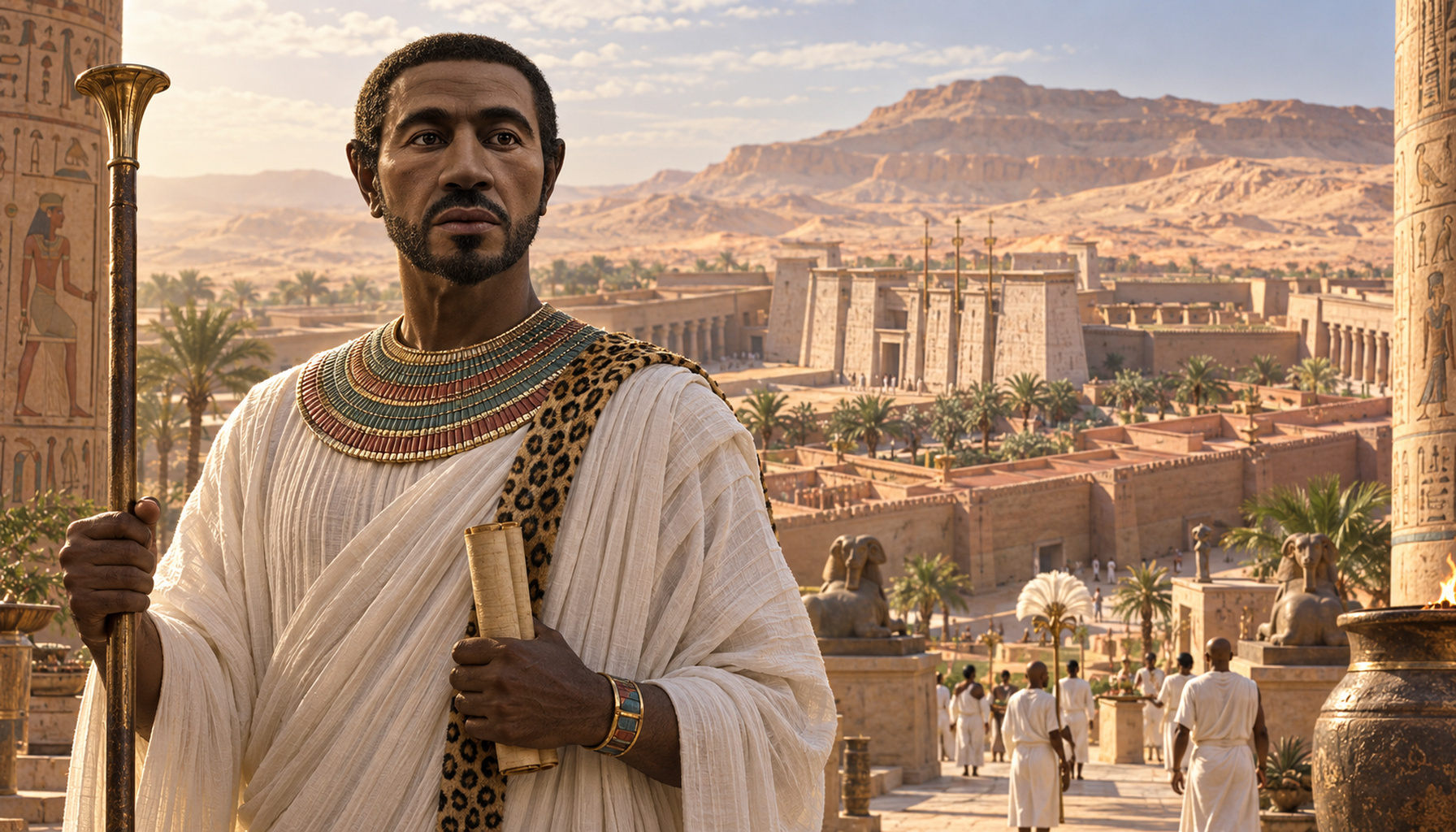
Haplogroups and Noble Lines Khnum-Nakht Egyptian Priest Khnum-Nakht was a high-status Egyptian priest of the Middle Kingdom, living around 1800 BC in Middle Egypt, a world of provincial elites, temple offices, careful funerary preparation, and deeply local religious identities. His inscriptions connect him to the cult of Khnum, the ram-headed creator god, and to ancient Shashotep, while By Jamie L • 4 min read
Haplogroups and Noble Lines The Gladiator from the Near East The man often called the Headless Gladiator from the Near East was buried in Roman York, ancient Eboracum, around the middle of the 3rd century AD. He is known to researchers as sample 3DRIF-26, and he matters because his bones and his DNA together illuminate something the Roman Empire was By Jamie L • 5 min read
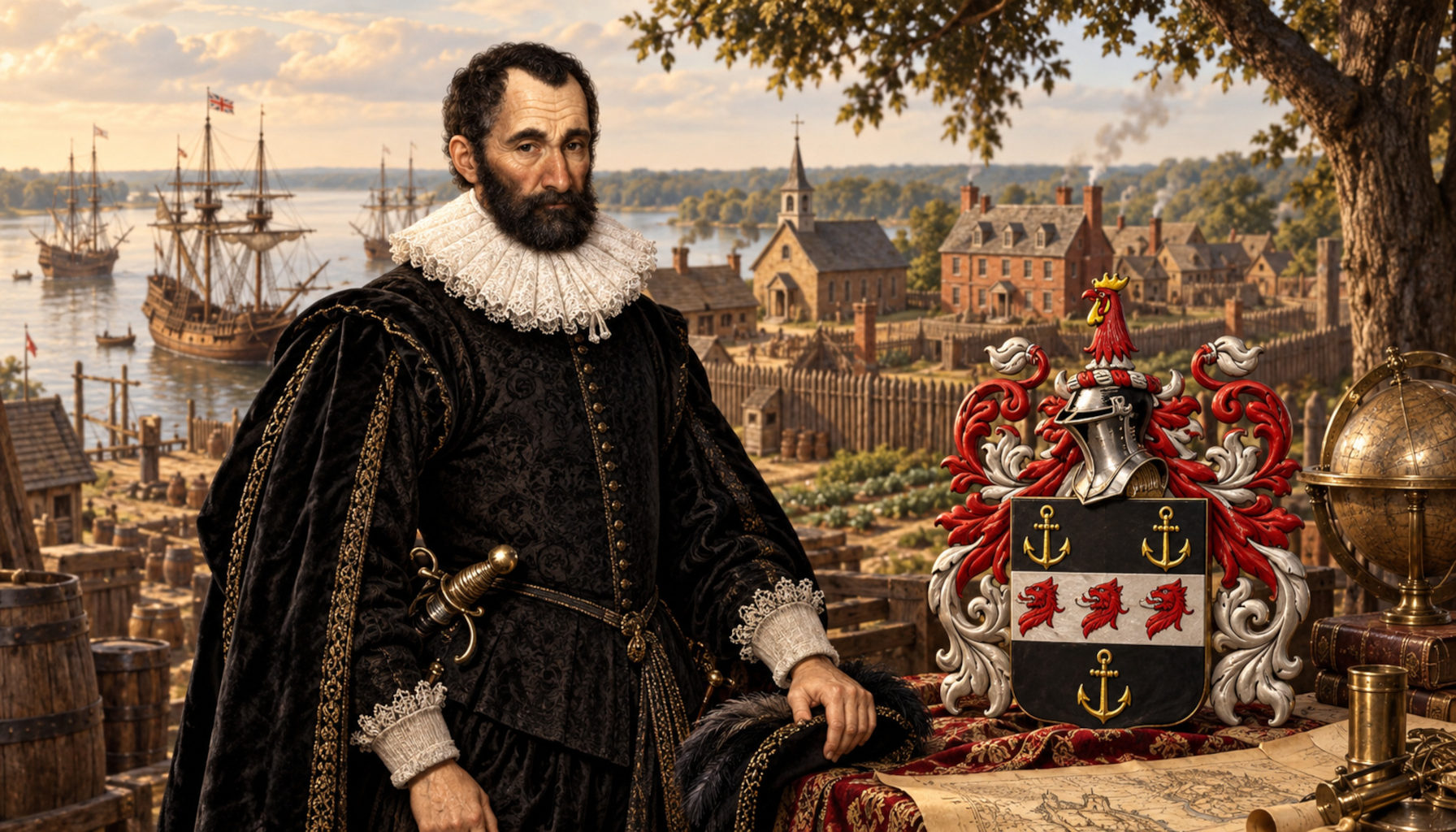
Haplogroups and Noble Lines Sir Ferdinando Wainman Sir Ferdinando Wainman belongs to that dramatic, precarious moment when England was trying, and often failing, to plant itself in North America. He was an English knight and military officer who arrived at Jamestown in June 1610 with his cousin Thomas West, Lord De La Warr, the newly appointed governor By Jamie L • 5 min read
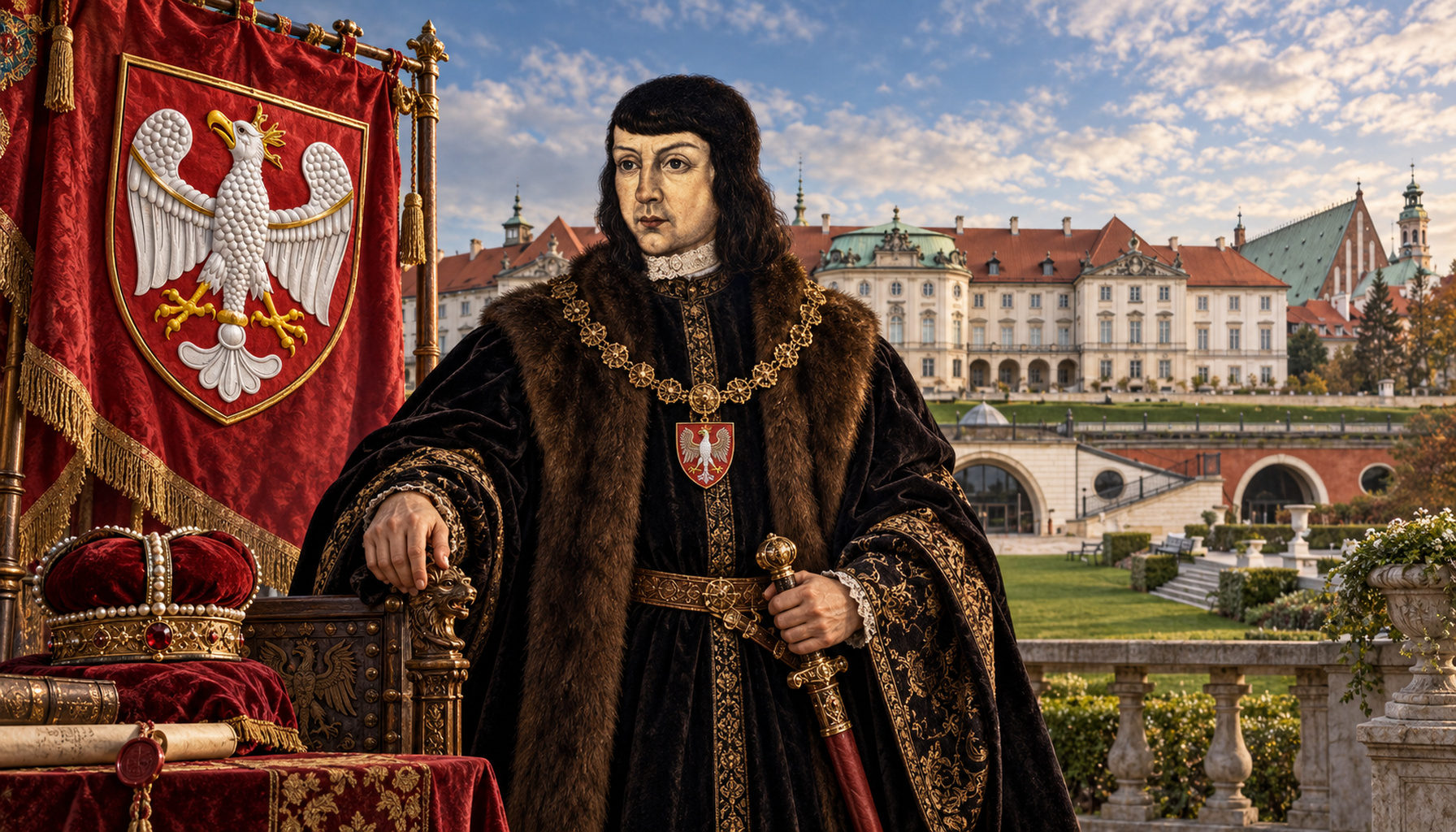
Haplogroups and Noble Lines Janusz III of Masovia Janusz III of Masovia stands at one of those awkward but fascinating points in history where an old dynasty does not so much explode as quietly run out of road. He was Duke of Masovia in the early 16th century, the last male representative of the Masovian branch of the By Jamie L • 5 min read
Haplogroups and Noble Lines Hochdorf Prince The Hochdorf Prince was buried near modern Eberdingen-Hochdorf in southwestern Germany around 530 BC, in the heart of the early Celtic world usually associated with the Hallstatt culture. He matters because his grave is not merely rich; it is one of those archaeological discoveries that makes one stop and stare. By Jamie L • 5 min read
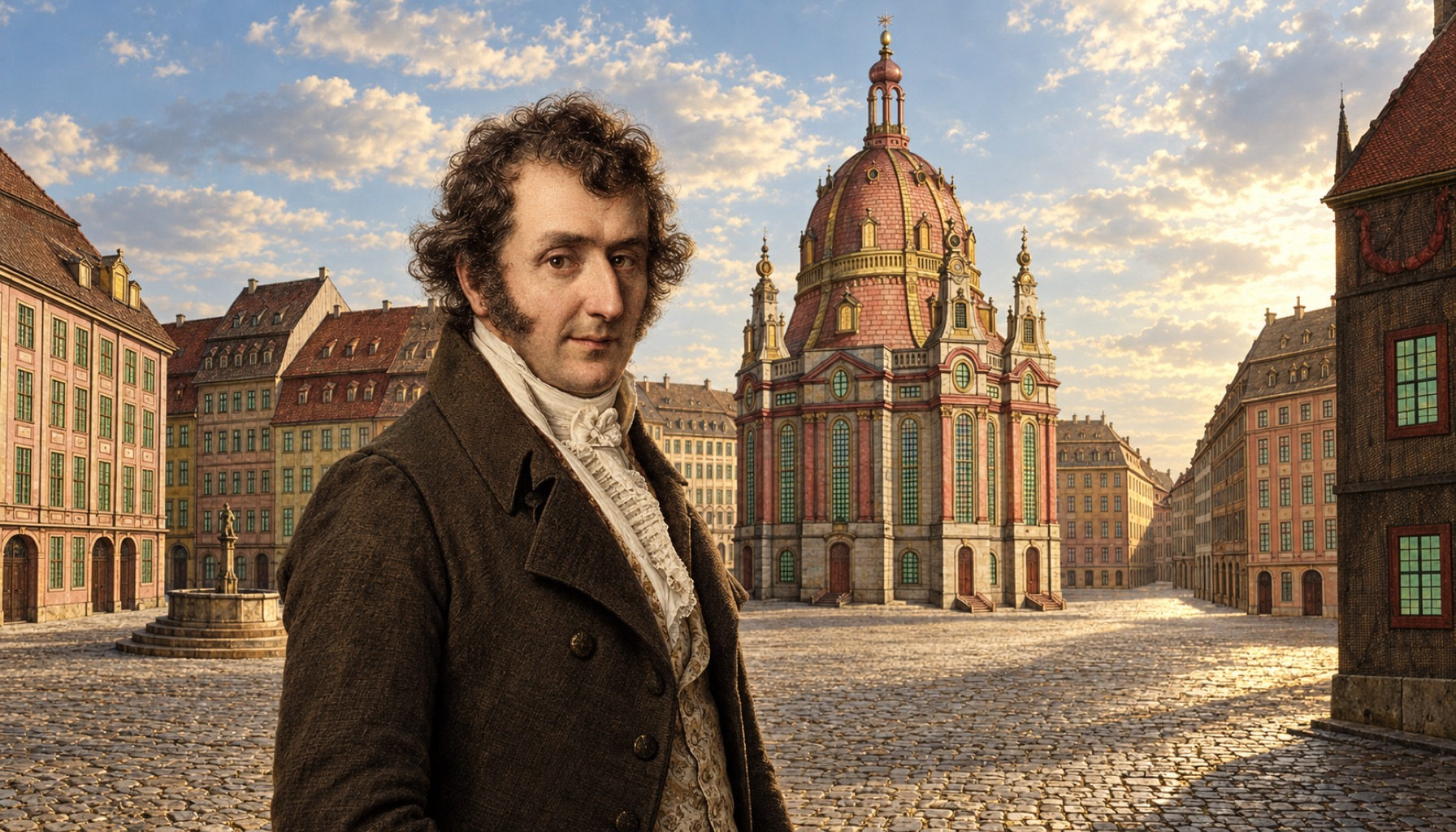
Haplogroups and Noble Lines George Bähr George Bähr was one of those figures who shaped a city so completely that his work became part of its identity. Born in Saxony in 1666, he rose from practical training as a carpenter and builder to become one of the most important German Baroque architects of his age. His By Jamie L • 5 min read
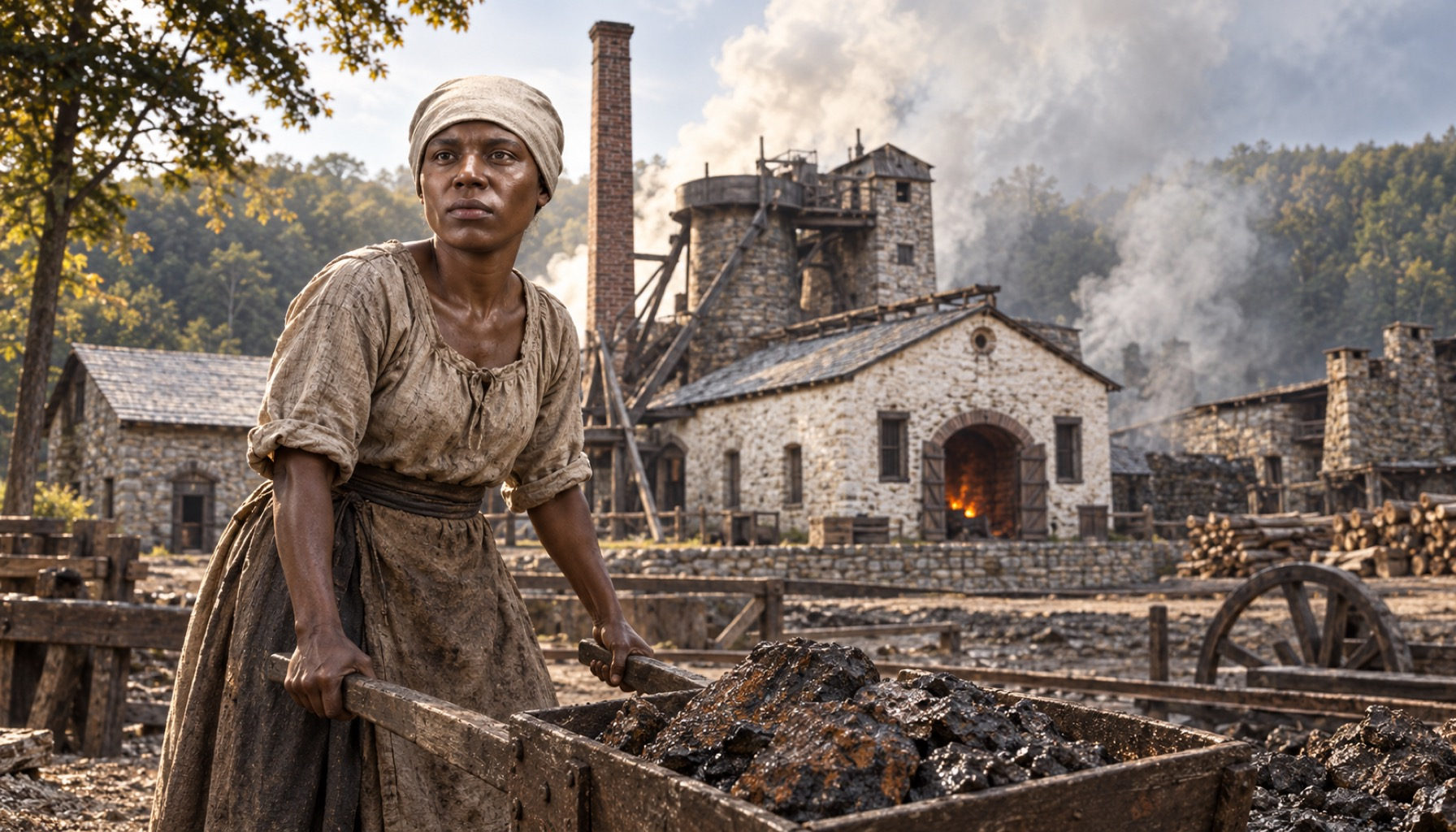
Haplogroups and Noble Lines Catoctin Furnace Victim The woman often called the Catoctin Furnace Woman was an enslaved African American woman who lived and died in industrial Maryland around the beginning of the 19th century, probably close to 1810. She belonged to the community at Catoctin Furnace, an ironworks in Frederick County that helped supply a young By Jamie L • 5 min read
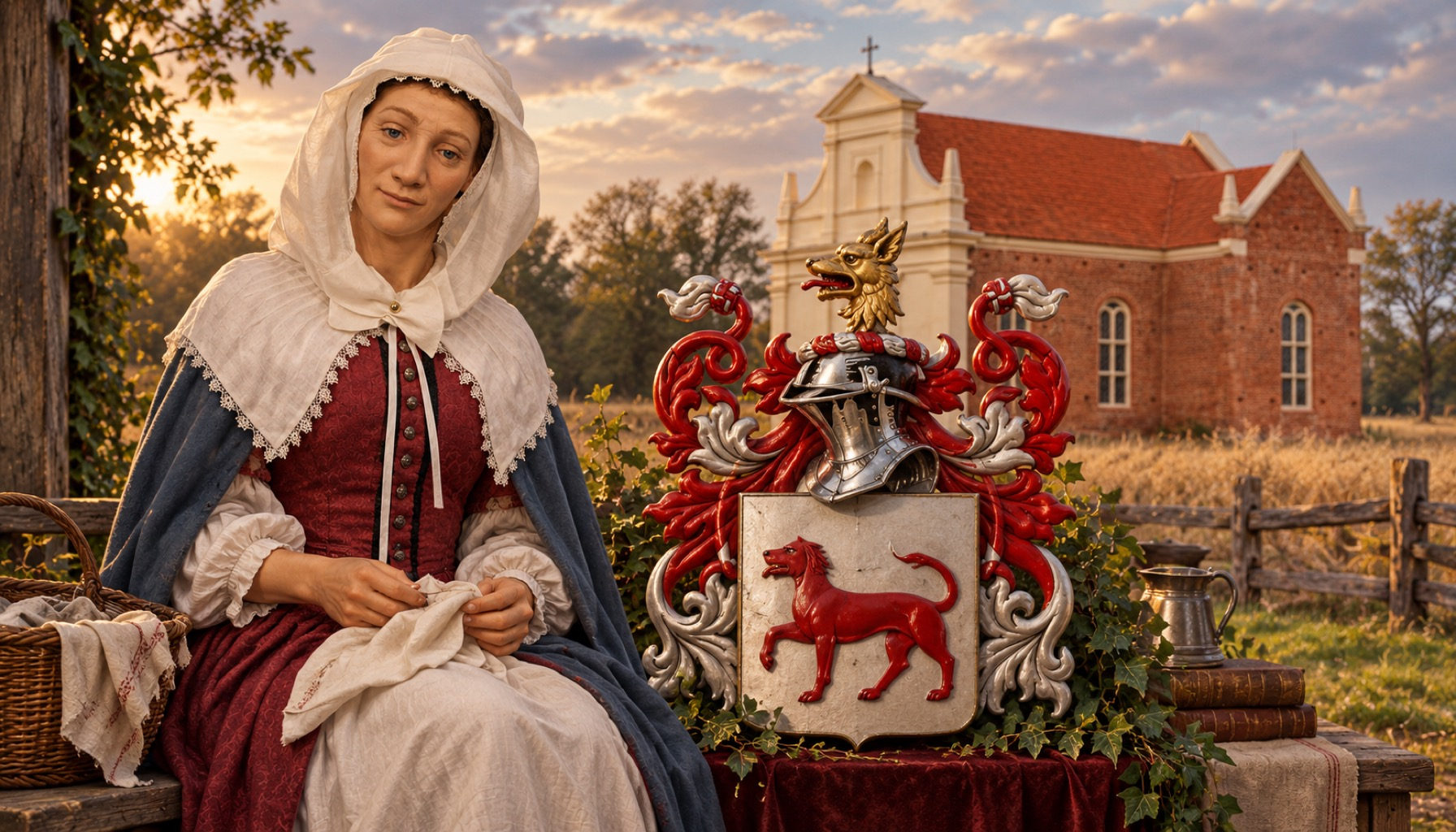
Haplogroups and Noble Lines Anne Wolseley Calvert Anne Wolseley Calvert was an English gentlewoman of the seventeenth century who became part of the ruling family of colonial Maryland through her marriage to Philip Calvert. Born into the prominent Wolseley family of Staffordshire, she belonged to the sort of well-connected English world in which kinship, confession, land, and By Jamie L • 5 min read
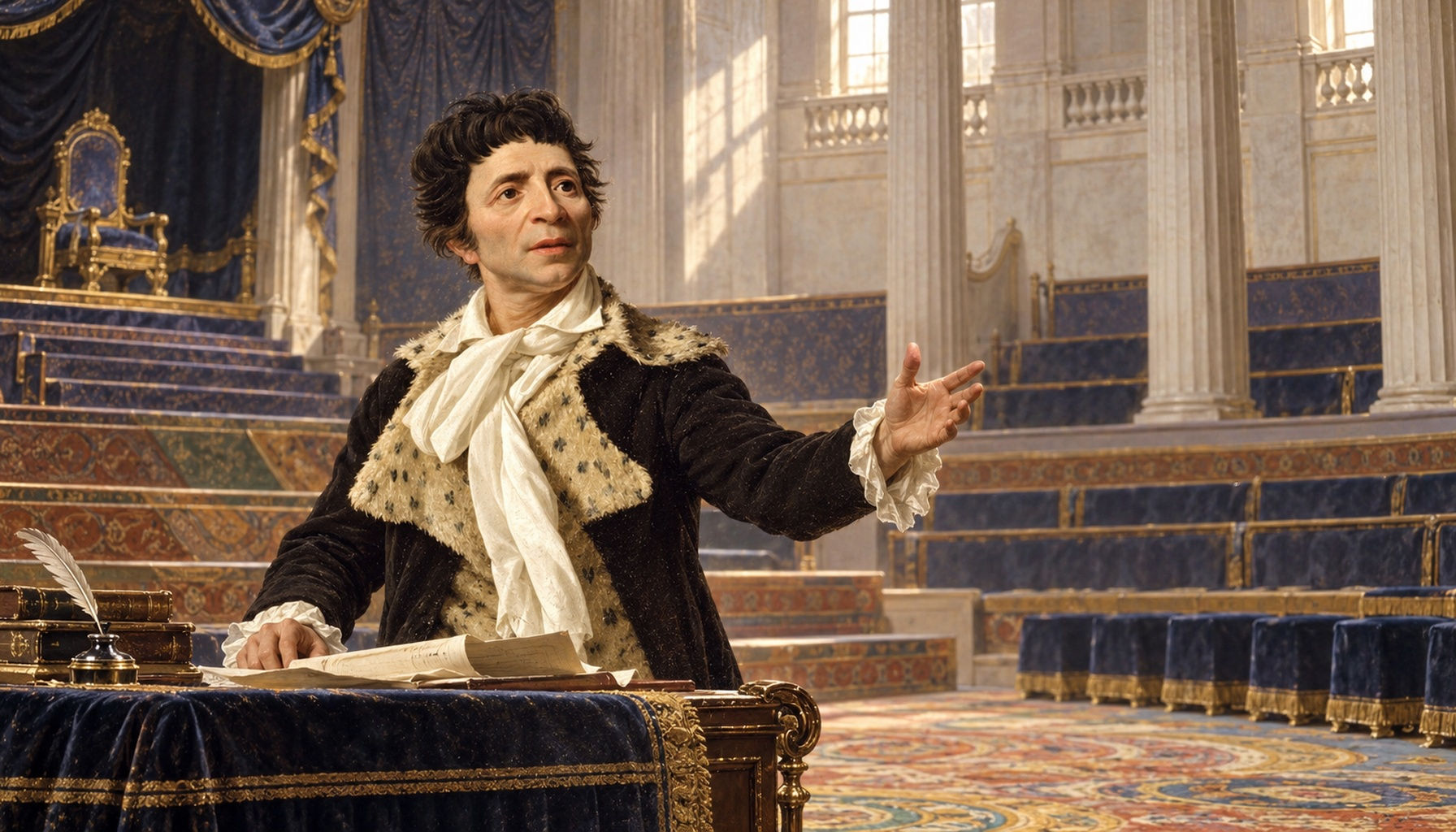
Haplogroups and Noble Lines Jean-Paul Marat Jean-Paul Marat was one of the most combustible figures of the French Revolution: physician, man of science, journalist, deputy, agitator, and, after his violent death in 1793, martyr. Born in the eighteenth century and active in the great political unravelling of Bourbon France, he mattered not because he commanded armies By Jamie L • 5 min read
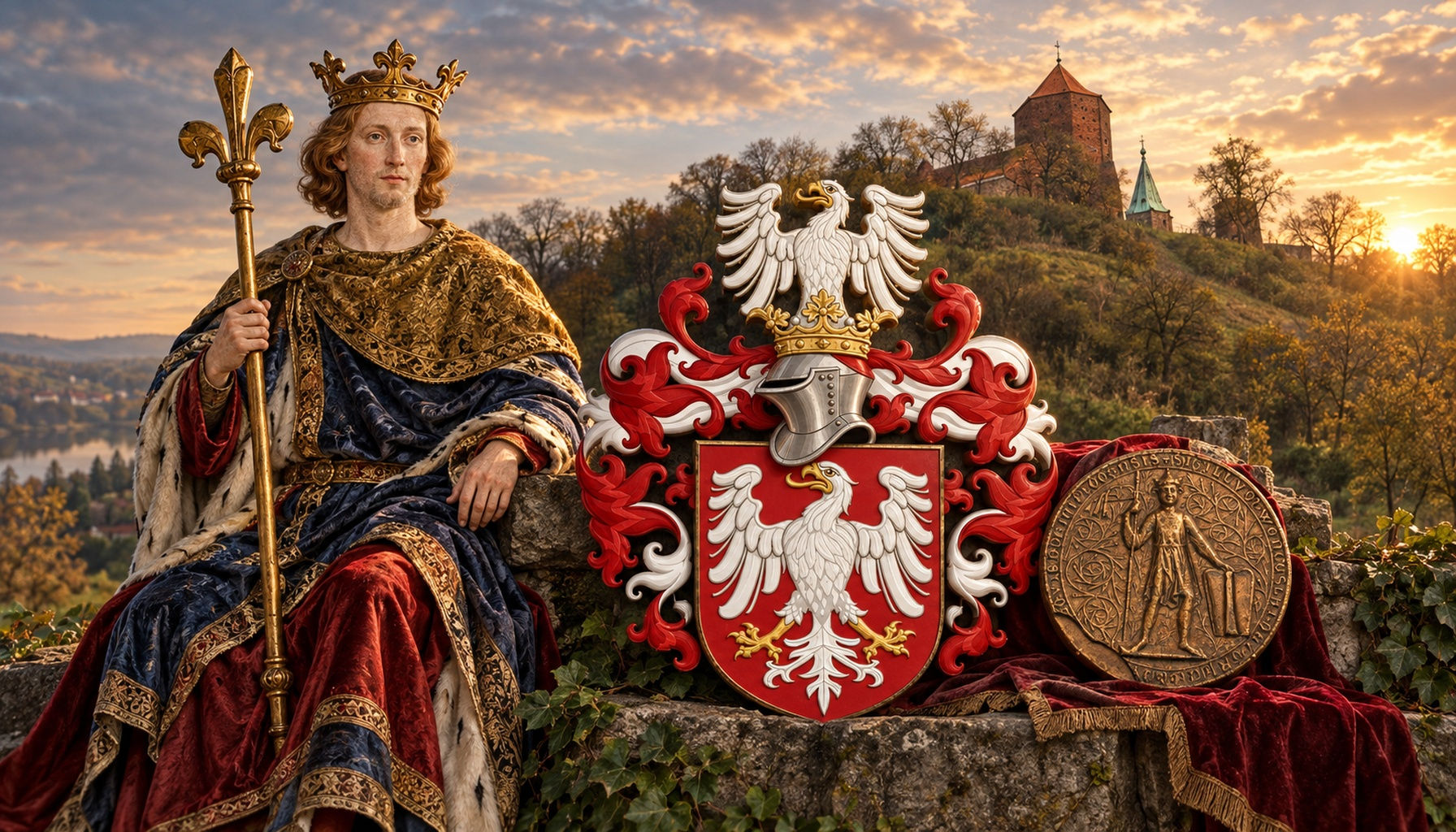
Haplogroups and Noble Lines Wenceslaus of Płock Wenceslaus of Płock, also known as Wanko, was a fourteenth-century Masovian Piast prince who ruled the Duchy of Płock from 1313 until his death in 1336. He belonged to one of those wonderfully tangled medieval ruling families whose fortunes were shaped not just by inheritance, but by the uncomfortable geography By Jamie L • 5 min read
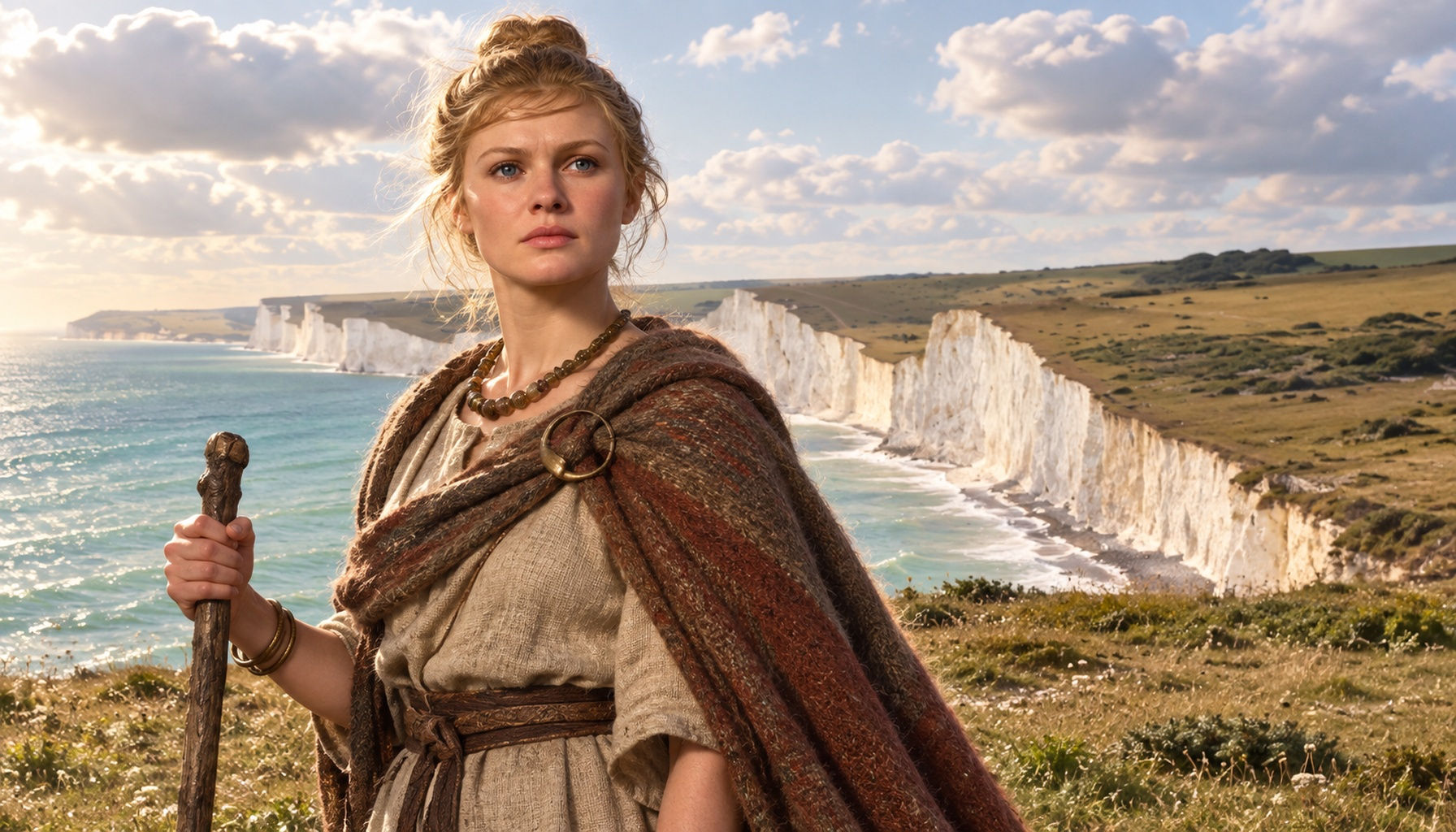
Haplogroups and Noble Lines Beachy Head Woman Beachy Head Woman was a young woman who lived in southern England under Roman rule, probably dying sometime between the second and early fourth centuries AD, with an approximate sample date around AD 220. Her remains, believed to have been found near Beachy Head in East Sussex and later rediscovered By Jamie L • 5 min read
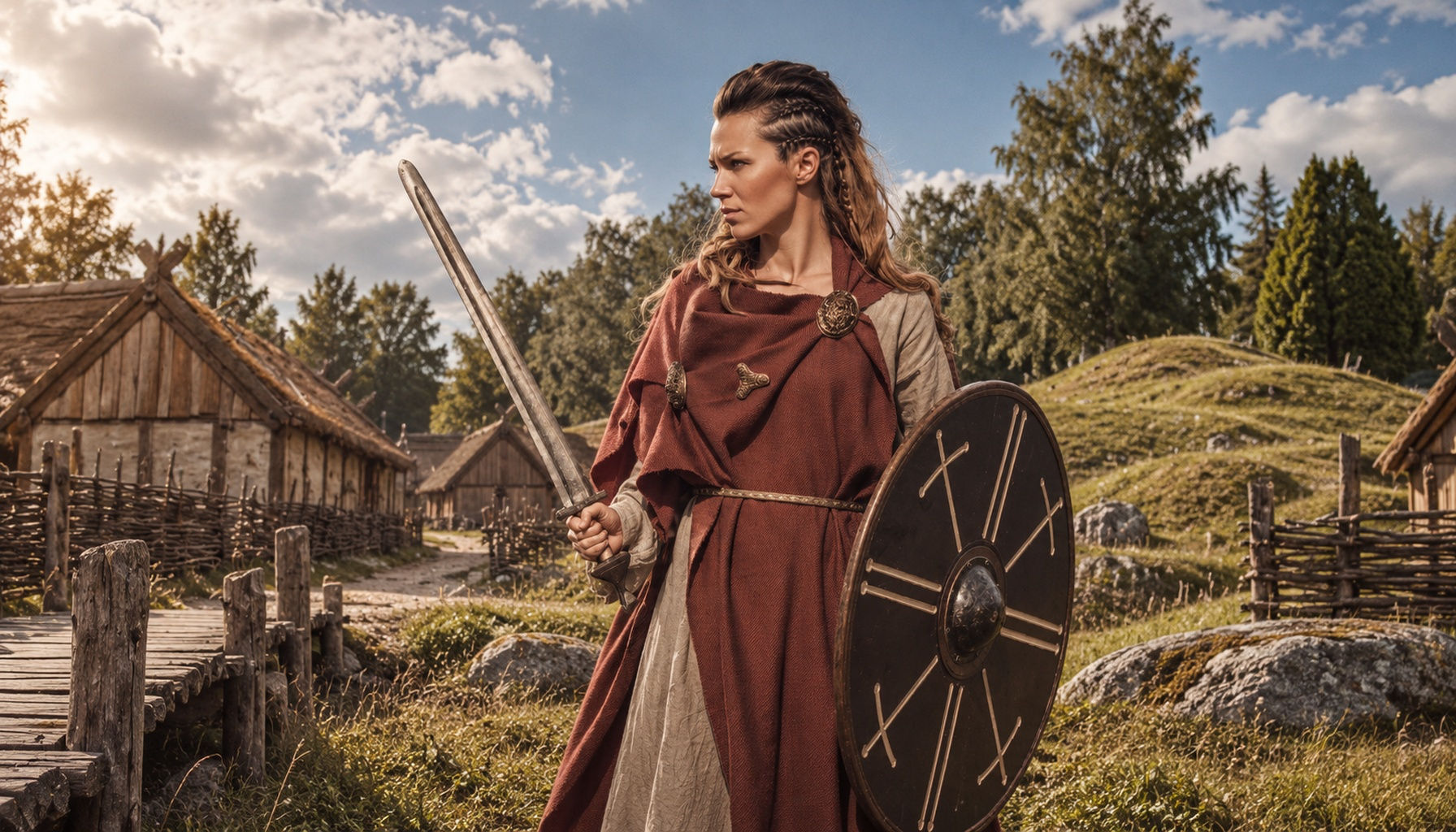
Haplogroups and Noble Lines Birka Shieldmaiden The Birka Shieldmaiden is the modern name given to the person buried in grave Bj 581 at Birka, the great Viking Age trading center on Björkö in Lake Mälaren, Sweden. She lived around 950 AD, in a world of long-distance trade, political rivalry, and expanding Scandinavian influence from the Baltic By Jamie L • 4 min read
Haplogroups and Noble Lines Christopher Corvinus Christopher Corvinus was born in 1499 into one of the most dramatic family stories in late medieval and Renaissance Hungary. He was the son of John Corvinus and the grandson of Matthias Corvinus, the famous king whose court at Buda became a major centre of humanist culture while Hungary stood By Jamie L • 5 min read
Haplogroups and Noble Lines Bolesław III Duke of Płock Bolesław III of Płock was a fourteenth-century prince of the Masovian branch of the Piast dynasty, a ruler from a world where frontiers were never merely lines on a map but zones of negotiation, pressure, and occasional violence. He was the only son of Wenceslaus of Płock and Elisabeth, also By Jamie L • 5 min read
Haplogroups and Noble Lines The House Gernet The House Gernet Background The House Gernet was a medieval Anglo-Norman landed family rooted above all in Lancashire, and particularly associated with the manor of Halton near Lancaster. Established in northern England in the generations after the Norman Conquest, the Gernets belonged to that very important stratum of society that By Jamie L • 3 min read
Haplogroups and Noble Lines The House de Mandeville House de Mandeville Who the family was The House de Mandeville was one of the great Norman and Anglo-Norman noble families to rise in the wake of 1066, and it is closely associated here with the Y-DNA haplogroup I1a2b1c1a, treated as the primary family haplogroup tag. The name itself points By Jamie L • 3 min read
Haplogroups and Noble Lines The House of Colonna House of Colonna Background The House of Colonna was one of the great baronial dynasties of Rome and central Italy, a family whose story is woven through medieval warfare, papal politics, church office, and the stubborn survival of noble power across centuries. Traditionally associated with the town of Colonna in By Jamie L • 3 min read
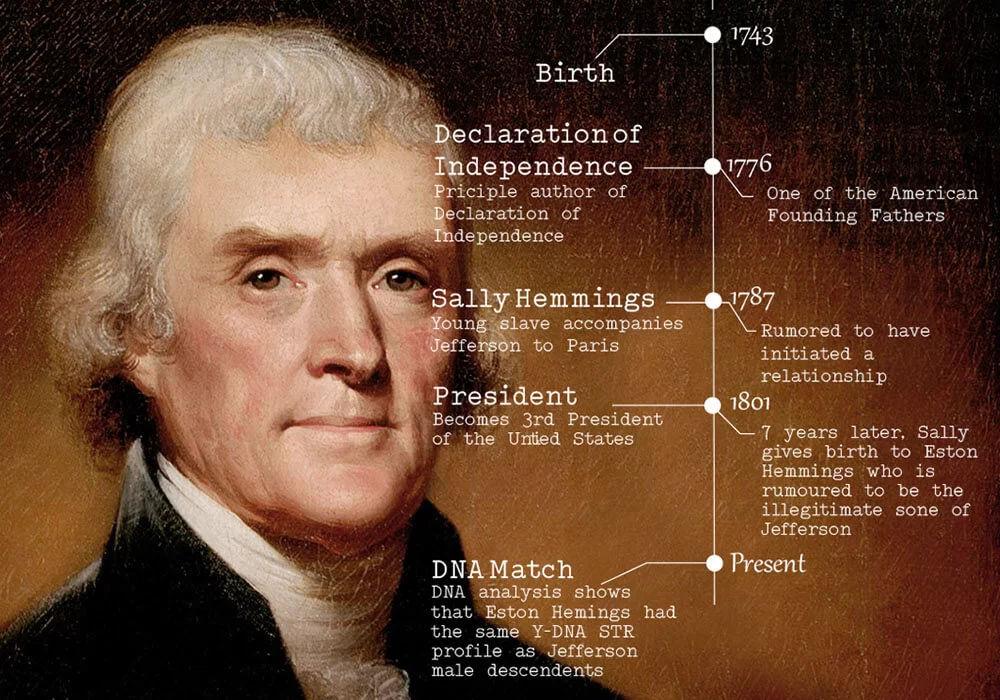
Papers Thomas Jefferson’s DNA and the Sally Hemings Paternity Question Monticello, Power, and the Human Drama Behind the Question of Paternity Monticello sits on a Virginia hilltop as one of America's most revealing historical landscapes. Beneath its elegant architecture lies a harder truth: this was a plantation sustained by enslaved labor, where ideals of liberty lived side by By Jamie L • 4 min read
Haplogroups and Noble Lines The House of Stradling House of Stradling Background The House of Stradling was one of the great Anglo-Welsh families of Glamorgan, rooted above all at St Donats Castle on the south Wales coast. In broad historical terms, they belong to that fascinating marcher world where Norman and Welsh power met, argued, intermarried, fought, and By Jamie L • 3 min read
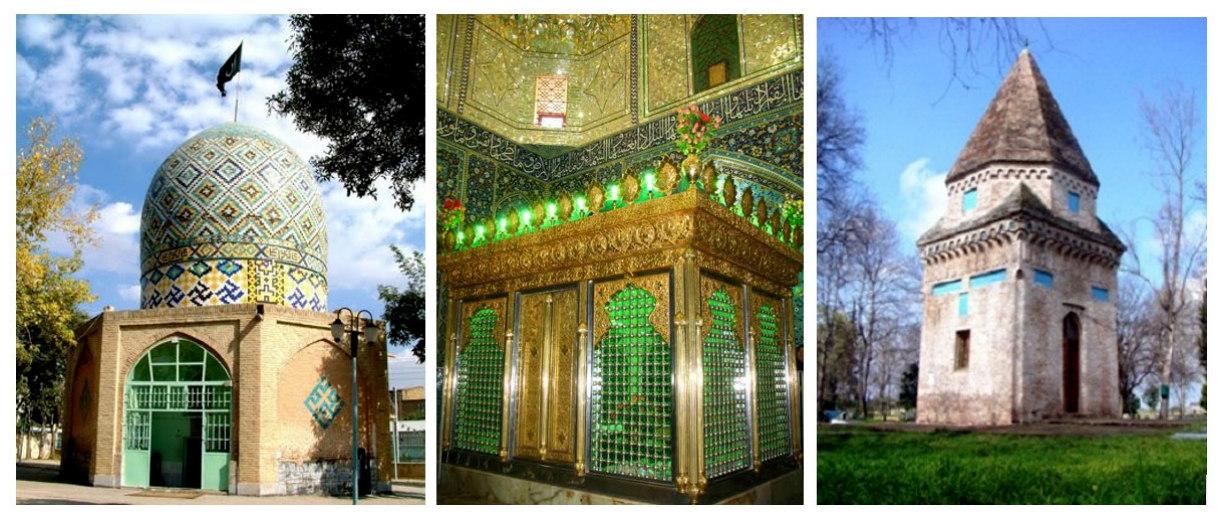
Papers Genetic Study of Iranian Sayyed Ancestry Lineage, Memory, and the Long Shadow of the Prophet's Family Across Iran, lineage is public identity, social inheritance, and sacred claim. The title of Sayyed marks those who identify as descendants of the Prophet Muhammad through the male line, connecting households, shrines, and reputations to the founding figures By Jamie L • 5 min read
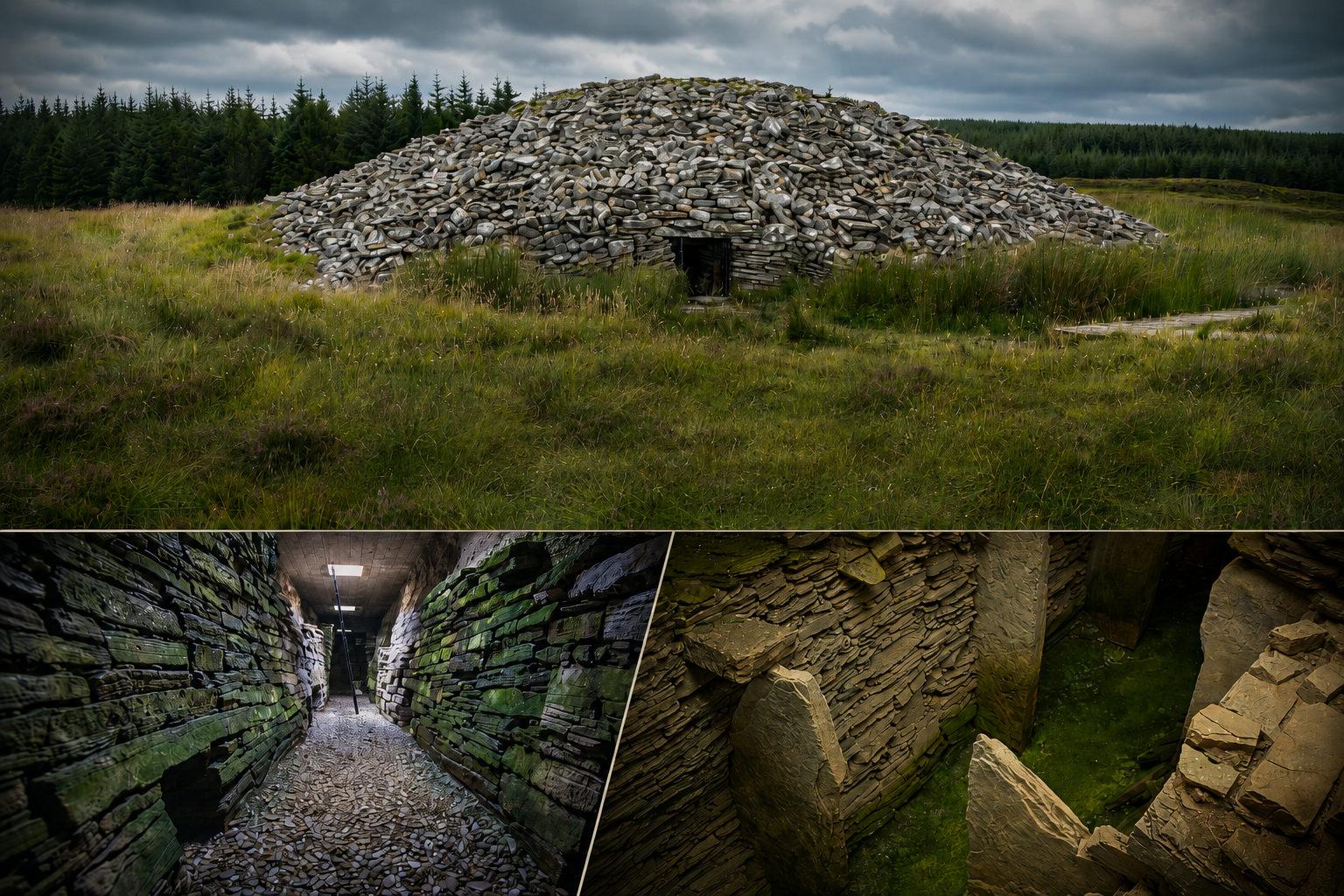
Papers Neolithic Tomb Kinship in Northern Scotland Stone Tombs in the Far North Along Scotland's northern edge, early farming communities built remarkable stone tombs in Caithness and Orkney. These carefully constructed monuments featured dry-stone walls, arranged chambers and piled cairns. More than containers for bodies, they were places where ancestry and belonging were physically built By Jamie L • 4 min read
Haplogroups and Noble Lines The Noble House of Askew Who were the Askews? The House of Askew was an English noble and landed family rooted above all in Lincolnshire, with a long association with South Kelsey and the wider life of the county. In the old English gentry pattern, this was not a house built only on grand titles By Jamie L • 2 min read
Haplogroups and Noble Lines The Noble House of Darcy Background The House of Darcy was one of those solid English noble houses whose story is really a story about land, office, loyalty, and the long business of serving the crown. Rooted above all in Yorkshire and closely associated with Temple Newsam, the Darcys belonged to the baronial world of By Jamie L • 3 min read