The Noble House of Brereton
– 3 min read


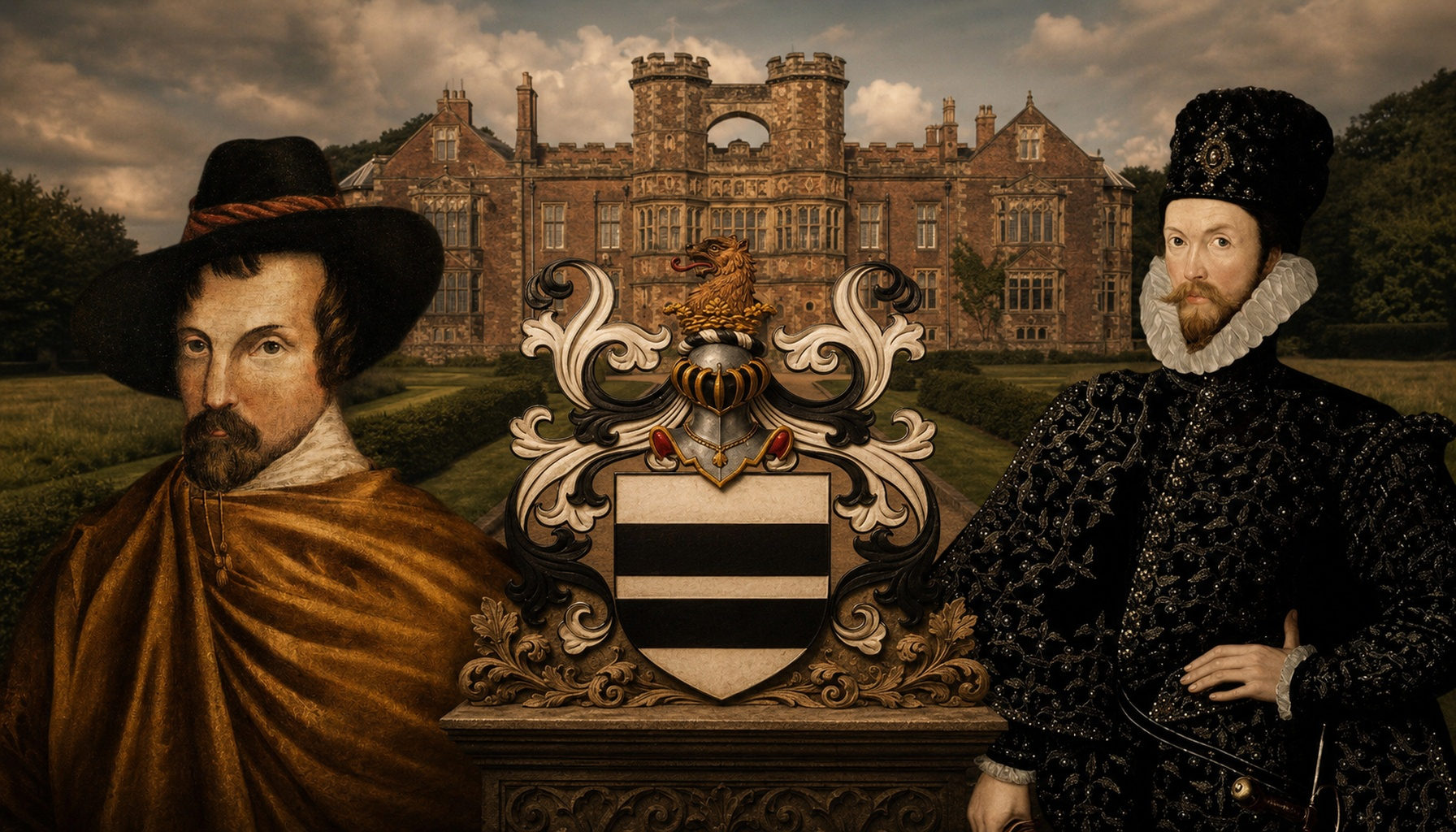
The House of Brereton was one of those deeply rooted English landed families whose identity was bound up with one place, one county, and one long habit of service. They came from Brereton in Cheshire, and like many old county houses of northwest England, their rise was not some theatrical leap into greatness but a steady accumulation of land, marriage alliances, local influence, heraldic standing, and public office. Their primary family haplogroup is tagged here as R1b1a1b1a1a2c1a4b2c, a lineage that fits neatly into the wider paternal landscape often seen across Britain and the Irish Sea world.
In historical terms, the Breretons belong to the classic pattern of the English landed house. Their strength came from estate power, county service, military or civic duty, and a reputation maintained over generations. This was a family that mattered in Cheshire because it was present there, generation after generation, acting as local lords, office holders, and recognizable figures in regional society. Among the better known members were Sir Randle Brereton (1457-1530), a prominent courtier and soldier under Henry VII and Henry VIII; Sir William Brereton (1487-1536), whose dramatic fall in the politics surrounding Anne Boleyn has made him the best known Brereton to many readers; and Sir William Brereton of Brereton (1550-1631), who represents the later continuity of the house as a landed and locally authoritative family rather than a passing court phenomenon.
Explore the Noble House of Vernon
If you want to understand the Breretons properly, you have to start with Brereton Hall. This was the architectural and symbolic heart of the family, a great Cheshire house near Holmes Chapel, built in the later 16th century and associated especially with Sir William Brereton of Brereton. The hall is a striking example of the Elizabethan prodigy-house style adapted to a regional landed setting: red brick, decorative formality, impressive frontages, and the unmistakable message that this was a family of substance, confidence, and permanence. It replaced an earlier manor-house tradition with something grander and more self-conscious, which is exactly what many ambitious county families were doing in this period. Brereton Hall later passed through changes of ownership and use, but it still stands as the clearest physical expression of the family's estate identity and social ambitions. The building and its grounds have had later lives as a school and event venue, and it can still be visited in a reasonable sense through its continuing presence and heritage setting, even if access may depend on current use and arrangements.
Read more about the Cholmondeley family
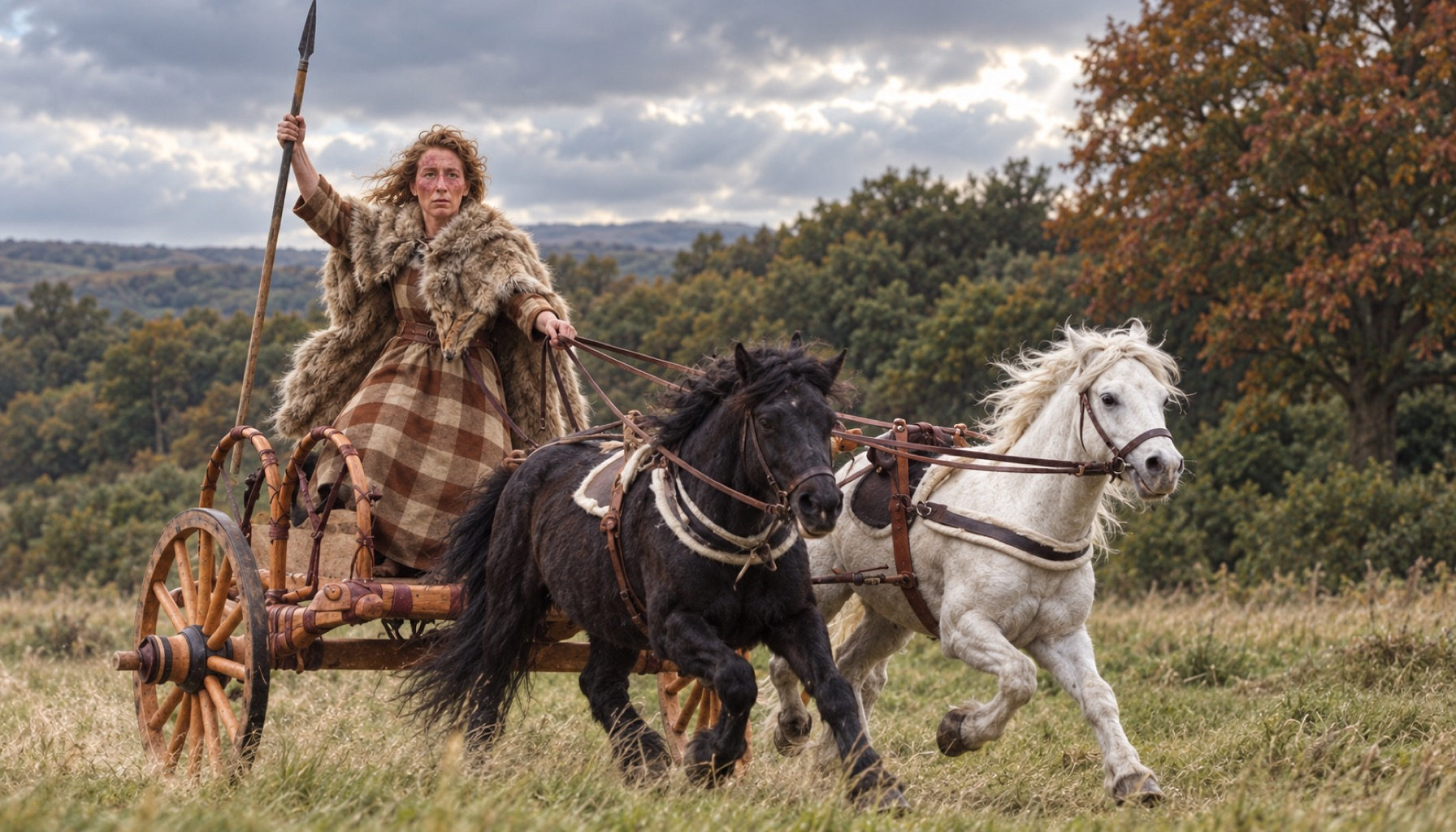
The Brereton haplogroup tag, R1b1a1b1a1a2c1a4b2c, also sits within a much older genetic story stretching across Britain, Ireland, and the North Sea world. Related or linked ancient DNA examples include Medieval England Cambridge St Johns Hospital (ATP_PSN_192), several Celtic Parisi Iron Age burials from East Yorkshire at Wetwang Slack (I36894, I36898, I39730) and Burton Fleming (I28928), Medieval Ireland Kilteasheen Roscommon Bishops Seat (KIL020), Early Viking Age Oland Sweden (VK349), and Gaelic Settler Viking Iceland (ORE-A1). These samples should not be taken as proof of direct descent from the Breretons. Rather, they sketch the broader paternal and population background from which later British and Irish lineages emerged: Iron Age communities in England, medieval populations in England and Ireland, and the mobile Scandinavian and Gaelic-Viking worlds that helped shape the genetic landscape around the Irish Sea and North Atlantic.
Explore Iron Age Britain and ancient DNA
The House of Brereton is a fine reminder that English history was not made only at court or on battlefields. It was also made in counties, on estates, in halls, through marriages, offices, loyalties, and the careful guarding of a family name tied to a place. If you have Brereton connections in your tree, or simply want to see whether your DNA matches this family story or the related ancient samples linked to haplogroup R1b1a1b1a1a2c1a4b2c, upload your DNA to MyTrueAncestry and explore the deeper past behind your surname and ancestry.

Comments