The Cholmondeley Family
– 3 min read


The Cholmondeley family was one of the historic aristocratic houses of England, rooted above all in Cheshire and long associated with the culture of landed power, hereditary office, and noble continuity. Their linked primary haplogroup here is I2a1a2a1a2, a paternal line with deep prehistoric and historic echoes across Britain and northwestern Europe. As a family, the Cholmondeleys belong to that very English story in which local authority, estate management, strategic marriage, and service to crown and county gradually hardened into durable rank and title.
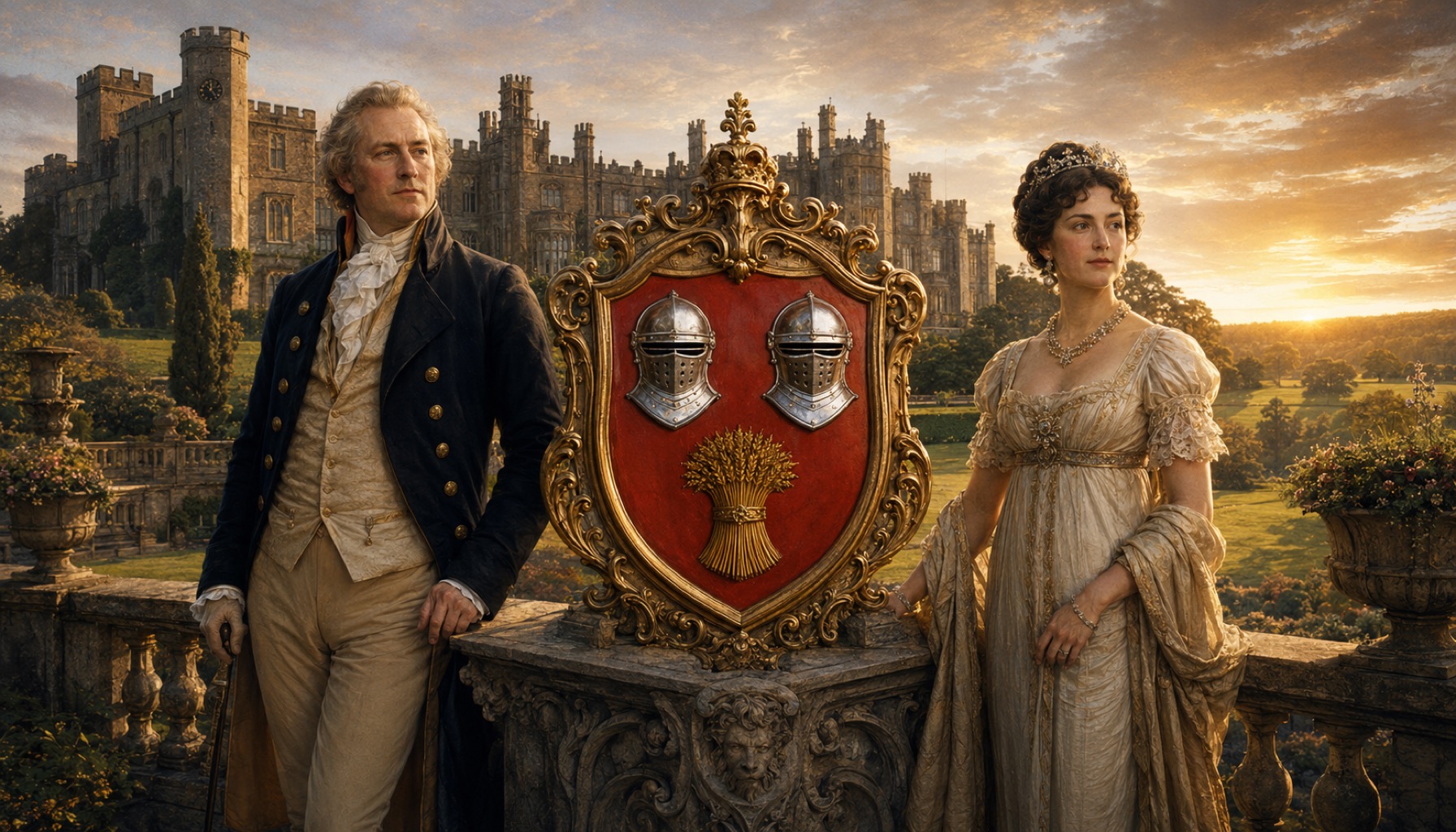
The name itself comes from Cholmondeley in Cheshire, and that matters. This was not a family parachuted in from nowhere with a grand title already polished and ready to wear; it grew out of place, land, and regional standing in a county where influence could be built generation by generation. Over time the Cholmondeleys rose through property, alliances, and public service, becoming part of the framework of English peerage society. Figures such as Sir Hugh Cholmondeley (1513-1596), a notable Tudor-era member of the family, and George Cholmondeley (1749-1827), Marquess of Cholmondeley, show the long span of that ascent from county roots to national prominence. Their history is also a reminder that heraldry was not mere decoration. Coats of arms, lineage, and estate display formed part of the public language of authority in aristocratic England.
Read more about the Howard family
The great location anchor for the family is Cholmondeley Castle in Cheshire, standing within a large historic parkland setting that expresses exactly the sort of landed world the family came to represent. The present castle is not a medieval fortress but a grand country house built in the early 19th century in a castellated Gothic style, replacing the earlier Old Hall as the principal family seat. That in itself is wonderfully revealing: aristocratic families often rebuilt and reinvented their homes to reflect changing taste, status, and political confidence. The wider estate includes formal gardens, woodland, lakes, and monuments, making it less a single building than a carefully staged noble landscape. In practical terms, Cholmondeley Castle has remained closely tied to the family identity, and, yes, it can still be visited on open days and for events, which gives modern visitors a rare chance to see how centuries of lineage, taste, and landholding were written directly onto the Cheshire countryside.
Explore the House of Cavendish
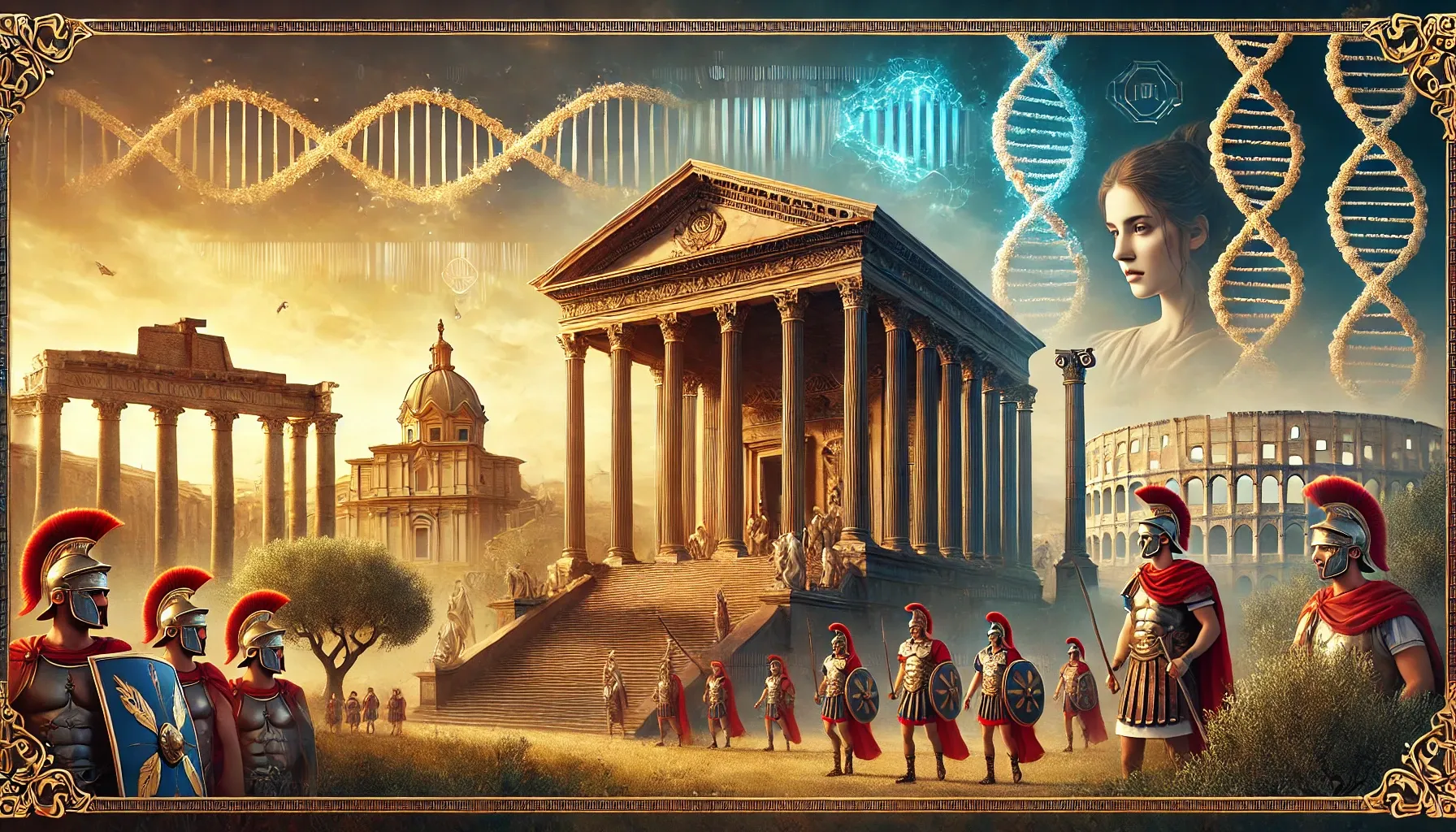
The Cholmondeley family's tagged haplogroup, I2a1a2a1a2, also appears in a fascinating spread of related ancient DNA samples from Britain and wider Europe. These include Roman Era Cambridgeshire Duxford (DUX008), Post Roman Era Worth Matravers Dorset England (I11581), and a striking cluster from prehistoric Orkney such as Westray Links of Noltland samples KD064, KD060, KD049, and KD057, alongside Neolithic individuals from Unstan Chamber Tomb (I7554x), Knowe of Lairo (lai001), and other Orkney samples including I2978, I2637, I2935, and I2932. Beyond Britain, linked examples include Late Neolithic Warburg in Nordrhein-Westfalen (WB2060, WB15b), Neolithic Esperstedt (I0172), Rosheim in France (ROS102), Iron Age Denmark at Tollestrup Mose (CGG023270), Ajvide52X from Gotland's Battle Axe horizon, and Swiss Corded Ware related sample MX195. These are not claims of direct descent from any one ancient individual to the Cholmondeleys. Rather, they show that the same broader paternal lineage was present across a very long archaeological timespan, from Neolithic farming communities to later Roman and post-Roman populations, giving the family's haplogroup a deep time context rather than a neat single-origin fairy tale.
Explore Roman and early medieval Britain DNA
If you are curious whether your own paternal line may connect with the Cholmondeley family story, or with related I2a1a2a1a2 ancient DNA samples from Roman Britain, Neolithic Orkney, or elsewhere in Europe, you can upload your DNA to MyTrueAncestry and explore the evidence for yourself. It is a splendid way to place family history beside archaeology, genetics, and the long human past.
Comments