The House of Cavendish
– 3 min read


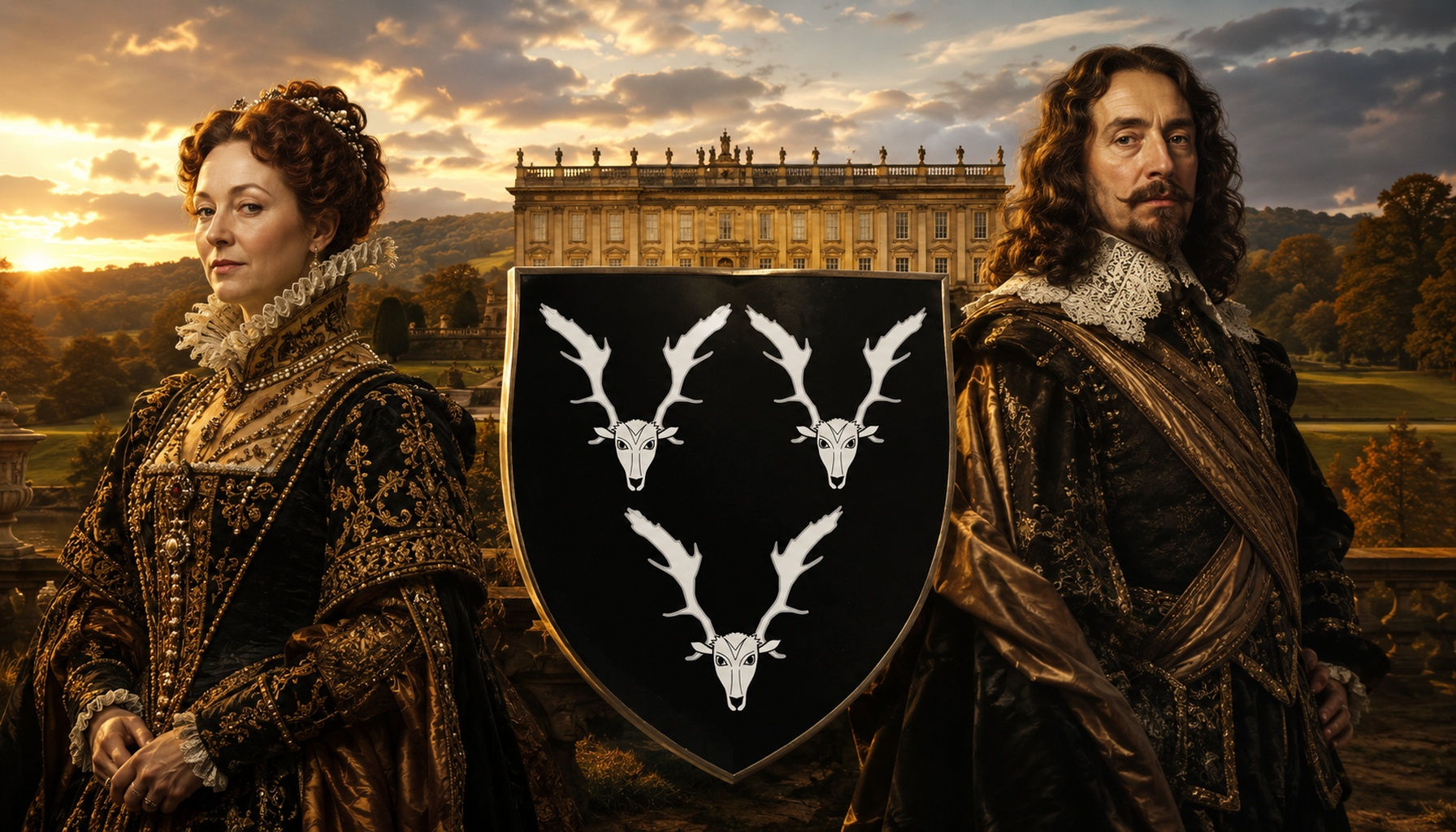
The House of Cavendish was one of the great noble families of England: a dynasty of landowners, courtiers, politicians, patrons, and dukes whose name became inseparable from aristocratic power and continuity. Their primary linked Y-DNA haplogroup here is R1b1a1b1a1a1c1, a lineage found widely across later prehistoric and historic western and central Europe. In historical terms, the Cavendishes fit the classic pattern of the English high aristocracy: they rose through property, advantageous marriage, royal service, office-holding, and the careful preservation of family identity through estates, heraldry, archives, and memory.
The family name is generally associated with Cavendish in Suffolk, and like so many English noble houses, their deeper rise belongs to the long story of late medieval and Tudor England, when service to the Crown and the management of land could transform a regional gentry family into a national power. Sir William Cavendish (1505-1557) was a key architect of that ascent, building wealth and position in the Tudor world. In later centuries the family reached ducal rank with William Cavendish, 1st Duke of Devonshire (1640-1707), a major political figure in the age of Revolution, monarchy, and Parliament. Then there is Georgiana Cavendish, Duchess of Devonshire (1757-1806), who remains one of the most vivid personalities of the eighteenth century: political hostess, fashion icon, campaigner, and a figure who turned aristocratic life into public theatre.
If one place anchors the story of the Cavendishes, it is Chatsworth House in Derbyshire, the family seat most closely associated with the Dukes of Devonshire. Set within a great park on the River Derwent and developed over centuries, Chatsworth is not simply a large country house but a statement of dynastic endurance: architecture, landscape design, collecting, display, and estate power all bound together in stone. The present house is chiefly the product of major rebuilding in the late seventeenth and early eighteenth centuries, though the site had earlier origins under Bess of Hardwick and Sir William Cavendish. Over time Chatsworth became one of the grand showpieces of England, renowned for its state rooms, sculpture, paintings, gardens, fountains, and its place in the wider history of country-house culture. It remains central to public memory of the family, and yes, it can still be visited, which is one reason the Cavendish story feels unusually tangible even now.
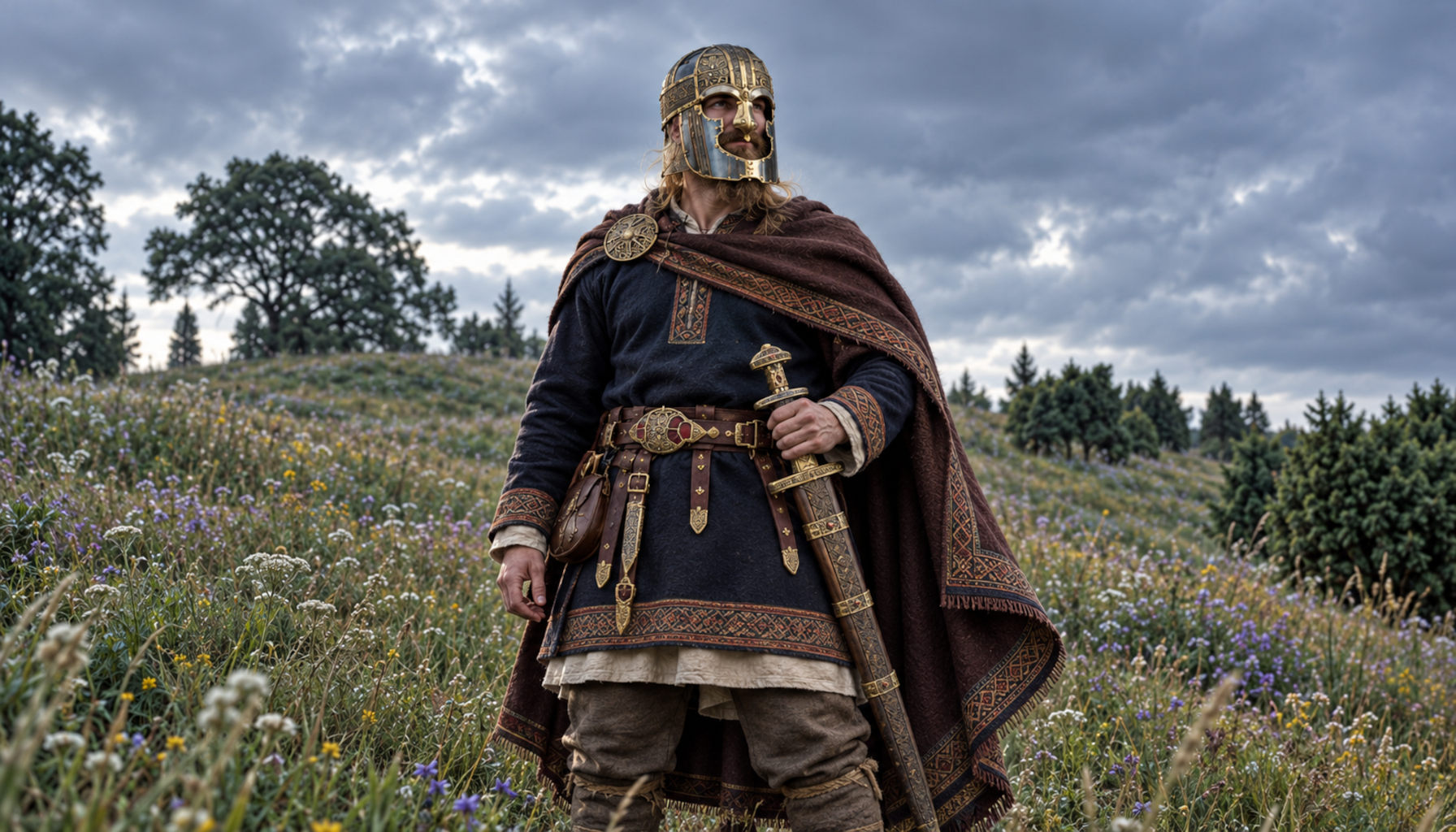
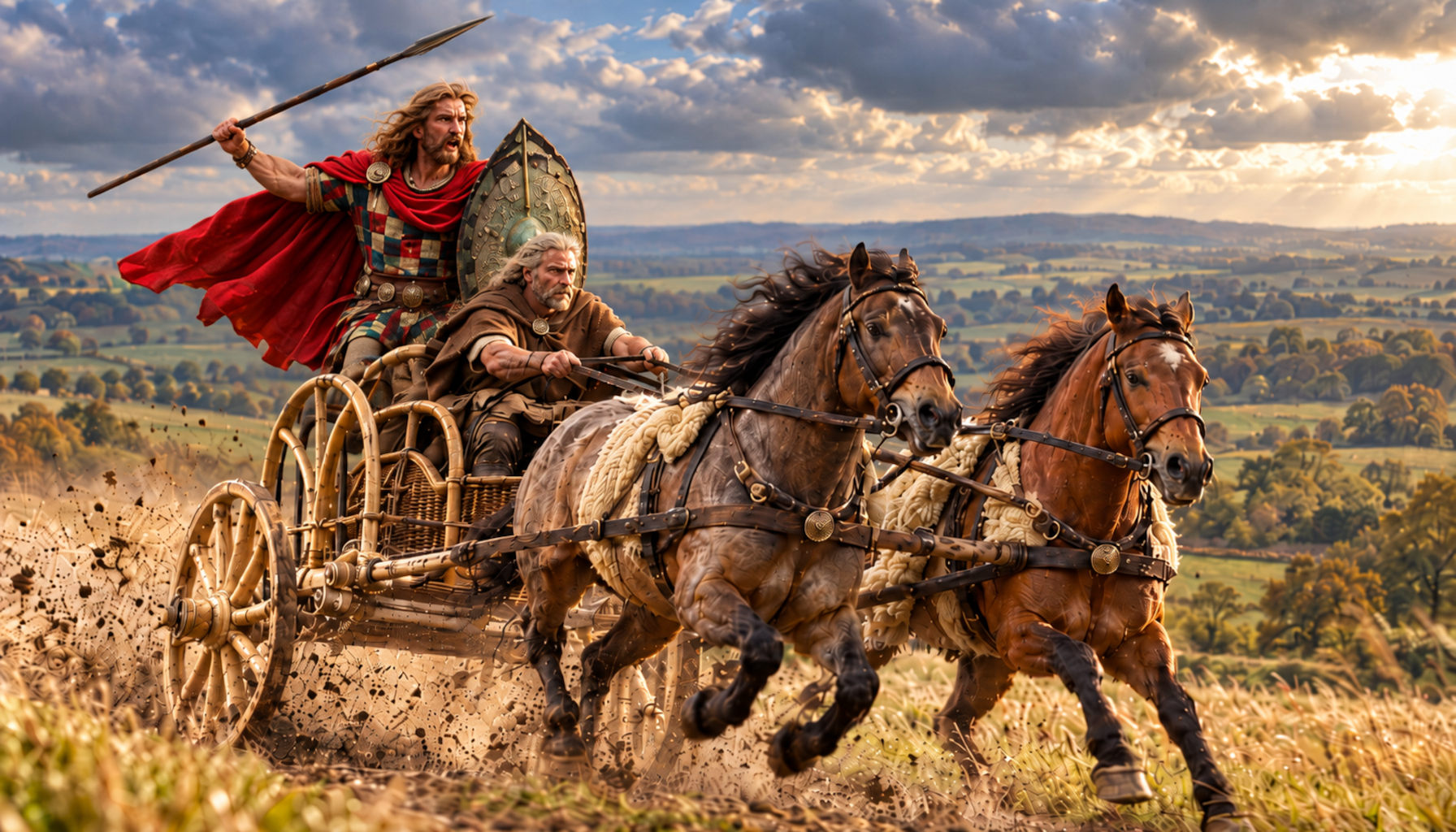
The Cavendish-linked haplogroup R1b1a1b1a1a1c1 belongs to a broad and well-travelled European paternal network with deep roots in later prehistoric and historic populations. That does not mean direct descent from any excavated individual, but it does place the family within a lineage seen in a striking range of related ancient and medieval samples: Celtic Durotriges England Duropolis Winterborne Kingston (WBK106), Early Bronze Age France Saint-Martin-la-Garenne Yvelines Ile-de-France (SMGB54), Early Bronze Age France les Pointes et les Grevottes Greviandes Aube (BRE445FK), Bronze Age Unetice Thuringia Leubingen Sommerda Germany (LEU040, LEU065, LEU007), Pict Era Scotland Black Isle Rosemarkie Cave (KD001 and related individuals), Medieval England Cherry Hinton (ATP_PSN_944), Early Modern Period England Trinity Church (ATP_PSN_412), Medieval England Cambridge St Johns Hospital (ATP_PSN_36), Iron Age Hill Fort Fin Cop Derbyshire England (I20632), Late Iron Age Ham Hill Fort Somerset England (I19653), Bell Beaker Wiltshire Upavon England (I4951), Saxon England North Yorkshire West Heslerton Vale of Pickering (I11583), Norman Invasion Medieval Lincolnshire Lincoln Castle (S3044), as well as related medieval, Celtic, Germanic, Iberian, Lombard, and Scandinavian examples from Spain, France, Germany, Italy, Belgium, Portugal, Denmark, Sweden, Hungary, Poland, and beyond. In plain English: this is the sort of paternal line one can watch moving through the archaeological record from Bronze Age Europe into Iron Age tribal worlds, Roman and post-Roman societies, and medieval populations that helped shape the ancestry of later families in Britain.
The Cavendishes remind us that family history is never just about names on a tree; it is about places, survival, status, politics, and the long human trail behind them. If you want to see how your own DNA may connect to ancient and historic populations, upload your DNA to MyTrueAncestry and explore the deeper story behind your ancestry.
Comments