Ancient DNA of a Chernyakhov Warrior Elite

– 5 min read


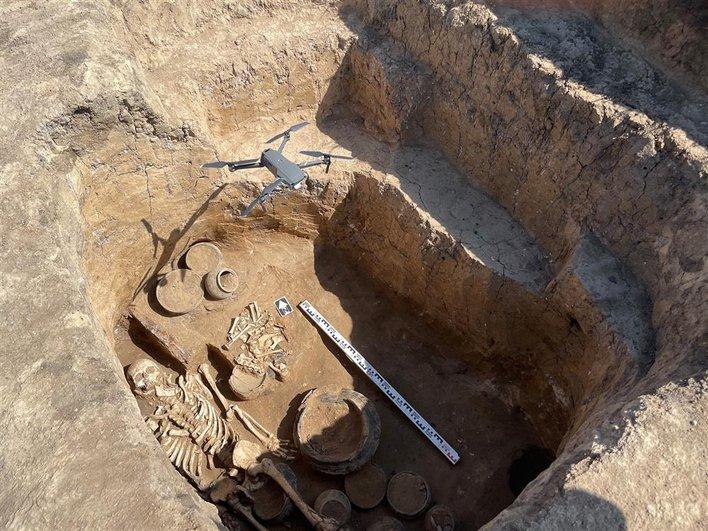
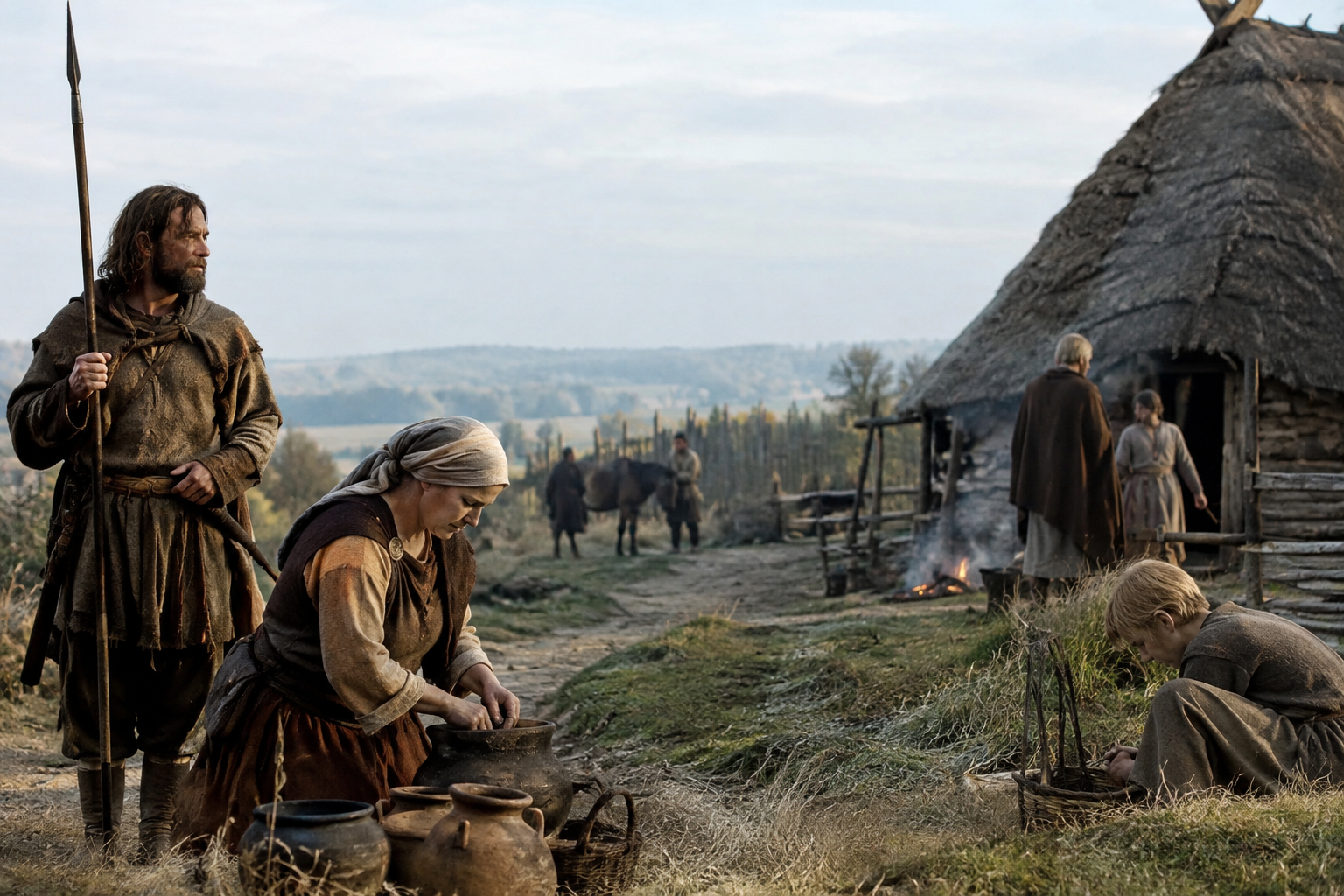
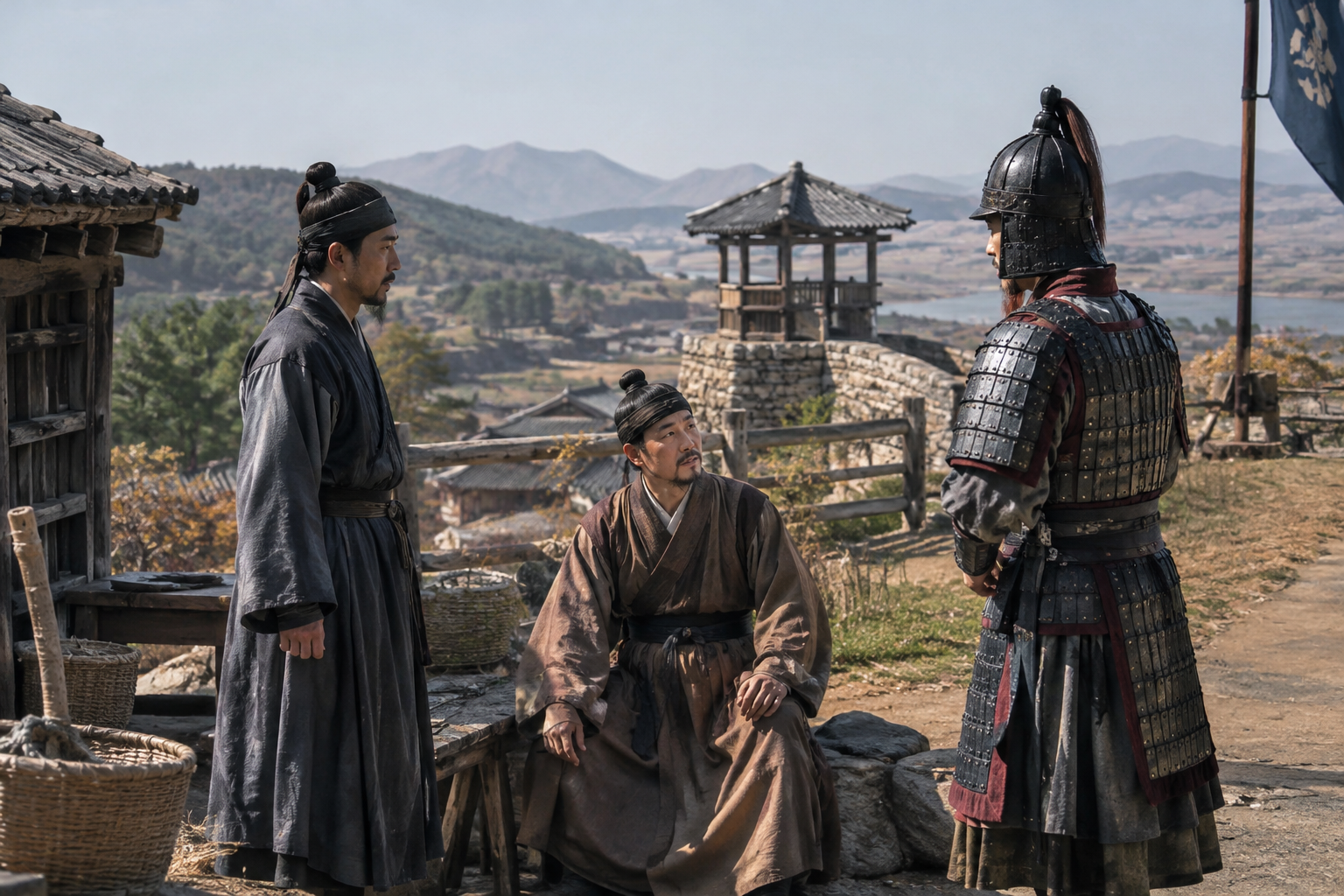
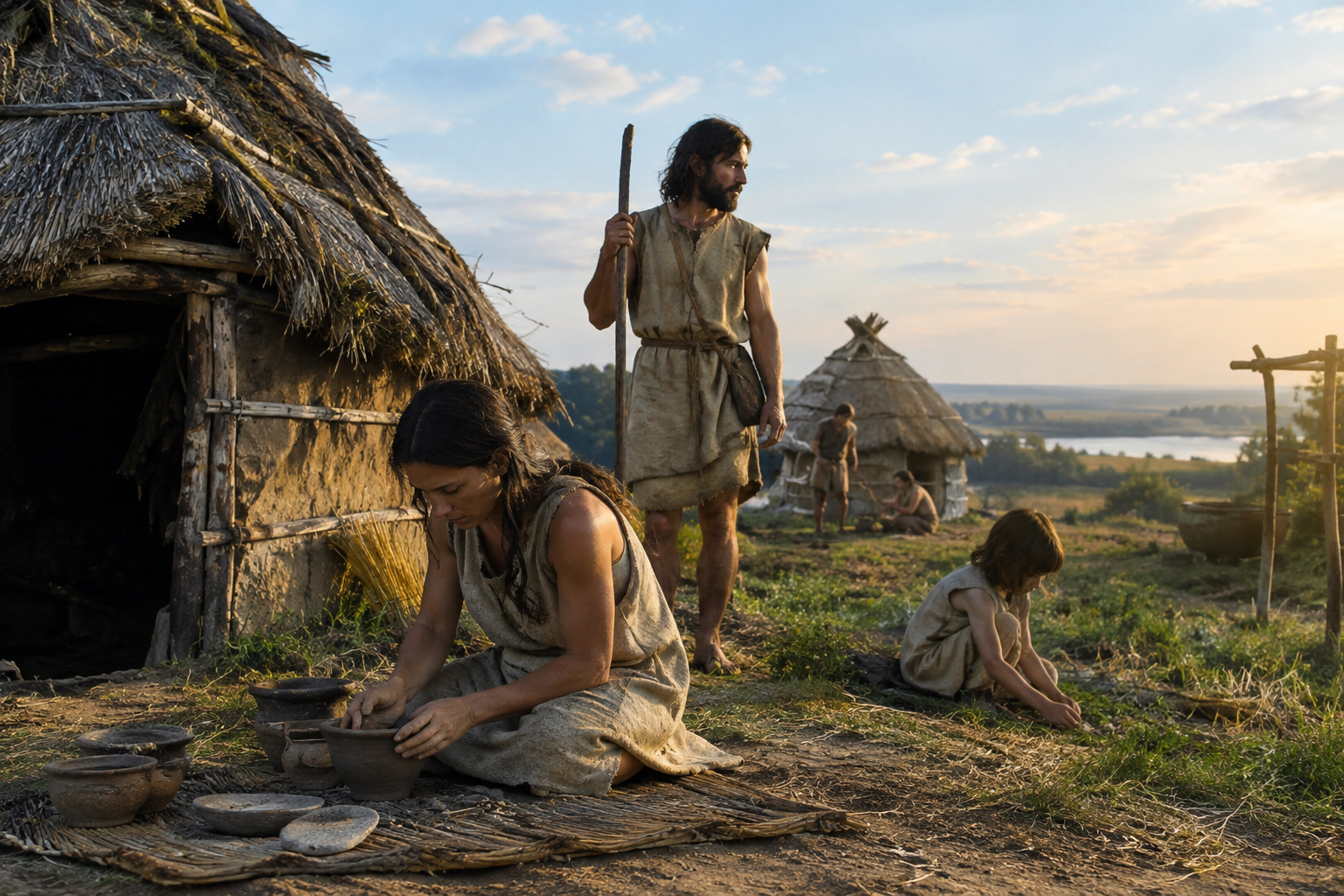
In the later centuries of the Roman world, eastern Europe was a place of movement, raiding, alliance, and ambition. It was here that the Chernyakhov culture emerged, stretching from the lower Danube to the Kursk region. Not a kingdom, but a broad cultural world made up of people of mixed background: incoming groups from northwestern Europe, local settled populations, and steppe-connected peoples.
Burial customs offer revealing clues. Weapons are extremely rare as grave goods in Chernyakhov cemeteries, making the few burials that contain them stand out sharply. Archaeologists interpret these as belonging to a military aristocracy whose place in society was marked by fighting skill and high status. A weapon in such a grave was a statement of identity and authority.
The northern fringe of the Chernyakhov area is especially fascinating. Border zones often preserve signs of contact most clearly, holding local traditions tightly while absorbing people and ideas from across the landscape. The Chernyakhov culture has often been discussed in relation to Germanic migrants, especially Goths. But evidence also points to links with steppe peoples such as Scythians, Sarmatians, and Alans, suggesting a mixed society in which power drew on several traditions at once.
Explore Germanic language spread and ancient genomics
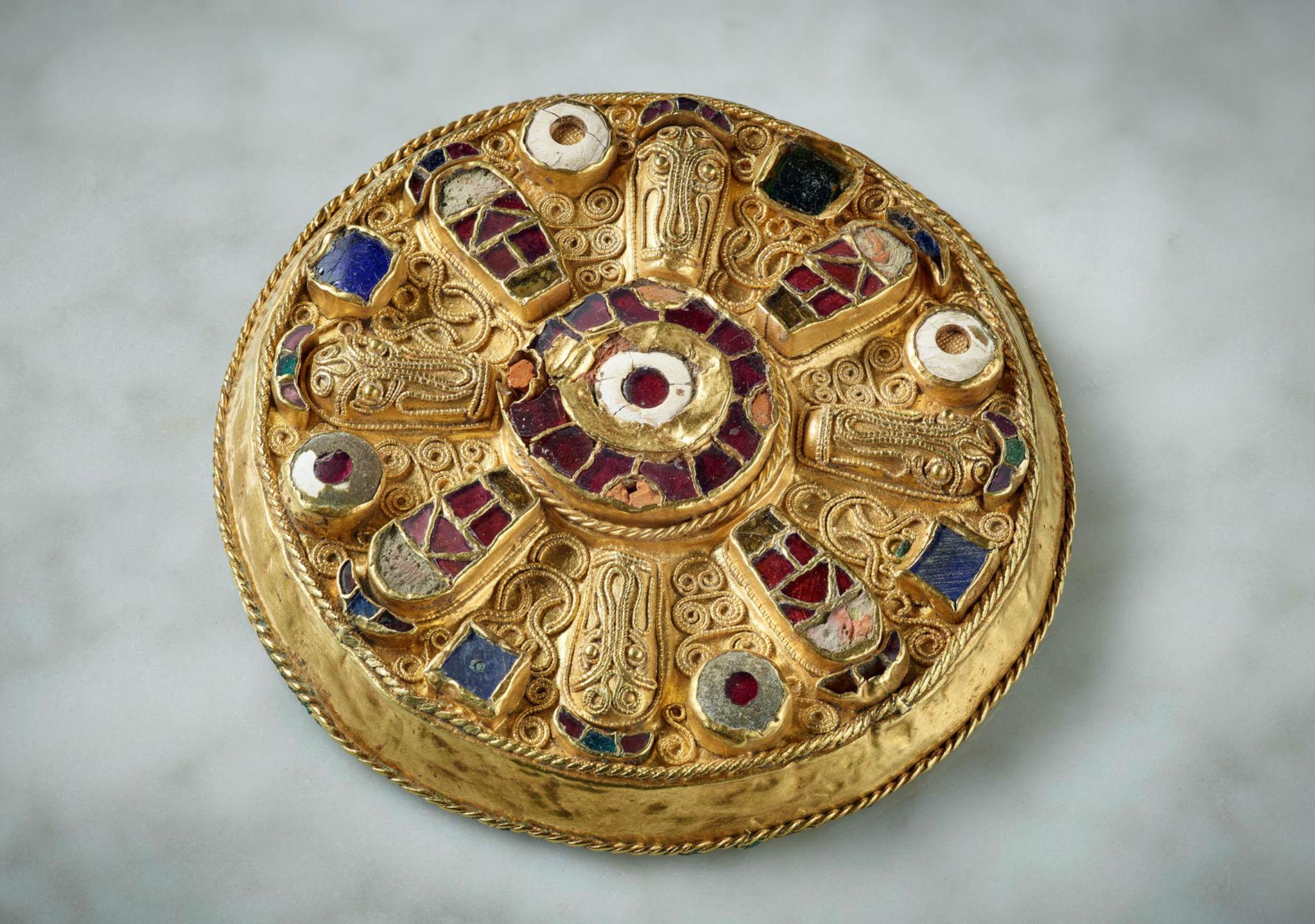
Excavated in 2021 in the Kursk region, the Dal'niy burial ground yielded a grave of a man aged about thirty-five to forty, buried with goods so rich and unusual that his high social standing was immediately obvious. In a culture where weapons in graves are exceptionally uncommon, this burial contained a Damascus steel blade placed near the dead man's head, still bearing traces of its wooden scabbard. Around him were a black-polished vase, a glass goblet, ceramic vessels, belt buckles, and a brooch.
Anthropological study reinforced this impression. The skeleton displayed features associated with an experienced horseman subjected to regular physical and military demands. Body and grave goods told the same story: here lay a man accustomed to riding and combat, buried in a manner consistent with high military status.
The burial appears unparalleled among Chernyakhov sites on the left bank of the Dnieper, and its proximity to another prestigious local burial hints at a wider landscape of power. Dating to the late fourth century, it belongs to the final and most turbulent phase of the Chernyakhov world, just before the transformations of the Hunnic age. Through one burial, the late Roman forest-steppe becomes intensely human.
Ancient biological material recovered from a tooth root allowed a full-genome study of the Dal'niy warrior. His maternal line belonged to branch U5a1, with deep European roots traceable from post-glacial hunter-gatherers onward. His paternal line belonged to R1a-Z283, widely distributed across Europe and associated with major prehistoric expansions. Both lines fit firmly within broad western Eurasian patterns.
Where the story becomes especially striking is in the broader genome comparison. His full ancestry profile clustered not with previously studied Chernyakhov individuals, nor with groups associated with Wielbark, Lombards, or Gepids, but closer to steppe nomadic groups such as Scythians and Sarmatians. He also showed an eastern ancestry component found in early Iron Age nomads and some later Avar-period individuals, entirely absent in the Chernyakhov comparanda.
A man buried within the Chernyakhov military elite, in a region often framed around Germanic migration, turned out genetically to align more strongly with nomadic steppe populations. His ancestry combined long European lineages with steppe connections, making him neither a stereotype nor a textbook label, but a frontier warrior of strikingly mixed background.
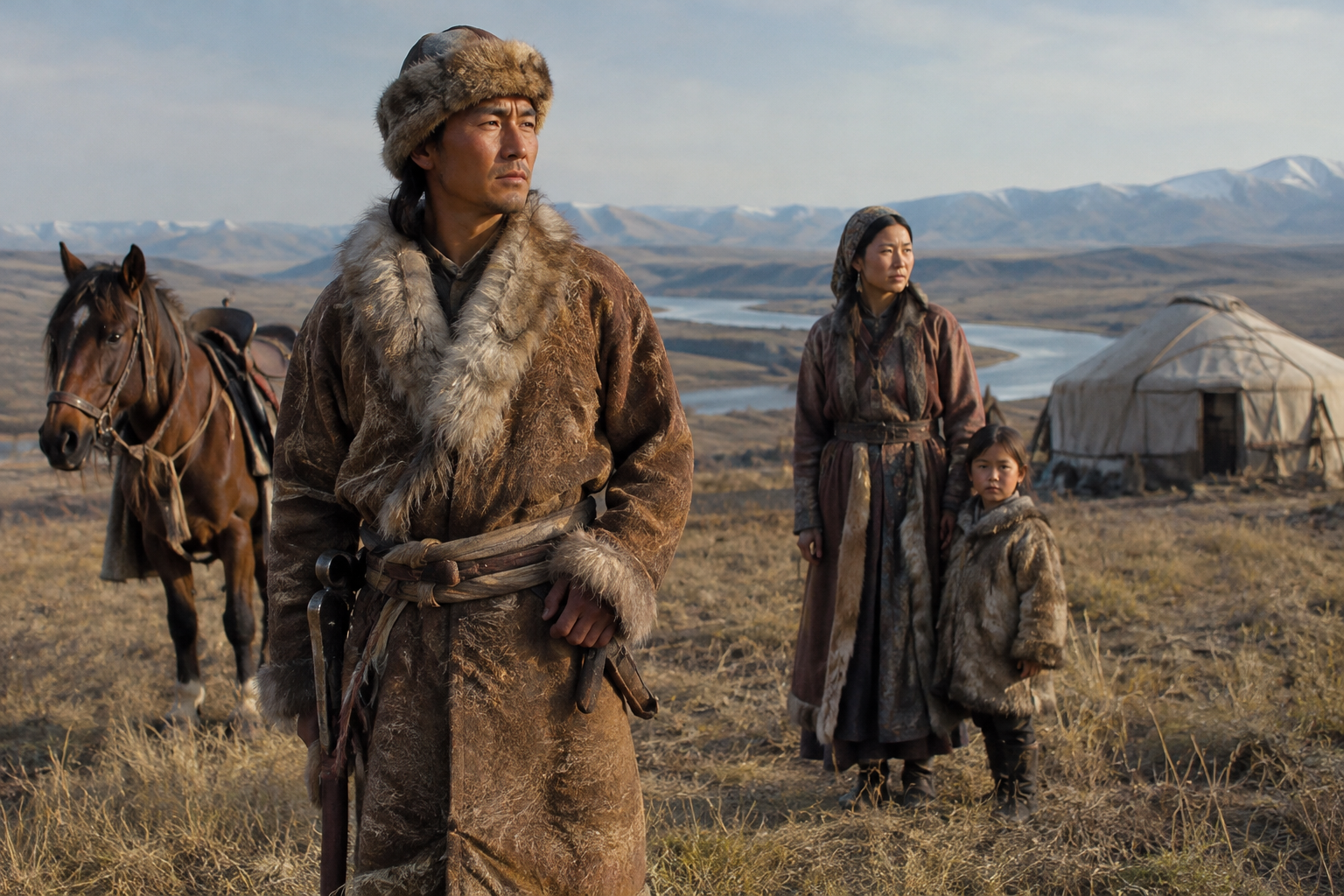
The steppe was one of the great engines of Eurasian history, producing mobile societies skilled in riding, warfare, and long-distance movement. Scythians dominated much of the steppe world in the first millennium before Christ, while Sarmatian groups rose to prominence across the Pontic-Caspian zone. Though neither were static peoples, they retained a broad association with mounted aristocratic culture whose echoes remained potent in eastern Europe for centuries.
The Dal'niy warrior appears to have inherited part of that legacy. His full genetic profile fell among early Iron Age nomadic groups rather than among other sampled Chernyakhov individuals, suggesting that the military elite could include men whose biological background was closely tied to nomadic populations. His eastern ancestry component, also seen in some Avar-period individuals, places him within a broader current of steppe-linked ancestry that shaped eastern Europe across centuries.
His burial presents a compelling irony. The grave, with its refined vessels and carefully made blade, belongs to a world often discussed in relation to northern European migrants. Yet the biological evidence points toward horse-riding steppe peoples. This is the essence of frontier history: elites borrow, recruit, and absorb across boundaries. Their identity may be expressed through one set of material symbols while their ancestry reflects another story entirely.
Read more on ancient DNA in the northern Black Sea region
The Dal'niy warrior matters because he sharpens our understanding of how power, ancestry, and identity worked in eastern Europe at the end of the Roman age. His burial shows that the Chernyakhov military elite could include men with strong steppe-related ancestry, warning against imagining a single-origin warrior nobility. The archaeological culture was polyethnic, and its warrior class now appears polyethnic as well.
The chronology is equally significant. His late fourth-century date places him at precisely the moment when interaction with steppe groups was intensifying, making him evidence not only of who was present but of when a particular kind of mixing had become socially decisive. He stands on the threshold of the upheavals that would define the Hunnic period, embodying the merging of local, western Eurasian, and steppe-linked elements in one remarkable individual.
Ultimately, grave 12 restores individuality to vast historical processes. Here is a specific man, physically shaped by riding and combat, laid out with a Damascus steel blade and beautiful vessels on a northern frontier in a world under strain. His genome carries signs of deep European lineages and steppe connections alike. He is not merely a data point. He is a witness, and through him an entire age can be glimpsed.
 Е. В. Рождественских
See how Gothic communities also show mixed origins
If this Chernyakhov warrior's mixed ancestry and frontier life sparked your curiosity, you can explore your own connections through MyTrueAncestry. Upload your DNA and see whether you match this family or related ancient DNA samples from the wider Roman, Gothic, and steppe worlds.
Comments