Ancient DNA Reveals Mixed Origins of Gothic Communities in Late Antique Bulgaria
– 4 min read


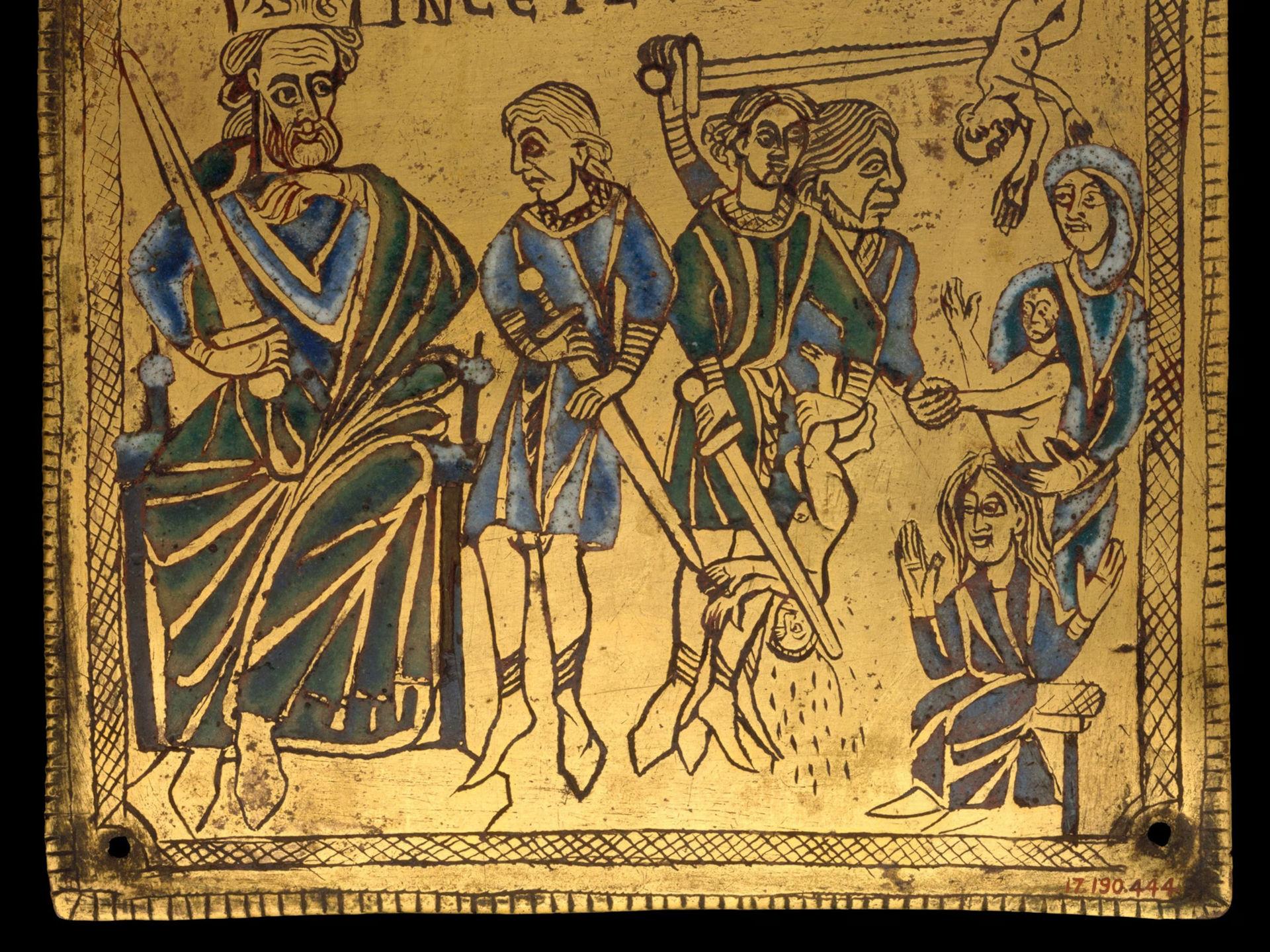
Late antique Bulgaria offers two vivid windows into a world often flattened under a single label: "the Goths." Two burial sites linked with Gothic-associated customs stand at the centre of this landscape. One lies at Aquae Calidae near modern Burgas, beside ancient hot mineral springs. The other lies inland near Shumen, where archaeologists uncovered a Christian complex with graves reaching back to late Roman times. These were not empty landscapes awaiting newcomers — they were already thick with roads, forts, churches, and people in motion.
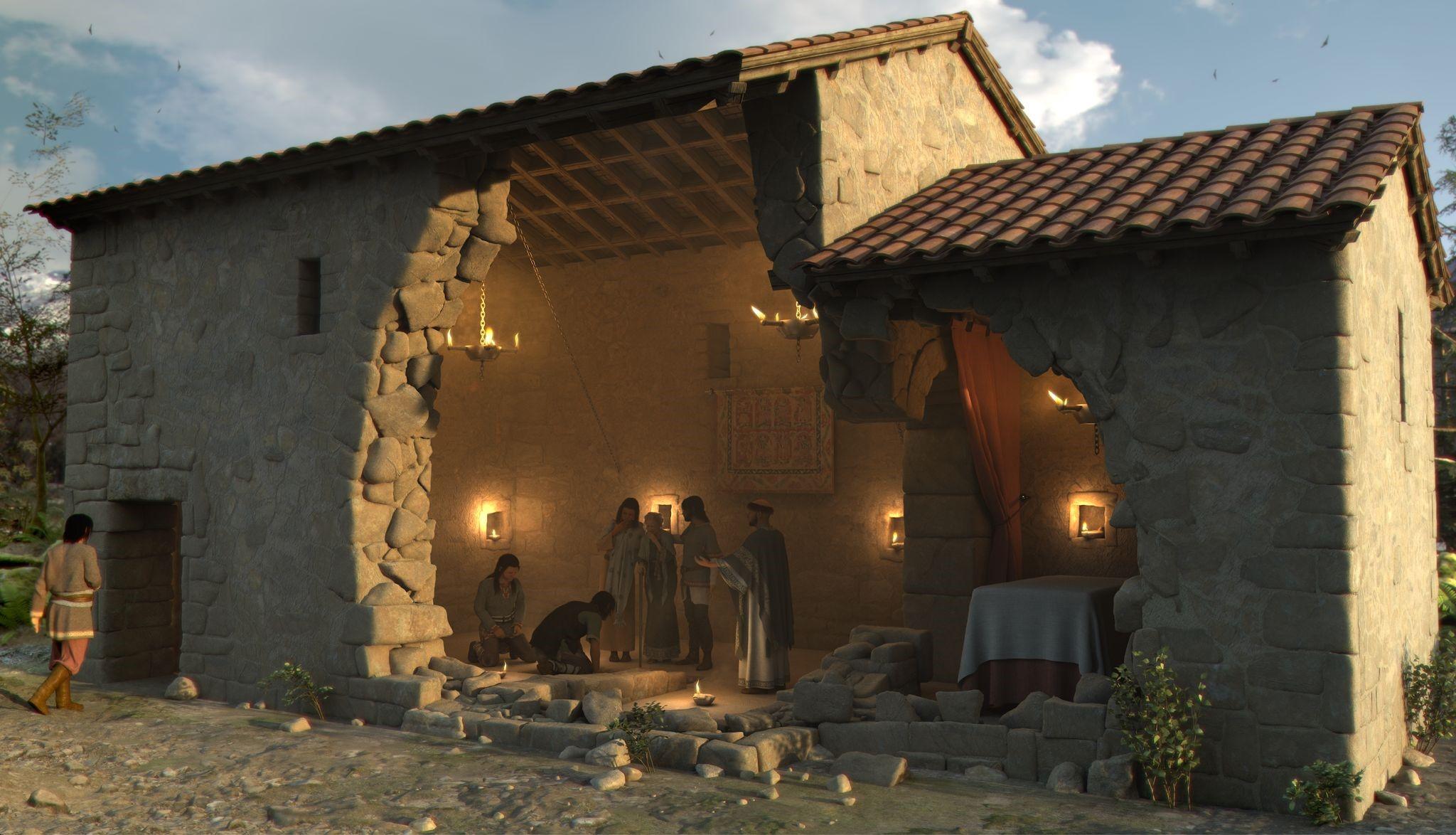
At Aquae Calidae, graves were placed through the ruins of a Roman thermal complex, transforming a public bathing centre into a Christian mortuary landscape. Bodies were laid east to west, reflecting belief in resurrection, surrounded by artefacts connected with Gothic or East Germanic fashion. The Shumen site preserves a longer story: basilicas and burial areas used from the mid-fourth century into the later fifth, long linked with communities associated with Ulfilas, the Gothic missionary-bishop. Neither site can be reduced to a stereotype. They are places where mourners arranged bodies, priests shaped sacred space, and communities built belonging amid the aftershocks of Roman power.
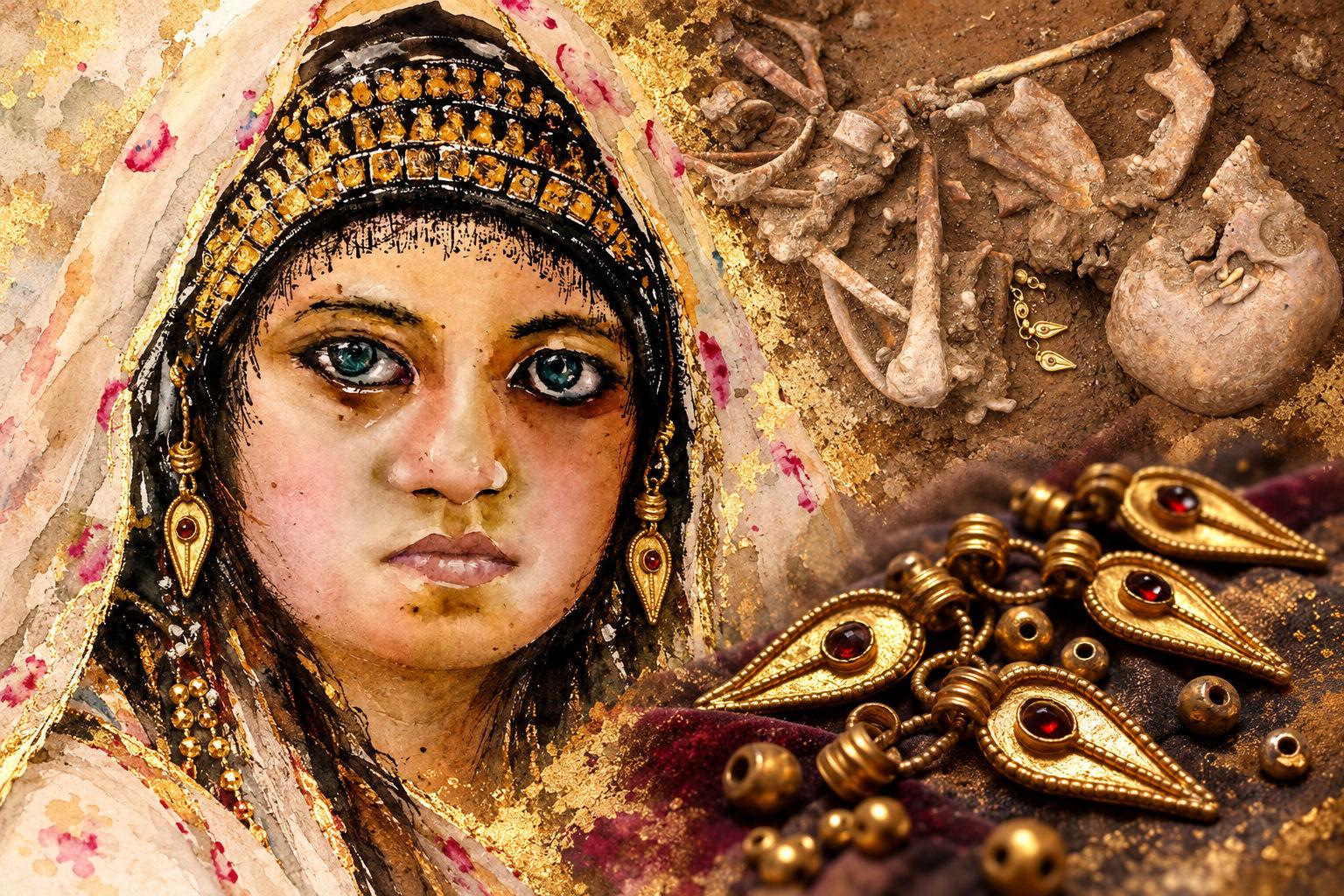
The most arresting revelation is not that these cemeteries contain "Goths," but that the buried individuals were strikingly varied. Aquae Calidae shows broad internal diversity — some individuals linked with northern and Pontic regions, others with southern Balkan and Anatolian worlds, and one extraordinary outlier whose ancestry leaned so strongly toward the Levant that standard models failed entirely. The Shumen site forms a tighter cluster overall, yet even there a woman showed steppe-related ancestry and one man carried a paternal line linked with the eastern steppe and farther Asia.
This matters because ancient identity did not work like modern passport nationality. A name such as "Gothic" could gather a coalition held together by religion, military service, shared law, and political loyalty — not uniform descent. These cemeteries show communities united by culture and ritual rather than a single biological signature. Imagine mourners burying neighbours whose grandparents came from the Black Sea steppe, from provincial Balkan towns, and from the eastern Mediterranean — all sharing the same rites, churches, and dress habits. That is a truer image of late antique identity than a clean arrow on a migration map.
Crucially, the mixture seen in these graves was already old by the time of burial. The blending of northern Pontic and southern Balkan-Anatolian ancestry appears to have occurred roughly twelve generations before burial on average — pushing it back into the early Roman imperial period, not the dramatic late fourth-century frontier crossings that dominate written sources. Roman Dacia is an obvious candidate for early mixing, drawing colonists and soldiers from across the empire. The Black Sea corridor offered further opportunities for entanglement with steppe peoples and Roman-connected communities.
This transforms the picture entirely. These people did not arrive as untouched originals. They were already products of history — carrying the marks of earlier encounters across Roman frontiers and beyond. The graves in Bulgaria are not the start of the story. They are a late chapter in a very old tale of movement and encounter, with time folded into the bones themselves.
Close biological relatives appear within each site but not between them — confirming that Aquae Calidae and the Shumen cemetery were separate local communities, each with its own kin groups and internal life. Families were genuinely present: siblings, parents, children returning to the same sacred ground. Yet neither cemetery was a closed pool. Outliers with exceptional backgrounds were buried within the same community grounds, folded into shared ritual rather than excluded.
The paternal and maternal lines are equally varied — northern European, Anatolian, Near Eastern, steppe-linked — suggesting that both men and women of diverse backgrounds were incorporated into these communities. At the Shumen site, earlier phases appear richer in northern European paternal lines, while a small later group includes men with more southerly lineages, hinting at community change across generations. Cemeteries are not still photographs. They are films with missing frames, in which new families rise within old sacred spaces and outsiders become insiders over time.
Assembling all the evidence, a new picture emerges — neither the schoolbook image of a single people marching unchanged from the north, nor the opposite claim that "Gothic" was merely a label on locals with no migration behind it. These cemeteries reveal a formation process: migration, mixing, coalition, and local family life operating simultaneously. Northern and Pontic ancestry was real, especially at Shumen. But that ancestry existed inside communities already heterogeneous and still capable of absorbing newcomers.
The Christian dimension was essential. East-west burial and church-centred funerary space gave diverse people a shared sacred grammar. Gothic identity was reinforced less by pure descent than by participation — burial practice, worship, communal memory, and political belonging. A cemetery is one of the most powerful statements any group makes about who belongs. What made these communities Gothic was not a single bloodline, but the successful joining of many lives under a common cultural and political roof. In them, the Gothic world of Bulgaria appears not as a closed tribe, but as a living, changing society — and that is the more interesting ancient story.


Comments