The House Chichester

– 3 min read


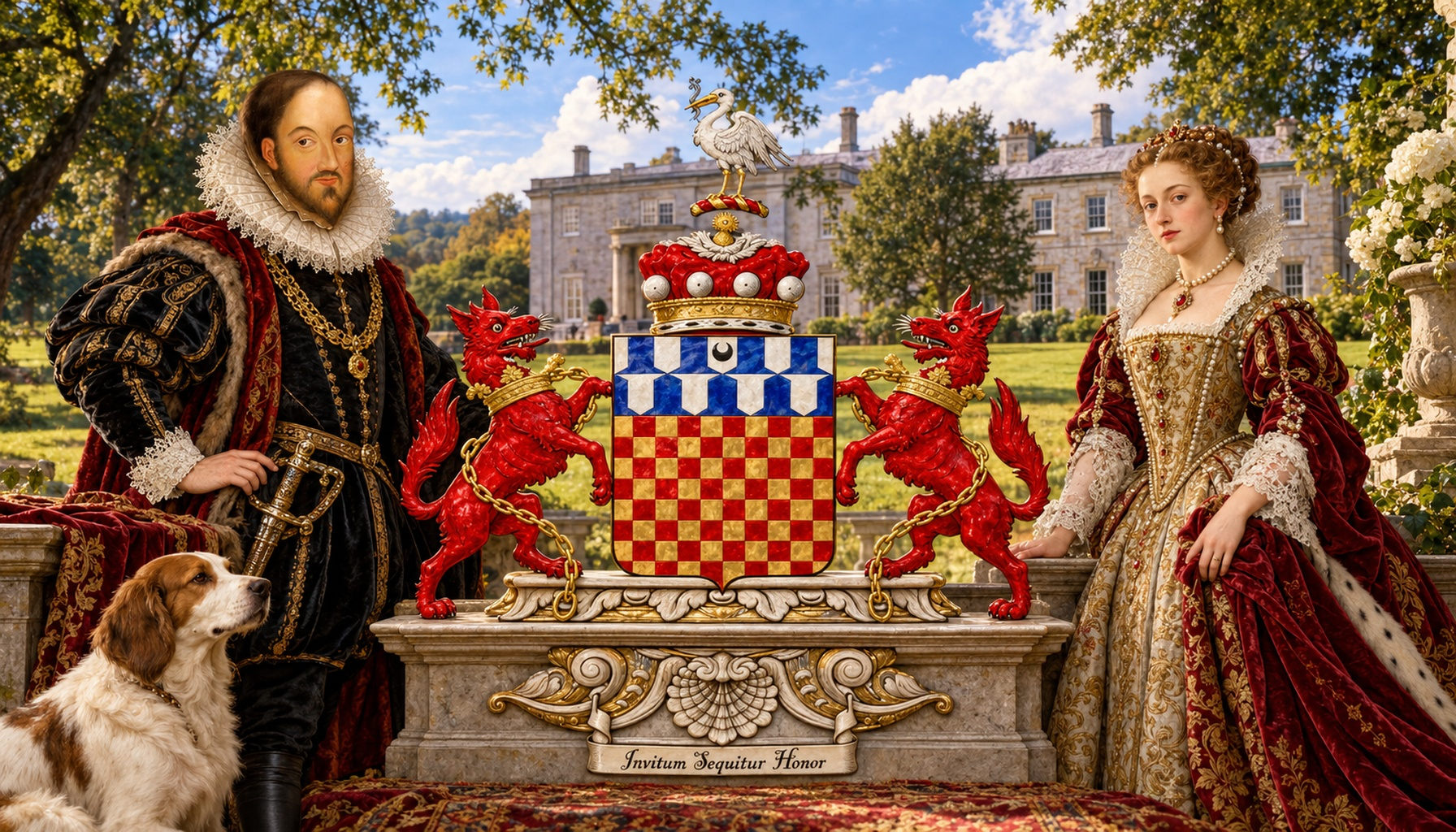
The House Chichester was one of those durable west-country families who seem to grow out of the landscape itself: rooted in Devon, shaped by estate management, local influence, and the long habits of royal service. Its main historical story begins in the later Middle Ages, when branches of the family became associated with Raleigh and other Devon properties, building power not through one dramatic coup but through the classic English recipe of land, marriage, office, and continuity. The haplogroup most closely linked here is R1b1a1b1a1a2a1b, a paternal line found widely across western Europe and very much at home in the deeper genetic history of Britain.
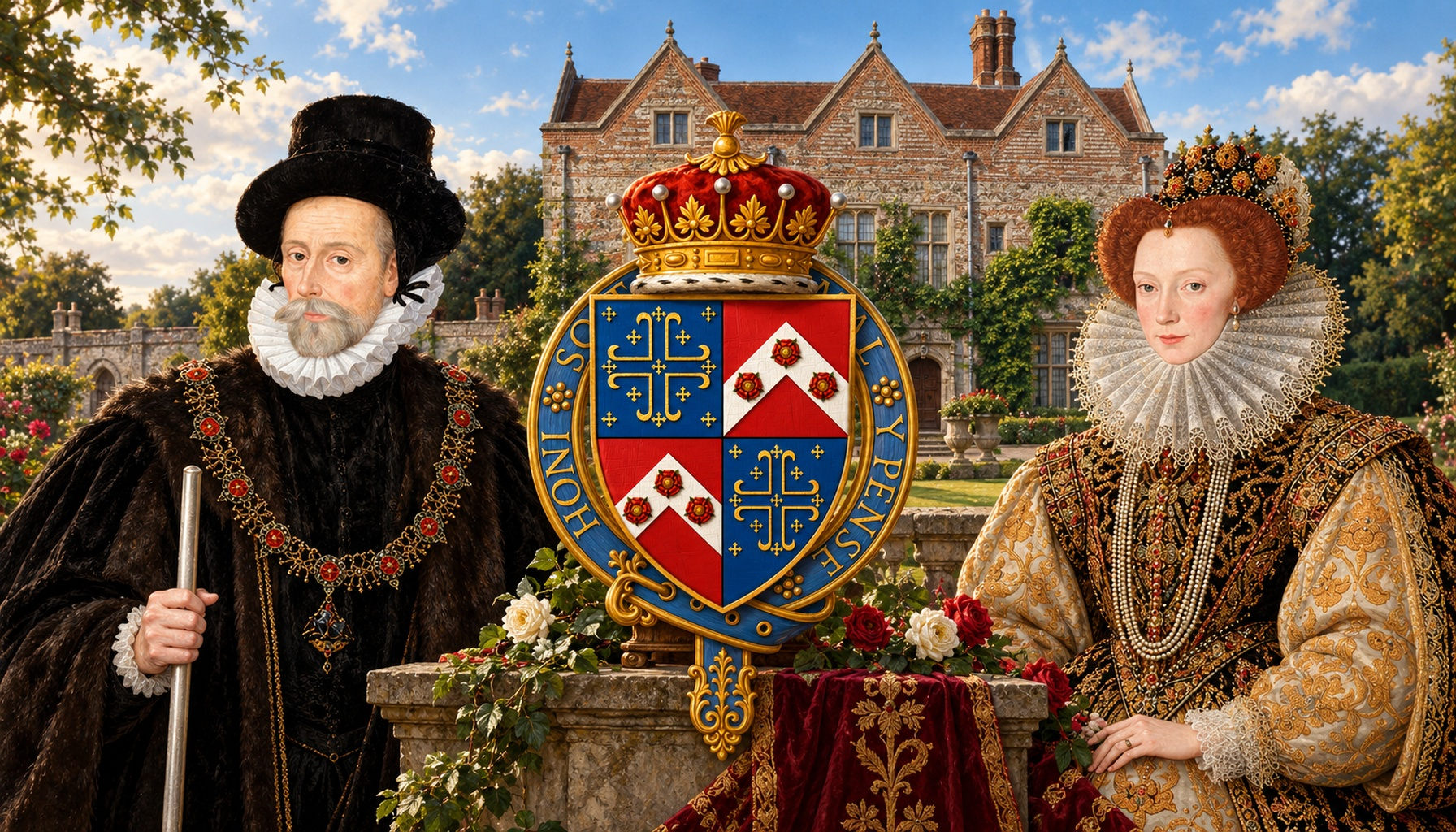
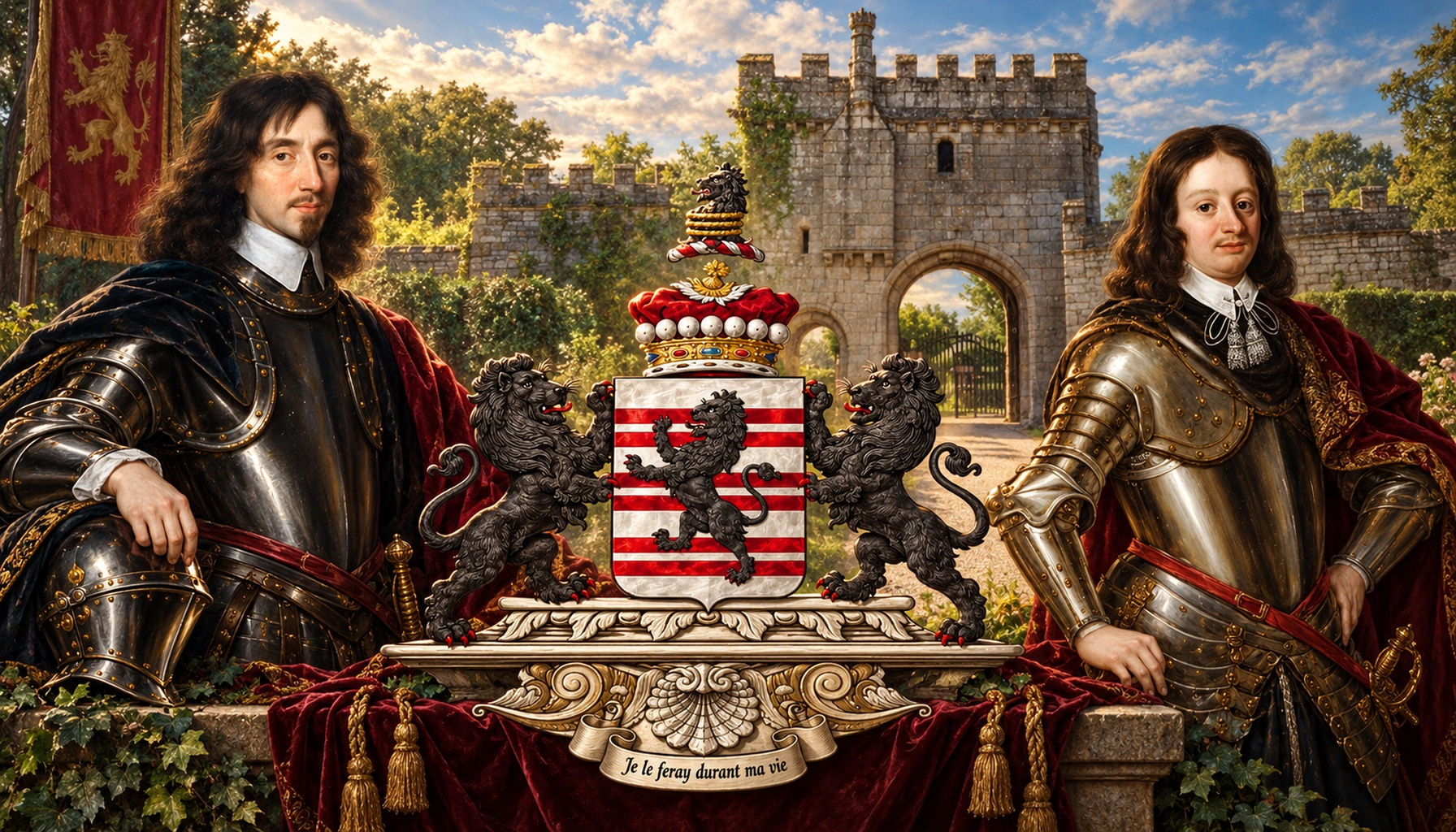
What makes the Chichesters interesting is that they were not merely local squires who stayed local. Over generations they moved outward from county influence into the larger political machinery of England and Ireland. Family members appear as soldiers, governors, members of Parliament, administrators, and later aristocratic officeholders, while cadet branches accumulated titles and estates. In that sense, the House Chichester is almost a textbook example of the English landed tradition: county power first, then royal service, then expansion into a wider British and Irish world. Among the notable early figures were Richard Chichester of Raleigh (1424-1498), Nicholas Chichester of Raleigh (1452-1498), and John Chichester of Raleigh (1474-1537), all part of the line that helped anchor the family securely in Devon's gentry and noble society.
Read more about the House Carew
One of the best-known Chichester seats was Arlington Court in north Devon, near Barnstaple and not far from Exmoor, a house that became especially associated with the branch descended from the Devon Chichesters. The present house is largely a neoclassical remodelling and rebuilding of an earlier residence, developed in the 19th century for the family, and it sits within landscaped grounds that advertise precisely the sort of long-lived landed status the Chichesters had spent centuries constructing. It is not a medieval fortress or a baronial fantasy; rather, it is a polished country house statement about permanence, taste, management, and inherited authority. Arlington Court later passed to the National Trust, and yes, it can still be visited, which means the Chichester story is not only read in pedigrees and parliamentary records but also walked in stone, parkland, and domestic display. Like so many great family seats, it tells a quiet but insistent story: power in Britain was often exercised not only in Westminster or Dublin Castle, but from houses like this, where county influence and national ambition met.
Explore the Noble House of Arundell
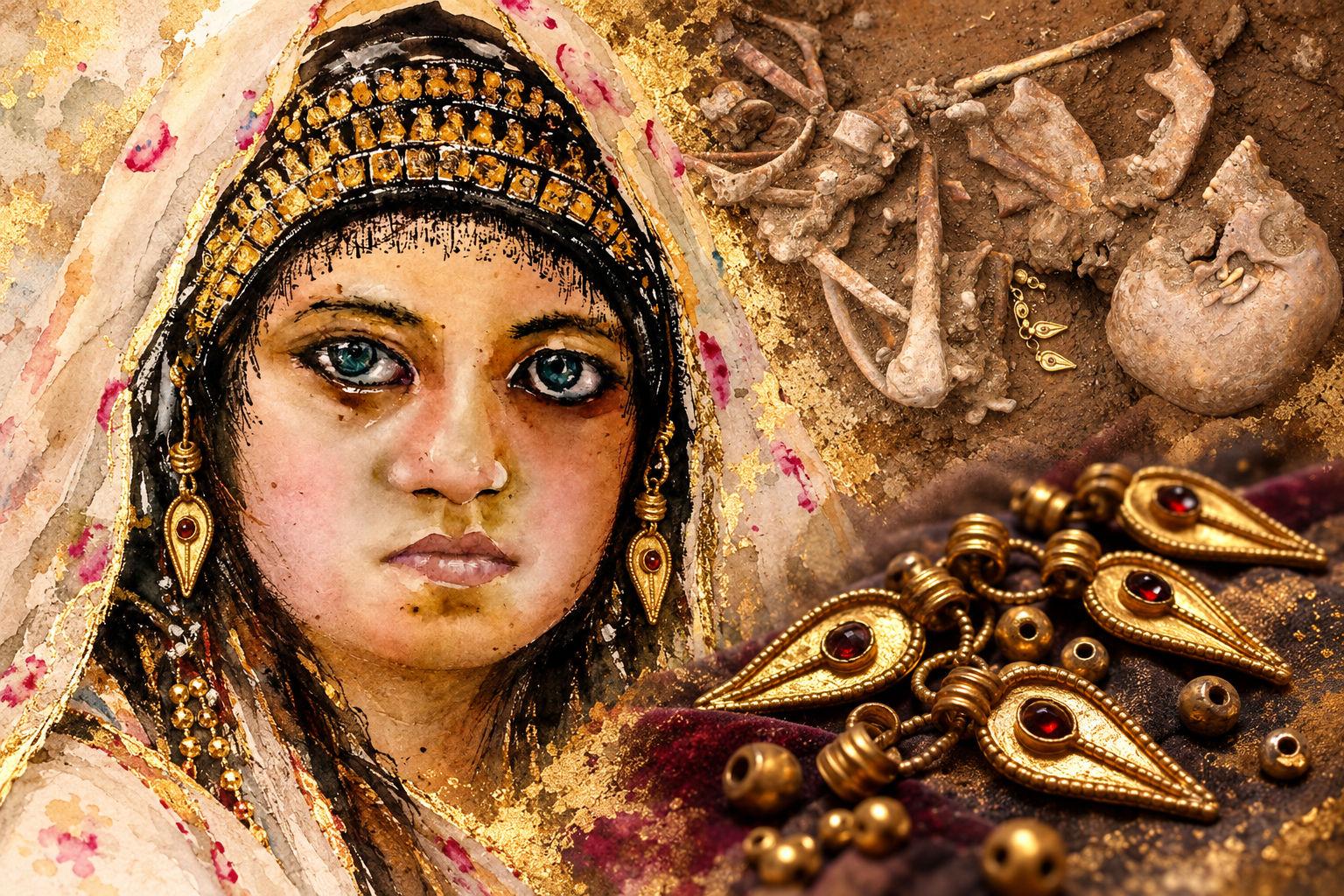
From a DNA perspective, the Chichester-linked haplogroup R1b1a1b1a1a2a1b belongs to a very old and very widespread western European paternal network. It appears in related or linked ancient samples from Iron Age and later Britain, Iberia, Gaul, and central Europe, which is exactly the sort of broad backdrop you might expect for a long-established English family with deep western roots. Among the relevant linked examples are Medieval Northern Spain Las Gobas samples ldo066, ldo037, ldo048, and ldo062, the Roman Era Fenstanton Cambridgeshire sample FEN008, the Celtic Durotriges sample WBK36 from Winterborne Kingston in England, and a cluster of Iron Age Parisi burials from East Yorkshire such as I36879, I36862, and I36965. There are also elite Celtic and later continental examples including APG001, APG003, and LWB001 from Germany, as well as later medieval and post-Roman samples from England and Ireland such as ATP_PSN_920, ATP_PSN_1217, and several Kilteasheen individuals in Roscommon. None of this proves direct descent from any one ancient person, of course. What it does show is that the Chichester family haplogroup sits inside a long archaeological continuum stretching from Bronze Age and Iron Age western Europe into the medieval populations from which families like the Chichesters eventually emerged.
Explore Ancient DNA in Post-Roman Britain
If the House Chichester catches your imagination, that is because it stands at the crossroads of genealogy, local history, and the deeper human past: a Devon family, certainly, but also part of the long story of how land, lineage, service, and mobility shaped Britain. Uploading your DNA can help you see whether you match the House Chichester profile or related ancient DNA samples linked to R1b1a1b1a1a2a1b across Britain and Europe.
Comments