The House Fairfax
– 3 min read


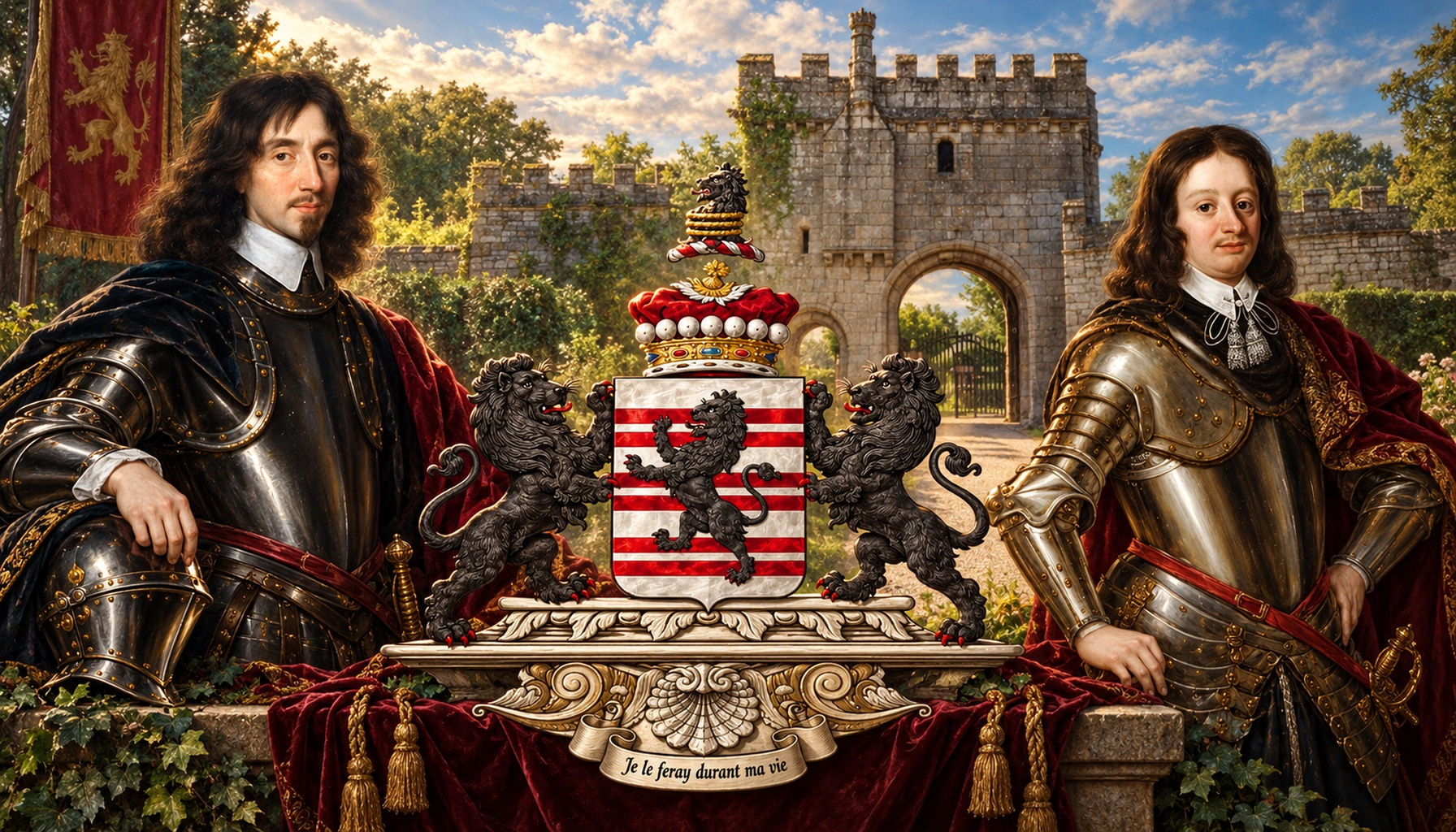
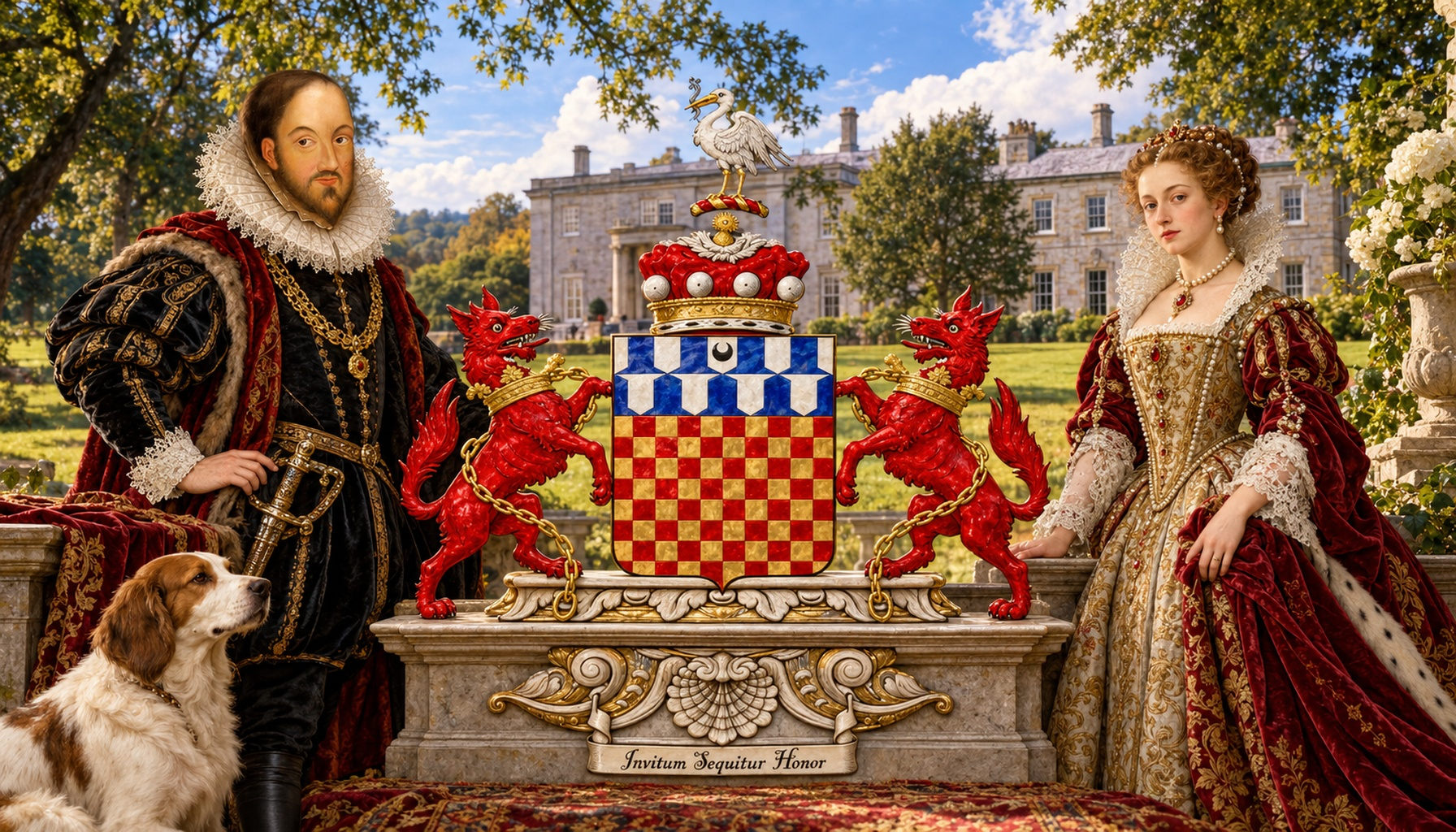
The House Fairfax was one of the notable old northern families of England, rooted above all in Yorkshire and associated over time with Walton, Steeton, Denton, and other estates across the north. In genetic terms, the primary family haplogroup linked with this line is R1b1a1b1a1a2c1a5a2b1a, a branch within the great R1b family that appears widely across the history of Britain and Ireland. The Fairfaxes belong to that very English story in which a landed family did not burst onto the scene all at once, but rose steadily through law, office, marriage, service, and local authority.
The family seems to have emerged from the landscape of medieval Yorkshire itself, in a region where lordship, parish life, royal administration, and landholding were tightly interwoven. Their early prominence grew through estates at Walton, Steeton, and nearby properties, and by the fifteenth century they were already producing substantial public figures. Richard Fairfax of Walton, recorded in 1422, stands among the earlier named members of the line; Guy Fairfax of Steeton (1405-1495) became an important judge and gave the family real standing in the legal and political world; and William Fairfax of Steeton, active in the sixteenth century and born in 1535, belongs to the generation that helped carry the family from strong local gentry into wider national importance. By the seventeenth century the name had become unmistakable: this was the family of the Lords Fairfax of Cameron, and of Thomas Fairfax, one of the most formidable commanders of the English Civil War.
Read more about the House of Wentworth
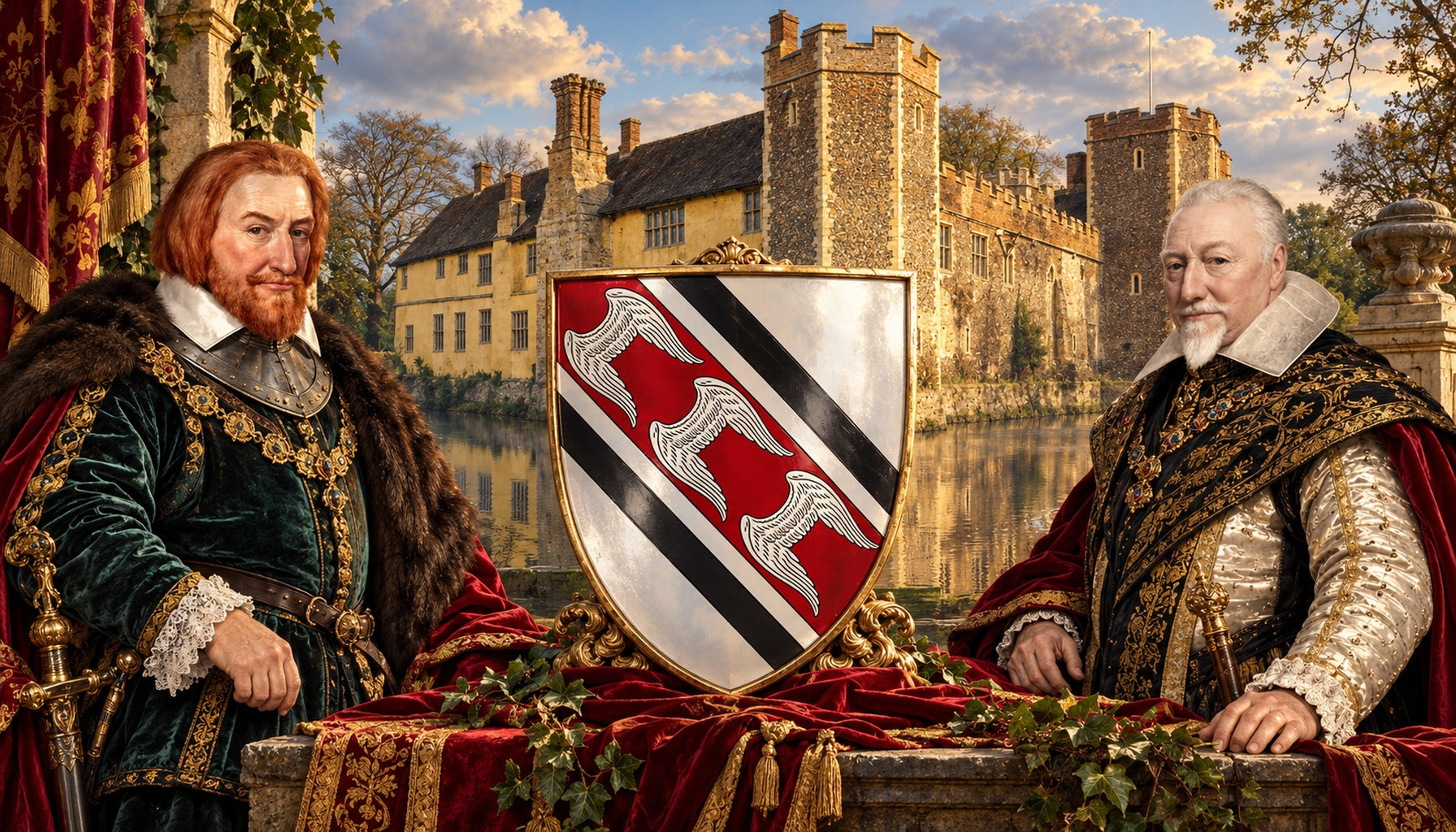
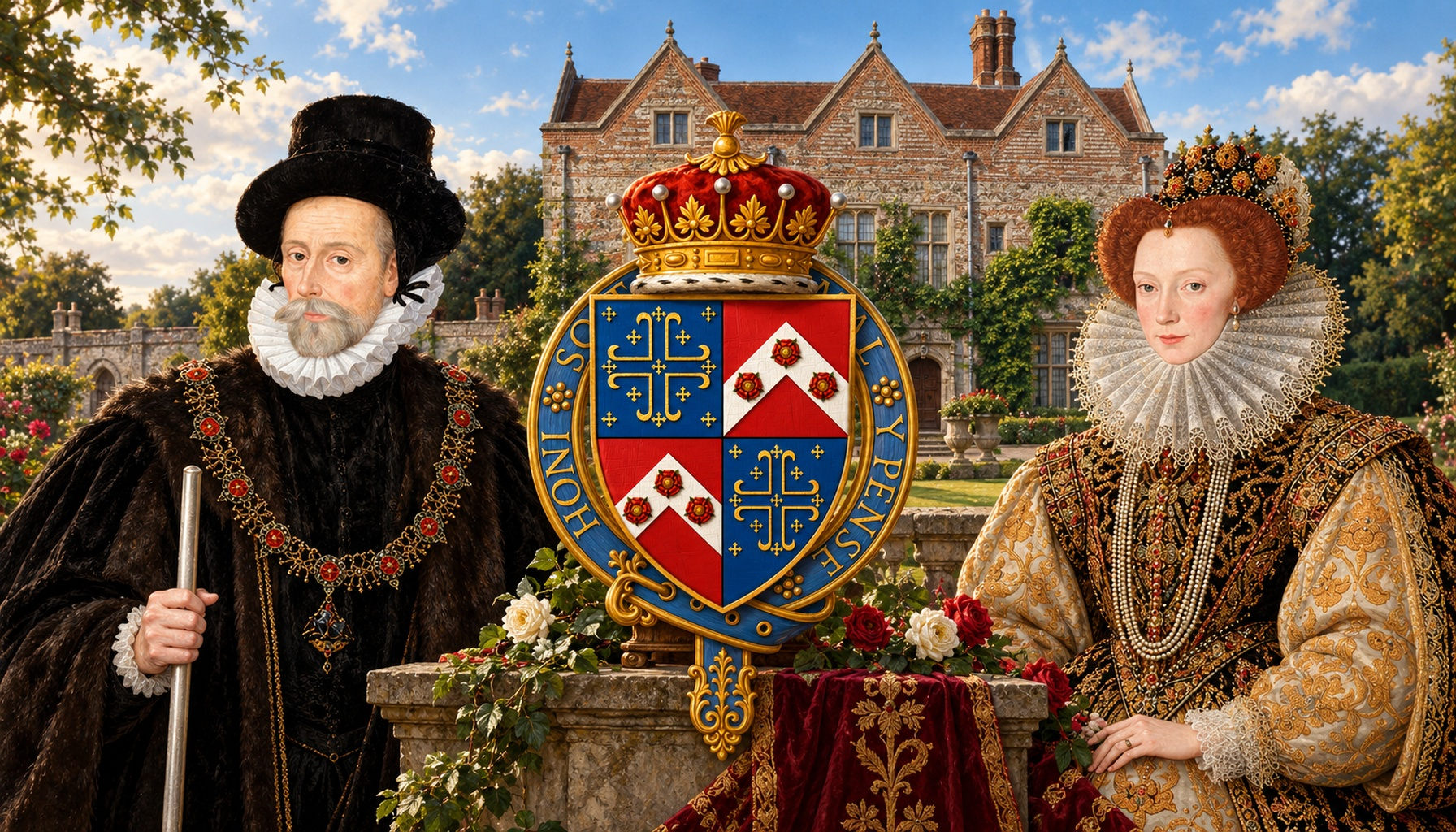
Steeton Hall was one of the great anchors of Fairfax identity, and not just a pin on a pedigree chart. The surviving building, listed by Historic England, preserves part of that long story in stone. What stands today includes important late medieval and later work, with a substantial hall house core and features that speak to status, continuity, and adaptation rather than showy reinvention. It is built in coursed stone rubble with stone slate roofs, and its fabric reflects several phases of development, including a medieval hall range and later alterations that turned an old gentry house into the layered historic building now recognized. In other words, this is exactly the sort of place where one can see a family like the Fairfaxes growing over generations: not in a single dramatic palace-building moment, but through additions, remodelling, and the quiet accumulation of authority. As a listed historic building, Steeton Hall can at least be seen and appreciated from its setting, though access to the interior may depend on ownership and current arrangements, so it is best approached as a heritage site to visit respectfully rather than a fully open visitor attraction.
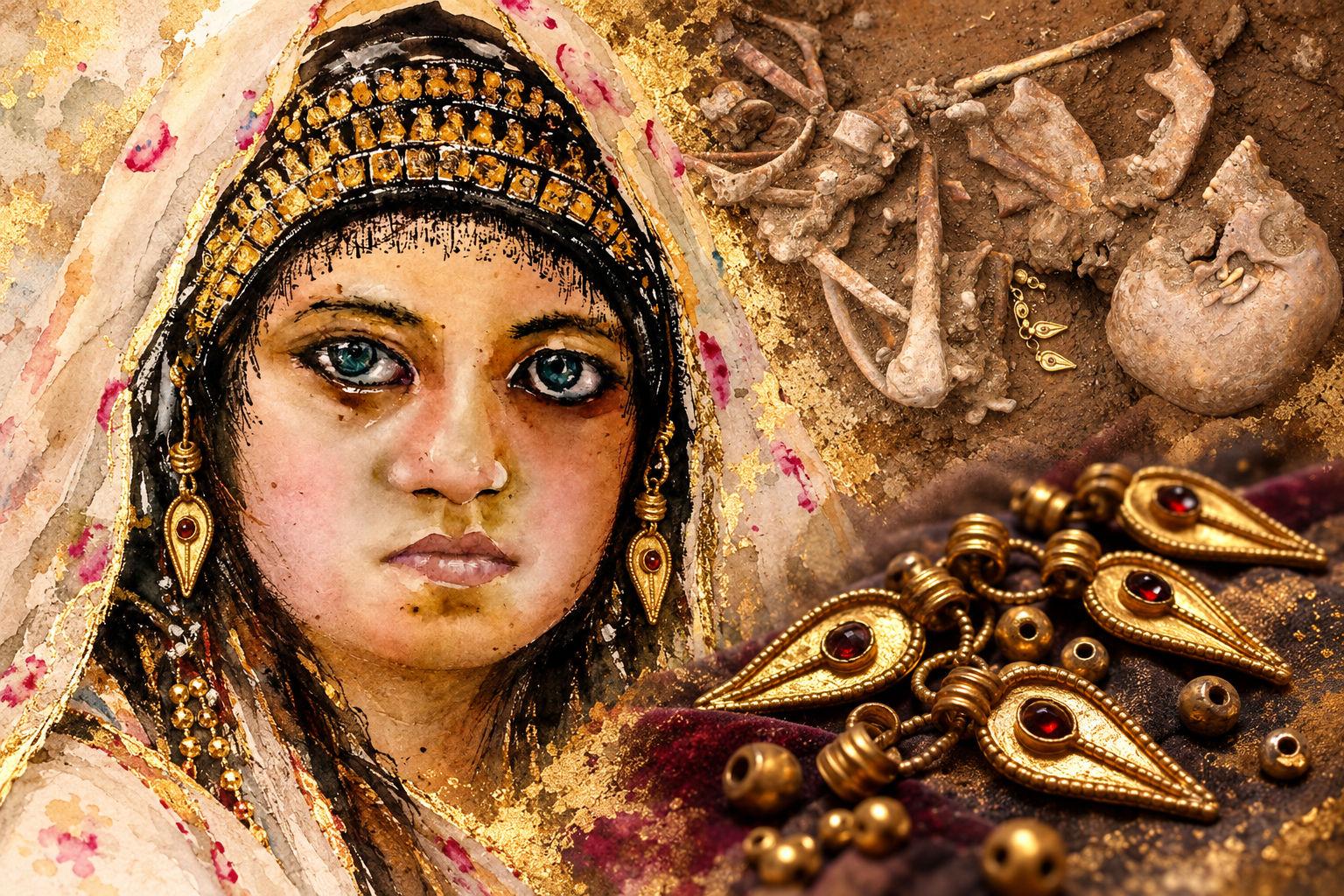
From the ancient DNA angle, the Fairfax-associated haplogroup R1b1a1b1a1a2c1a5a2b1a sits within a much older web of paternal ancestry in Britain and Ireland. Related or linked ancient samples help sketch the deeper background, even though they should not be treated as direct ancestors of the Fairfax family without specific evidence. Among them are an Early Anglo-Saxon individual from West Heslerton, Yorkshire (I11586), a particularly evocative comparison given the family's Yorkshire roots, alongside Celtic Briton samples from Carsington Pasture Cave in Derbyshire (I12775), Lechlade-on-Thames in Gloucestershire (I12783), and Bradley Fen in Cambridgeshire (I11156), as well as an Iron Age individual from Greystones Farm, Gloucestershire (I12785). Further back still, Rathlin1B from Copper Age Ireland reminds us how deep and widespread kindred R1b lineages became around the Irish Sea world. Taken together, these linked samples suggest the kind of long-term population history from which later northern English families like the Fairfaxes emerged: a mixture of deep Bronze Age and Iron Age foundations, later reshaped by Romano-British, early medieval, and Anglo-Saxon eras.
Explore ancient DNA in Post-Roman Britain
If you are exploring Fairfax heritage, this is where family history becomes especially fun: names in pedigrees, halls in Yorkshire, Civil War generals, and now the added dimension of DNA. Upload your DNA to MyTrueAncestry to see whether you match the House Fairfax profile or related ancient DNA samples from Iron Age, Celtic Briton, Anglo-Saxon, and early British contexts.
Comments