The House Stapleton

– 3 min read


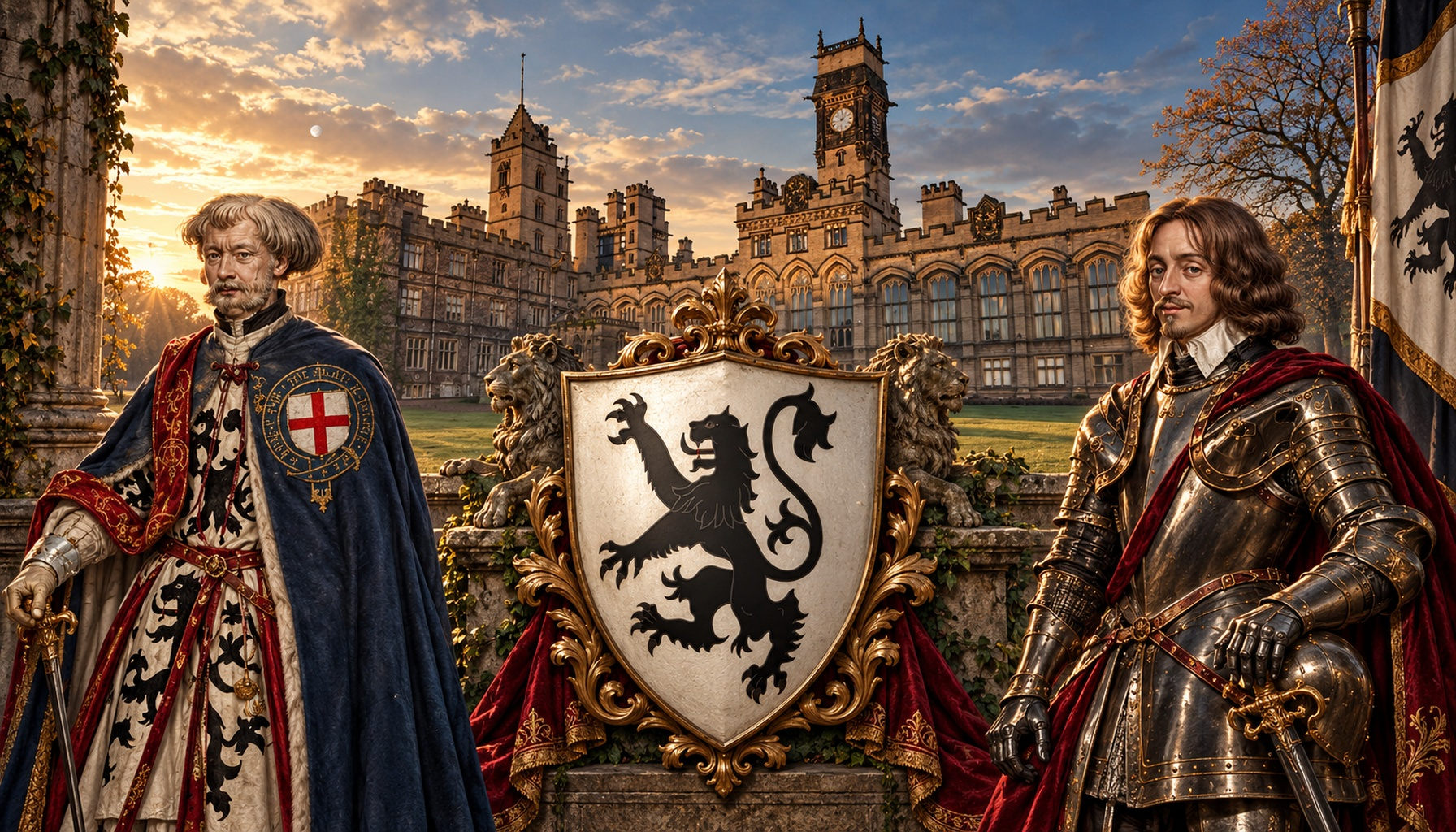
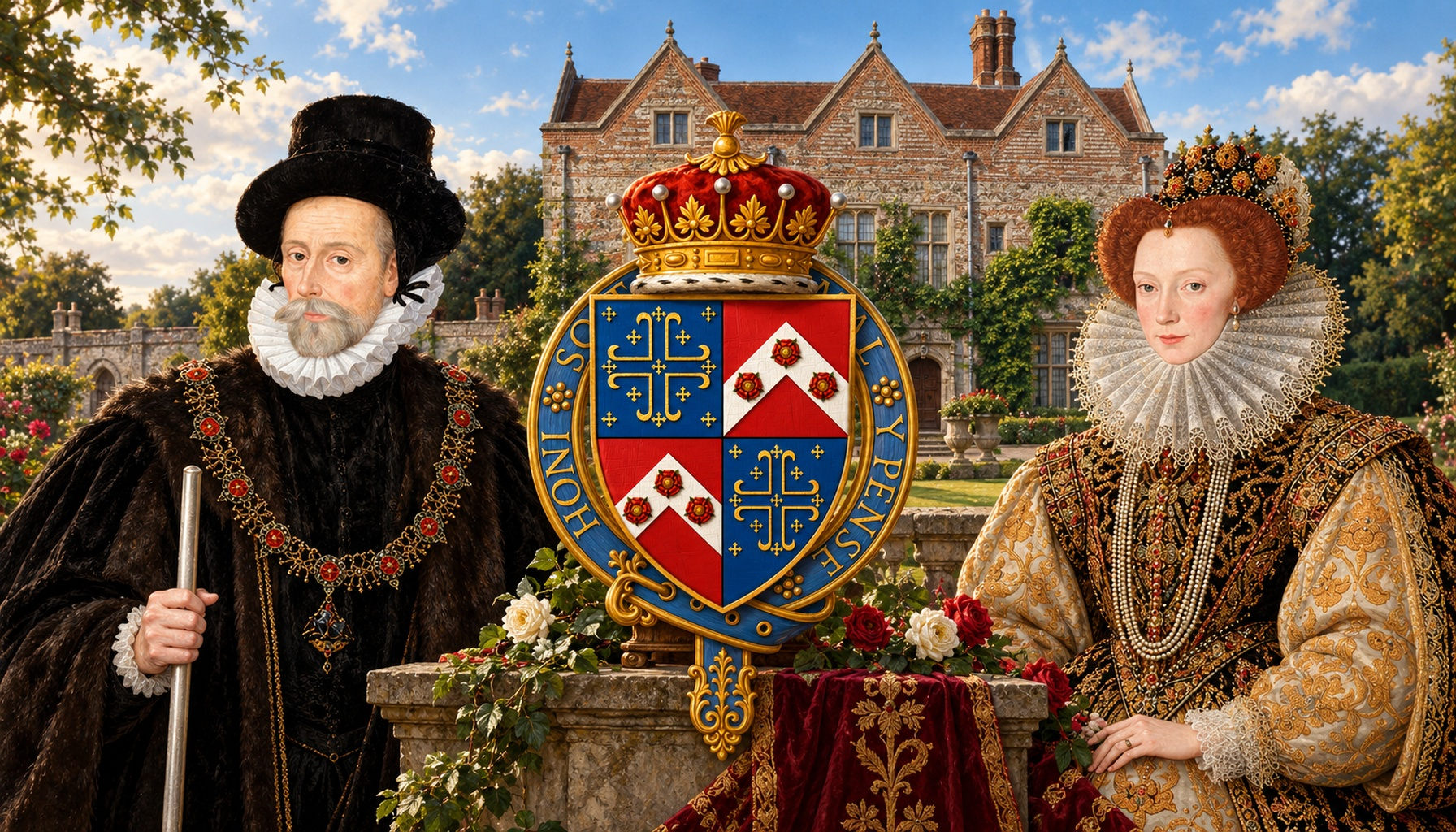
The House Stapleton was an old Anglo-Norman noble family rooted in northern England, especially Yorkshire and the lands around Stapleton-on-Tees, from which the family took its name. In haplogroup terms, the line is here tagged with R1b1a1b1a1a2c1a1e, the primary family haplogroup. Historically, the Stapletons fit a very recognisable medieval northern pattern: a family that grew through knightly service, control of land, military usefulness to the Crown, and carefully judged marriage alliances with other regional powers.
The setting matters. This was a border-conscious world shaped by the aftermath of the Norman Conquest, the making of feudal lordship in the north, and the long pressure of Anglo-Scottish war. Families like the Stapletons did not become important simply by owning a manor and sitting still. They had to serve, fight, negotiate, marry well, and survive. Among the better-known early figures were Nicholas de Stapleton II (1189-1246), Nicholas de Stapleton III (1236-1291), and Miles de Stapleton, 1st Lord Stapleton (1263-1314), perhaps the most famous of the medieval line. Miles stands out because he embodied the family at its most public: a landholder, soldier, and royal servant active in the great conflicts of his age, especially the wars between England and Scotland.
Read more about the House Fairfax
The Stapletons were never just a name on a pedigree. Their story is one of estate continuity across generations, of local influence tied to wider politics, and of that very medieval truth that nobility was as much a job as a status. Service could bring favour, but it also brought danger. In the north especially, the fortunes of a house rose and fell with war, loyalty, inheritance, and marriage. Later branches remained substantial Yorkshire landowners, and in time the family became especially associated with Carlton Towers, which gave the Stapleton story a striking architectural anchor as well as a genealogical one.
Carlton Towers, in North Yorkshire near Selby, became the best-known later seat of the Stapleton family and remains the place most people now associate with the house. At its core stands a country house that developed out of an earlier structure but was dramatically remodelled in the 19th century, giving it the grand Gothic Revival character it wears today. It is one of those buildings that tells a long family story in stone: medieval roots, aristocratic continuity, later reinvention, and a very Victorian desire to present ancestry as spectacle. Its towers, chapel, and richly theatrical silhouette make it far more than a plain ancestral residence; it is a statement about lineage, memory, and survival.
That is why Carlton Towers matters historically. It shows how an old knightly and baronial family translated medieval lordship into the language of the great landed house. The estate links the world of the early Stapletons around Tees-side and Yorkshire with the later social world of county influence, hospitality, and inherited prestige. It is also not merely a ruin or a vanished memory. Carlton Towers still stands and is known today as a venue and heritage site, so it can reasonably be said that it can still be visited.
Explore the House of Wentworth
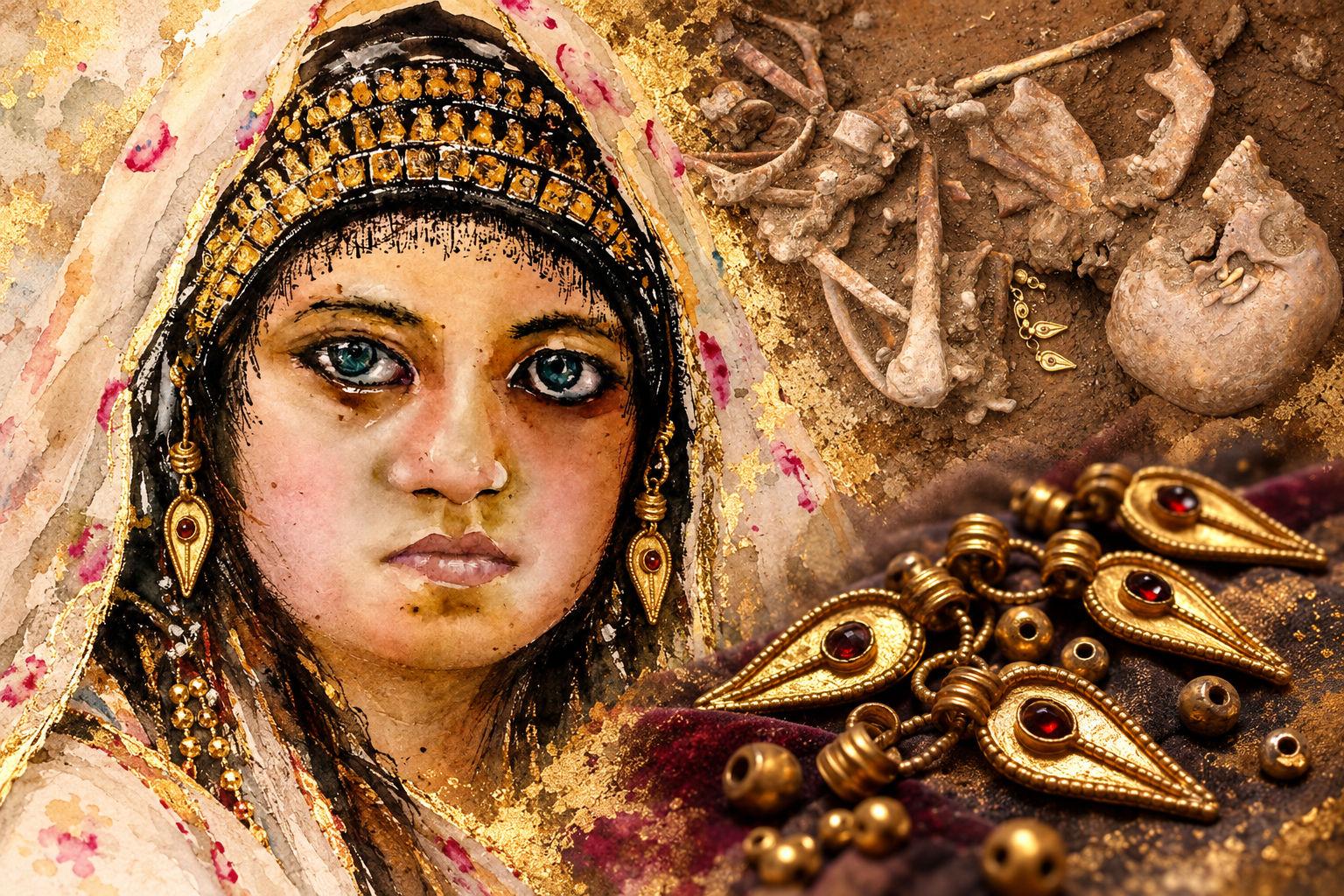
From a DNA perspective, the Stapleton haplogroup tag R1b1a1b1a1a2c1a1e sits within a wider western European and particularly British-Irish archaeological landscape. That does not prove direct descent from any excavated ancient person, and it should not be treated as a straight family tree stretching neatly back through time. But it does place the lineage in a deep cluster of related or linked ancient samples found across Iron Age, Roman, early medieval, and medieval contexts. Especially suggestive for a Yorkshire-rooted noble house are the many linked British samples from East Yorkshire and surrounding regions, including Celtic Parisi and Arras Culture individuals from Wetwang Slack, Pocklington, Melton, and Burton Fleming, as well as later linked samples from Roman, Saxon, and medieval Britain. Beyond Britain, related R1b-linked examples in the list include Durotriges burials from Winterborne Kingston, Las Gobas individuals from northern Spain, a Gallic Cenomani context in Italy, Roman-era Zadar in Croatia, and even deeper prehistoric anchors such as Bronze Age Orkney and Yorkshire finds. In other words, the Stapleton haplogroup sits in a broad northwestern European story of continuity, movement, and local survival rather than in one single isolated medieval origin tale.
Explore Ancient DNA in Post-Roman Britain
If the House Stapleton speaks to your own family story, whether through Yorkshire roots, Anglo-Norman ancestry, or a DNA connection to haplogroup R1b1a1b1a1a2c1a1e, you can take the next step. Upload your DNA to MyTrueAncestry and see whether you match the family, or related ancient DNA samples from Iron Age Yorkshire, Roman Britain, and medieval northern Europe.
Comments