Clan Armstrong
– 3 min read


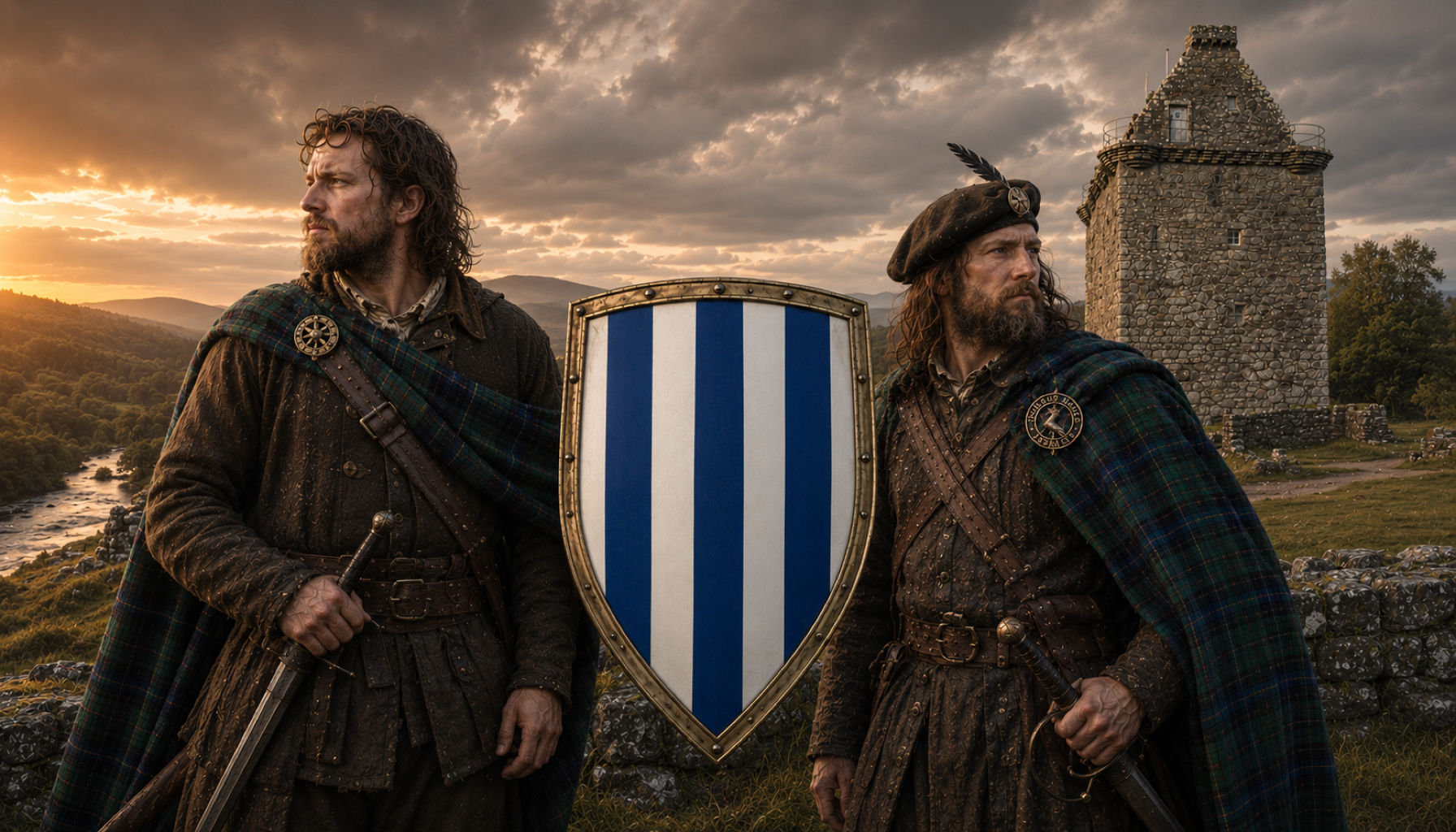
Clan Armstrong was one of the great riding families of the Scottish Borders, rooted above all in Liddesdale, Eskdale, and the rough frontier country of the western marches between Scotland and England. This was not a polite, courtly landscape. It was a hard border society of watchfulness, cattle raiding, shifting loyalties, family alliances, and sudden violence, and the Armstrongs flourished in exactly that world. Their name is strongly associated with the Lowland Scottish Clan Armstrong, and their best-known genetic tag in family projects is often linked with Y-DNA haplogroup R1b1a1b1a1a2, a major western European paternal line with deep roots across Britain and the wider Celtic world.
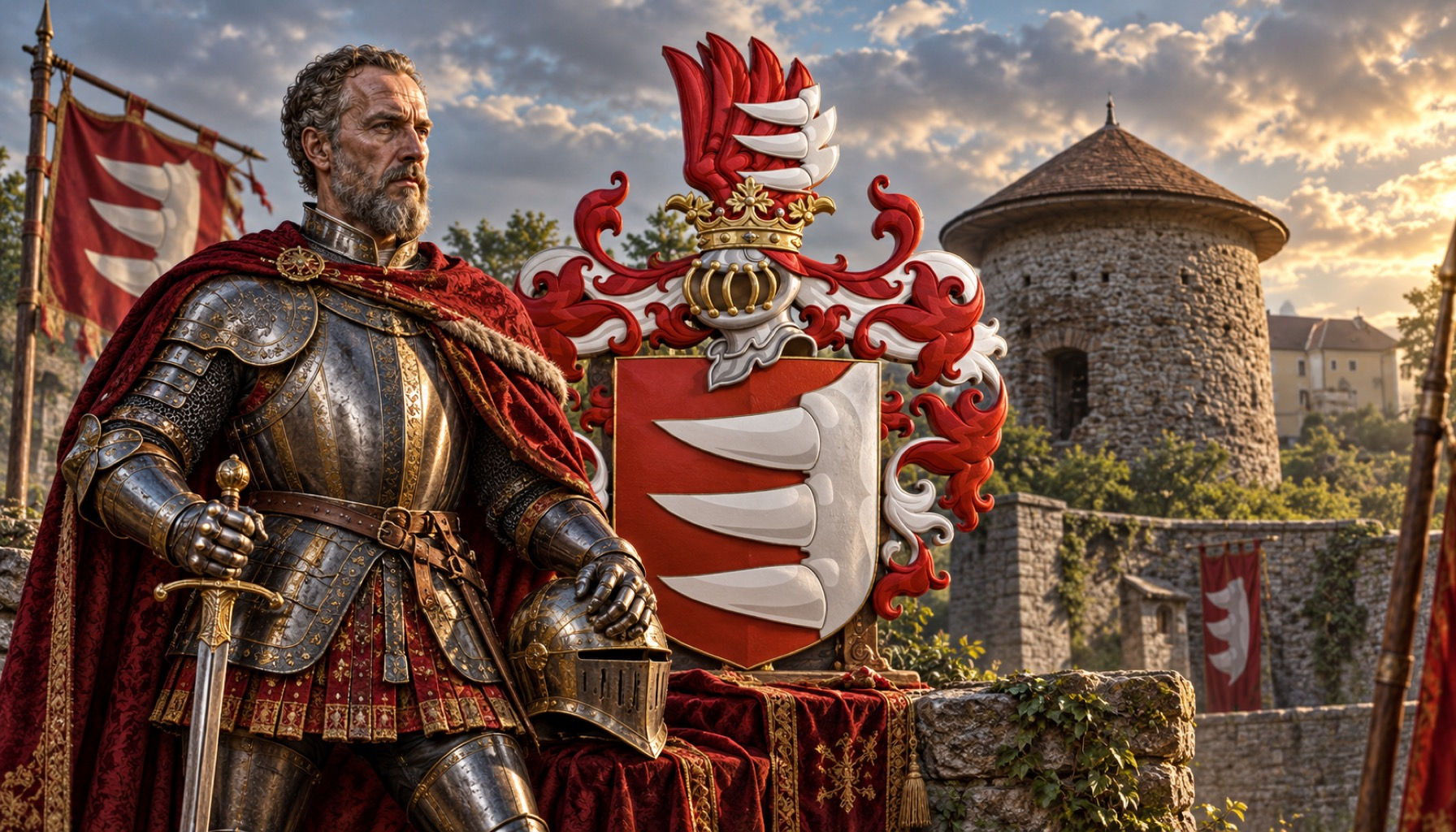
The Armstrong story is, in many ways, the classic Border story. Their strength did not depend simply on noble title or royal favour, but on kinship, horses, strong towers, and the ability to move quickly across contested land. They were famous as Border reivers, feared by enemies, troublesome to governments, and admired in later memory for stubborn independence. Their motto, Invictus maneo, meaning I remain unvanquished, suits them perfectly: again and again the family appears in history as difficult to subdue, proud of its survival, and determined to hold its place in a dangerous frontier zone. Later Armstrongs spread far beyond the Borders, and the surname became known globally, with figures as different as frontier Armstrong lairds and Neil Armstrong reminding us how one family name can travel from medieval debateable land to the Moon.
The location anchor of Clan Armstrong is the Debateable Land and the valleys around Liddesdale, especially the district near Gilnockie and Mangerton in the Scottish Borders, close to the River Esk and the Anglo-Scottish frontier. Historically, this was one of the least governable regions in Britain, a place where the writ of kings often ran thin and local surnames mattered more than distant crowns. The Armstrongs became especially connected with Gilnockie Tower, traditionally associated with Johnnie Armstrong of Gilnockie, the famous sixteenth-century reiver whose execution by James V became part of Border legend. Mangerton Tower was another important Armstrong seat, and together these sites evoke the architecture of a clan that lived prepared for alarm: towers, peel houses, lookout points, and enclosed ground rather than grand palaces. Much of this country can still be visited today, and Gilnockie Tower in particular remains a tangible place where the Armstrong story can be encountered in the landscape that formed it.
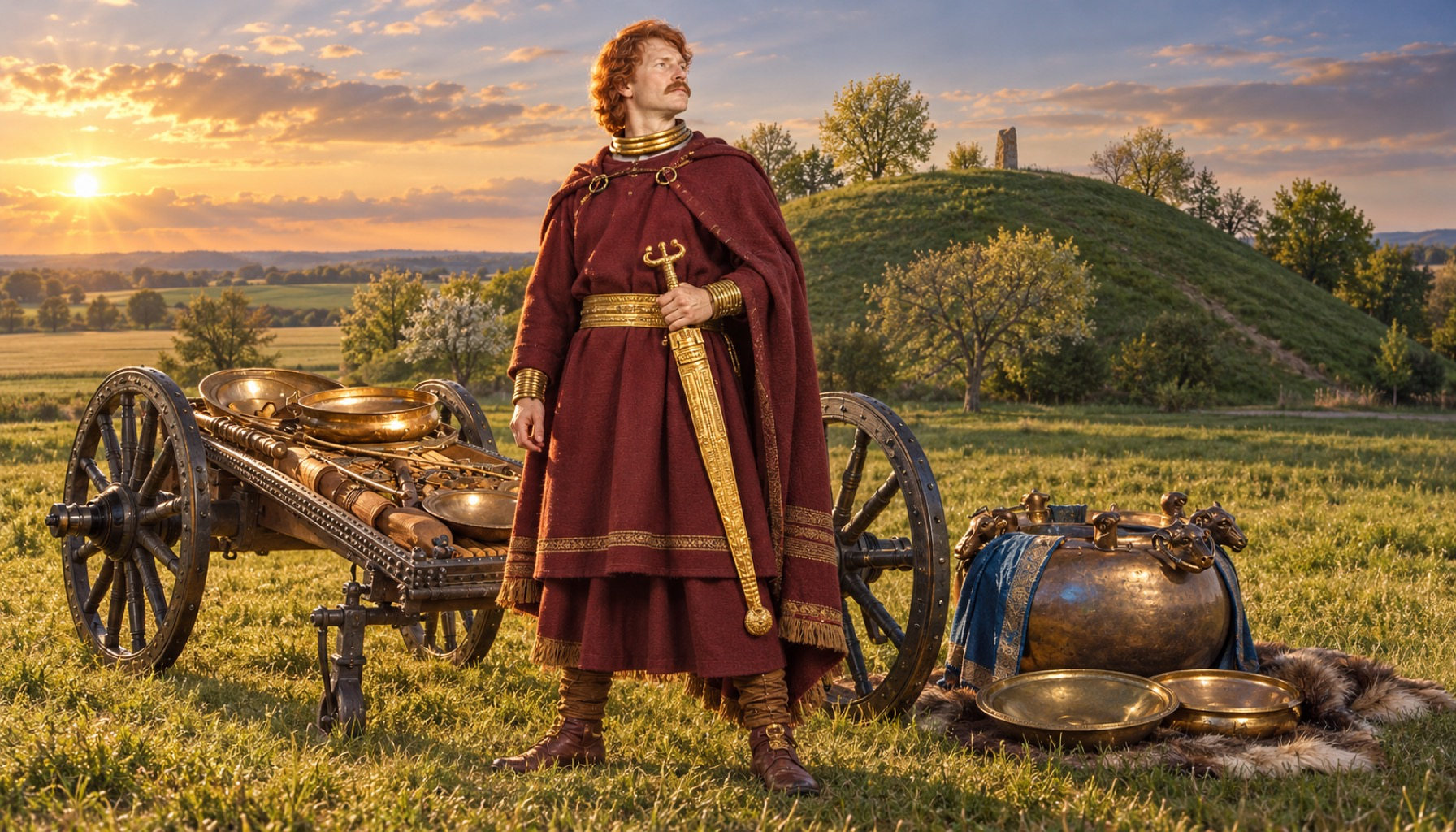
For DNA enthusiasts, the Armstrong haplogroup tag R1b1a1b1a1a2 sits within a very broad and long-lived western European paternal tradition. That does not prove direct descent from any ancient individual, of course, but it does place the family within a lineage seen in a striking range of related ancient samples. Among them are Elite Celtic Burial Germany Magdalenenberg Villingen-Schweningen (MBG013), Elite Prince Celtic Germany Eberdingen-Hochdorf Biegel (HOC001), Gallo-Celtic Switzerland Pont de Cornaux-Les-Sauges (3439), Roman Era England Northwest Cambridgeshire Eddington (NWC009), Roman Era Fenstanton Cambridgeshire (FEN012), Celtic Durotriges England Duropolis Winterborne Kingston samples such as WBK103 and WBK17, and even Pict Era Scotland Black Isle Rosemarkie Cave samples such as KD001 and related individuals from that group. In other words, the wider haplogroup landscape linked to Armstrong research turns up in Bronze Age, Iron Age, Roman, and early medieval contexts across Britain and continental Europe, fitting rather well with a Border clan whose historic identity sat at the meeting point of older Celtic, British, and frontier traditions.
If you carry the Armstrong surname, have Armstrong lines in your family tree, or simply suspect Border ancestry, DNA can add an entirely new dimension to the story. Upload your DNA to MyTrueAncestry to see whether you match Clan Armstrong, compare yourself with related ancient DNA samples, and explore how your family history may connect to the wider human past.
Comments