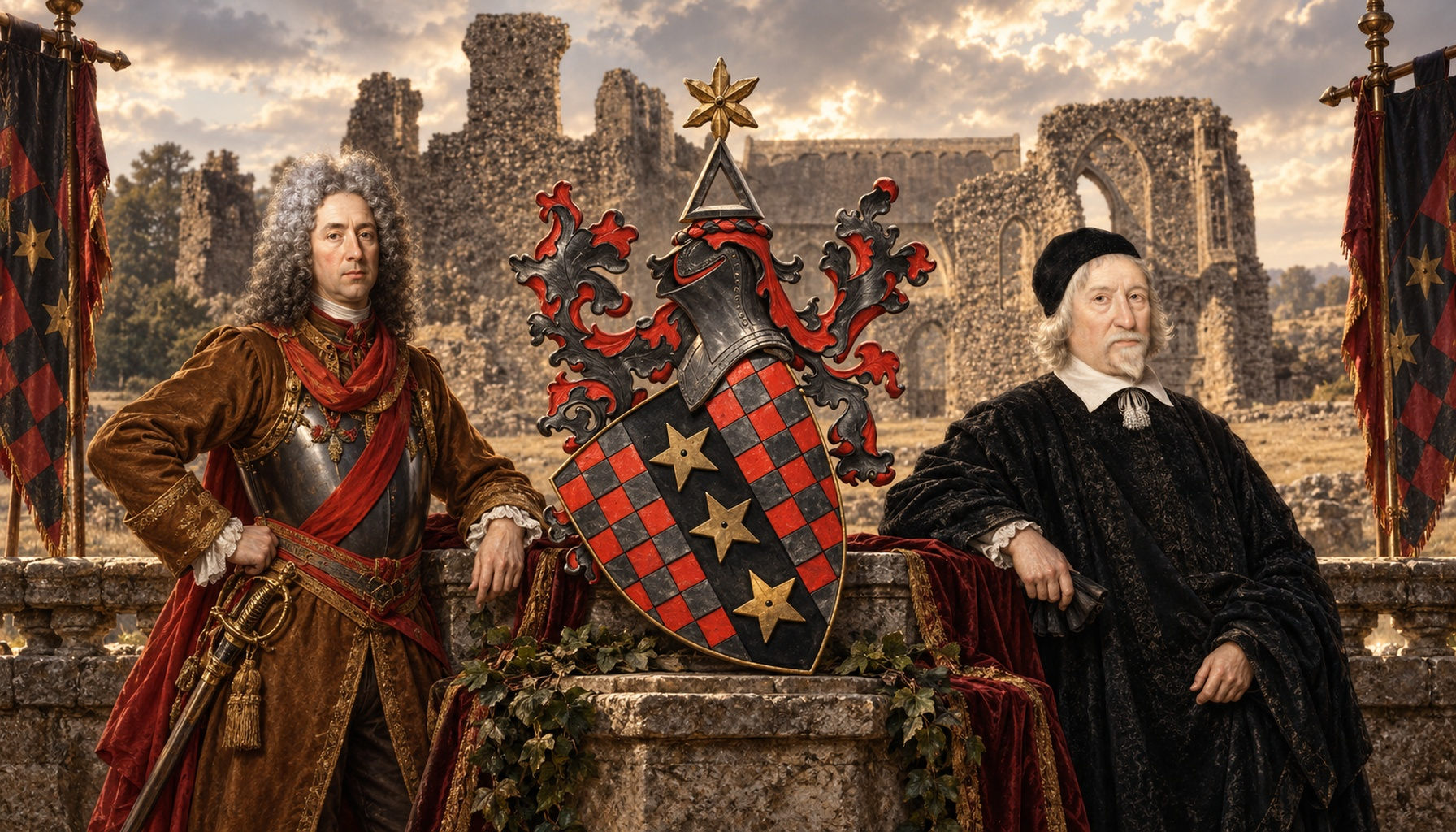
Archaeological Discoveries at the Edge of the Ancient World

Archaeological Discoveries at the Edge of the Ancient World

The excavations described in this comprehensive study focus on small, remote communities that once stood at the margins of powerful kingdoms. At these windswept borders of past empires, archaeologists are uncovering graves, ruined settlements, and forgotten ritual spaces that fundamentally change how we understand life and death in antiquity. Instead of grand palaces, the archaeologists find low stone houses, simple workshops, and defensive walls built in haste. These settlements look modest, but they tell a vivid story: farmers, soldiers, traders, and their families living under constant pressure from harsh weather, wild landscapes, and the threat of conflict.

Frontier Settlements Frozen in Time

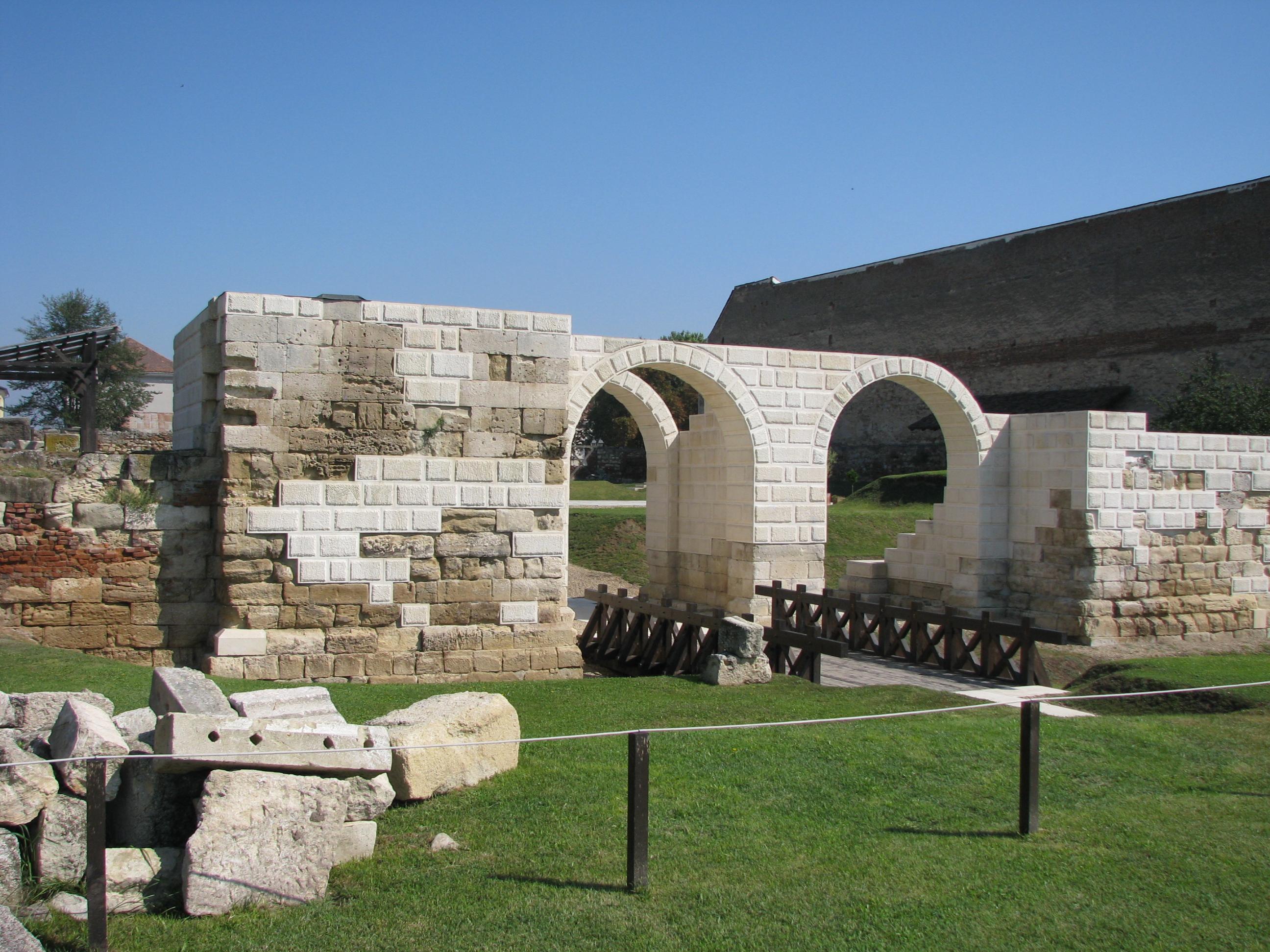
Layers of ash and collapsed walls reveal episodes of sudden destruction throughout these frontier zones. In one area, a burnt gatehouse still holds iron fittings fused by intense heat, suggesting a dramatic attack or accidental fire. Scattered animal bones and broken storage jars show how people stored food, cared for their livestock, and tried to survive in a tough environment. These are not the grand cities of emperors and marble, but the quieter edges where ordinary people lived under the shadow of larger historical forces.

The excavations are set in places that once stood at the limits of larger powers – the kind of spots where a Roman road might end, where a river marked a tribal boundary, or where a new settlement was carved out of forest or marsh. Hearths with layers of ash, grinding stones worn smooth by years of use, and simple cooking pots patched again and again all speak of daily routines that continued despite the uncertainties of frontier life.

Grave Goods and the Drama of Burial

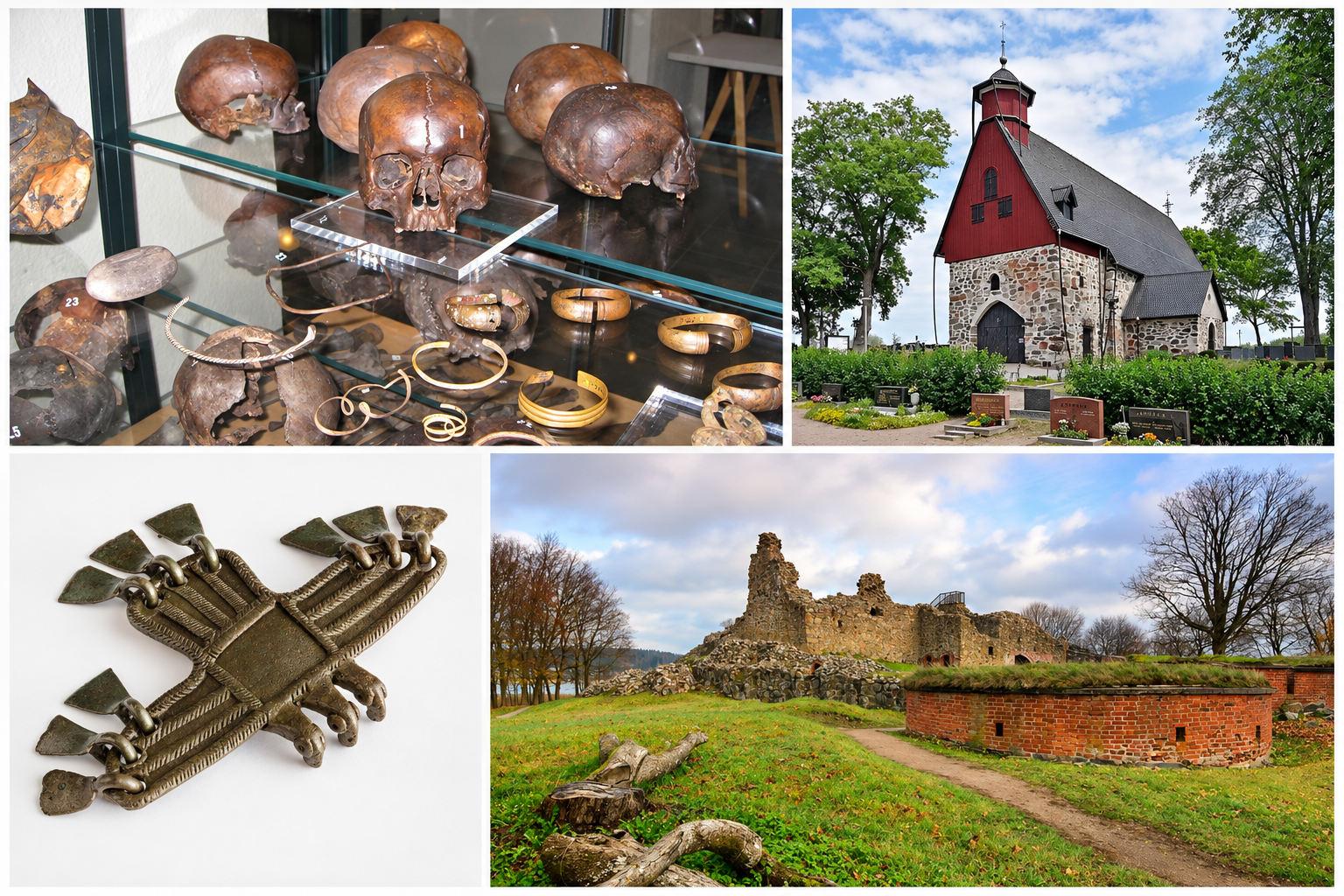
Some of the most gripping discoveries come from the cemeteries just outside these frontier settlements. Rows of graves carefully dug into the earth contain not just bodies, but also personal belongings placed with great care. These grave goods speak louder than any written text, revealing the intimate details of how communities honored their dead and expressed their identities.

In one burial, a young warrior lies with a spear at his side and a shield boss near his shoulder. Metal fittings from a belt, once polished and proud, are now dark with age. Tiny beads, once sewn into clothing or worn as necklaces, cluster near the neck and chest. Another grave, belonging to a woman, holds finely made pottery, a small mirror, and delicate pins that once fastened her hair or cloak. Together, these finds suggest a community that invested emotion and effort in the final send-off of its dead.

The pattern of grave goods varies significantly between burials, helping to reconstruct different roles within the community: fighters, craftworkers, traders, and caretakers of the home. In one cemetery, male graves cluster with spears, shields, and knives, while female graves hold strings of beads, spindle whorls for spinning thread, and intricately made pins and brooches. Each grave becomes a time capsule, preserving not only objects but also the social structures and relationships of the living community.

Remarkable Individuals Beneath the Soil

Several striking individuals emerge from these excavations, their burials standing out from the rest. One grave, slightly larger and more richly equipped than its neighbors, may belong to a local leader. Here, archaeologists uncovered a finely crafted drinking cup, a decorated knife, and a set of imported objects from distant lands. These items hint at long-distance contacts and the importance of feasting, gift-giving, and display of status at the very edge of the ancient world.

Another burial, that of a child, reveals particular care in its arrangement. Small toys, a tiny pendant, and a miniature vessel accompany the body. These objects are not grand, but they are deeply personal, showing that grief and love for the dead were just as real here on the frontier as in any great capital city. The grave brings readers close to the emotions of an ancient family mourning their youngest member.

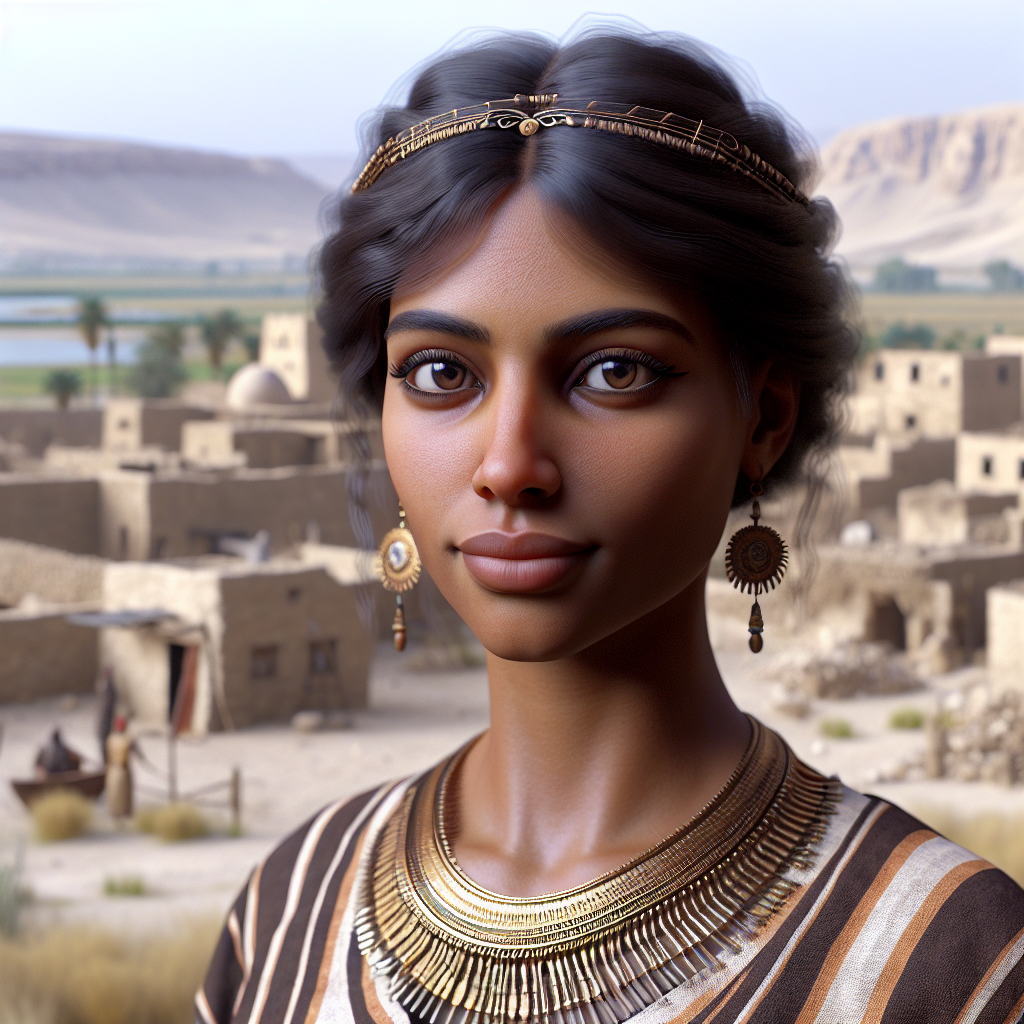
A woman buried with distinctive dress fittings, hairpins, and jewelry provides evidence of mobility and cultural exchange. Her bones tell one story of life in the frontier community, while the exotic beads and foreign-style brooches suggest connections to distant regions. Such burials demonstrate how individuals could bridge different worlds, carrying with them not only mixed bloodlines but also mixed customs and traditions.

Ritual Spaces and Mysterious Offerings

Beyond the houses and cemeteries, the excavations also reveal mysterious open areas that seem to have been used for rituals. Shallow pits filled with animal bones, broken vessels, and sometimes metal objects suggest repeated acts of offering. One especially intriguing pit contained a complete animal skeleton carefully placed alongside fragments of fine pottery and a small, deliberately bent blade.

These unusual deposits invite visitors to imagine gatherings at dawn or dusk, with fires, feasting, and formal acts of sacrifice. The frontier was not just a military line; it was also a spiritual borderland where people tried to negotiate with gods, spirits, and the forces of nature. The ritual spaces reveal communities seeking protection and meaning in an uncertain world, using ceremony to bind together diverse groups of settlers.

Objects That Travelled Further Than Their Owners

Among the most exciting finds are objects that clearly did not originate at these remote sites. Beads made of glass must have come from skilled workshops far away, as well as pottery whose shape and decoration match styles known from rich cities many days' journey distant. There are also metal ornaments with designs that blend different artistic traditions, as if they had passed through many hands and cultures before ending up in these graves.

These travelling objects show that even communities at the edge of things were plugged into broad networks of trade and exchange. They were not forgotten outposts but active participants in the movement of goods, ideas, and fashions across the ancient world. Foreign coins, glass vessels from distant workshops, and shells from distant coasts appear in graves alongside locally made items, creating a material record of far-reaching connections.

The combination of local and imported goods in individual burials reveals how frontier communities balanced maintaining their own traditions with adopting new influences. A brooch made in a distant workshop might be worn with locally woven cloth, while imported drinking vessels could be used in traditional feasting ceremonies. These objects tell stories of cultural negotiation and adaptation at the edges of empires.

What the Ruins Whisper About Daily Life

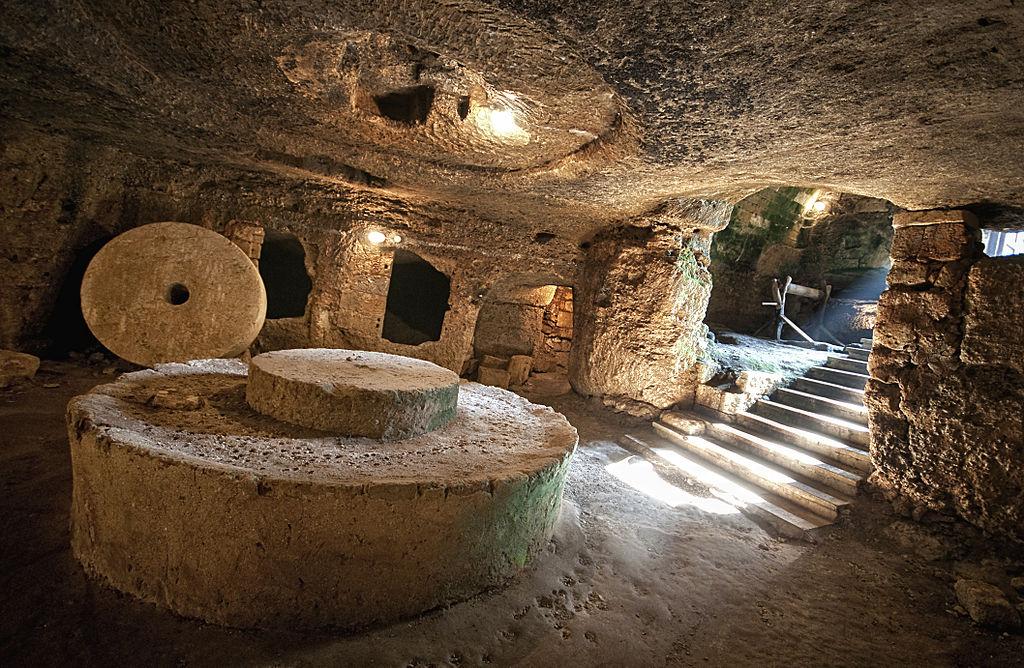
The small, often overlooked finds make past lives feel immediate and tangible. A dropped brooch on a house floor, a lost gaming piece at the edge of a hearth, and a cracked cup mended with care bring out a world of habits and hopes. Storage pits reveal careful planning for harsh winters, while tool marks on wooden posts show the skilled craftsmanship that went into building even modest frontier homes.

Evidence of daily activities appears throughout the settlements. Workshops contain the remains of metalworking, pottery production, and textile manufacture. Gardens and field systems show how communities adapted farming techniques to marginal lands. Animal bones reveal not only diet but also the challenges of raising livestock in uncertain conditions, where raids or harsh weather could devastate carefully tended herds.

The archaeological layers also document how burial customs changed from one generation to the next. A shift from cremation to burial of the whole body, or vice versa, suggests new religious ideas or outside influence. Changes in the types of objects placed with the dead, the orientation of graves, or the location of burial grounds all point to communities adapting to new rulers, new faiths, and new neighbors while still maintaining elements of older traditions.

Voices from Graves: Ancient DNA and Individual Stories

Modern scientific techniques add another layer to these discoveries. Ancient DNA analysis helps work out who was related to whom and how people moved across landscapes. In one burial ground, what looked like an ordinary village cemetery revealed, through genetic analysis, that several people buried only meters apart were actually close relatives: parent and child, siblings, uncles and nieces. What appeared to be a scattered collection of burials transformed into something more like a family plot.

The genetic evidence often complicates simple interpretations of grave goods and burial arrangements. A richly buried man's genes might not align neatly with those of earlier local elites, sharing more in common with people several regions away. Was he a foreign leader who seized control, a son of an exile returning to power, or the descendant of a mixed marriage between distant aristocratic families? Such questions add layers to debates about how power was gained and maintained in frontier societies.

Children's graves can reveal who was considered part of the community. In some cemeteries, children with clearly foreign ancestry are buried in the same style, with the same care and types of objects, as local children. This suggests that newcomers could be fully accepted into the group within a generation or two. In other places, individuals with outsider ancestry are buried at the edges of the graveyard or with fewer goods, hinting at different levels of social acceptance.

Migration and Cultural Change

By comparing many individuals from the same sites, researchers can follow how entire communities changed over time. Early burials might belong to people whose DNA closely matches nearby farming communities, while later graves show different genetic signatures, hinting at incoming groups bringing new traditions, languages, or technologies. The grave goods support this pattern: early burials have plain pottery and modest tools, while later ones display new styles of ornaments, different weapon types, and imported trinkets.

Marriage networks emerge as crucial links between distant communities. In several cemeteries, men show strong genetic ties to the local area over generations, while women's DNA hints at repeated arrivals from different regions. This pattern fits a social world in which women commonly moved to join their partners' families, bringing with them not only new genes but often new fashions, habits, and stories from their homelands.

The evidence reveals that what archaeologists call a culture is often the product of real human movement and intermarriage, not just the spread of ideas. Sometimes new burial customs, new types of weapons, and new house forms appear at precisely the same time as strong changes in ancestry. In other cases, new pottery styles and ornaments appear while the genetic signatures of the buried people remain similar to earlier inhabitants, showing that ideas and fashions could spread without major population movements.

Disease, Conflict, and Crisis

The frontier cemeteries also preserve evidence of the hardships these communities faced. Mass graves from major conflicts contain bodies jumbled together, many showing wounds from swords, spears, or arrows. The grave goods are sparse—shattered weapons, buckles, and scraps of clothing hardware—suggesting hurried burial after pitched fighting. Genetic analysis reveals that these warrior bands could be surprisingly mixed, made up of allies, migrants, and perhaps hired fighters from distant regions.

Evidence of disease appears in both individual burials and larger burial pits. In crowded burial areas, archaeologists find bodies laid out in haste, sometimes with little or no ceremony. Ancient DNA occasionally reveals the fingerprints of deadly pathogens in the teeth and bones of multiple individuals, providing snapshots of epidemic diseases that swept through frontier communities. These findings help track how diseases evolved and spread through human populations in the past.

Family tragedies emerge from the careful analysis of related individuals. In one case, a child buried alongside an older woman, perhaps a grandmother or nurse, shows that both shared close genetic ties and both carried traces of the same infectious illness. Such discoveries paint vivid pictures of disease moving through households long before modern medicine, and of families coping with repeated loss while maintaining their care for proper burial of the dead.

Interpreting the Past Through Multiple Lenses

The power of this research lies in combining traditional archaeological methods with new scientific techniques and historical sources. Each skeleton belongs to a person who lived in a particular community, with its own customs, hierarchies, and changing politics. The position of the grave, the goods inside it, the way the body was laid out, and the traces of diet or disease on the bones all make sense only when placed within their specific archaeological and historical context.

Historical chronicles and letters speak of migrations, battles, the arrival of new rulers and new religions, providing background for understanding the changes visible in the archaeological record. When texts claim large influxes of newcomers into a region, researchers can check whether graves from matching periods show many people with distant ancestry. Sometimes the answer supports the written sources; other times it reveals that political changes had less impact on local communities than the historical accounts suggest.

By following archaeologists through these discoveries, the excavation sites become not just places of research, but stages where the drama of ancient life and death is slowly, carefully brought back into view. Each grave, whether poor or rich, single or crowded, becomes a doorway into a past world of kinship, migration, disease, and power. The dig sites transform from clusters of ruined walls and scattered bones into lively frontier communities full of recognizable people, stories, and emotions, revealing the complex human experiences that shaped life at the edges of the ancient world.

https://www.biorxiv.org/content/10.64898/2026.04.18.719386v1

Share this post

Written by

Comments

Ancient Oral Microbiome Database: A 102,000‑Year Relational Record of Dental Calculus DNA

Ancient Oral Microbiome Database: A 102,000‑Year Relational Record of Dental Calculus DNA

By Sven • 5 min read
Ancient Oral Microbiome Database: A 102,000‑Year Relational Record of Dental Calculus DNA

Ancient Oral Microbiome Database: A 102,000‑Year Relational Record of Dental Calculus DNA

By Sven • 5 min read