Malaria as a Long‑Term Driver of Human Settlement Patterns in Africa

– 9 min read


Malaria and the Archaeology of African Journeys
The article by Colucci and colleagues invites the reader to look again at some of Africa's most famous archaeological sites and ancient burials, but this time with a rather unexpected travelling companion in mind: malaria. Instead of treating climate alone as the master key to early human movements, the study shows how the mosquito-borne parasite that causes the deadliest form of malaria quietly helped to steer where people lived, travelled, and settled over the last 74,000 years.
The research begins from a simple but powerful idea. Early communities were not just responding to rain, drought, and changing vegetation. They were also reacting to invisible enemies – parasites and the mosquitoes that carried them. The article tracks the ecological "comfort zones" of the main African mosquito groups that can pass on severe malaria, and then compares these mosquito maps through time with the archaeological record of where people actually lived.
Using climate reconstructions and modern mosquito ecology, the authors rebuilt the likely spread of malaria-friendly habitats across sub‑Saharan Africa from 74,000 to 5,000 years ago. They then set these ghostly maps of risk against an independent reconstruction of the "human niche" – the kinds of environments where archaeological sites show Homo sapiens actually flourished. Time and again, the human hotspots keep away from the mosquito hotspots. In other words, people seem to have been edging their camps, caves, and later villages away from the worst malarial zones long before written history.
The article treats mosquitoes rather like elusive archaeological finds. Instead of potsherds or stone tools, they work with records of mosquito species and climate data, to rebuild the ecological "stage" on which ancient humans lived. Their central question is bold: could the distribution of malaria-carrying mosquitoes have shaped where people settled in Africa over the last 74,000 years? To carry these insects back into the deep past, the team use species distribution modelling, learning how certain mosquito groups prefer specific environmental conditions like warm humid lowlands with particular vegetation cover.
Once trained on present-day data, the models are pushed backwards into glacial and interglacial climates. The resulting maps show, for every time slice, where each mosquito group could likely have survived and bred, from dense West African rainforests to coastal mangroves and inland lakeshores. From there they generate a "malaria stability index" that maps where conditions were good enough for malaria transmission to persist year-round if introduced.
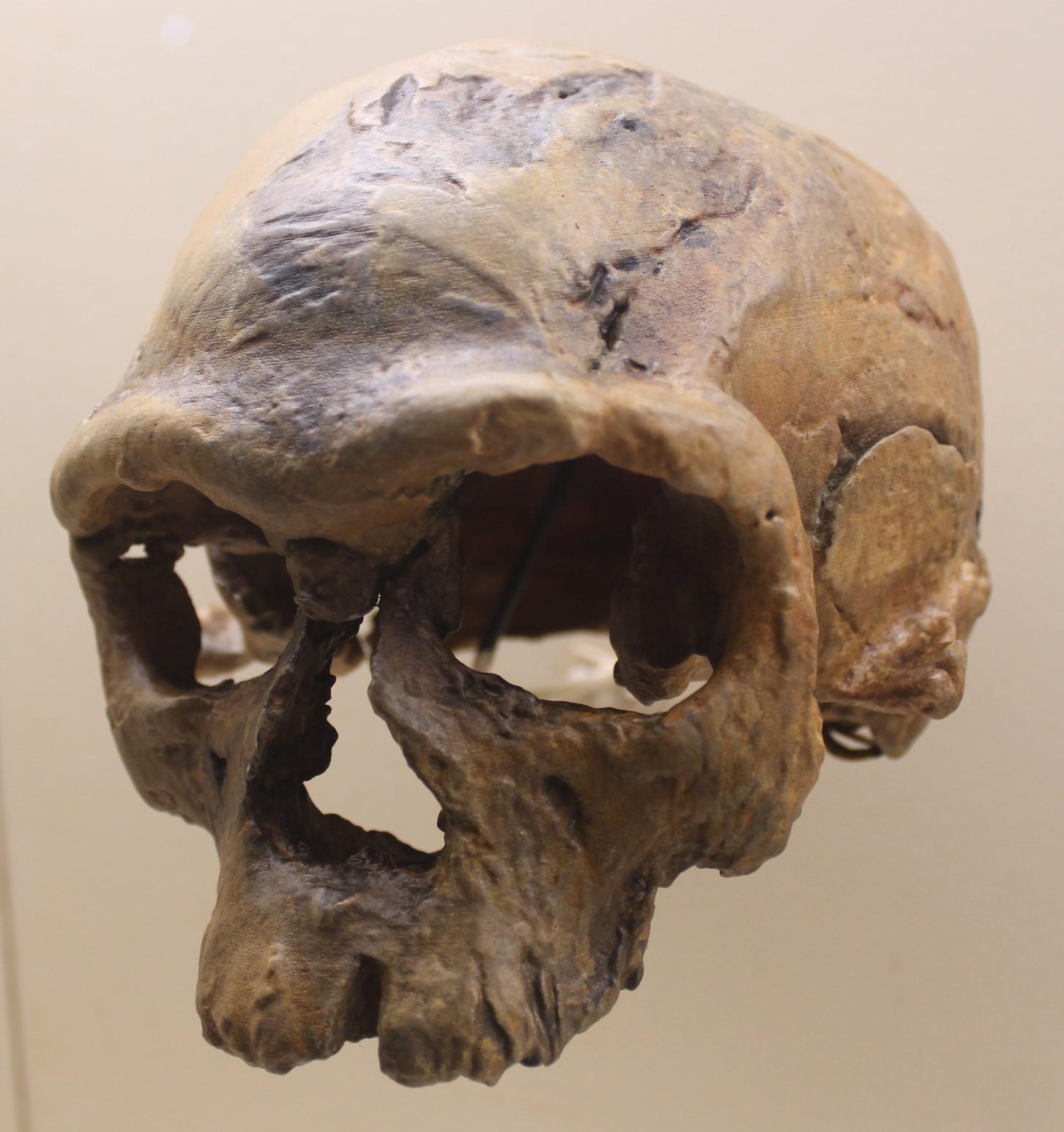
One of the key backdrops to the study is the now-famous site of Jebel Irhoud in Morocco. Here, hominin skulls and stone tools, dated to around 300,000 years ago, have helped to dismantle the old story of a single "cradle" of modern humans. Instead, the article points to a continent-wide patchwork of populations developing in different regions – some in North Africa, others in eastern highlands, still others in tropical forests.
In such a patchwork world, disease becomes another invisible frontier. The authors show how, through cycles of wetter and drier climates, belts of high malaria risk formed and dissolved, sometimes opening, sometimes closing possible corridors between regions such as the Sahara, the Ethiopian highlands, and West Africa. This echoes archaeological hints that rivers and swampy lowlands were not always attractive routes. The striking lack of Middle Stone Age sites along some major North African rivers during warm, wet phases may signal that floodplains buzzing with mosquitoes were treated as dangerous or simply intolerable places to linger.
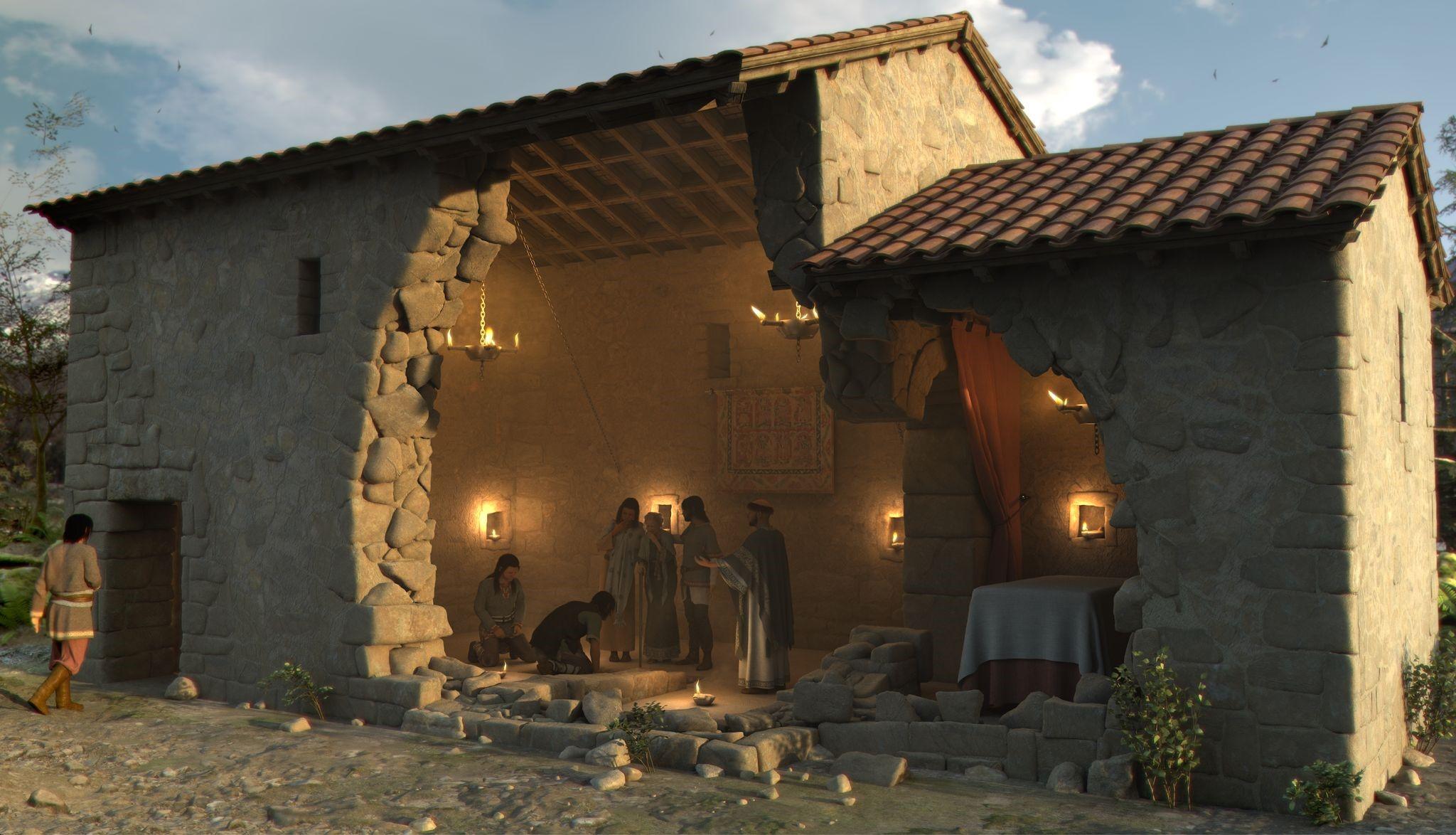
The article draws particular attention to Sibudu Cave in South Africa, a rock shelter perched above the Tongati River. Excavations there have revealed some of the oldest known "bedding" in the world: layers of grasses topped with aromatic leaves. These leaves are not just fragrant; they contain natural insect-killing chemicals.
Colucci and colleagues interpret this as part of a broader pattern of behavioural defence against biting insects. People at Sibudu, living tens of thousands of years ago, were not simply enduring mosquitos – they were actively engineering their sleeping spaces to repel them. When their malaria risk maps are overlaid on these regions, the cave's elevation and position away from stagnant water fit a wider story of cautious settlement: using rock shelters, breezy positions, and plant chemistry to push back against disease vectors.
The modelling work connects intriguingly with specific finds on the ground. These mattresses were topped with aromatic leaves known today to have insect-killing and larvae-killing properties. In the light of mosquito reconstructions, such practices take on a sharper meaning. The bed mat is not just a clever piece of domestic organisation; it is a material response to a hostile insect world, a small household defence keyed directly into the disease ecologies mapped by the models.
The study's maps reveal how belts of high malaria risk repeatedly carved up habitable Africa into interconnected "islands". At certain times, low‑risk corridors linked the greener Sahara with the Ethiopian highlands, allowing ideas, tool traditions, and genes to flow more easily. At other times, malarial zones expanded into broad, swampy barriers, reducing contact and leaving groups more isolated.
The archaeological record, re‑read in light of these patterns, takes on new drama. Clusters of Middle and Later Stone Age sites in particular regions – from North Africa to southern Africa's coastal caves and inland shelters – are no longer only reflections of climate and food sources. They also look like safe harbours on a disease‑ridden sea, nodal points where people could gather, bury their dead, and exchange tools and stories without paying too high a price in fevers and childhood deaths.
By combining the malaria risk reconstructions with maps of where Stone Age people most likely lived, the article paints a vivid picture of Africa as a patchwork of safer "islands" and dangerous "seas". Regions such as parts of the Sahara and the Ethiopian highlands appear as relatively healthy refuges during some periods, ringed by lowlands where mosquitoes would have thrived. At certain times, belts of high malaria potential seem to have formed barriers between these refuges, limiting movement and interaction.
West Africa plays a starring role in the article's narrative. Genetic studies have shown that one of the best-known genetic defences against severe malaria – the change in the haemoglobin gene associated with sickle‑cell disease – probably arose here in Late Stone Age populations. The article places this genetic drama against its landscape reconstructions: by around 13,000 years ago, long before crops and livestock become common, the stability and intensity of malaria in parts of West Africa were already very high.
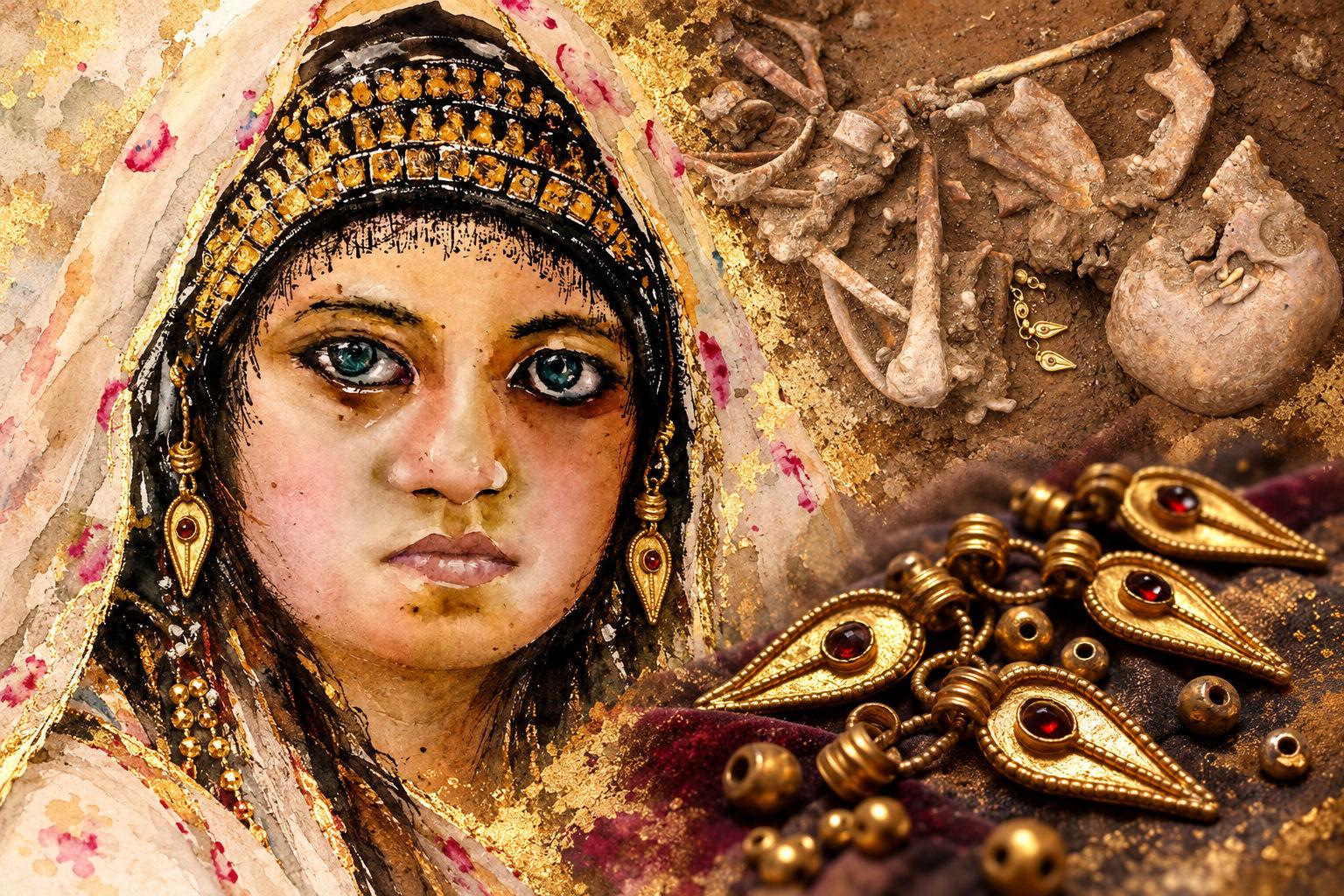
In this period and the millennia that follow, the authors' human‑niche reconstructions show people increasingly occupying, and then pushing deeper into, zones that their models mark as risky for malaria. Burials and campsites from West Africa's savannas and forest edges, with their stone tools, ornaments, and rare surviving grave goods, thus belong to communities slowly adapting to these dangerous environments. It is within such landscapes that the sickle‑cell mutation likely began to spread – a stark reminder that the objects in graves and the genes in skeletons are both products of a long, tense negotiation with disease.
The article brings together genetic studies with its malaria maps to argue that the sickle-cell mutation first appeared in western Africa, in ancestors of later Bantu-speaking populations, between about 25,000 and 22,000 years ago. This is long before crops and livestock spread widely across the continent, and well before the large, permanent farming villages of the last 8,000–5,000 years. The sickle-cell mutation seems to belong to a world of mobile hunter-gatherers, not to sedentary farmers.
The article also connects its African maps to the great "Out of Africa" story. Around 60,000 to 50,000 years ago, when archaeological traces begin to appear in Arabia, India, and eventually further east, the model shows a significant peak in malaria stability in parts of eastern Africa. This means that groups leaving the continent at that time may well have carried the parasite with them. Once in southern Asia, new mosquito species could have taken over as carriers, helping malaria to become a silent fellow‑traveller in the spread of our species.
In this light, early camps and rock shelters on the coasts and river systems of Arabia and South Asia are not only staging posts for human migration, but also stepping‑stones in the expansion of a deadly parasite. The article thereby ties together the archaeology of stone tools and shell beads with the hidden archaeology of disease.
Within Africa itself, the study brings new depth to the idea of "refugia" – pockets of land that stayed habitable when climate elsewhere turned harsh. Archaeologists have long suspected that some river valleys, highland zones, and forest edges served as long‑term refuges during dry or cold periods. Colucci and colleagues show that disease risk is part of what made these places attractive or unattractive.
For example, tropical forests in central Africa, which have yielded Later Stone Age artefacts and, more recently, burials of forager communities, are no longer just seen as challenging but resource‑rich environments. The mosquito maps suggest that some forest margins and upland clearings may have combined food, water, and shelter from the worst malaria zones. The lived experience recorded in hearths, discarded tools, and occasional graves was thus shaped by a constant balancing act: how close one could venture to productive wetlands and riverbanks without succumbing to disease.
New wet tropical forest sites in Central and West Africa, where hunter-gatherers lived 150,000 years ago, show stone tools and hearths in environments long assumed to be too hostile to support early Homo sapiens. In forested Central Africa, hunter-gatherer sites tucked into gallery forests, river edges, and clearings show people exploiting rich tropical resources, yet the distribution of camps and tool scatters hints that they may have favoured particular ridges, slopes, and breezier positions rather than potentially stagnant lowlands.
The real excitement for archaeologists comes when these mosquito-and-malaria maps are laid over the distribution of ancient human sites. This human niche is based on a curated, pan-African database of archaeological sites, running from classic Middle Stone Age campsites through to later hunter-gatherer occupations around 5,000 years ago. Each site – whether a rock shelter with stone tools and hearths, or an open-air scatter of artefacts – is tied to the climate conditions at the time it was occupied.
When these human occupation zones are placed atop the malaria stability maps, something remarkable emerges. Again and again, the areas most suitable for stable malaria transmission do not coincide with the core zones where people were living. Human ranges tend to skirt around the worst mosquito landscapes, leaving belts of high malaria potential as empty or lightly used spaces. In some regions, these malarious belts would have acted much like mountain ranges or deserts: semi-invisible but very real obstacles that shaped routes between communities.
The notable absence of sites along some large river systems during past warm, wet phases may be more than an accident of preservation. Such absences along swampy, mosquito-rich corridors could signal deliberate avoidance. In a sense, the missing sites become artefacts too, marking out disease-ridden floodplains that early hunter-gatherers skirted rather than settled.
The article ultimately encourages archaeologists and historians to revisit well‑known African sites – from Moroccan caves like Jebel Irhoud to riverside camps, forest rock shelters, and later farming villages – with malaria in mind. When a cluster of burials appears on a ridge rather than in a lush floodplain, when a long‑occupied cave looks out over a breezy valley instead of sitting in a malarial swamp, these are not just quirks of preservation. They may be traces of careful choices by communities who understood, in practical if not microscopic terms, that certain landscapes made their children more likely to die.
In this reading, the grave goods, hearths, bedding, and tools of ancient Africans become part of a much larger story. For tens of thousands of years, malaria was not only a medical problem but a powerful sculptor of human geography. It nudged people into some regions and held them back from others, shaped their movements out of Africa, and left its mark both in the layout of ancient camps and in the DNA of those who lay buried there.
The team began with a vast, carefully curated catalogue of Stone Age sites from across Africa. Each dot on their map marks a place where people once knapped stone, lit fires, butchered animals, or buried their dead. Where grave goods survive – beads, worked bone, carefully placed stones – they often come from caves or rock shelters set back from waterlogged zones. Such preferences take on a new edge: not just convenience or symbolism, but possible long-term strategies to reduce exposure to fevers carried by mosquitoes.
For the "generalist specialist" Homo sapiens of Africa, being flexible was not just about inventing new stone tools or experimenting with new foods. It also meant learning, generation after generation, where the air was thick with mosquitoes, which valley bottoms made people mysteriously weak, where aromatic plants could be gathered for bedding, and which routes to take when moving between regions. The archaeological sites, grave goods, and even plant-strewn sleeping platforms we find today are the surviving traces of lives lived in constant negotiation with an invisible, but very real, ecological enemy.
Source article: https://doi.org/10.1126/sciadv.aea2316




Comments