Spanish Habsburg
– 3 min read


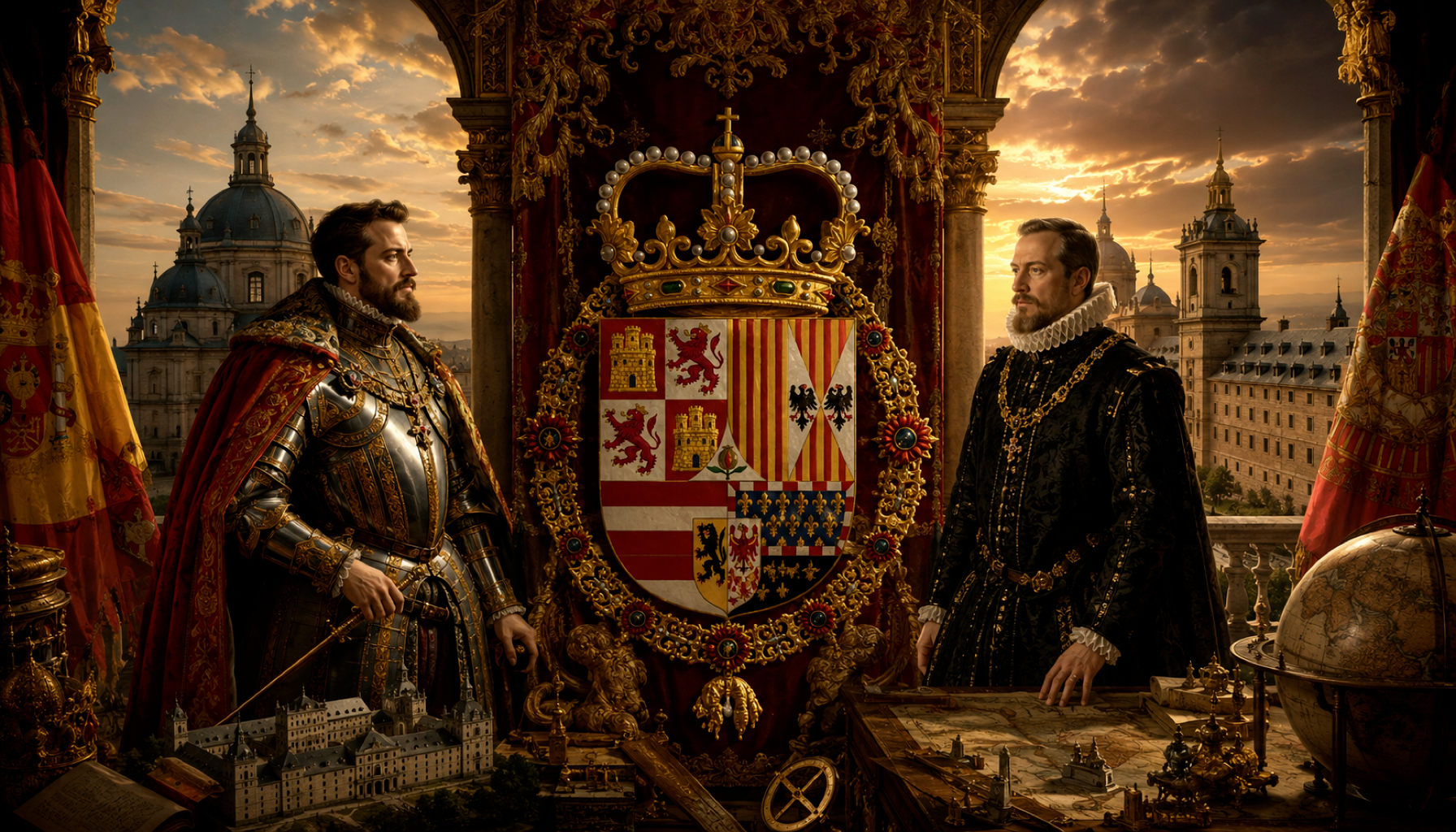
The Spanish Habsburgs were the Spanish ruling branch of the wider House of Habsburg, a dynasty that began in the old Habsburg heartlands of what is now Switzerland and Austria before spreading its power across Europe through shrewd marriages, inheritance, and politics. In Spain, this branch came to embody a grand early modern idea: a Catholic monarchy ruling not just one kingdom, but a patchwork of realms stretching from Castile and Aragon to the Low Countries, Italy, the Americas, and beyond. In haplogroup terms, the primary family line here is linked with G2a2b2a1a1b, a lineage with a deep and rather fascinating archaeological footprint across Europe and the Mediterranean.
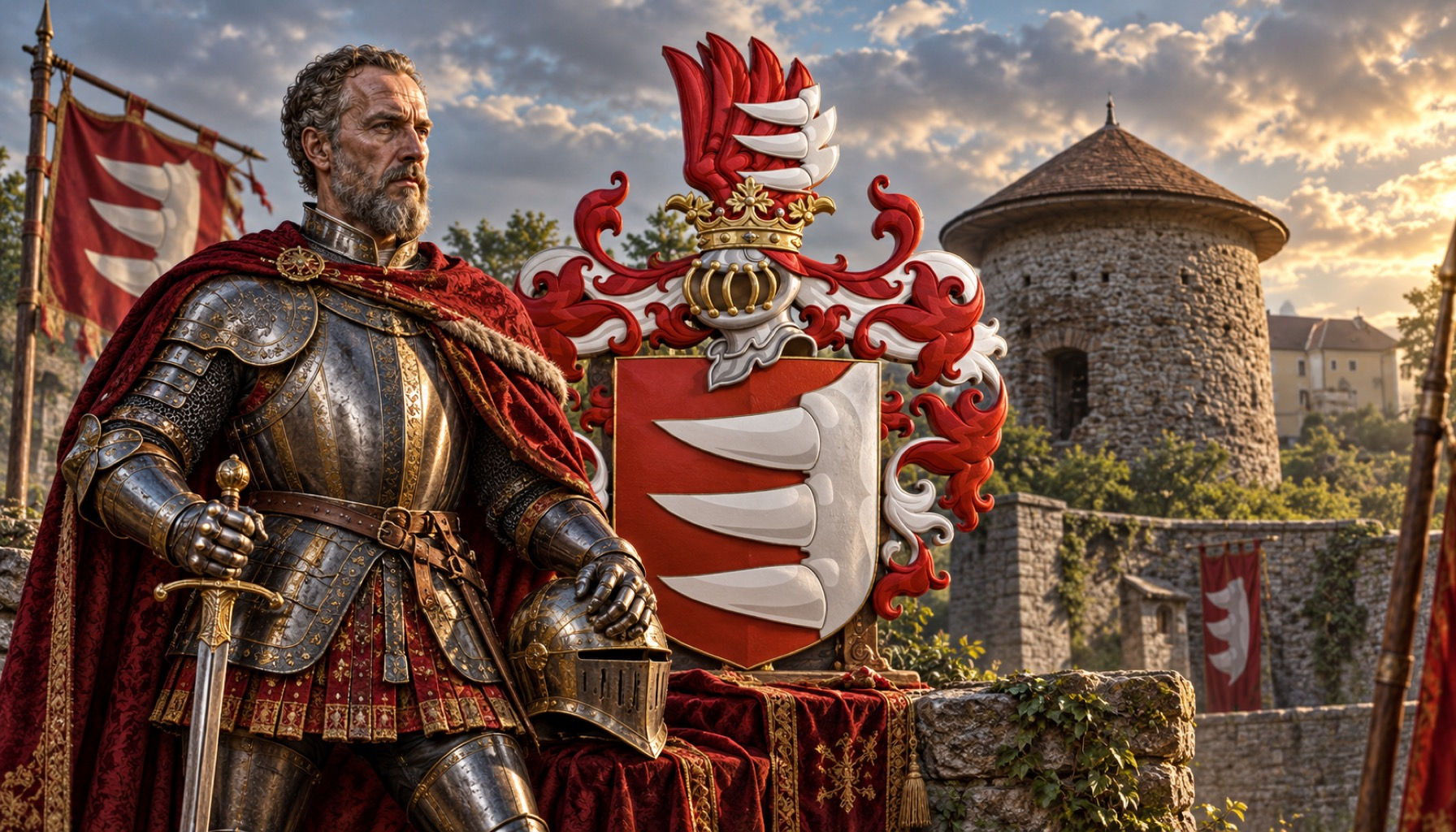
Their rise in Spain belongs to that dramatic moment when dynastic marriage could rearrange the map of the world. With Charles I of Spain (1500-1558), who was also Holy Roman Emperor Charles V, the inheritance of multiple crowns brought together an empire so sprawling that it became a cliche to say the sun never set on it. Under Philip II of Spain (1527-1598), the monarchy became more visibly centered in Iberia and more intensely identified with Catholic kingship, imperial administration, and a stern sense of royal duty. By the time of Philip IV of Spain (1605-1665), the dynasty still radiated magnificence in art and court ceremony, even as war, debt, and the pressures of governing such a vast composite monarchy showed the strain beneath the velvet and gold. The Spanish Habsburg story is not just about kings and battles; it is about bureaucracy, confession, ceremony, oceans, portraits, petitions, silver fleets, and the fragile mechanics of ruling many peoples under one crown.
Read more about the Spanish House of Bourbon
If one place anchors the Spanish Habsburg imagination, it is El Escorial, northwest of Madrid at the foot of the Sierra de Guadarrama. Officially the Royal Site of San Lorenzo de El Escorial, it was commissioned by Philip II and built in the later sixteenth century as monastery, royal palace, basilica, library, school, and dynastic mausoleum all at once, which is very Habsburg indeed: practical, monumental, pious, and political in a single gesture. Its severe geometric style has often been read as an expression of Philip's kingship, disciplined and devout, though inside it also houses extraordinary art, relics, manuscripts, frescoes, and the royal pantheon where generations of Spanish monarchs were buried. El Escorial was not merely a residence but a statement in stone about monarchy, memory, faith, and universal rule. And yes, it can still be visited today, which means you can walk through one of the great architectural manifestos of dynastic Europe rather than just reading about it in a footnote.
Explore the Royal House of Capet
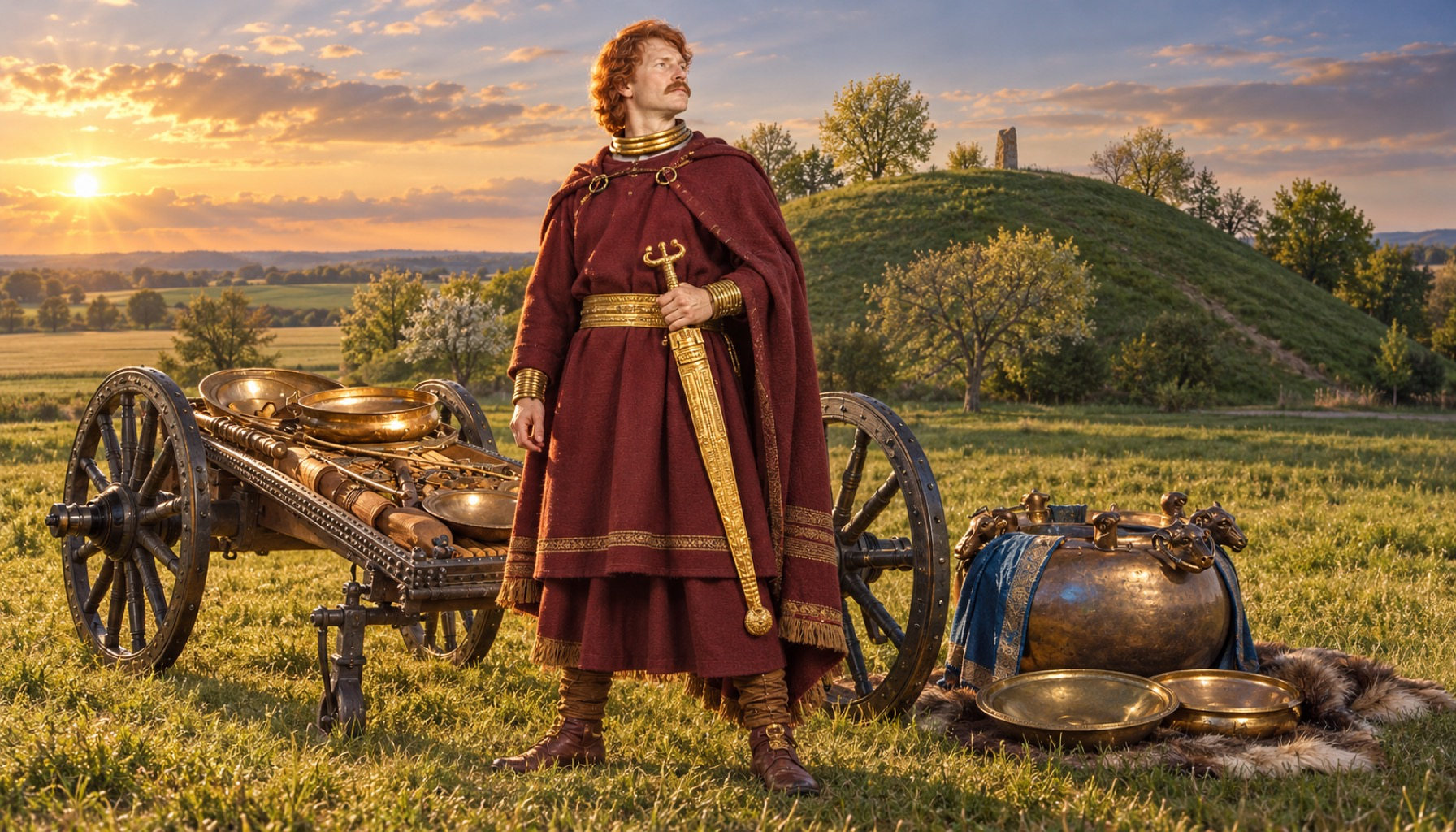
The haplogroup G2a2b2a1a1b, linked here as the primary family haplogroup, appears in a striking spread of ancient and historical samples, which helps place the Spanish Habsburg line in a much deeper human story. These are not claims of direct descent from those individuals, only related or linked examples that show the broader time depth and geographic range of the lineage. Among them are Elite Celtic Germany Eberdingen-Hochdorf Biegel (HOC003 and HOC003b), Copper Age Alpine Italy South Tyrol Ora/Auer (3058_13_115_1), Dark Ages Italy South Tyrol Malles Burgusio Santo Stefano (2427), Late Copper Age Baden Budakalasz Luppa Csarda Hungary (I2366), Bronze Age Spain Camino del Molino Murcia Caravaca (CDM002), Late Imperial Roman Croatia Hvar Radosevic Palace (I33890), Thuringii Tribe German Obermoellern (OBM011), Imperial Roman Croatia Karlovac Pannonia Savia (BBC004), Copper and Bronze Age Alpine Italy Nogarole (NOG201, NOG301, NOG302), Trento Romagnano samples (ROM301, ROM308, ROM309), and even Carthaginian Kerkouane Tunisia Pantelleria (I24208) and Greek colonial Himera in Sicily (I7219 and I17432). Put simply, this is a lineage seen across prehistoric farmers, Iron Age elites, Roman-period communities, and medieval populations, making it a useful reminder that dynasties may look dazzlingly specific in the archive, but their deeper genetic story belongs to the long, entangled history of Europe and the Mediterranean.
Explore Roman and Migration Period Iberia
If the Spanish Habsburgs catch your imagination, the next step is wonderfully direct: upload your DNA to MyTrueAncestry and see whether you match the family group or any of the related ancient DNA samples linked with G2a2b2a1a1b. It is a chance to connect the grandeur of imperial Spain, the architecture of El Escorial, and the deeper archaeological past with your own genetic story.

Comments