Clan OCallaghan
– 3 min read


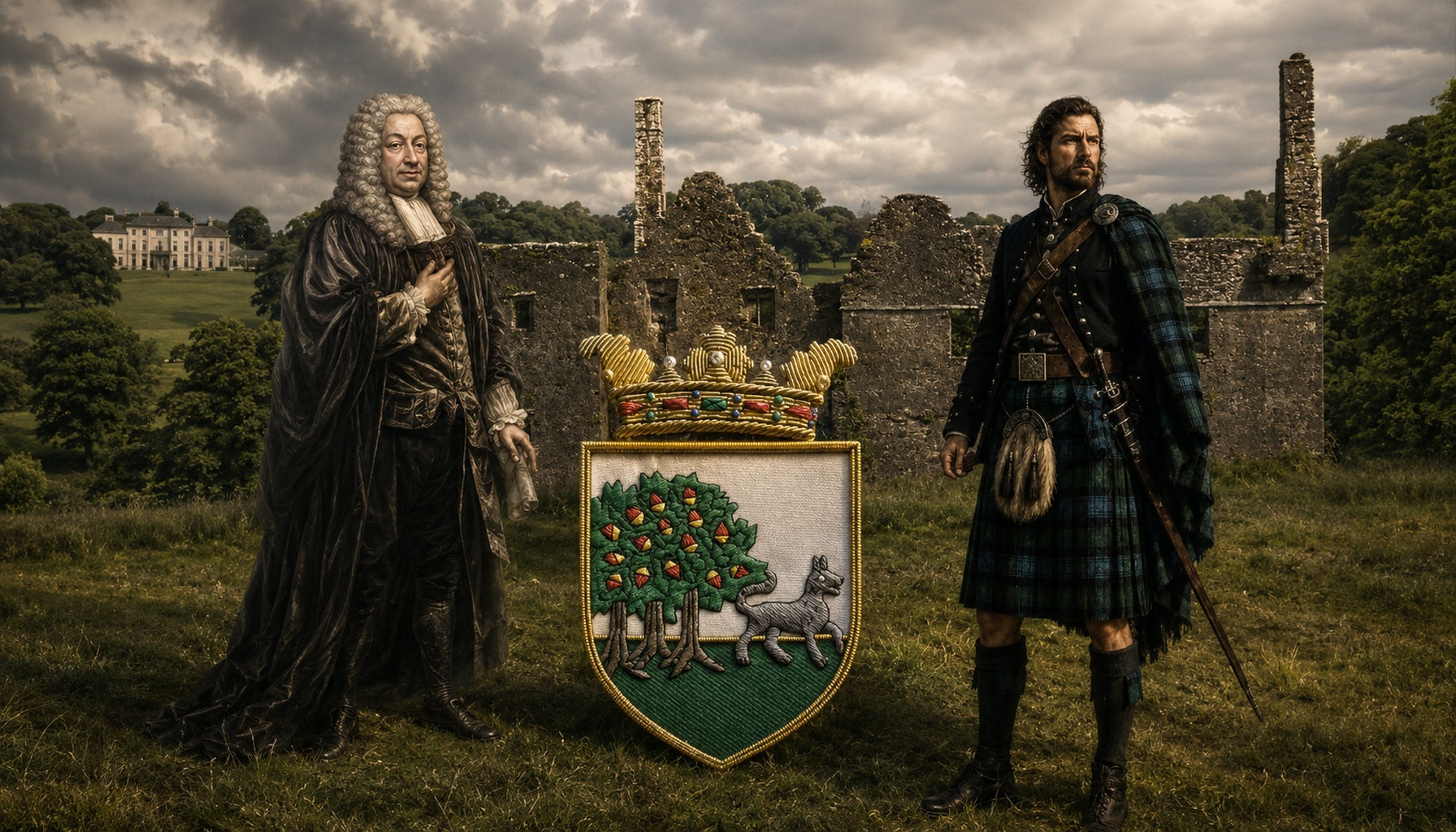
Clan OCallaghan was a Gaelic Irish family of Munster, rooted above all in the political and territorial world of north Cork and Duhallow, where kinship, land, military service, and lordship were tightly bound together. Their story belongs to that unmistakably Irish pattern in which a family was not just a surname but a local power, with chiefs, followers, alliances, rivalries, and a remembered homeland. The primary haplogroup associated with the family is R1b1a1b1a1a2c1a1a1a1a1a1a, a paternal line deeply connected to wider western European and insular histories.
The OCallaghans are traditionally linked to descent from the old Eoganacht world of Munster, and their name preserves the memory of an earlier royal past. Among the notable figures associated with the lineage are Cellachan of Cashel, King of Munster in 954, a ruler remembered in a period of fierce competition among Irish dynasties; Domhnall OCallaghan, recorded around 1050 as an early bearer of the hereditary surname; and Conor of the Rock OCallaghan, Chief of Duhallow in 1594, a figure who stands squarely in that late Gaelic landscape of embattled regional lordship. What makes the OCallaghans especially vivid is that they were not some shadowy pedigree in a manuscript margin. They were a working political family, maintaining authority through territorial control, warfare, negotiation, and the remarkable continuity of name and memory that marks so many enduring Irish clans.
Explore the Royal House of ODonoghue
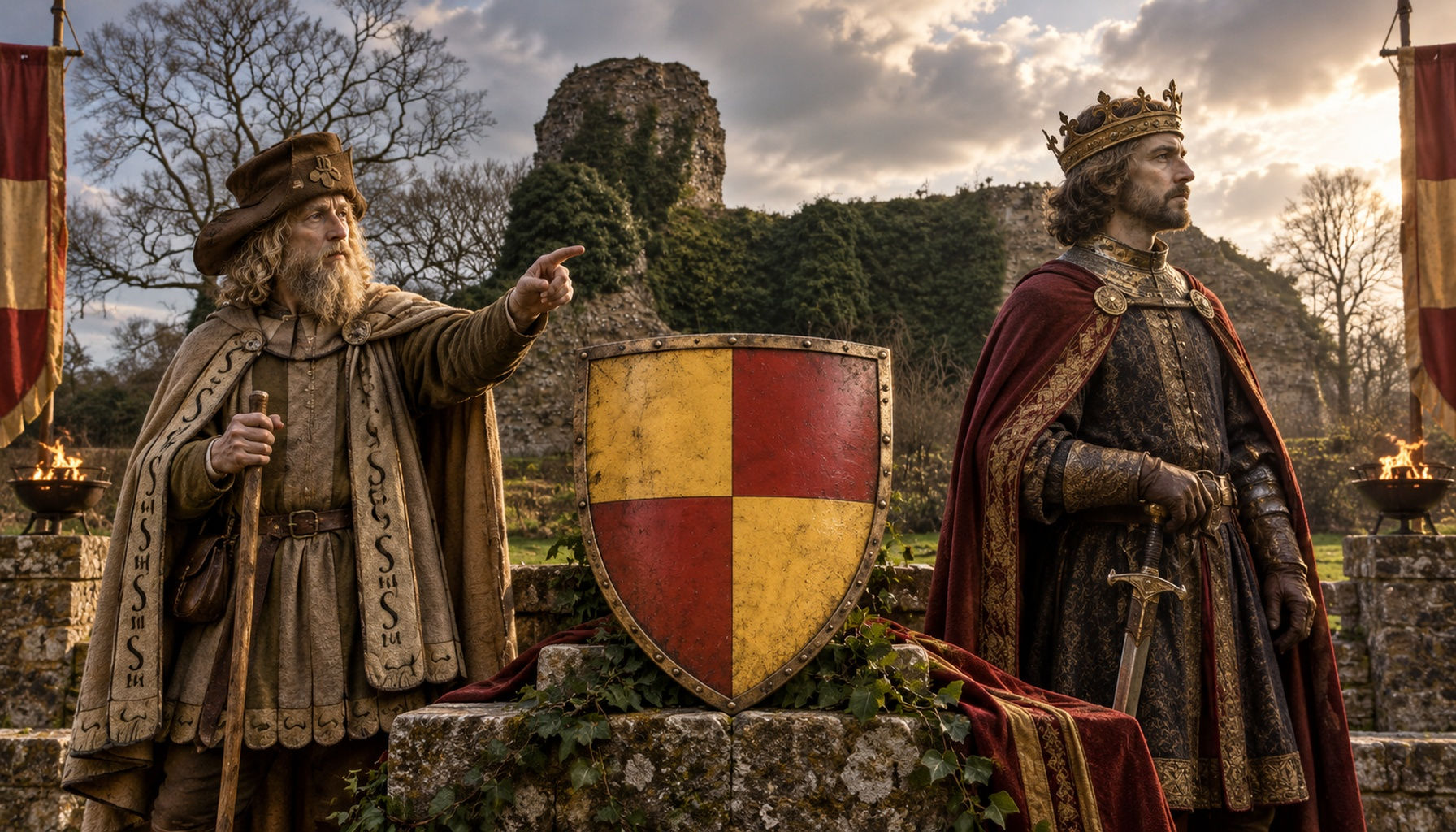
Dromaneen Castle is one of the great location anchors of OCallaghan heritage, standing near Millstreet in County Cork and closely associated with the chiefs of the clan in the later medieval period. The castle, now a substantial ruin, was a tower house with a bawn, built in the fifteenth century and positioned in the OCallaghan heartland of Duhallow. It functioned not merely as a residence but as a statement of authority in stone, the sort of building that told everyone nearby who held local power, who gathered followers, and who defended territory. It was damaged and reshaped by the upheavals of the early modern period, especially the wars that engulfed Munster, but even in ruin it carries the atmosphere of a Gaelic lordship under pressure yet stubbornly present. Yes, it can still be visited as a ruin, and for anyone interested in OCallaghan history it is exactly the kind of place where the abstract language of clan, chiefship, and territory suddenly becomes real.
From a DNA perspective, the OCallaghan-linked haplogroup R1b1a1b1a1a2c1a1a1a1a1a1a also appears in a wider network of related ancient and historic samples rather than anything we can simply label as direct OCallaghan ancestors. These linked examples include Medieval Jutland Denmark Vor Frue Kirkegard Aalborg (CGG100512), Thuringii Tribe Germany Deersheim Saxony-Anhalt (DRH026), Carolingian Era Groningen Netherlands (GRO005), Medieval Ireland Kilteasheen Roscommon Bishops Seat (KIL033, KIL037, KIL043, and KIL009), Merovingian Grave North Rhine-Westphalia Germany Alt-Inden (IND007), Anglo-Saxon Sedgeford England Norfolk (SED005), Viking Age Hofstadir Iceland (VK95), Medieval Age Faroe Islands Sandoy Church (VK44), Viking Warrior Ship Street Dublin Ireland (VK545), Aquitani Pech-Maho France (PECH8), and later colonial Maryland burials including the son of Philip Calvert in a lead coffin (I2097) and Philip Calvert himself (2099). The point is not to force a straight-line descent from any one of these individuals to the OCallaghans, because history is not that tidy. Rather, they show how this paternal signature belongs to a broad and fascinating web stretching across medieval Ireland, the Atlantic world, and parts of western and northern Europe.
If you carry OCallaghan heritage, this is where the story becomes personal. Uploading your DNA can help you see whether you match the OCallaghan family profile or any of these related ancient DNA samples, and it offers a way to connect surname history, regional memory, and deep ancestry in one place. The old Gaelic world of Munster may seem far away, but traces of it can still survive in names, records, ruins, and sometimes in DNA too.
Comments