The Royal House of ODonoghue
– 3 min read


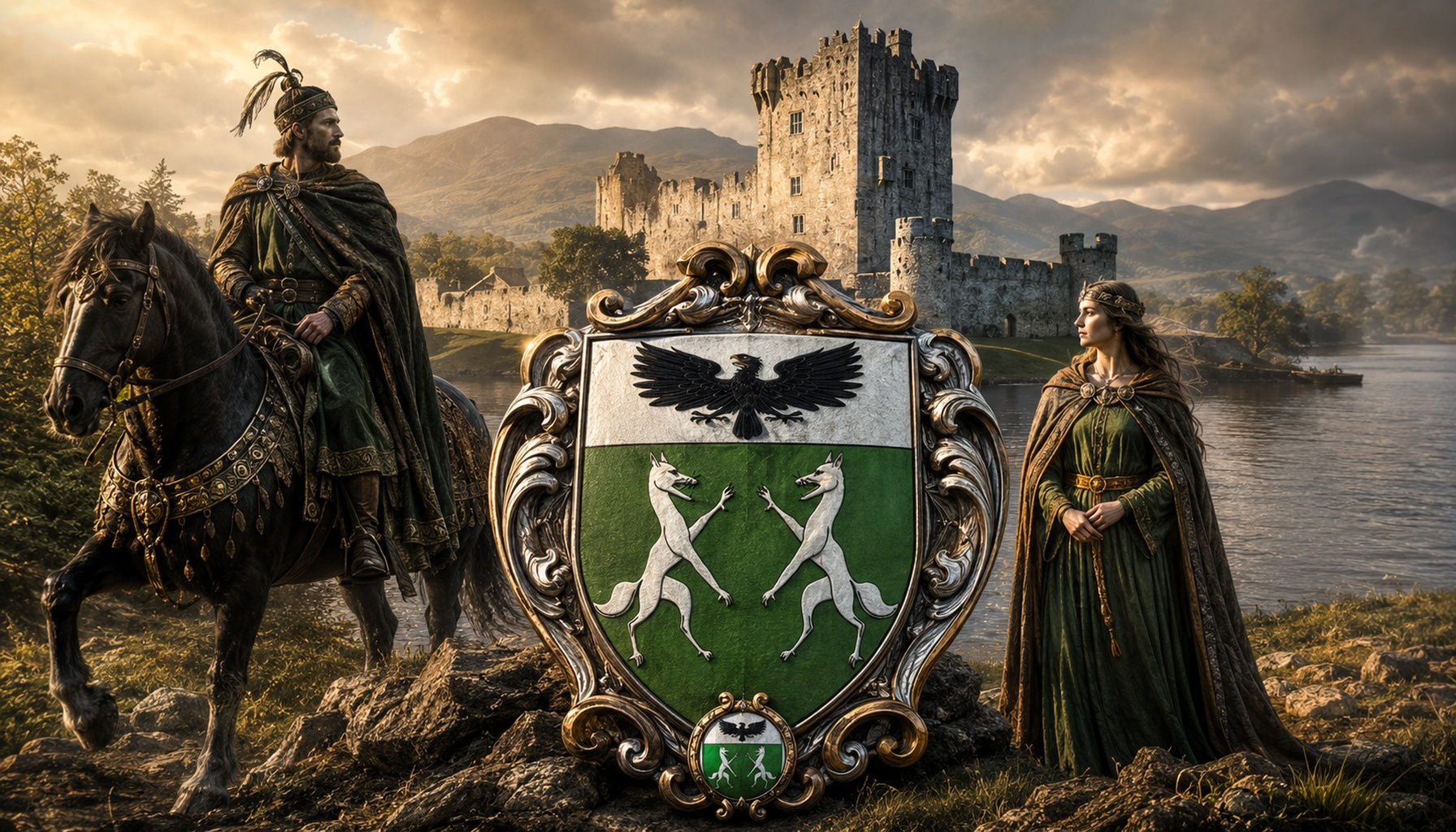
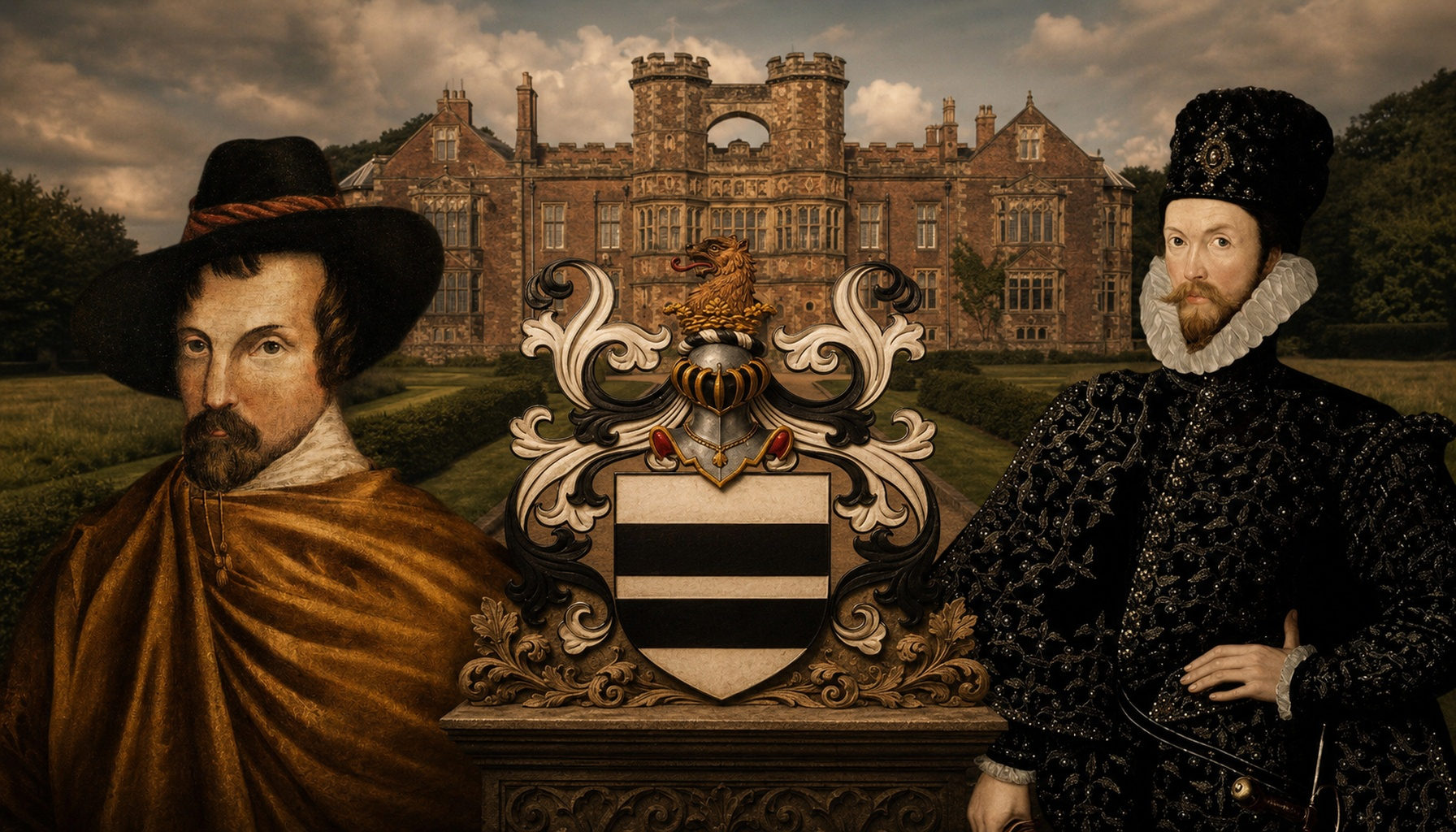
The House of ODonoghue was one of the great Gaelic noble and royal houses of southwest Ireland, rooted above all in Loch Lein in County Kerry and remembered in the ODonoghue Mor tradition. Their story belongs to the old Munster pattern of Irish power: kingship tied to place, lordship measured in land and followers, and authority reinforced through warfare, marriage, kinship, and the stubborn continuity of a name across centuries. In haplogroup terms, the primary family association here is tagged as R1b1a1b1a1a2c1a3a2a1a2d1a, a branch linked more broadly with long western European and Insular Celtic paternal histories.
The family emerged from a deeply local world, but not a small one. Kerry's lake country was not merely picturesque background. It was a political landscape, where control of routes, pastures, strongholds, and dependants mattered enormously. The ODonoghues became associated with lordship around Loch Lein and with a style of Gaelic rulership that was both martial and ceremonial. Among the named figures remembered in that tradition are Amhlaoibh Mor ODonoghue, noted in 1158, Cathal ODonoghue Mor, Lord of Loch Lein, in 1170, Tadhg ODonoghue Mor, King of Loch Lein, in 1320, Rory ODonoghue Mor, Chief of the Name, in 1583, and Geoffrey ODonoghue of the Glens, who lived from 1620 to 1678. What is striking is not just the sequence of men, but the persistence of office and identity: lord, king, chief, and kinsman, all anchored in the same cultural landscape.
Read more about Clan OSullivan
No discussion of ODonoghue heritage feels complete without Ross Castle, one of the best-known strongholds on the edge of Lough Leane in Killarney National Park. The castle most likely dates to the late 15th century and is traditionally associated with the ODonoghue Mor line before later passing into the hands of the MacCarthy Mor. It is a classic Irish tower house, rising in a commanding position by the water, with defensive features, a bawn, and that air of controlled watchfulness so typical of late medieval Gaelic and Hiberno-Norman lordship. Its lakeside setting is not accidental. A castle here was a statement that power belonged to those who could command both land and water, and the surrounding scenery still gives a sense of why this mattered. Ross Castle can indeed still be visited today, and it remains one of the most accessible and evocative places to step into the political geography of the old Kerry lordships.
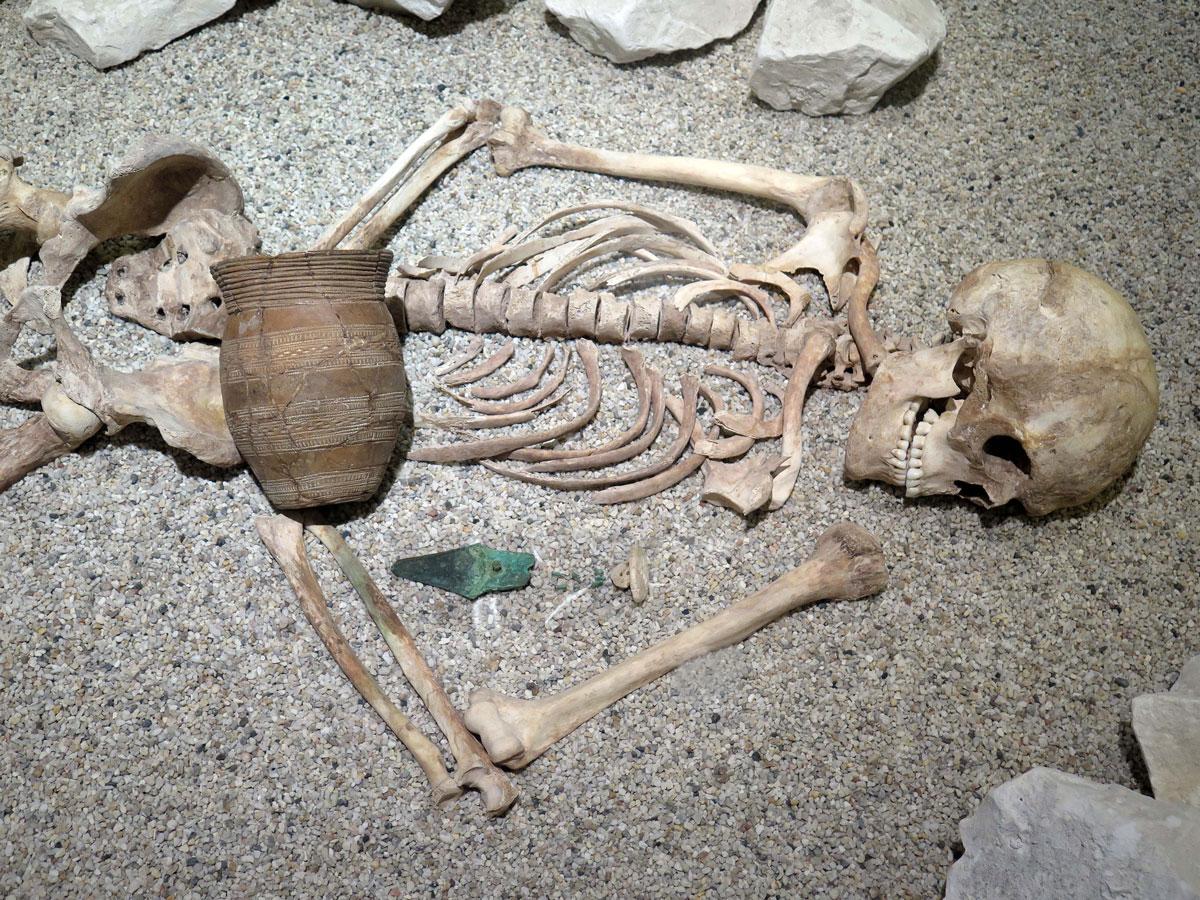
With a haplogroup like R1b1a1b1a1a2c1a3a2a1a2d1a, the important thing is to be careful and clear: ancient samples are linked or related at the haplogroup level, not proof of direct descent from any named dynasty. Even so, the pattern is fascinating. Related or linked ancient DNA examples include Celtic Durotriges individuals from Duropolis at Winterborne Kingston in England such as WBK12, WBK20, WBK29, WBK41, WBK05, WBK30, WBK43, WBK06, WBK08, WBK18, and WBK191, alongside later and wider finds such as Imperial Roman Era Zadar Croatia I26776, Bronze Age Orkney Westray Links of Noltland KD061, Bronze Age Calabria GMO015, Early Medieval Belgium ST2025, Medieval Belgium ST1308, Gallic France CGG023699, Post Roman Dorset I11580, Merovingian Germany IND013, Late Roman Austria R10656, Late Roman Conimbriga Portugal R10488, Iron Age Somerset I11991, Iron Age Battlesbury Bowl I21309, Bronze Age Trumpington Meadows I3256, Bronze Age Amesbury Down I2417, Bell Beaker Upavon I4950, Bronze Age Bedfordshire I7576 and I7577, Bronze Age South Lanarkshire I5473, Hinxton Iron Age HI2, Early Bronze Age Thames I5377, Scotland Late Bronze Age I2859, and Ireland Copper Age Rathlin2B. In other words, the paternal backdrop linked to this branch belongs to a very broad story running through Bronze Age, Iron Age, Roman, post-Roman, and medieval western Europe, a useful reminder that the ODonoghues were distinctly Kerry in history, but part of a much older Atlantic world in deep ancestry.
Explore Celtic language origins
If the House of ODonoghue speaks to your own family story, the next step is to test it against both history and genetics. Upload your DNA to MyTrueAncestry and see whether you match the ODonoghue family tradition or any of the related ancient DNA samples linked with haplogroup R1b1a1b1a1a2c1a3a2a1a2d1a. That is where the romance of Kerry's lake country meets the hard, intriguing evidence of the past.
Comments