The Royal House of OReilly
– 2 min read


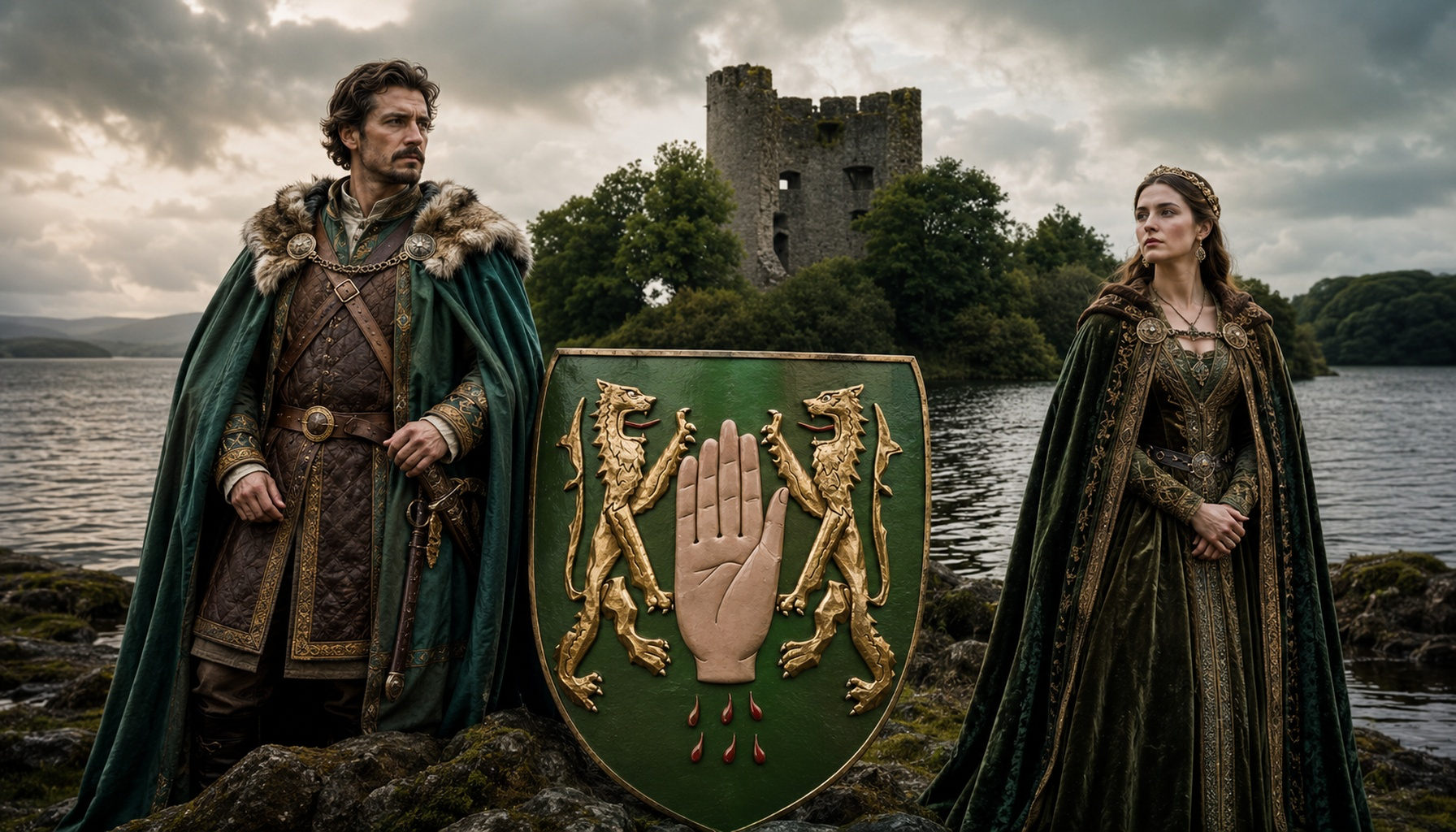
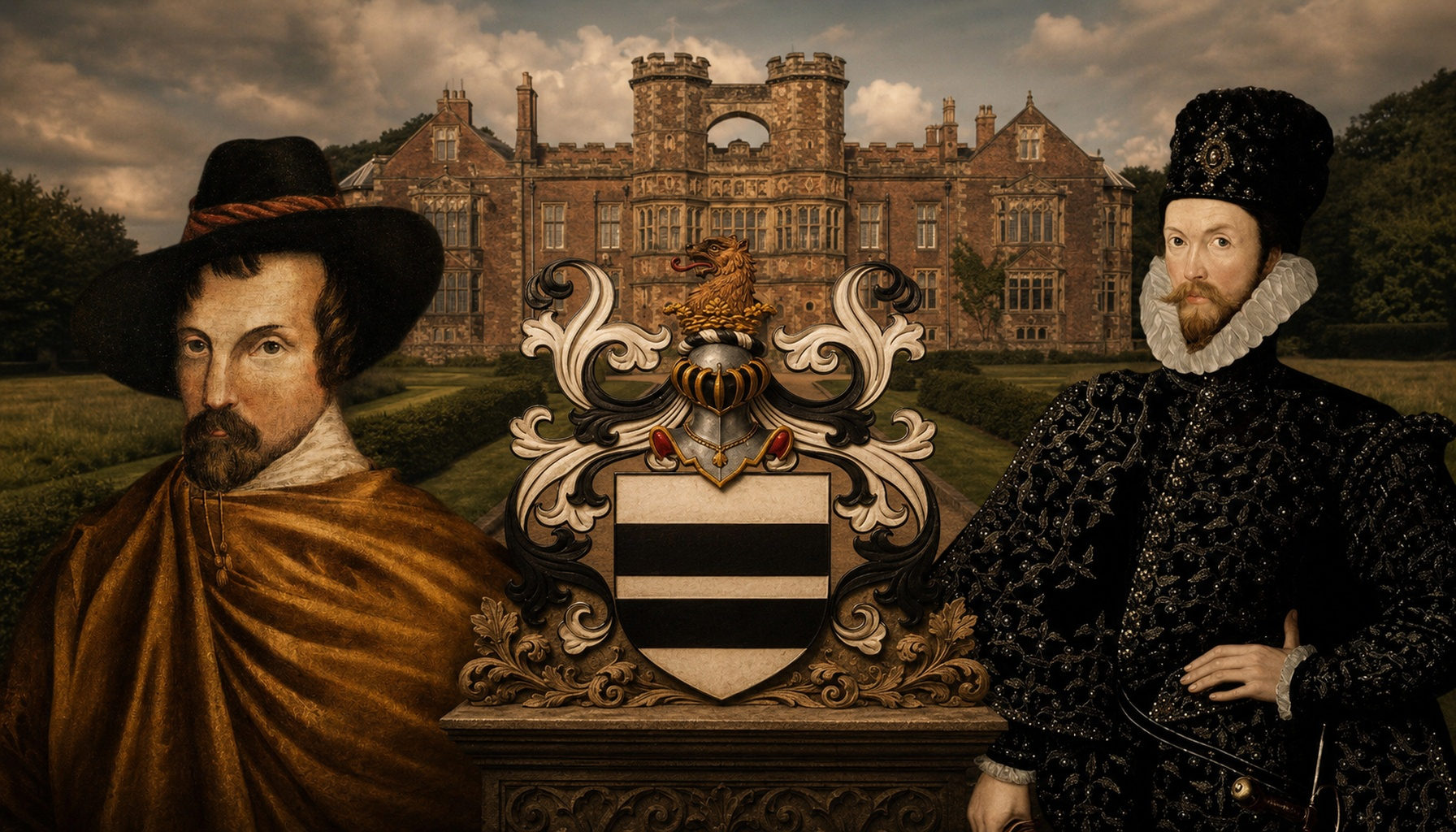
The House of OReilly, or Ua Raghallaigh, was one of the great Gaelic Irish royal houses of East Breifne, rooted in the lands that later became County Cavan. Their story belongs to that distinctively Irish world of territorial kingship, kin-based lordship, cattle wealth, fortified landscapes, church patronage, feuding, alliance, and hard political realism. In haplogroup terms, the primary family line is linked here with R1b1a1b1a1a2c1a1a1a1a1a1a3a, a branch associated with a wider Irish and northwestern European paternal background. Haplogroups: R1b1a1b1a1a2c1a1a1a1a1a1a3a.
The OReillys emerged from the Gaelic political fabric of Breifne through Muintir Maelmordha, building authority not as distant courtly aristocrats but as rulers embedded in territory, clientship, and armed followings. Their early named figures give a sense of the dynasty's depth: Ragheallach Ua Raghallaigh is recorded in 1014, and by 1161 Gofraid Ua Raghallaigh was Lord of Muintir Maelmordha. In later centuries the family produced kings of East Breifne including Gilla Iosa Rua OReilly in 1330, Philip OReilly in 1384, and Hugh Conallagh OReilly in 1583. What makes the OReillys so fascinating is that they exemplify the classic Gaelic royal house pattern: rule tied to land and lineage, power contested among relatives, and identity anchored to a region that still remembers them.
Read more about the Royal House of ONeill
No place captures OReilly power better than Cloughoughter Castle, their great island stronghold in County Cavan. Set on a small island in Lough Oughter, the castle is a striking circular tower house, most likely built in the 13th century, probably on the site of an earlier crannog or fortified lake dwelling. That is exactly the sort of continuity one expects in Gaelic Ireland: older lordly landscapes being reused and reinvented by later dynasties. Cloughoughter passed into OReilly hands and became one of the chief symbols of their authority in East Breifne, a place of defense, display, and dynastic residence. It also had a long afterlife, including use during the Confederate Wars and the Cromwellian period, before falling into ruin. Even as a ruin, it remains wonderfully eloquent, rising out of the water like a piece of political theatre in stone. The site can still be visited in the wider Lough Oughter area, and it remains one of the most evocative landmarks connected with OReilly heritage.
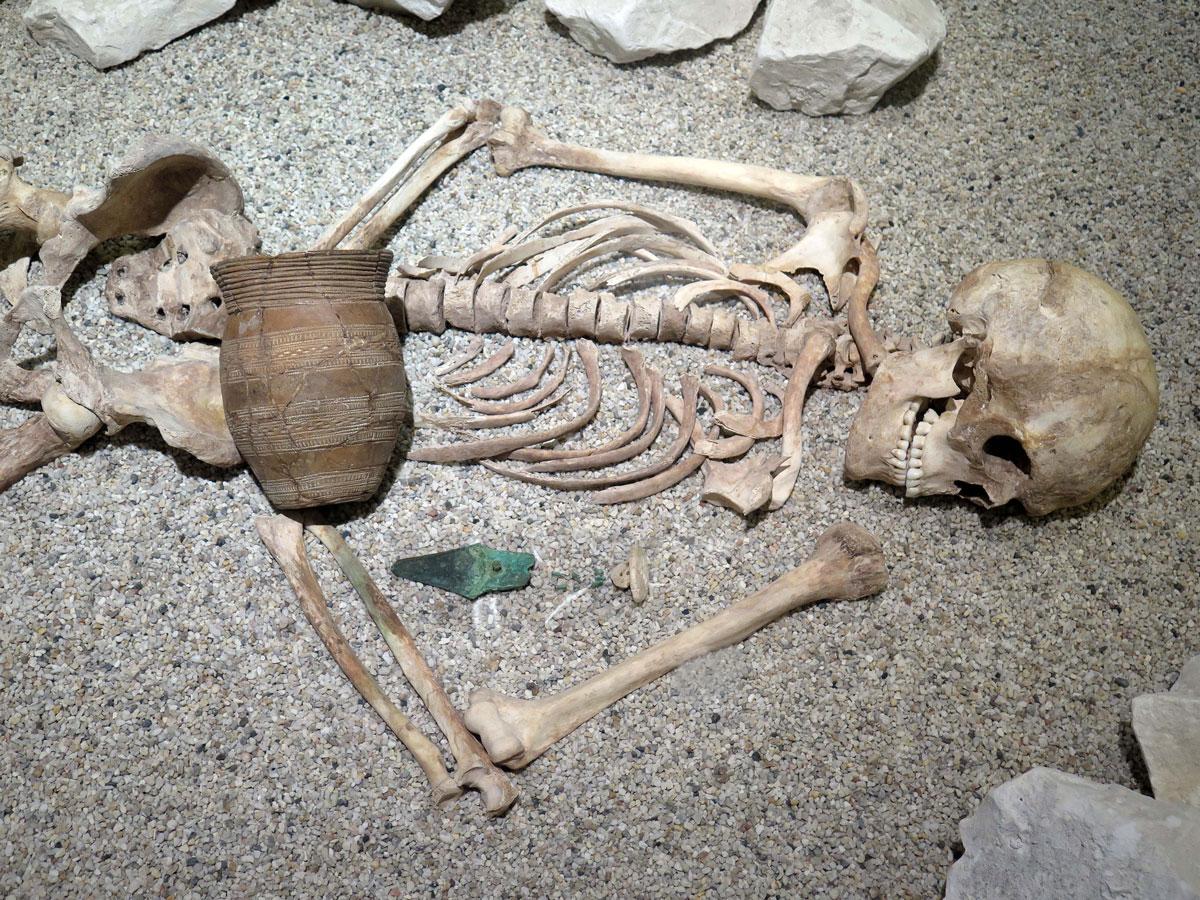
On the ancient DNA side, the OReilly haplogroup association is presented through related or linked R1b1a1b1a1a2c1a1a1a1a1a1a3a samples rather than any proven direct descent from named historical OReilly rulers. These linked samples include a substantial medieval Irish cluster from Ballyhanna, County Donegal, such as Sk197an, Sk197y, Sk197q, Sk197am, Sk197s, Sk197ab, Sk197u, Sk197t, Sk197r, Sk197ad, Sk197x, Sk197n, Sk197aa, Sk197z, Sk197ak, Sk197w, Sk197ai, Sk197m, Sk197ah, Sk197ag, Sk197v, Sk197ac, Sk197al, Sk197af, Sk197ae, Sk197o, Sk197aj, HAN197x, Sk197a, Sk197b, Sk197c, Sk197d, Sk197e, Sk197f, Sk197g, Sk197h, Sk197i, Sk197j, Sk197k, Sk197l, Sk197p, and HAN197, alongside medieval Irish examples from Kilteasheen in Roscommon including KIL041, KIL044, KIL033, KIL037, KIL009, and KIL014. These do not stand in for the OReilly pedigree itself, but they do help place the family within a broader medieval Irish genetic landscape that fits the world from which Gaelic ruling houses like the OReillys arose.
Read more about Clann Mag Samhradhain
If you carry OReilly heritage, or simply suspect roots in Breifne, this is a fine reminder that surnames can open onto entire lost political worlds. Upload your DNA to MyTrueAncestry to see whether you match the House of OReilly story or related ancient DNA samples from medieval Ireland.
Comments