The Royal House of ONeill
– 3 min read


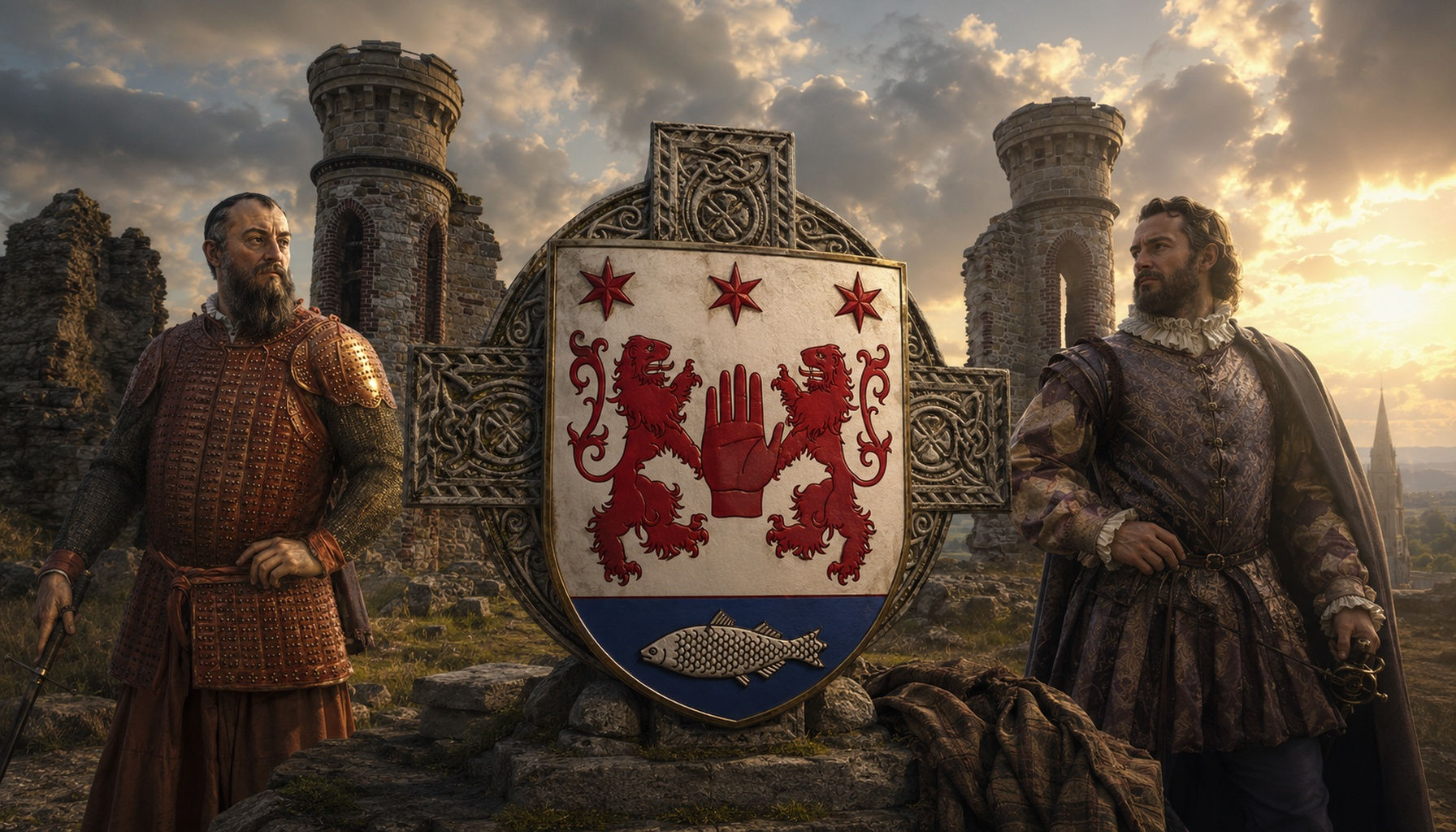
The House of ONeill was one of the great royal lineages of Ireland, emerging from the wider Ui Neill world and rooted above all in Tir Eoghain in the north, in what is now chiefly County Tyrone and the wider Ulster region. Their story is bound up with the old Gaelic pattern of rule: kingship built on ancestry, clientship, cattle and land, military strength, church patronage, and a very sharp eye for rival cousins. The haplogroup most closely linked here is R1b1a1b1a1a2c1a1a1a1a1a1a2, a paternal line often discussed in connection with northwestern Irish dynastic traditions. As always, though, a haplogroup is not a crown in itself; it is one thread in a much larger historical tapestry.
In historical memory, the ONeills stood as heirs to the prestige of the High Kings and as the leading dynasty of Tir Eoghain. Their reputation was made and remade over centuries by conflict, alliance, fosterage, succession disputes, and resistance to outside encroachment. Among the best-known figures are Niall Glundub, High King of Ireland, who died in 919; Aed Buide ONeill, King of Tir Eoghain from 1260 to 1283; Conn Bacach ONeill, 1st Earl of Tyrone, who lived from 1480 to 1559 and tried to navigate both Gaelic and Tudor political worlds; Shane ONeill, the formidable Prince of Ulster, from about 1530 to 1567; and Hugh ONeill, Earl of Tyrone, from about 1550 to 1616, whose career became inseparable from the great struggle between native lordship and expanding English power. If one wants a family that captures the drama of medieval and early modern Ireland, the ONeills are very hard to beat.
Read more about Clan ODomhnaill
The great location anchor for the ONeills is Dungannon Castle in County Tyrone, long associated with the leading branch of the family and the political center of their power in Tir Eoghain. It stood in a commanding position on a hill, which is exactly what you would expect from a Gaelic royal stronghold: not merely a residence, but a statement. From here the ONeills could oversee territory, receive allies, watch rivals, and project authority across central Ulster. The castle became especially important in the later medieval and Tudor periods, when the old Gaelic order was under immense pressure. It was captured and recaptured during the Nine Years' War and was eventually destroyed in 1602 to prevent its use by English forces. The visible medieval castle itself does not survive intact, but the site remains historically important, marked in modern Dungannon and remembered through local heritage. So yes, the place can still be visited in the sense that the historic site and town are accessible, even if what you are visiting is more landscape and memory than a standing royal fortress.
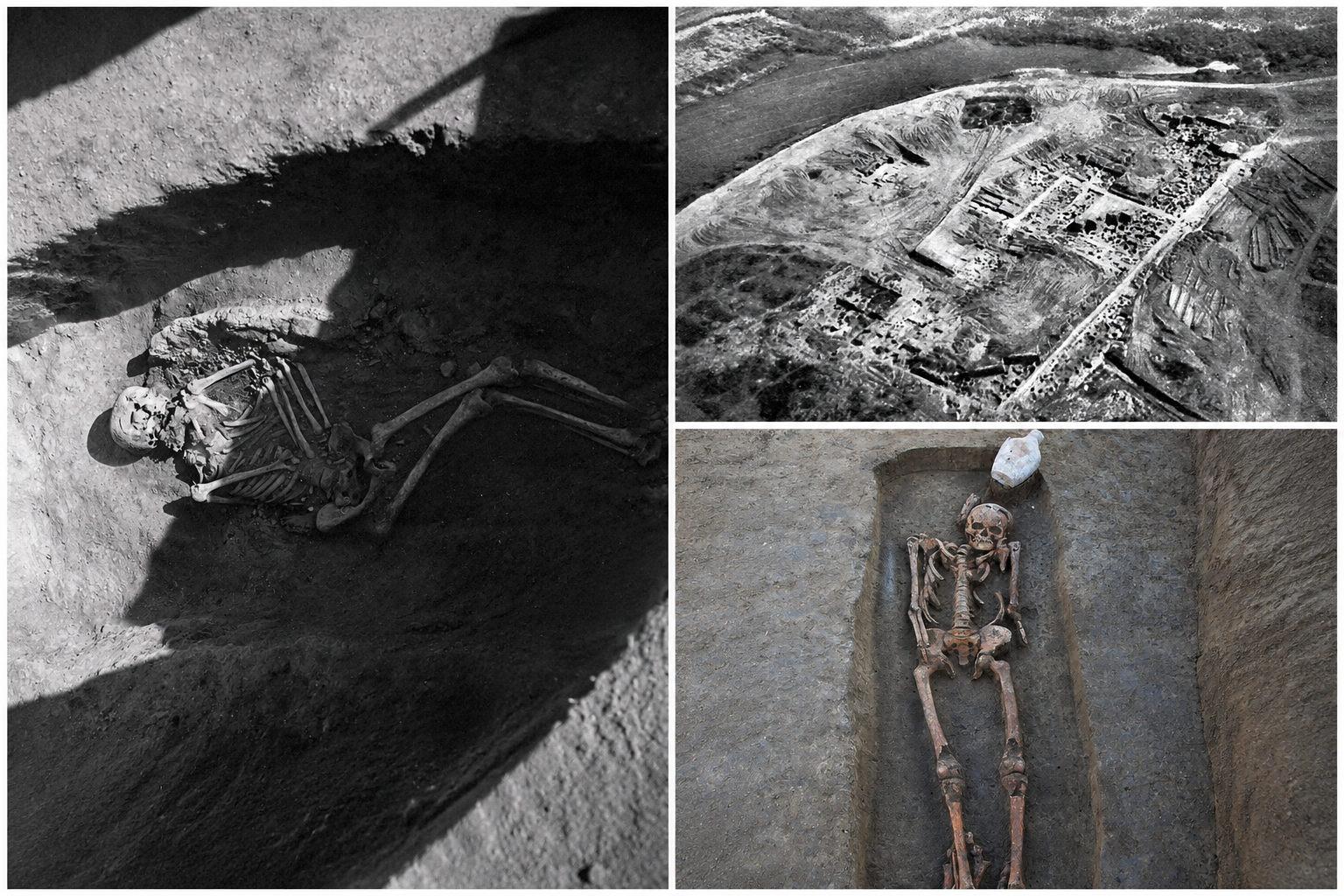
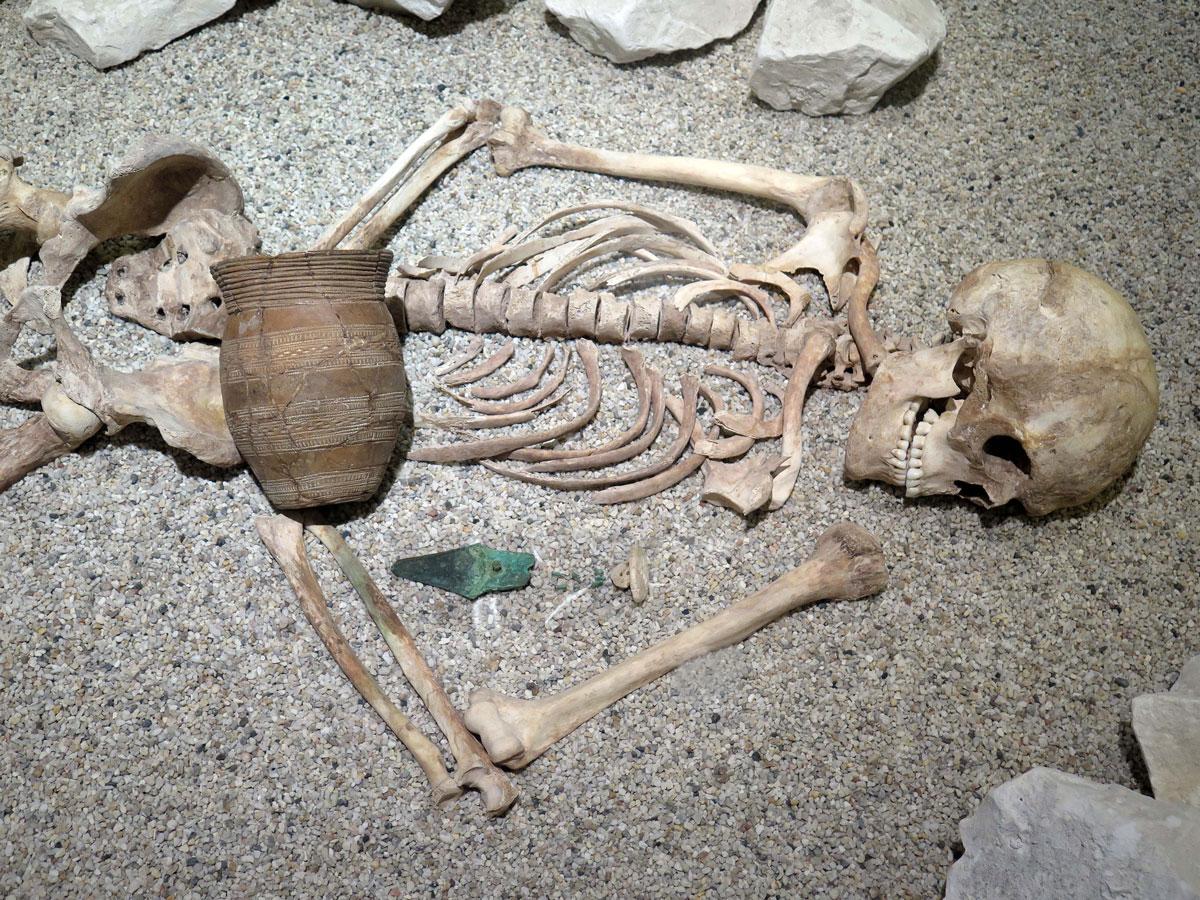
From a DNA point of view, the ONeill story sits within a broader cluster of paternal lineages linked with Gaelic Ireland, especially the haplogroup R1b1a1b1a1a2c1a1a1a1a1a1a2. That does not allow us to identify any excavated individual as an ONeill without direct evidence, but it does let us point to related or linked ancient samples that help sketch the population background of the world from which such dynasties emerged. Particularly relevant are numerous medieval individuals from Ballyhanna, County Donegal, including samples such as Sk197an, Sk197y, Sk197q, Sk197am, Sk197s, Sk197ab, Sk197u, Sk197t, Sk197r, Sk197ad, Sk197x, Sk197n, Sk197aa, Sk197z, Sk197ak, Sk197w, Sk197ai, Sk197m, Sk197ah, Sk197ag, Sk197v, Sk197ac, Sk197al, Sk197af, Sk197ae, Sk197o, Sk197aj, HAN197x, Sk197a through Sk197p, and HAN197. Also worth noting are linked medieval Irish samples from Kilteasheen in Roscommon, including KIL041, KIL044, KIL033, KIL037, KIL022, KIL009, and KIL014, alongside more distant but still informative linked examples such as VK95 from Viking Age Hofstadir in Iceland and VK44 from Sandoy Church in the Faroe Islands. These are best understood not as proven members of the ONeill dynasty, but as genetically and geographically relevant companions in the wider story of Atlantic, Gaelic, and Norse-Gaelic worlds.
Explore Neolithic Irish kinship
The House of ONeill endures because it represents something larger than a surname: the long memory of Irish kingship, the power of provincial lordship, and the stubborn survival of Gaelic identity through centuries of upheaval. If your family story points toward Ulster, Tir Eoghain, or the old Ui Neill world, uploading your DNA can help you see whether you match the House of ONeill story or related ancient DNA samples from medieval Ireland and beyond.
Comments