Clann Mag Samhradhain
– 2 min read


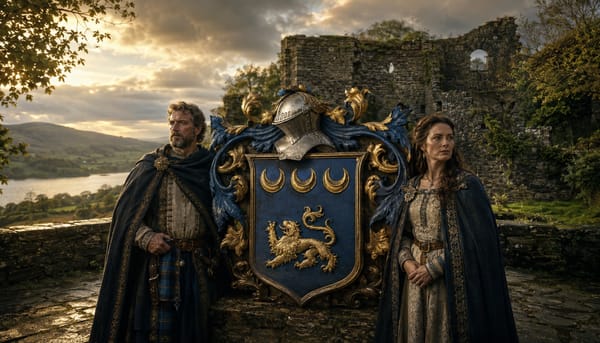
Clann Mag Samhradhain, better known in later anglicized forms such as McGovern or Magauran, were a Gaelic Irish ruling family of Tullyhaw in what is now County Cavan. In the MyTrueAncestry data they are linked to the Y-DNA haplogroup R1b1a1b1a1a2c1a1a1a1a1a1a3a, anchoring the clan within a deep paternal line associated with northwestern Ireland and the broader Insular Celtic world.
The clan took its name from the medieval ancestor Samhradhán, and the local tradition preserved in the source notes places the family among the chiefs of Teallach Eathach, or Tullyhaw. Their story is one of regional lordship rather than imperial scale: control of a defined landscape, kin-based power, and a long struggle to hold territory through shifting alliances, neighboring rivalries, and growing English pressure in late medieval and early modern Ireland. A named figure directly tied to the haplogroup map is Muireadhach mac Samhradhain, dated 1115–1148, showing how early the lineage is remembered in the historical record.
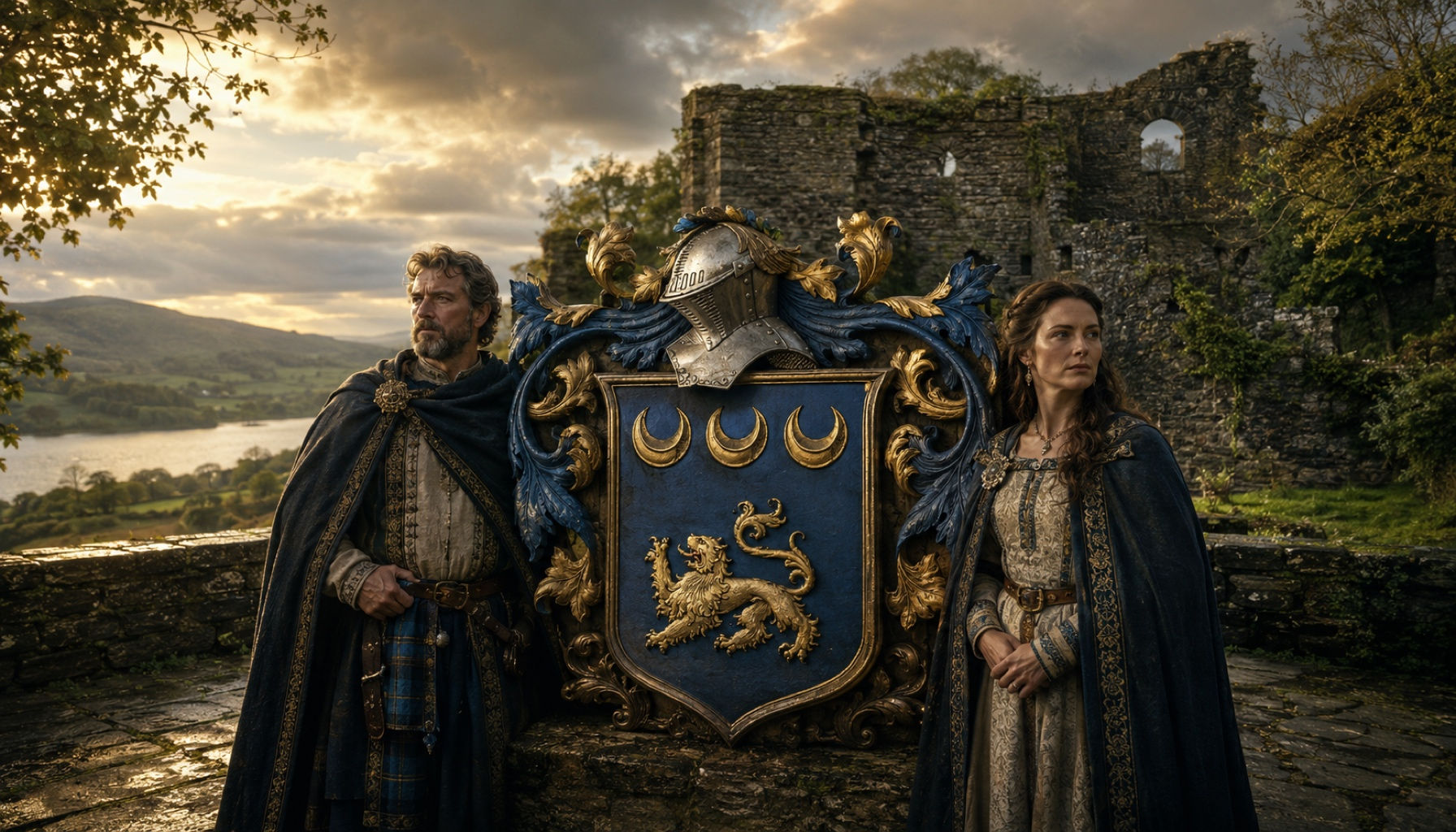
Their associated motto, Virtue Mine Honour, fits that frontier-lordship identity well. It suggests a clan that framed status not just through descent, but through conduct, reputation, and the ability to defend standing in a turbulent Gaelic world. That makes Clann Mag Samhradhain especially interesting for DNA storytelling: they are a good example of how a relatively localized ruling line can still preserve a strong genetic and historical identity across many centuries.
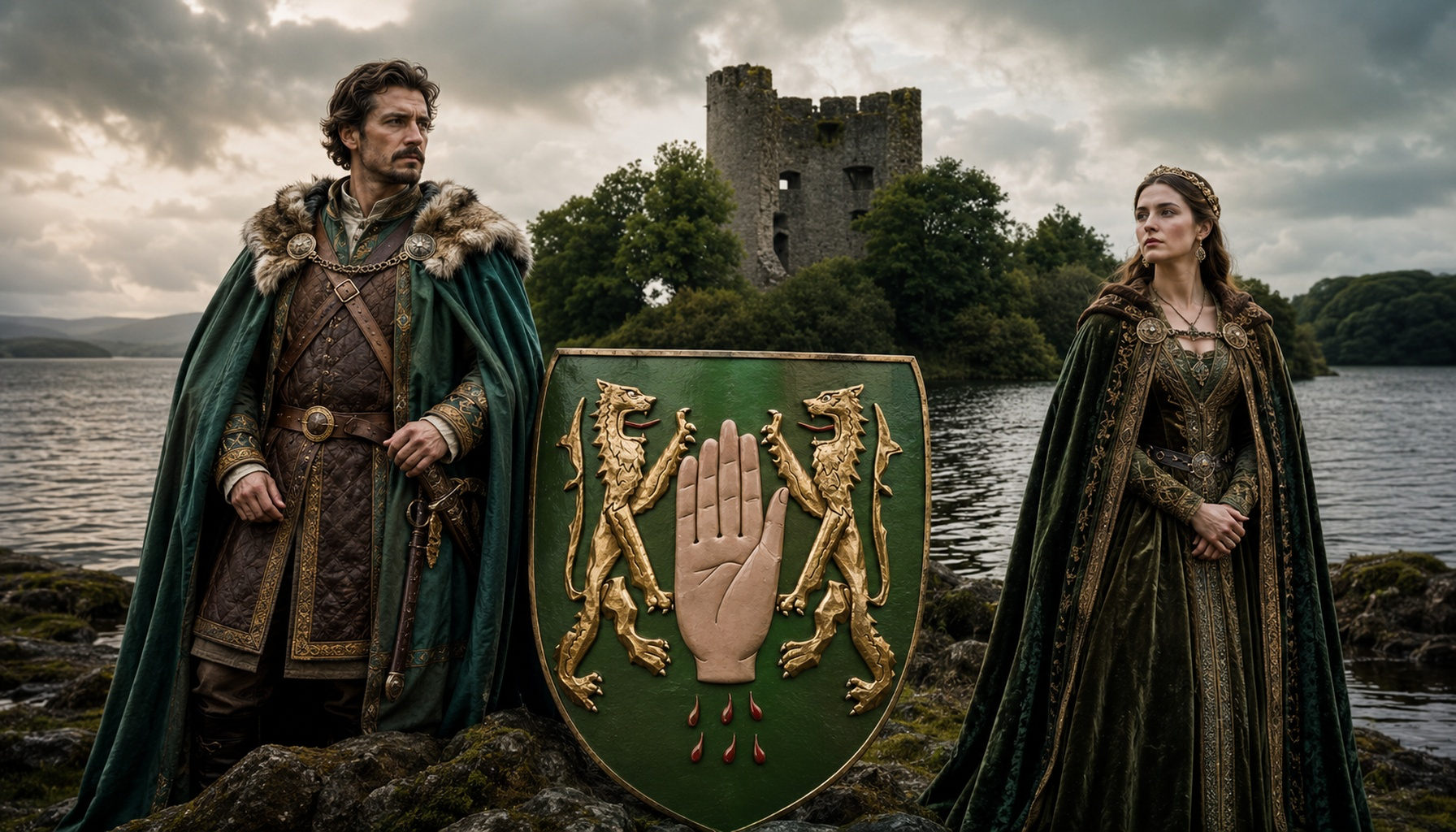
The clan’s landscape is Tullyhaw, and the most evocative surviving place linked to that story is Ballymagauran or Ballymagovern Castle in County Cavan. Today it survives as a ruin in a lake-and-hill setting near Templeport, giving a real physical anchor for the family memory. Even in ruined form it helps the clan feel concrete rather than abstract: this was not just a surname, but a lordship rooted in an identifiable corner of Ireland that can still be traced on the ground.
The ancient DNA side is suggestive rather than direct, but still compelling. The closest related samples surfaced by the local brief include Iron Age and later Insular-Celtic-context males such as I16504 from Broxmouth in East Lothian, I12926 from Celtic Briton context at Fairford in Gloucestershire, and I14353 from late Iron Age West Yorkshire. These are not claimed as direct ancestors of Clann Mag Samhradhain, but they sit in closely related branches of the same broader paternal story and help show how old and geographically wide this lineage was long before the medieval clan itself appears by name.
If you have Irish, Ulster, or broader Celtic DNA in your results, upload to MyTrueAncestry and see whether your own ancient matches connect you to Clann Mag Samhradhain, their haplogroup story, or the wider world that produced the chiefs of Tullyhaw.
Comments