Neolithic DNA, Admixture, and Plague on Gotland
– 5 min read


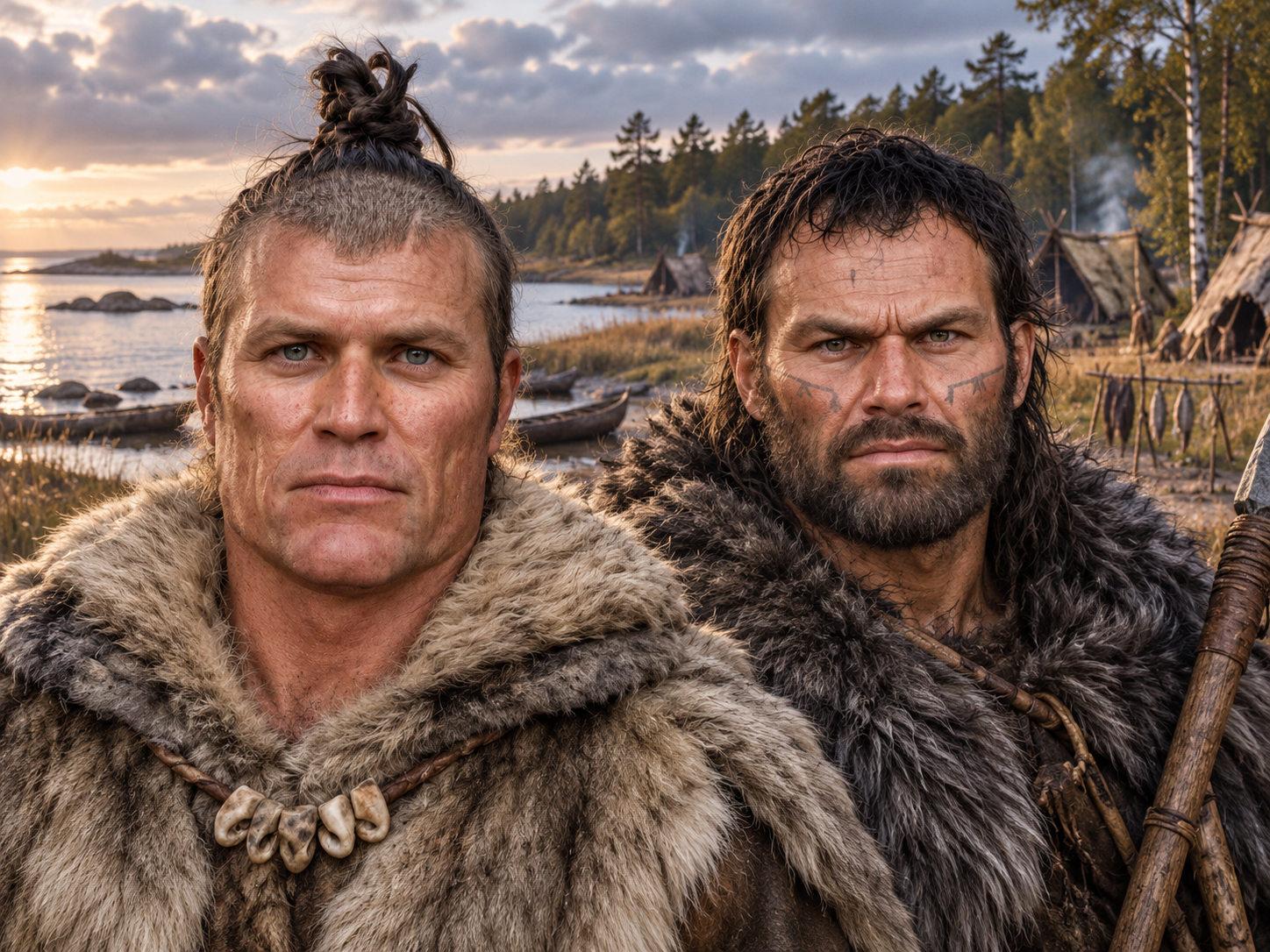
In the middle of the Baltic Sea, Gotland became one of the most intriguing stages of the Neolithic world. For more than five centuries, two very different ways of life existed side by side. One group were farmers linked to Funnel Beaker communities across northern Europe. The other, identified with the Pitted Ware tradition, hunted seals, fished, and gathered marine foods along the coast. This was not one people replacing another — it was a long human drama on an island where sea routes mattered enormously.
The farmers are oddly elusive in the record: settlement traces, pottery, animal bones, yet only one confirmed burial monument — the Ansarve dolmen. The foragers, by contrast, are everywhere. Their coastal cemeteries at Ajvide, Hemmor, and Västerbjers reveal resilient communities deeply invested in maritime life, not leftovers from an older age but active societies with strong island presence.
Human remains tell a challenging story. The farmers mostly traced back to Europe's first farming populations; the Pitted Ware people were much closer to older Scandinavian forager populations. Gotland becomes a contact zone — people with different diets, burial traditions, and histories living close enough to trade, watch, and occasionally intermarry, while mostly maintaining distinct identities.
The two traditions overlapped roughly between 3300 and 2800 BC before the farming tradition faded. The island, sitting at a maritime crossroads connecting Scandinavia, the continent, and the eastern Baltic, remained connected yet distinct — a small world in which the larger transformations of prehistoric Europe played out at human scale.
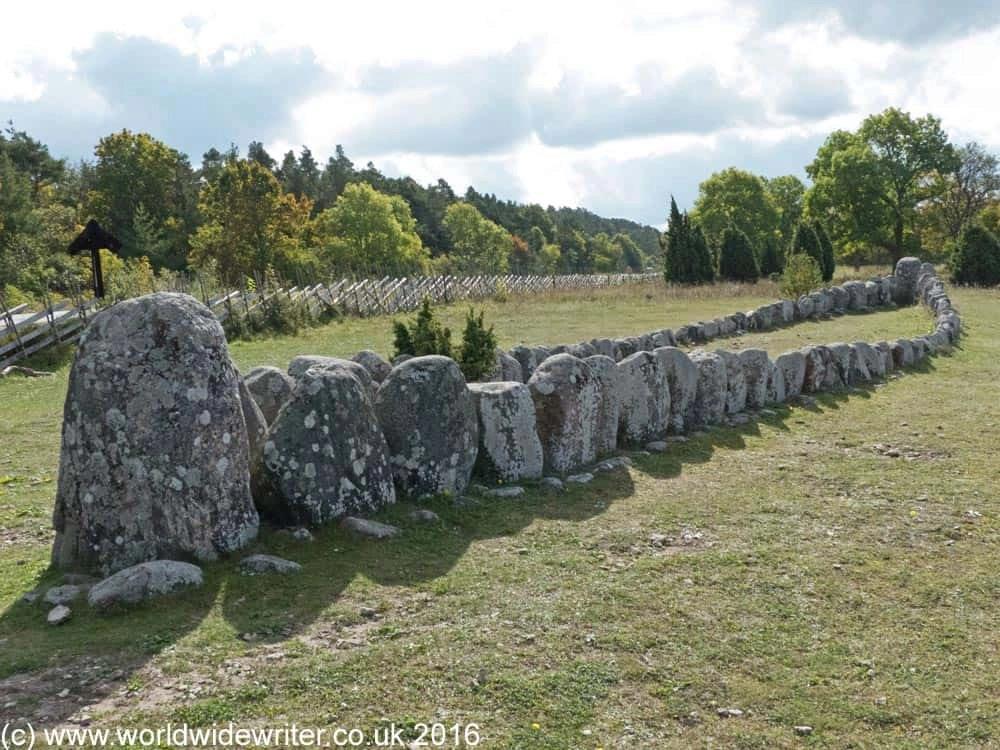
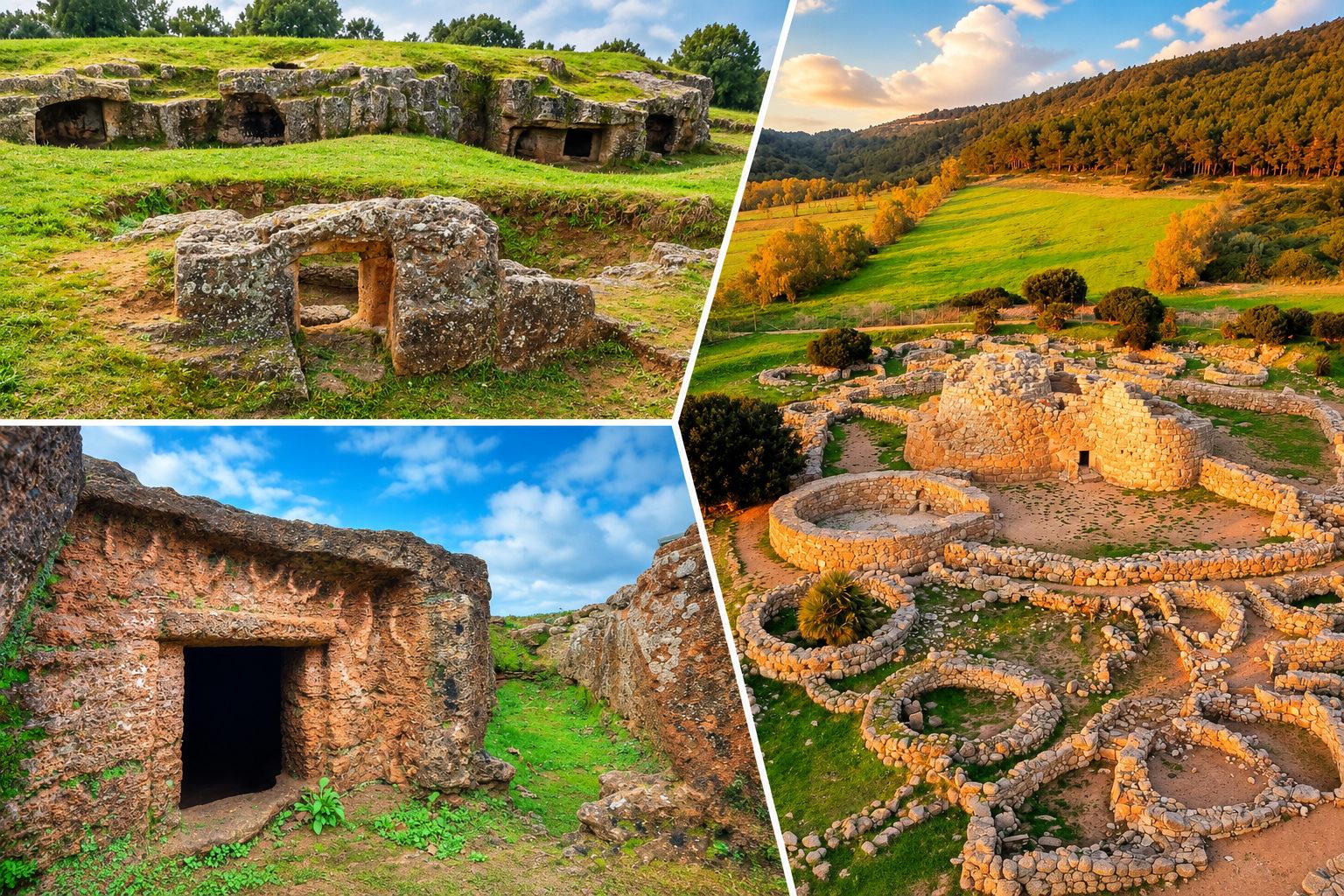
The Ansarve dolmen is Gotland's only confirmed megalithic burial, making it both precious and enormously important. A dolmen is not merely a grave — it is architecture with intention, a house for ancestors where memory and lineage were staged in stone. At Ansarve, around thirty individuals were buried across generations, making it a recurring centre of family and social identity.
Among the most striking individuals is a juvenile male whose bones reveal signs his parents were closely related — apparently first cousins. That detail pushes past broad population history into the realities of family structure, uncomfortably immediate in the way archaeology often is. Two women from the earliest phase were related at roughly third-degree kin through different maternal lines, reminding us that kinship in such tombs gathered relatives through fathers, mothers, marriages, and alliances.
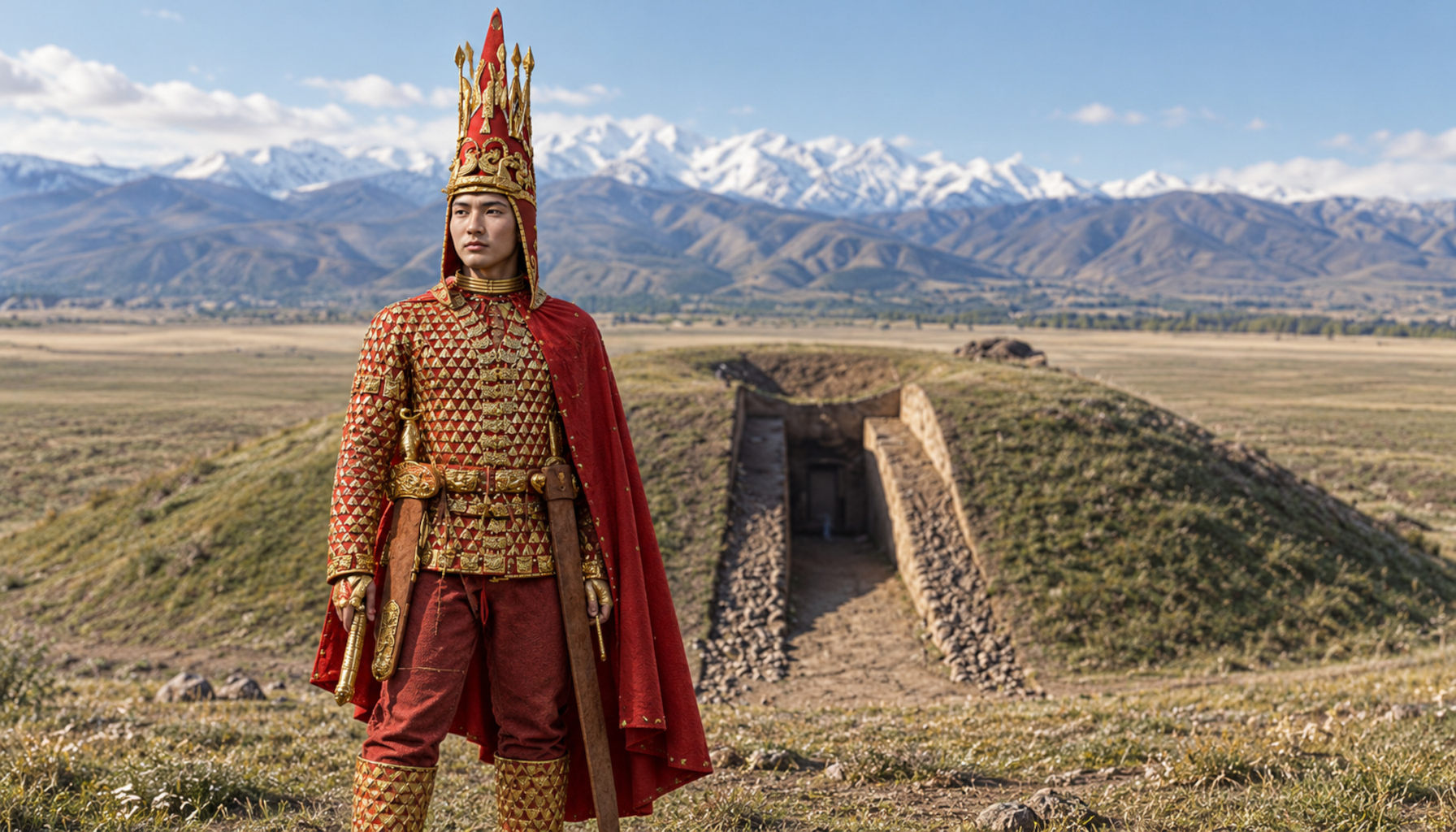
At least two men shared the same paternal line, suggesting a society where ancestral claims were anchored particularly through fathers and sons. Then comes a dramatic surprise: long after the main farming phase, an adult male from around 2030–1890 BC was buried in the ancient chamber. His ancestry included Steppe-derived groups that had spread across later Neolithic Europe, and he appears to have been non-local in childhood. Someone from a transformed world came to rest in a monument already ancient in his own lifetime — perhaps drawn by its enduring power, perhaps making a deliberate claim on the past.
Ajvide, Hemmor, and Västerbjers are places where the dead, the shoreline, and daily subsistence came together with remarkable clarity. The dead were laid in flat graves rather than stone chambers — a striking contrast with Ansarve. The coast was not a refuge of the defeated; it was a productive, socially rich habitat where marine foraging remained enormously successful long after farming had arrived nearby.
Connections between sites bring this world vividly to life. Individuals buried at one location were related to those at another, turning separate excavations into a social map of marriages, seasonal movements, and enduring family ties around the island coast. At Västerbjers, one pair appears to have been grandparent and grandchild; another possibly great-grandparent and great-grandchild. Cemeteries were not random collections of unrelated dead — they were places where real family histories accumulated.
The Pitted Ware people were not untouched by the farming world; some carried farmer ancestry in their deeper background. Yet culturally they remained distinctly themselves. Identity is not reducible to bloodline. Later contexts even show the adoption of grinding stones and domestic animal bones, suggesting flexible communities that changed on their own terms without abandoning their maritime identity.
When farmers and marine foragers shared an island for centuries, did they actually mix? Yes — but not in a tidy way. Most inherited mixing had happened earlier, yet some direct local encounters also occurred. Neither group was a sealed biological block; both already carried histories of encounter before they shared Gotland.
There are specific hints of local mixing: one of the latest men at Ansarve shows more recent forager-related ancestry; several Pitted Ware individuals show relatively recent farmer connections. Yet no close kin ties directly link the dolmen group with the coastal cemeteries. The scale of mixing was limited, suggesting selective contact — people who knew each other well while preserving separate marriage norms, burial rites, and identities. Human societies are perfectly capable of intimacy and distance simultaneously. Neolithic Gotland managed exactly that balance.
No account of Neolithic Gotland is complete without its extraordinary disease evidence. Some of these islanders carried plague. A woman buried in the first phase of the Ansarve dolmen, around 3500–3110 BC, appears to have been infected with one of the earliest known plague lineages — a person whose body bore the mark of a dangerous infection in a world without doctors or understanding of microbes. A man at Ajvide carried another ancient strain with eastern Baltic affinities, suggesting maritime networks transmitted infection as ruthlessly as they moved goods and people.
The late outsider buried in the ancient dolmen centuries later carried a still more recent plague lineage associated with the wider Late Neolithic world — and possibly a second co-infection from a related bacterium causing severe intestinal illness. In one body, mobility and disease meet completely.
Plague crossed cultural boundaries just as boats crossed the Baltic. Farmers had it. Marine foragers had it. Later migrants had it. Disease now must be considered alongside social change, mobility, and subsistence stress when explaining the eventual decline of farming on the island. The same waters that carried trade and ideas carried danger. The dead of Ansarve and Ajvide preserve that truth with terrible eloquence.
 Magdalena Fraser


Comments