Clan ORourke
– 2 min read


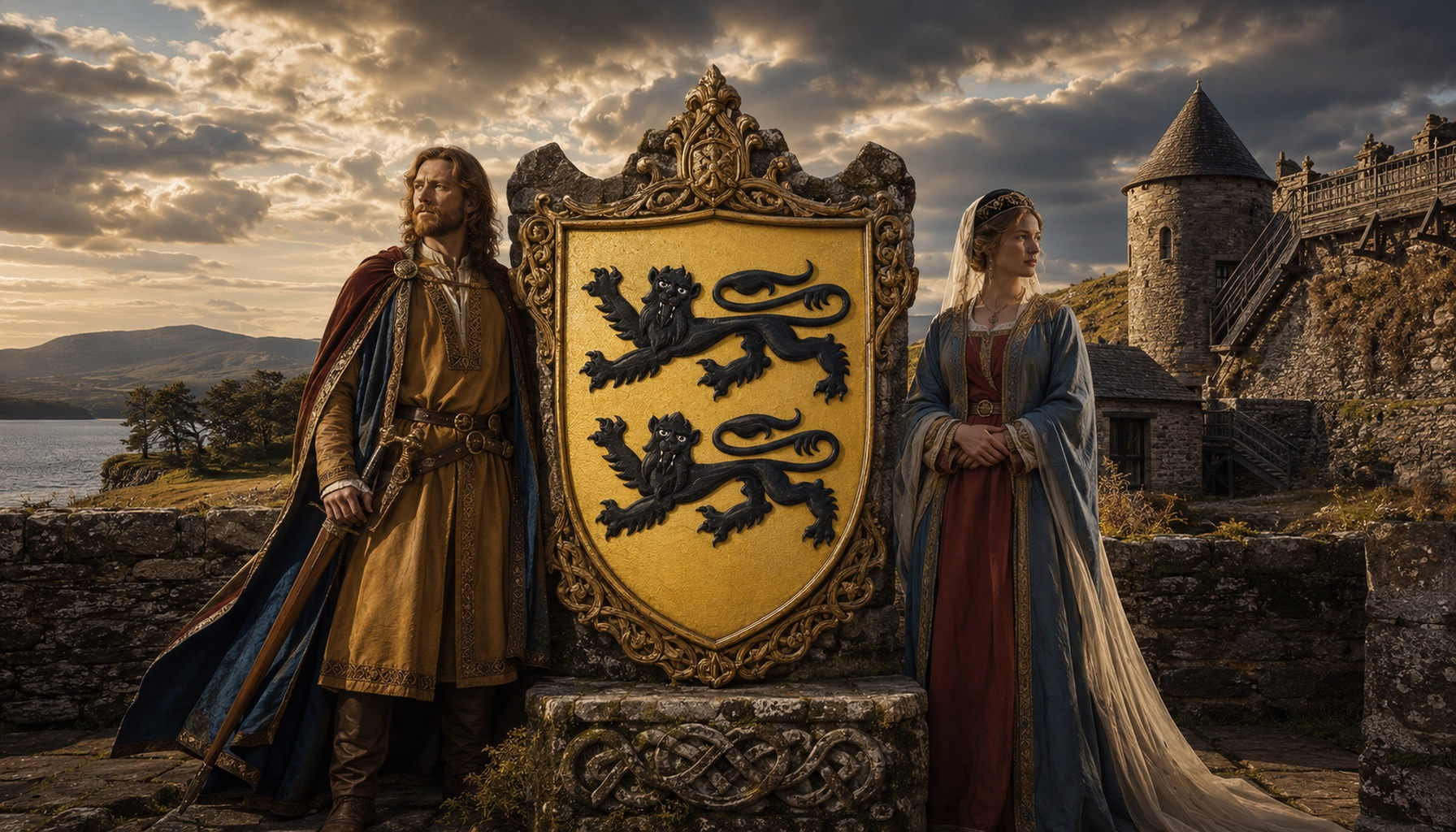
Clan ORourke, or Ua Ruairc, was one of the great Gaelic ruling families of Ireland, rooted in Breifne in the north-west and midlands borderland, especially around what is now County Leitrim and parts of Cavan. Their story belongs to that very old Irish political world where power was not simply inherited like a neat modern estate, but held and defended through kinship, clientship, cattle, fighting men, alliances, and a fierce attachment to place. The primary haplogroup linked here is R1b1a1b1a1a2c1a1a1a1a1a1a3a, a paternal line associated with a number of medieval Irish samples and often discussed in connection with long-standing Gaelic male lineages.
The ORourkes emerged from the dynastic landscape of medieval Ireland as kings and lords of Breifne, a territory that mattered because it sat in a strategic zone between Connacht and Ulster. Their importance was political, military, and cultural. They were not merely local chiefs in the romantic postcard sense, but part of the machinery of Gaelic sovereignty. Genealogy mattered enormously to such a family, because descent was legitimacy. Oral tradition mattered too, because memory was power. Among their named figures is King Fergal ua Ruairc, recorded in 961, an early marker of the family in the annals. Later generations of ORourke lords would remain bound up with castles, rivalries, resistance to outside pressure, and the stubborn continuity of Gaelic identity long after the political weather had changed around them.
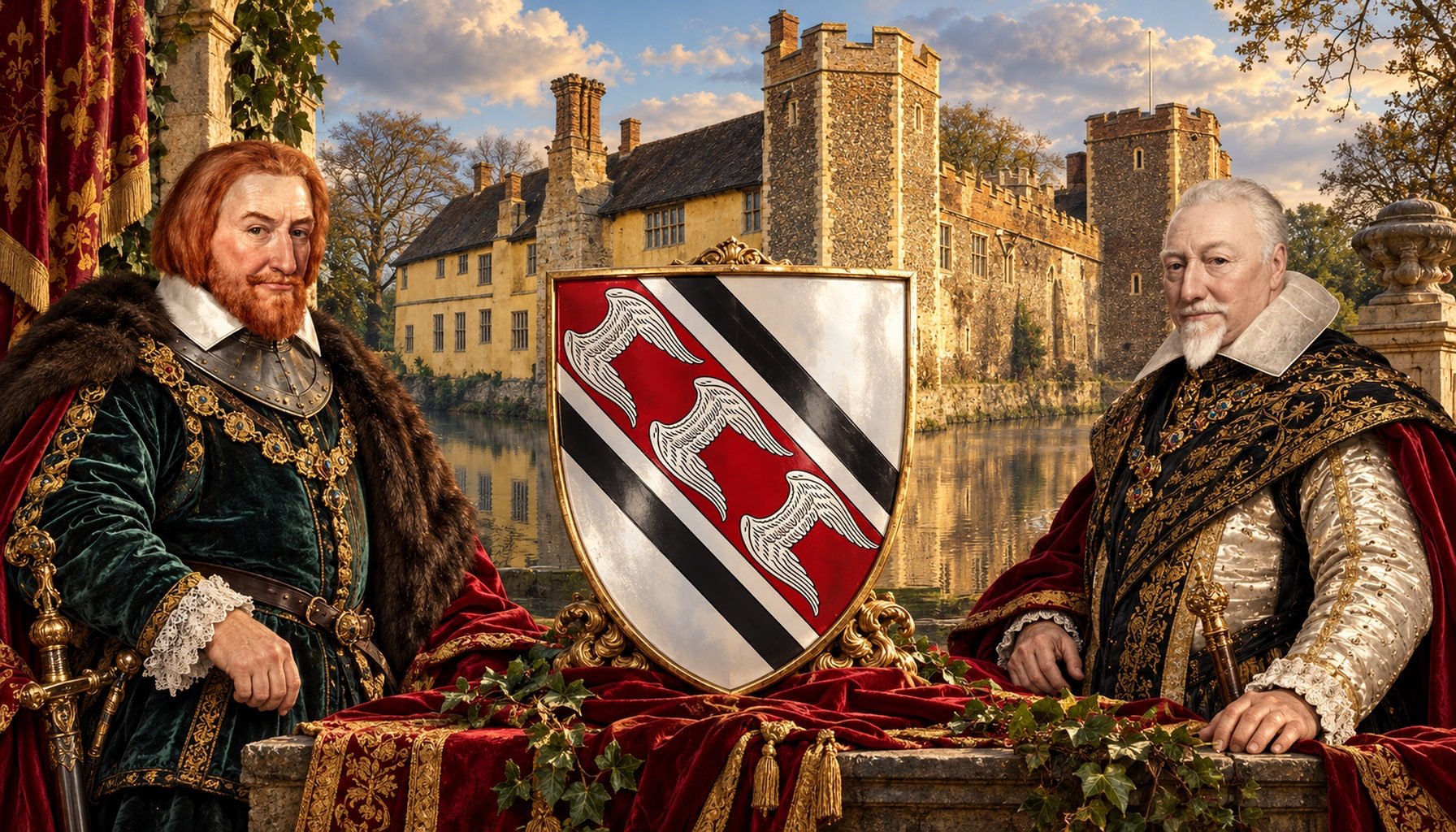
One of the best physical anchors for ORourke heritage is Parkes Castle on the shores of Lough Gill in County Leitrim. The site stands in former ORourke country and preserves that sense, so familiar in Irish history, of layered possession: Gaelic lordship, plantation-era rebuilding, and the long afterlife of contested ground. The present fortified manor house is mainly early 17th century and is associated with Sir Roger Parke, but it occupies a site linked to an earlier ORourke stronghold. In other words, it is precisely the sort of place where the old Gaelic order and the new colonial one can be seen almost sitting on top of each other. Heritage Ireland notes its beautifully restored courtyard house, defensive features, and lakeside setting, and yes, it can still be visited today, which makes it a rare opportunity to stand inside a landscape that once formed part of the political world of the ORourkes rather than merely read about it from a safe historical distance.
On the ancient DNA side, the haplogroup R1b1a1b1a1a2c1a1a1a1a1a1a3a appears in a striking cluster of medieval Irish males, especially from Ballyhanna, County Donegal, including samples such as Sk197an, Sk197y, Sk197q, Sk197am, Sk197s, Sk197ab, Sk197u, Sk197t, Sk197r, Sk197ad, Sk197x, Sk197n, Sk197aa, Sk197z, Sk197ak, Sk197w, Sk197ai, Sk197m, Sk197ah, Sk197ag, Sk197v, Sk197ac, Sk197al, Sk197af, Sk197ae, Sk197o, Sk197aj, HAN197x, Sk197a through Sk197p, and HAN197. Related or linked examples also include Kilteasheen, Roscommon samples KIL041, KIL044, KIL033, KIL037, KIL009, and KIL014. These are not evidence of direct descent from the ORourkes themselves, and it is important not to pretend otherwise. What they do show is that this paternal line was present in medieval Gaelic Ireland in a way that fits the broader historical world from which families like the ORourkes emerged: kin-based, regionally rooted, and genetically continuous enough to leave recognisable traces in the record.
Read more about Clan ODuibhgeannain
If you carry ORourke heritage, or suspect roots in Breifne and the old Gaelic north-west, DNA can add an intriguing extra layer to the story. Upload your DNA to MyTrueAncestry and see whether you match the family story or any related ancient Irish samples linked to haplogroup R1b1a1b1a1a2c1a1a1a1a1a1a3a.
Comments