The Noble House de Pomeroy

– 3 min read



The House de Pomeroy was a Norman and later English noble house whose story belongs to the great reshaping of England after 1066. Their roots lay in Normandy, almost certainly connected with La Pommeraye, a place-name that gave the family its surname before it travelled across the Channel with conquest-era lordship, armed service, and royal favour. In England, and especially in Devon, the de Pomeroys became part of that new aristocratic web created by William the Conqueror: men rewarded with land, bound by military obligation, and remembered through castles, manors, seals, and heraldry. In haplogroup terms, the primary family line is linked here with R1b1a1b1a1a2, a branch deeply woven into the long paternal history of western Europe.
What makes the de Pomeroys so interesting is that they are not simply a family tree with a few impressive names dangling from it. They are a fine example of the Norman-English noble house in action: conquest origin, landed power, service to the crown, and local authority exercised through estate management and lordship. Ralph de Pomeroy (1030-1100) stands near the beginning of that English story, one of the Norman figures whose rise followed conquest and settlement. William de la Pomeroy (1060-1114) and Henry de la Pomeroy (1110-1164) continued the line in the great age of feudal consolidation, when noble status was not just inherited but constantly performed through loyalty, military readiness, patronage, and the keeping of regional influence. Devon was not merely where they happened to own land; it became one of the stages on which their identity was made and remembered.
Explore another Norman noble house
If one place preserves the emotional and historical afterlife of the family, it is Berry Pomeroy Castle in Devon. The site began as the seat of the Pomeroys after the Norman settlement, with an earlier medieval castle established there in the later Middle Ages, before later expansion and rebuilding transformed it into the striking ruin known today. Set above a wooded combe, it has that peculiarly English mixture of lordship, beauty, and faint unease: a stronghold, a residence, and now a romantic shell full of memory. Although the better-known surviving ruins include substantial Tudor work added after the estate passed to the Seymours, the place still carries the Pomeroy name because their association with it was so enduring. In other words, the family has outlasted the masonry in the historical imagination. Berry Pomeroy Castle can still be visited today, and it remains one of the most atmospheric places in Devon for anyone wanting to stand in a landscape where Norman landholding, medieval ambition, and later legend all seem to sit together rather companionably.
Read more about the House of Seymour
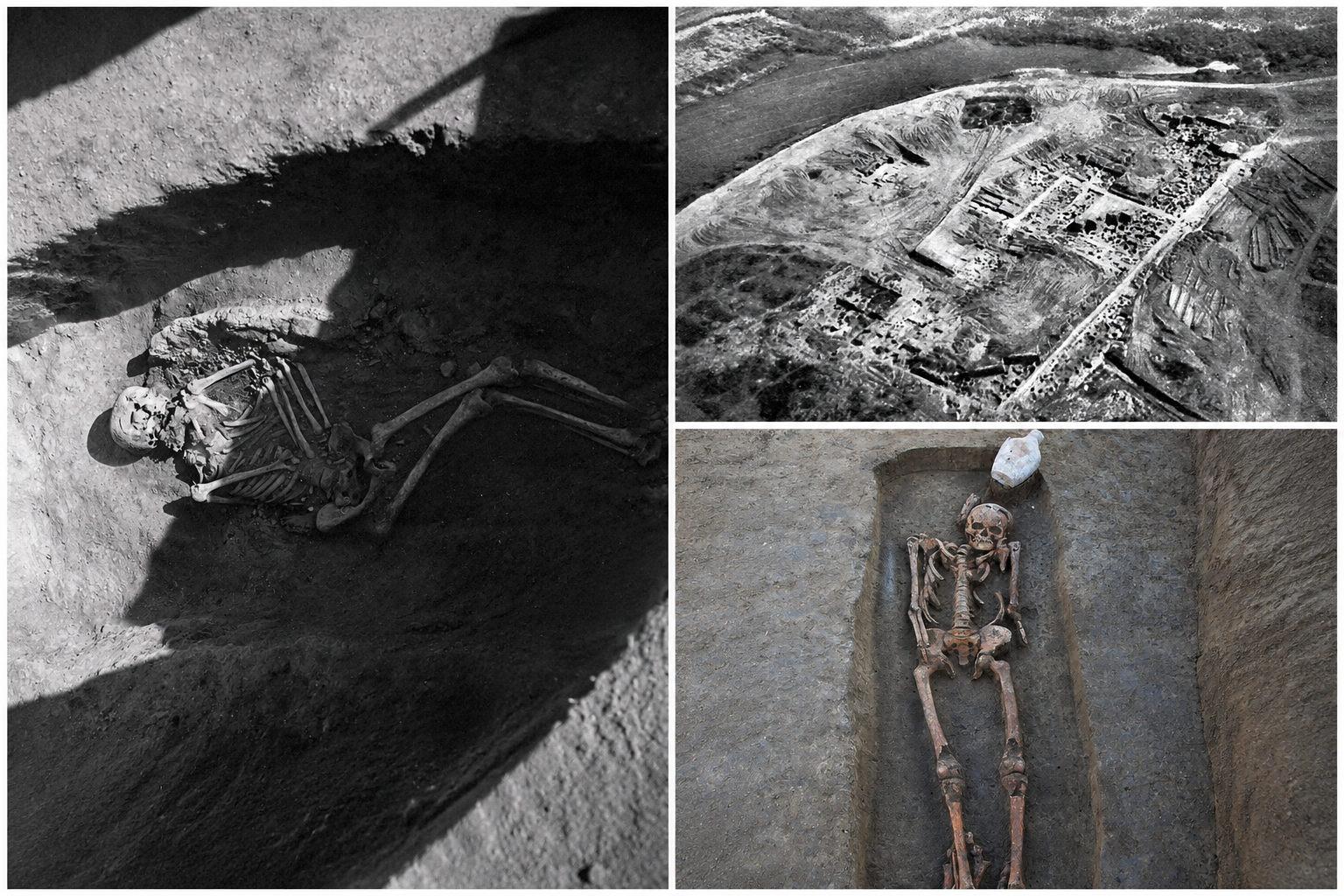
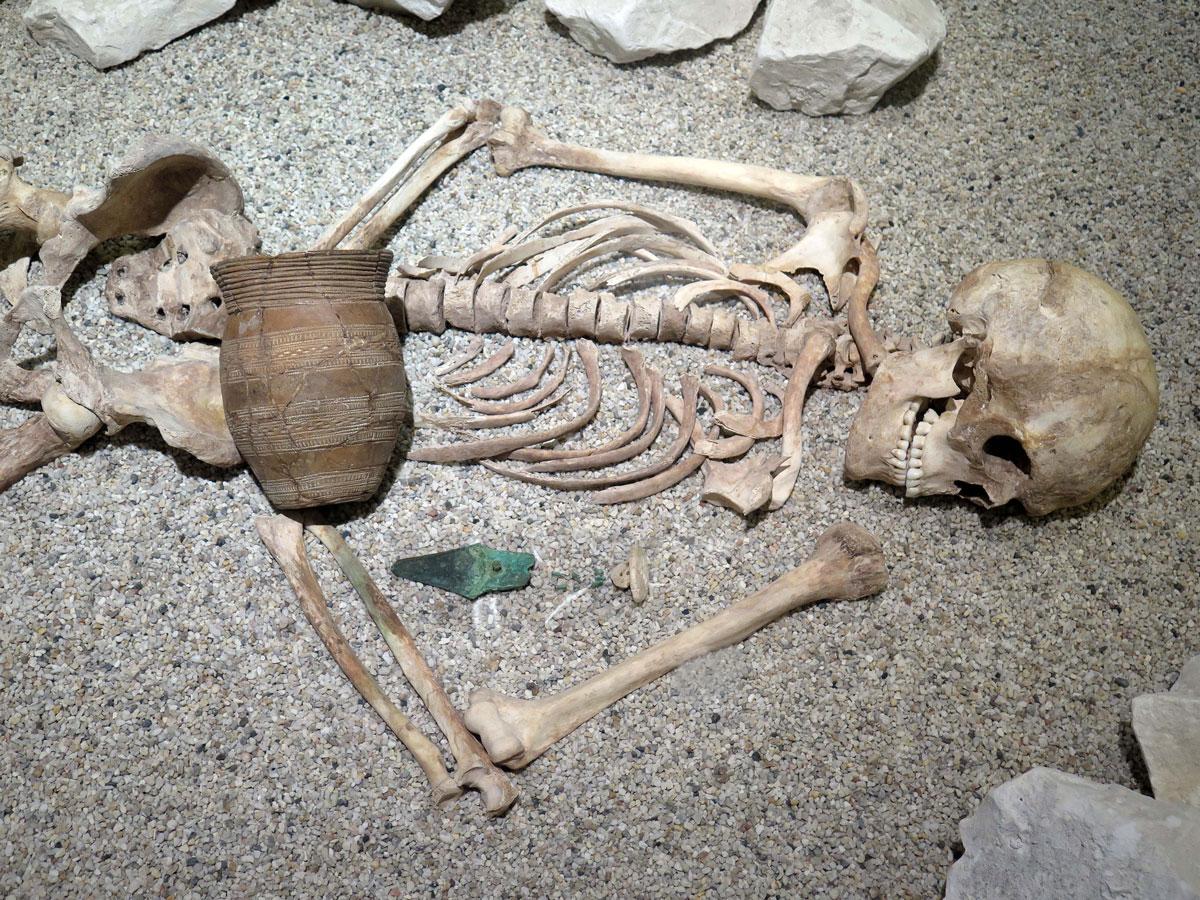
The de Pomeroy haplogroup tag here is R1b1a1b1a1a2, and while that does not by itself prove direct descent from any excavated individual, it does place the family within a very broad and well-attested paternal landscape visible in ancient DNA. Related or linked samples with this haplogroup appear across a remarkable sweep of time and geography: elite Celtic burials such as Magdalenenberg in Germany (MBG013) and Hochdorf (HOC001), Roman-era Britain including Eddington in Cambridgeshire (NWC009), Fenstanton (FEN012), Vicars Farm (VIC016), Arbury (ARB003), and Duxford (DUX003), as well as multiple Durotriges burials from Winterborne Kingston in Dorset including WBK103, WBK106, WBK17, WBK192, WBK10, WBK105, WBK39, WBK13, and WBK23. The same broader lineage also turns up in medieval and post-Roman contexts from England, Spain, Italy, Hungary, Belgium, Scotland, and beyond. What that suggests, in sensible historical terms, is not a single neat family trail, but a deep western European paternal background out of which later Norman and English noble houses emerged. It is exactly the sort of pattern one would expect in a family formed within the mobile, martial aristocratic world of medieval northwestern Europe.
Read more about Norman Conquest DNA
The House de Pomeroy offers a splendid glimpse of how conquest, land, memory, and identity worked together in medieval England. If this is your heritage story, or even just a nearby one, uploading your DNA can help you explore whether you match the House de Pomeroy profile or related ancient DNA samples linked with haplogroup R1b1a1b1a1a2 and the wider Norman and western European past.

Comments