House of Gediminid

– 3 min read


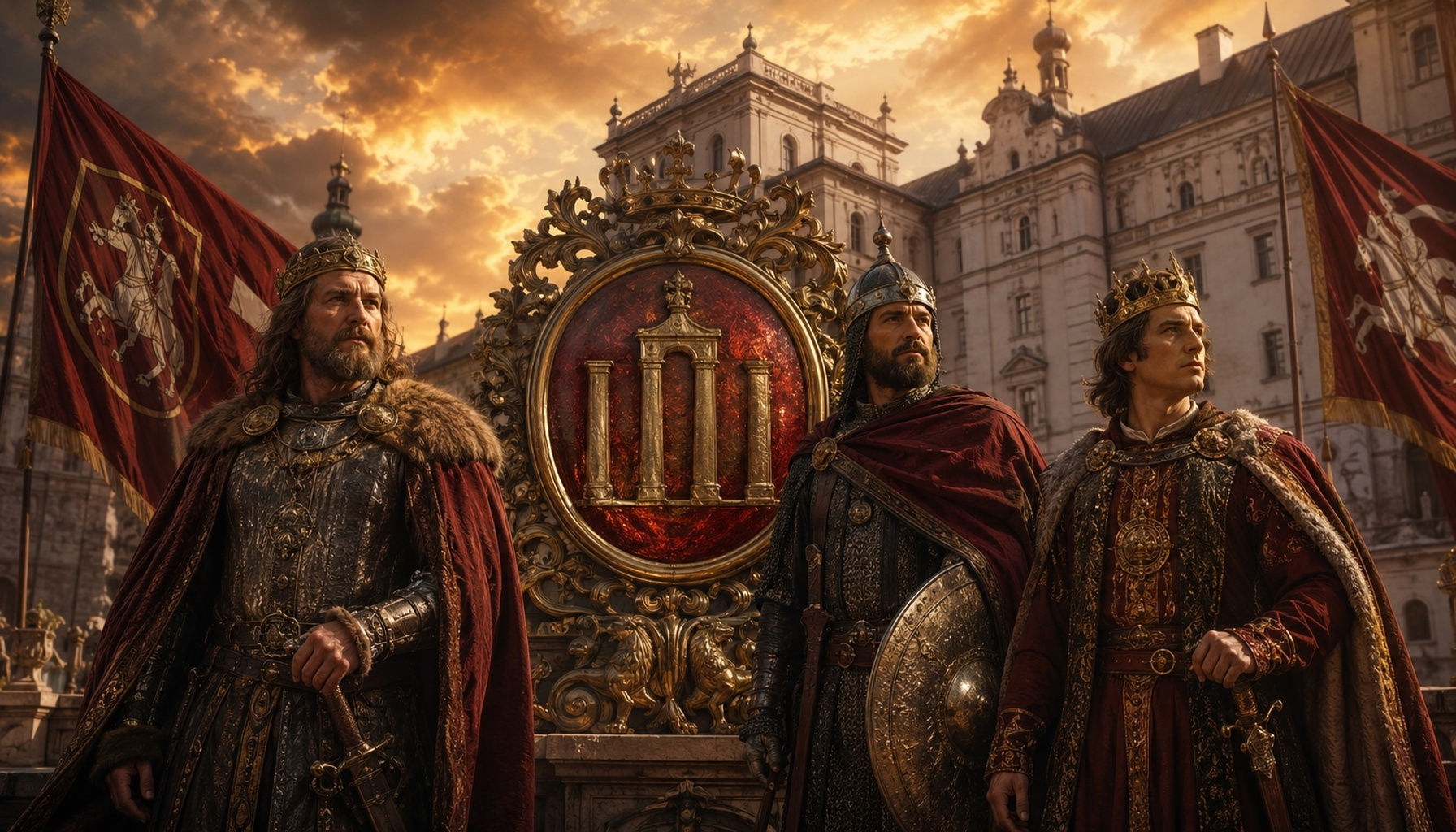
The House of Gediminid was one of the great ruling dynasties of medieval Eastern Europe, emerging from the Grand Duchy of Lithuania and taking shape in the forests, river routes, and frontier strongholds of the eastern Baltic world. Traditionally descended from Gediminias, or Gediminas (1275-1341), the family stood at the center of Lithuania's rise from a regional power into a vast state stretching across Baltic and Ruthenian lands. In genetic tagging terms, the primary family haplogroup linked here is N1a1a1a1a1a1a1a1b1a, a lineage with a long northern and northeastern European story behind it.
What makes the Gediminids so fascinating is that they were never simply a local ruling house. They operated in a world of crusade, tribute, marriage politics, and opportunism, balancing pressure from the Teutonic Order to the west, Rus principalities to the east, Muscovy to the northeast, and Poland to the south. Under Gediminas and his descendants, Lithuania became a remarkably complex state, pagan at its ruling core for much of its early development yet governing large Orthodox Ruthenian populations and negotiating constantly with Latin Christendom. Among the family's best-known figures are Gediminas himself, the formidable Vytautas the Great (1350-1430), Wladyslaw II Jagiellon (1352-1434), who linked the dynasty to the Polish crown, Casimir IV (1427-1492), and Sigismund I the Old (1467-1548). Through the Jagiellonian branch, the Gediminid legacy spread far beyond Lithuania into the political bloodstream of Central and Eastern Europe.
Explore the Royal Premyslid Dynasty
The great visual anchor for this story is Gediminas Tower in Vilnius, Lithuania, the surviving western tower of the Upper Castle on Castle Hill. It is one of those places where history becomes wonderfully tangible. The brick tower seen today largely reflects later medieval rebuilding, especially from the 15th century, but the site itself is tied to the early development of Vilnius as a political center and to the memory of Gediminas as the founder figure of the Lithuanian capital. Over time the castle complex above the city was damaged by war and decline, yet the tower endured as a symbol of Lithuanian statehood. It has served not just as an archaeological monument but as a national emblem, especially in moments of political revival. And yes, it can still be visited: today it is a major historic site in Vilnius, with museum displays and panoramic views that make it much easier to imagine the hilltop world from which the Gediminids projected power across an enormous realm.
Read more about House Radziwill
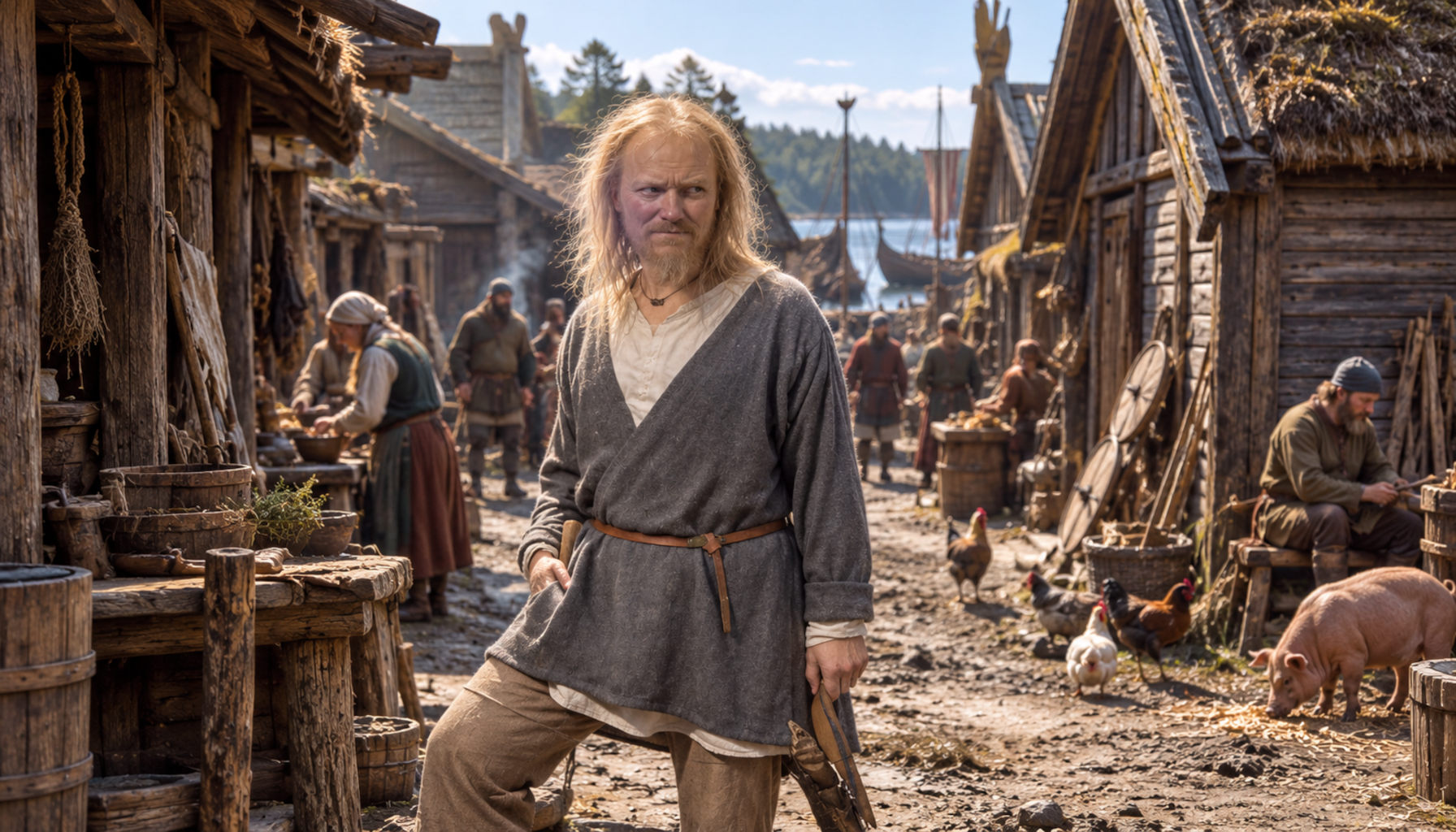
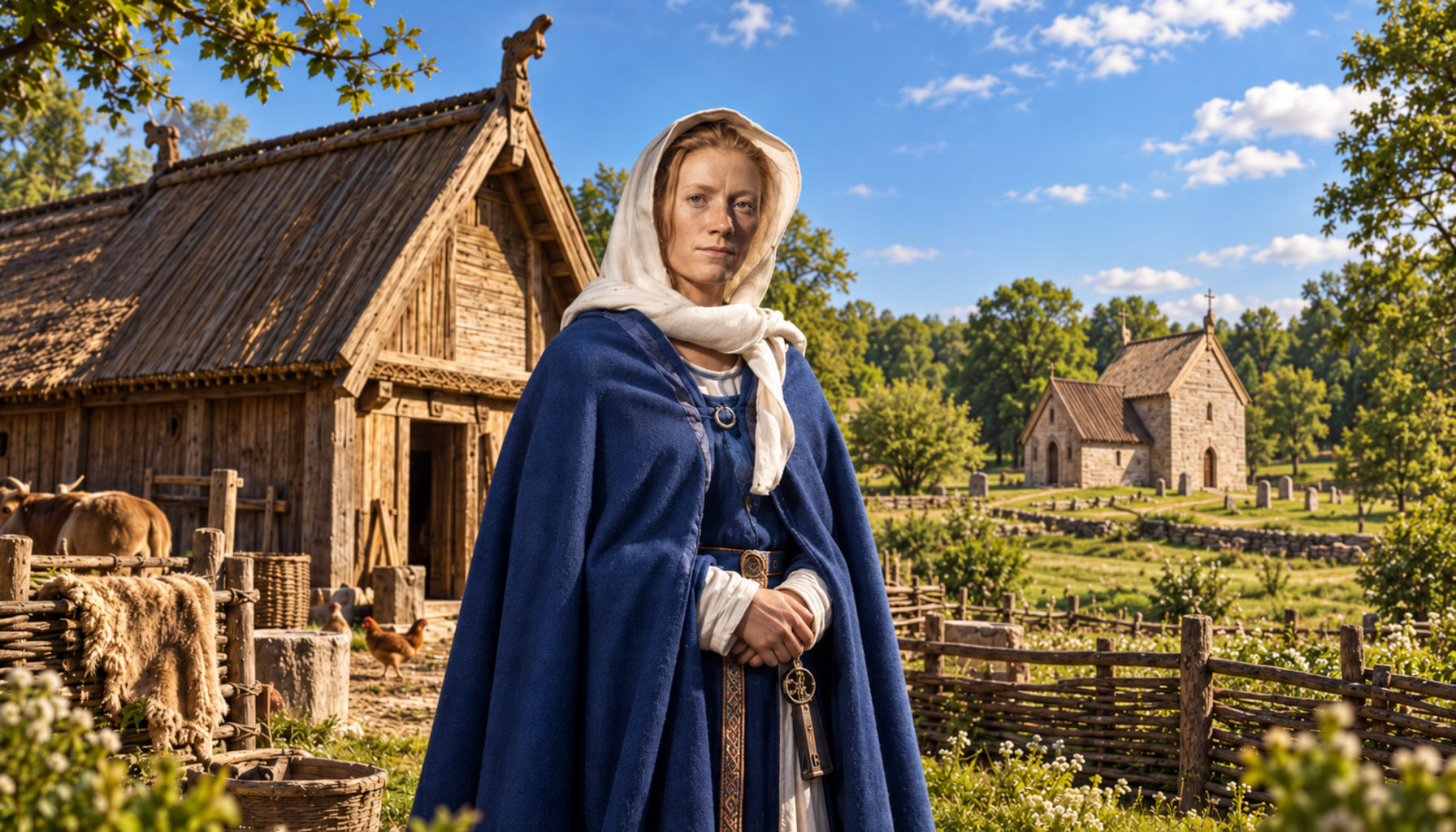
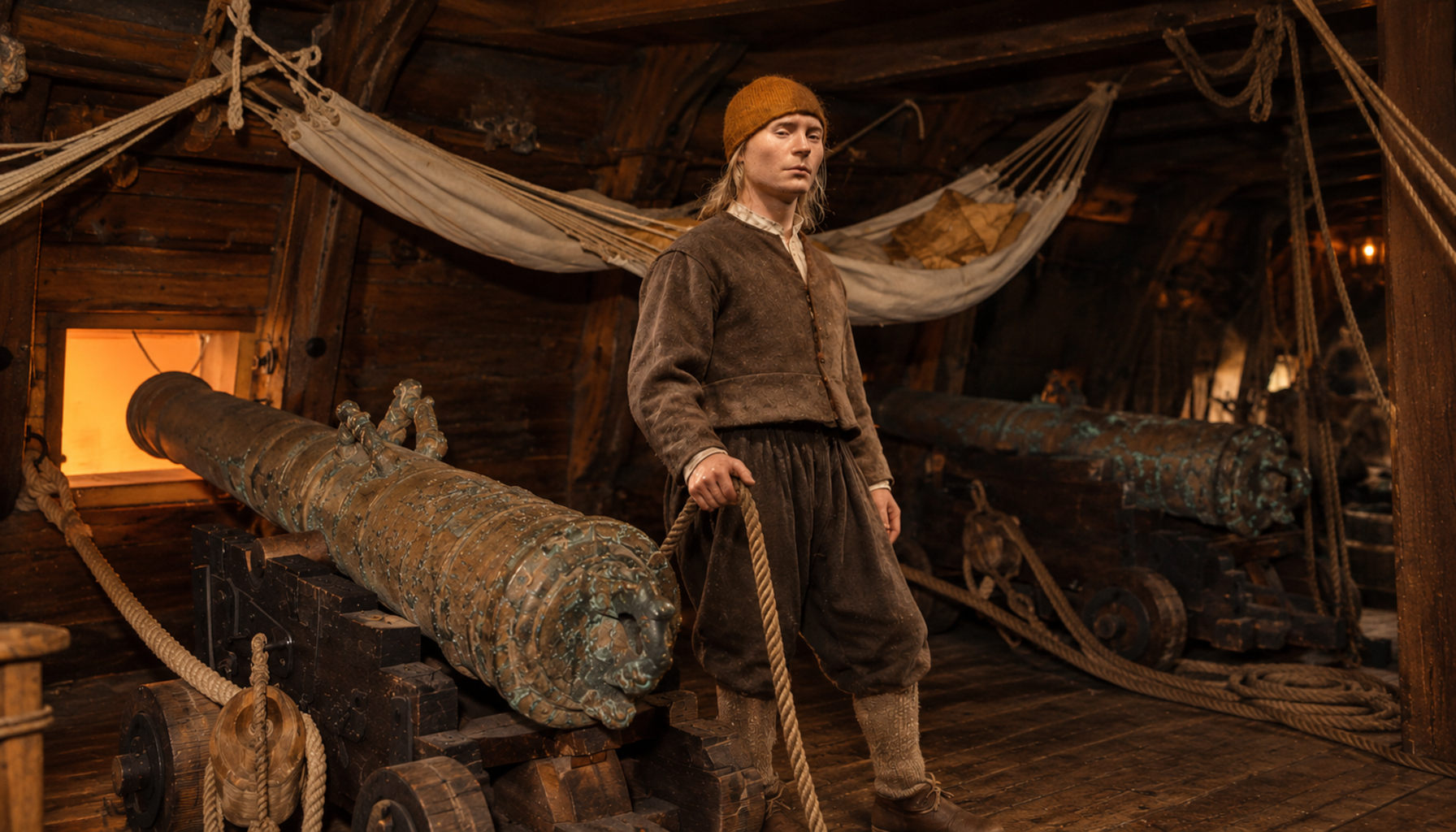
From an ancient-DNA perspective, N1a1a1a1a1a1a1a1b1a is best approached carefully and comparatively rather than as a claim of direct descent. Related or linked samples assigned to this branch appear across a striking northern and eastern European arc: Iron Age Lithuania at Kaireneliai (CGG017691) and Maudziorai (CGG017694), Dark Ages and Migration Period Marvele in Lithuania (R10838, R10836), Pre-Vendel and Vendel-linked contexts in Sweden and the Baltic world including Oland Sandby Borg (snb017, snb019, snb019a), Oland Bengtstorp (CGG024147), Iron Age Oland (VK579), Viking Age Stockholm Sasta (bro100), Viking Age Gotland Kopparsvik (VK51), and Saaremaa or Oesel samples such as Salme I (VK504), Iron Age Saaremaa Oesel (V12), Medieval Oeselian Livonia (IIf), Medieval Oeselian Saaremaa (IIa), and even a Medieval Livonian Crusader Knight (IIg). Further afield, linked examples include Longobard Period Pannonia Savaria Szeleste Barbaricum Hungary (SZL030), Roman-period Mursa in Croatia (OSIJ002), Early Medieval Velim-Velistak in Croatia (VEM032, VEM003), Celtic La Tene Prague Jinonice in Central Bohemia (I20509), and the Stora Kronan shipwreck sample from the Battle of Oland in Sweden (kro014). Taken together, these do not prove a Gediminid pedigree for any modern tester, but they do sketch the wider paternal landscape of the Baltic and north-central European worlds in which medieval Lithuania emerged.
Explore ancient DNA and eastern roots in Europe
If your own family story points toward Lithuania, Poland, Belarus, Ukraine, or the wider Baltic world, the Gediminids are a superb reminder that medieval ancestry was rarely neat or single-threaded. It was layered, political, mobile, and often gloriously complicated. Upload your DNA to MyTrueAncestry to see whether you match the House of Gediminid or any related ancient DNA samples connected to haplogroup N1a1a1a1a1a1a1a1b1a and its wider historical network.


Comments