Ancient DNA Uncovers Widespread Directional Selection in West Eurasian Genomes
– 7 min read


Ancient DNA Time-Series and the Archaeology of Directional Selection
This groundbreaking study takes Charles Darwin's fundamental concept of natural selection and applies it to one of the largest collections of ancient human genomes ever assembled for West Eurasia: over fifteen thousand individuals spanning the last ten millennia. These people are not mere statistical abstractions; they represent real lives from across human history—Mesolithic foragers buried in deep caves, early farmers laid to rest in long barrows, Bronze Age horse-lords beneath great burial mounds, and Roman townsfolk from crowded cemeteries. By organizing their DNA chronologically, researchers have created a genetic "time-lapse" of the last ten thousand years, revealing how evolution actively shaped the peoples of West Eurasia.
The research draws on DNA from 15,836 individuals who lived across what we now call West Eurasia, stretching from the Atlantic coasts of Iberia to the plains of the Caucasus, from the Baltic and North Sea down to the Levant and North Africa. These were farmers and foragers, steppe herders and city-dwellers, victims of massacres and citizens of empires, buried in humble pits and monumental tombs. Their skeletal remains, painstakingly excavated from hundreds of sites, now provide a time-series of genomes that allows scientists to observe natural selection at work throughout the Holocene period.
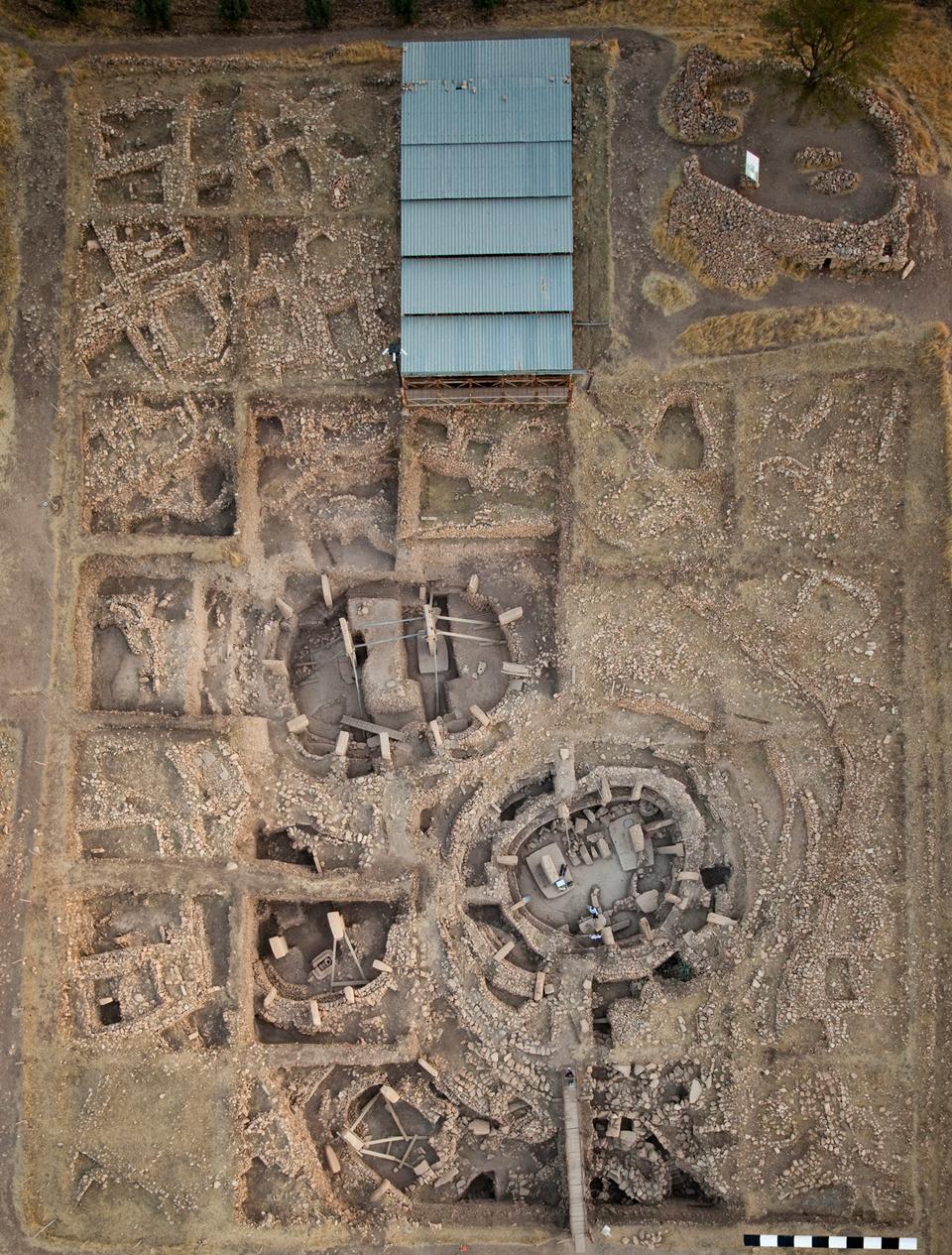
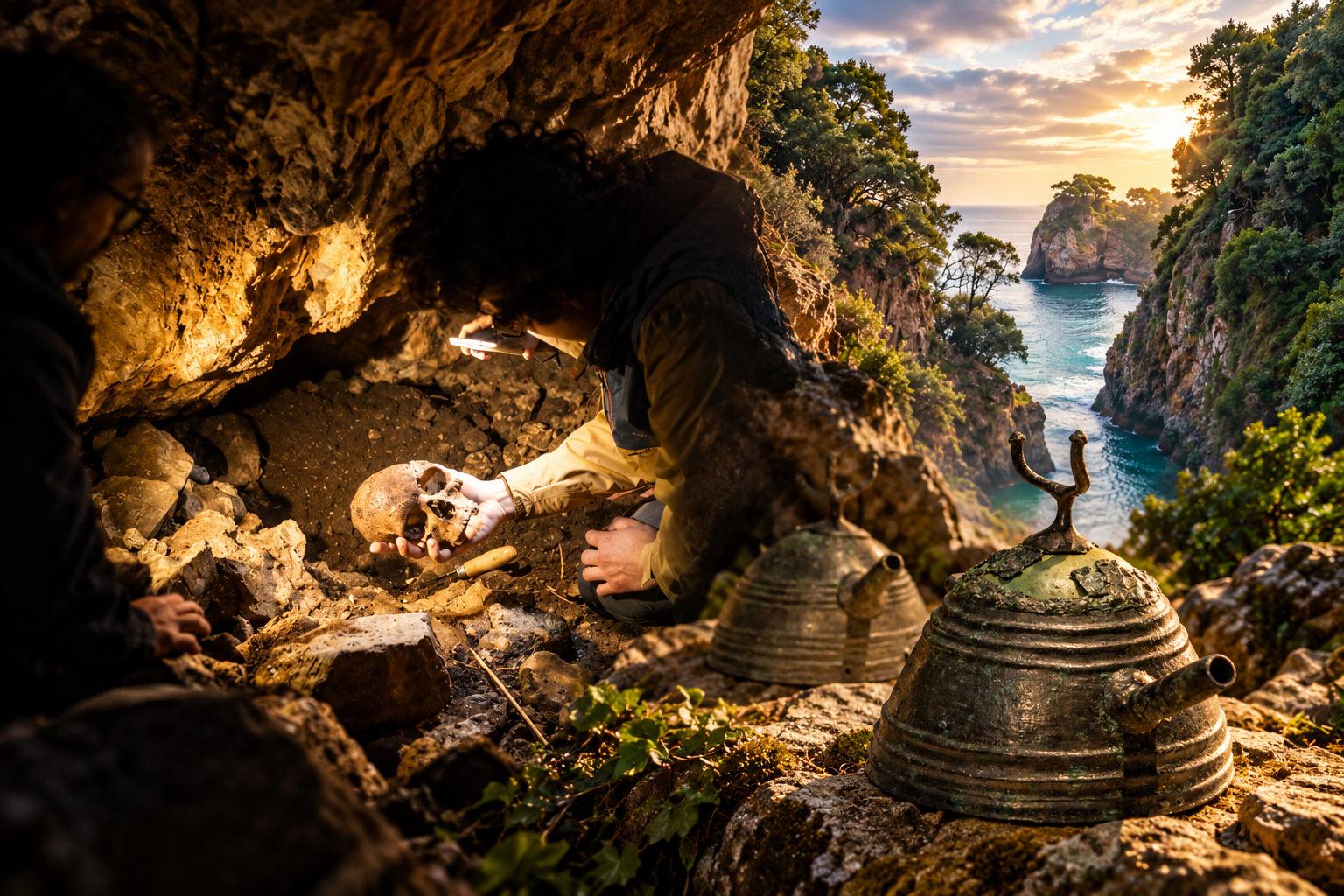
The chronological sequence begins with hunter-gatherers of the late Ice Age and Mesolithic periods. Some specimens come from deep cave burials in Iberia and Italy, including sites like San Teodoro cave in Sicily, or from rock shelters in France where bodies were carefully placed with shells, animal bones, and ochre. Their descendants appear alongside early farmers from sites such as Mentesh Tepe in the South Caucasus and the great Neolithic settlements of Anatolia and the Balkans. These farming communities were buried in houses, enclosed courtyards, and collective tombs, often accompanied by pottery, stone axes, beads, and occasionally finely worked figurines.
Across Atlantic France, Britain, Ireland, and Iberia, the study incorporates individuals from monumental stone tombs: long barrows, passage graves, and megalithic chambers like those at Newgrange and other Irish megaliths. In many of these structures, the dead were interred over generations, creating extended family vaults. Previous genomic work has revealed dynastic lineages within certain tombs; in this new study, those same individuals become crucial data points in a genetic timeline, anchoring evolutionary changes to specific regions and historical periods.
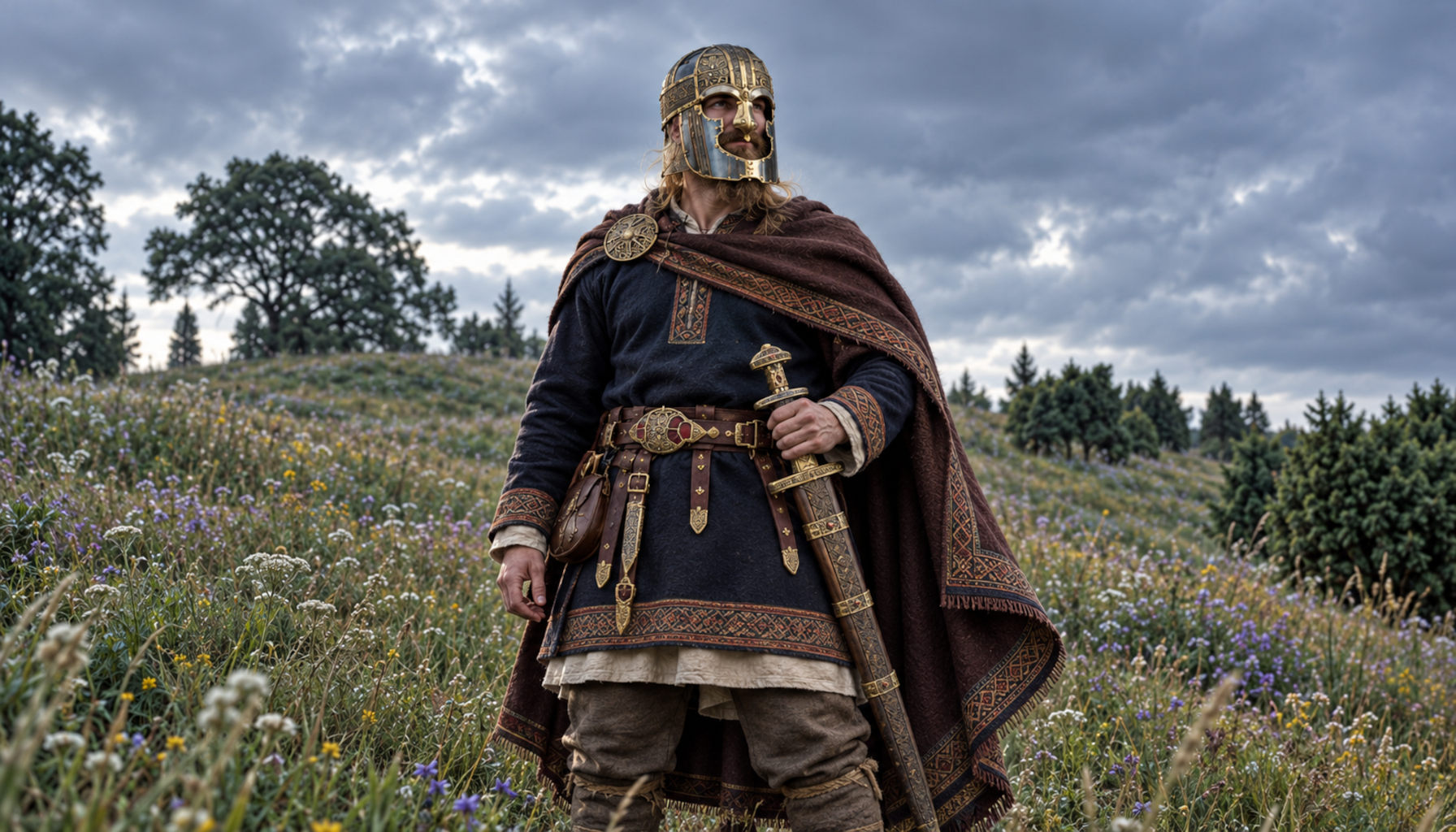
Later periods track the explosion of mobility with the rise of pastoralist groups on the Eurasian steppe. Individuals from vast kurgan cemeteries, buried with horses, weapons, and ornate metalwork, mark the spread of steppe ancestry into central and western Europe. Iron Age and classical burials throughout the Mediterranean—including Etruscan chamber tombs, Greek soldier graves, Phoenician ports, and Roman cemeteries in and around the city of Rome—extend the timeline into the historical era, where inscriptions and grave goods can sometimes be interpreted alongside genomic data.
What this research contributes is a methodological breakthrough that treats ancient burials as a genuine time-series dataset. Rather than examining isolated DNA snapshots and hypothesizing about historical processes, the authors track the rise and fall of specific gene variants across thousands of years. For each genetic change, they pose a fundamental question: does this variant steadily increase or decrease through time in a pattern suggesting natural selection, or is its movement better explained by migrations, genetic drift, or statistical noise?
In practical terms, researchers track the frequency of particular gene versions across distinct archaeological populations—early farmers buried with sickles and grinding stones, Bronze Age warriors with swords and horse equipment, Roman townsfolk interred with coins and glassware. When a variant's frequency consistently climbs across multiple generations and populations, the methodology flags it as a probable target of directional selection—Darwinian evolution systematically favoring one genetic variant over another.
The study employs sophisticated statistical techniques to calculate "Darwinian selection coefficients" for genetic variants. By combining modern medical understanding of how specific variants affect traits like disease resistance, metabolism, or cognitive function with ancient frequency data, researchers can estimate whether particular variants helped their carriers produce more surviving offspring, remained evolutionarily neutral, or were gradually eliminated from populations.
Because the genomes are tied to rich archaeological contexts, signals of natural selection can be interpreted against the social worlds these ancient people inhabited. Early farmers from central and southeast Europe, whose skeletal remains often show signs of childhood stress, reduced stature, and evidence of heavy physical labor, carry genetic shifts that appear to reflect adaptation to dense, sedentary villages and new diets based on cereals and dairy products. Individuals from collective graves such as Wartberg tombs in central Europe, or mass graves recording episodes of violence, also participate in these evolutionary trends, their DNA capturing both the hazards and advantages of early agricultural life.
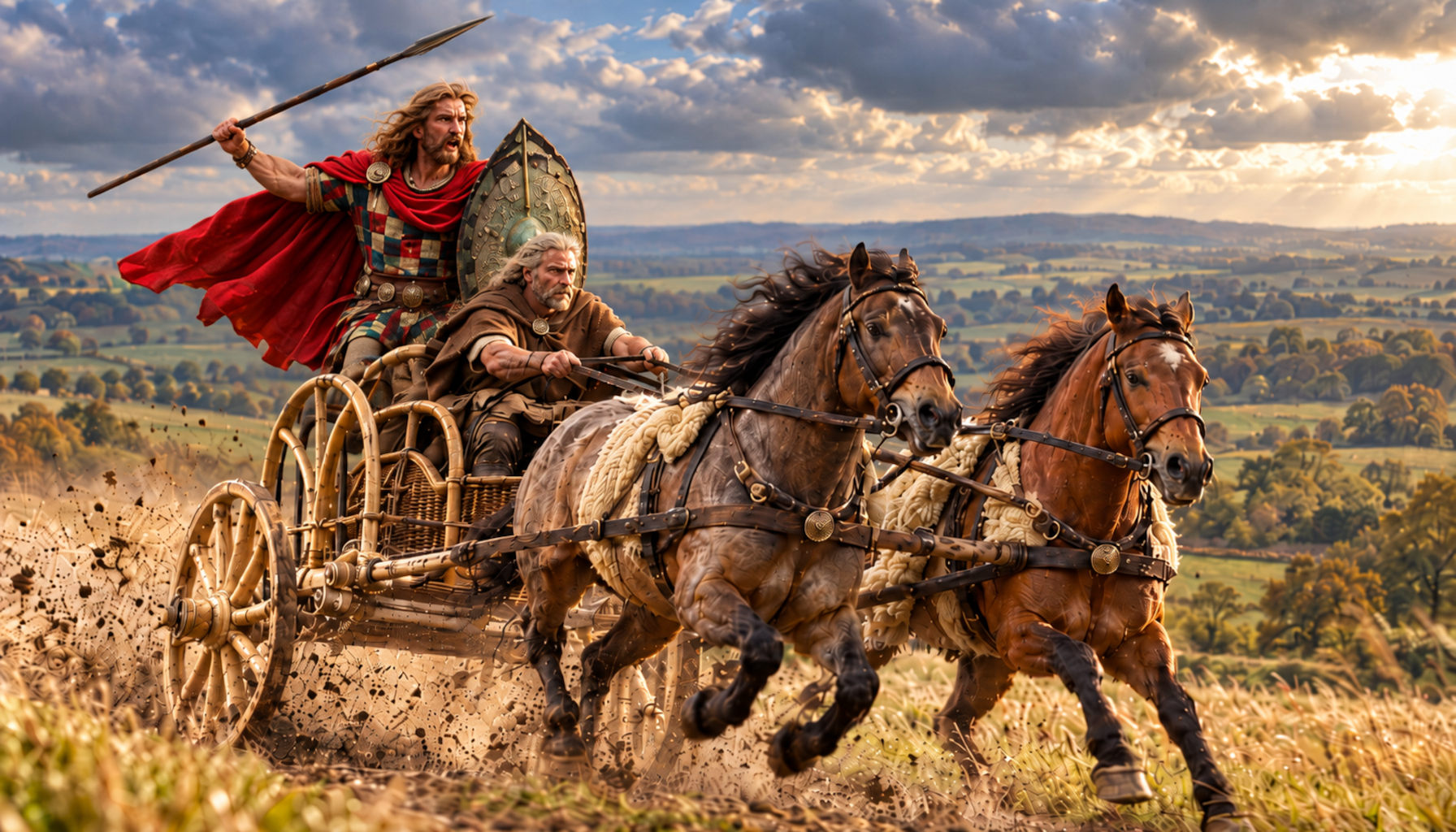
The great Bronze Age and Iron Age burial mounds of the steppe and central Europe, containing chariots, weaponry, and spectacular ornaments of gold and bronze, represent communities that experienced large-scale population movements and exposure to new disease environments. The research demonstrates that during these periods, gene variants involved in immunity and inflammation changed frequency more dramatically than in earlier times, suggesting repeated encounters with pathogens as steppe herders expanded westward and mixed with long-established farming populations.
In cemeteries of Roman and later urban centers—whether in the crowded burial grounds of Rome itself, bustling port towns along French and Iberian coasts, or medieval communities like Sint-Truiden in the Low Countries—urban life left distinctive evolutionary fingerprints. Individuals from these sites reveal strong selection pressures on gene variants linked to blood composition, immune function, and metabolism, consistent with densely packed living conditions, repeated epidemics, and changing dietary patterns.
The study identifies several hundred genetic changes showing clear directional trends over time. Some relate directly to diet and digestion. Building on previous research demonstrating that lactose tolerance in adulthood remained rare in Bronze Age Europe despite millennia of dairy consumption, this new time-series confirms that key variants enabling milk digestion surged in frequency only during the last few thousand years, coinciding with archaeological evidence of dairy processing equipment and milk residues in pottery.
Another compelling narrative involves genes associated with modern autoimmune conditions. The research tracks variants in immune system genes that increase risk for conditions like multiple sclerosis and rheumatoid arthritis in contemporary populations. These variants became more common over time in ancient West Eurasians, even as agricultural societies developed. The study links this pattern to evolutionary pressures favoring robust immune responses against infectious diseases, even when such responses occasionally misfired against the body's own tissues.
The classic ABO blood group system provides particularly clear evidence of natural selection. From Neolithic farmers in central Europe and the Aegean, through Bronze Age barrow graves, to Roman and medieval cemeteries, the frequencies of blood types A, B, O, and AB shifted in patterns strongly suggesting directional selection. Since different blood groups influence vulnerability to various pathogens, these changes can be interpreted alongside archaeological and historical evidence for tuberculosis, plague, and malaria documented at sites ranging from medieval cemeteries to Bronze Age burials in malaria-prone regions.
Beyond single genes, the research examines how combinations of many small genetic effects—those that in modern studies predict height, body composition, mental health risks, or cognitive performance measures—evolved throughout West Eurasian history. Early farmers from central Europe, whose skeletons often demonstrate reduced stature and nutritional stress compared to hunter-gatherers, represent one evolutionary trajectory. Bronze Age pastoralists from the steppe, generally taller and buried in elaborate barrows with weapons and horse equipment, represent another. Coastal communities of the classical and Roman Mediterranean, with evidence for varied diets and dense urban living, form yet another evolutionary path.
The authors carefully avoid claiming that modern medical categories like "intelligence" or "schizophrenia" map directly onto ancient lives. Instead, they demonstrate that genetic variant combinations studied in contemporary hospitals and research databases moved in consistent directions among ancient populations. For traits related to cognitive function and educational attainment in modern datasets, ancient West Eurasians gradually accumulated variants that, in today's societies, associate with longer education and certain measures of brain development. This trend can be observed across increasingly complex societies, from Neolithic village communities to Bronze Age hierarchical societies and classical urban centers.
For body composition and metabolism, researchers detected coordinated selection against variant combinations that predict higher body fat and metabolic disease risk in modern Europeans. These shifts intensified during the Bronze Age, precisely when archaeological evidence reveals intensified agriculture, larger settlements, and increasingly stratified societies. Mental health traits such as schizophrenia risk showed gradual selection against variant combinations that elevate risk in contemporary clinical settings, suggesting that certain patterns of brain function and behavior provided advantages in past social and environmental contexts.
This time-series approach reveals the profound evolutionary significance of major historical transitions. The Neolithic agricultural revolution, the rise of pastoral nomadism on the steppe, the emergence of cities and empires, and the recurring shocks of epidemic disease all left deep genetic marks on populations whose graves archaeologists excavate today. Rather than representing a period of evolutionary stasis following the development of culture and technology, the last ten thousand years emerge as a time of pervasive directional selection.
The research demonstrates that every excavated skeleton, whether accompanied by elaborate grave goods or simple burial shrouds, represents a data point in humanity's ongoing evolutionary story. The genetic variants that these ancient individuals carried—affecting everything from disease resistance to cognitive function—continue to influence health and behavior in modern populations. Understanding this evolutionary history provides crucial context for interpreting contemporary patterns of human genetic variation and disease susceptibility.
The study's integration of archaeological context with genetic analysis creates a new model for understanding human evolution. By situating genetic changes within the lived experiences of specific communities—their burial practices, social organization, economic systems, and environmental challenges—the research reveals how cultural and biological evolution interacted throughout human history. The graves and cemeteries of West Eurasia thus become archives not only of material culture and social organization, but of the ongoing Darwinian processes that shaped our species during its most transformative millennia.
Original source article
https://www.nature.com/articles/s41586-026-10358-1
Comments