Chen Clan
– 3 min read


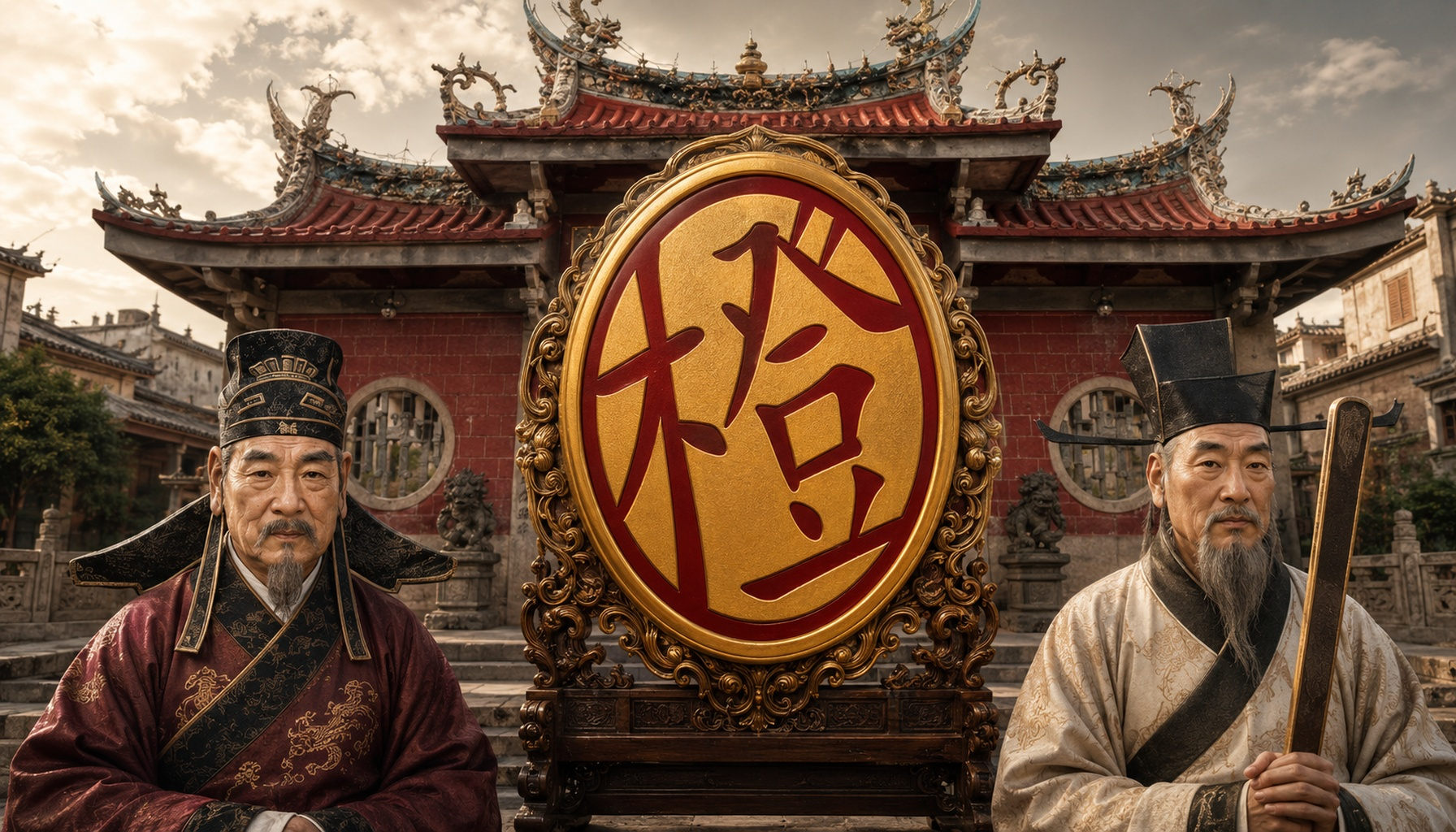
The Chen Clan was one of the great enduring lineages of early imperial China, remembered not simply as a powerful family but as a model of what a leading Han and post-Han clan could be: learned, well connected, morally serious, and deeply embedded in government service. Their historic roots are most closely associated with Yingchuan Commandery in what is now central Henan, and in genetic tagging terms the primary family haplogroup linked here is O2a2b1a1a1a2a. That combination of place, pedigree, and public reputation matters, because in Chinese history a clan was not quite the same thing as a European noble house. It was less about castles and heraldry, and more about ancestry, education, office, reputation, and the ability of one family to keep producing men fit to serve the state.
The Chen story becomes especially vivid through figures such as Chen Shi (104-186), Chen Ji (129-199), and Chen Qun (d. 237). Chen Shi was celebrated for integrity and scholarship, the kind of man later tradition loved because he seemed to embody Confucian virtue in action. His son Chen Ji carried that reputation forward, and then Chen Qun, perhaps the most politically consequential of the three, rose to major importance in the age of Wei and is remembered for administrative ability and for his role in shaping systems of official recruitment. Across these generations you can see the classic Chinese lineage ideal at work: ancestral continuity, scholarly authority, official service, literary memory, and the quiet but unmistakable prestige of a family that mattered because it kept turning learning into power.
Read more on enduring elite lineages
Yingchuan Commandery was the Chen Clan's great geographical anchor, and it was no backwater. In Han times it was one of the most important commanderies in the empire, centered in the region of present-day Xuchang in Henan. Historically, Yingchuan sat in the densely settled and politically significant Central Plains, the beating heartland of early Chinese states and empires. It produced officials, scholars, and influential families in remarkable numbers, which is one reason its name turns up so often in biographies and dynastic histories. This was a landscape of administrative towns, cultivated fields, transport links, and intense intellectual life, exactly the sort of place where a lineage like the Chens could flourish. The old commandery itself belongs to history, of course, but the broader area can certainly still be visited today through modern Xuchang and surrounding parts of Henan, where the geography of the old Central Plains still gives a strong sense of why this region mattered so much.
Explore DNA from the Middle Yellow River
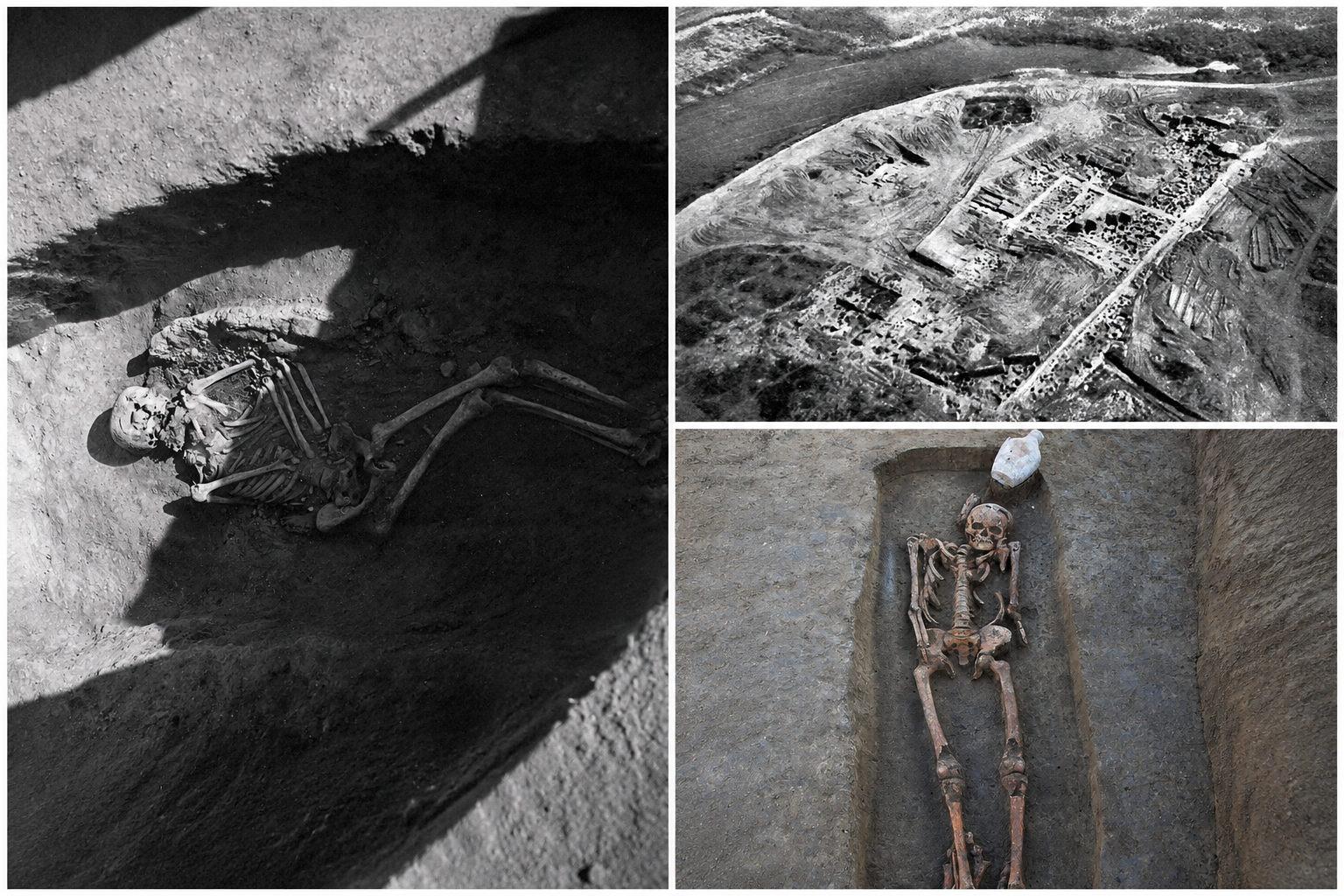
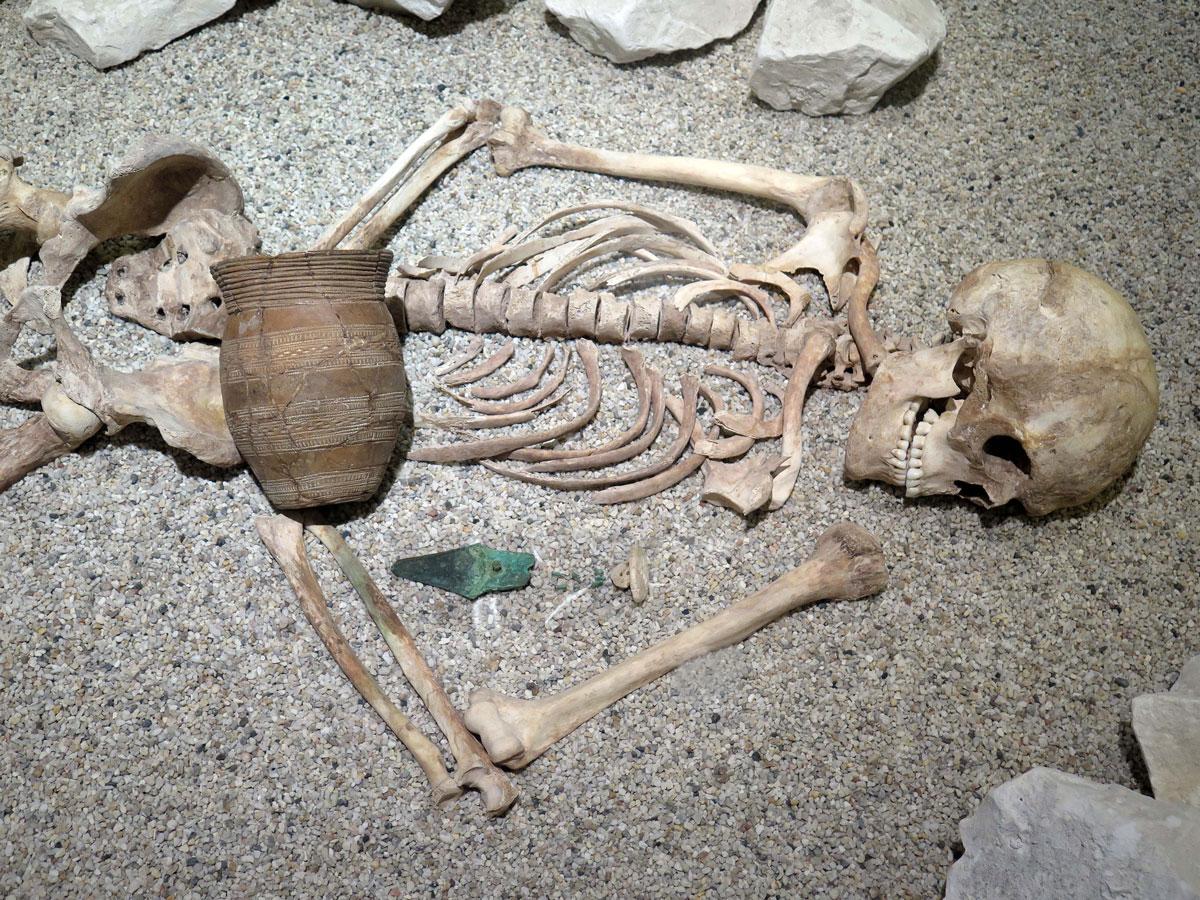
From the ancient DNA side, O2a2b1a1a1a2a is a useful tag because related or linked samples appear across a surprisingly wide historical map of East and Inner Asia. These include Western Han Dynasty Qi State, Zibo City, Linzi sample M39; the Xiongnu period Mongolia sample UGO002 from Ugoomor; Lajia village samples LJM5 and LJM3 in Minhe County, Qinghai; Qijia context sample JCKM1-1 from Jinchankou, Qinghai; and Han Dynasty LuoHeGuXiang sample LGM41 from China. That does not prove direct descent to the Chen Clan from any one of these individuals, and it would be wrong to pretend otherwise. But it does place the Chen haplogroup tag inside a broader long-term human story stretching from early agricultural and Bronze Age communities to Han-era populations and steppe-connected worlds. In other words, the Chen Clan belongs to a lineage history that is both specifically Chinese and part of the wider population history of northern East Asia.
See East Asian paternal history
If you are exploring Chen heritage, this is where history and DNA become especially fun together. A family like the Chen Clan is not just a list of names in a chronicle; it is a window into how kinship, education, bureaucracy, and memory built prestige in classical China. Upload your DNA to MyTrueAncestry and see whether you match the Chen Clan profile or related ancient DNA samples connected with haplogroup O2a2b1a1a1a2a and the wider historical world around Yingchuan and Han China.
Comments