House de Gournay
– 3 min read


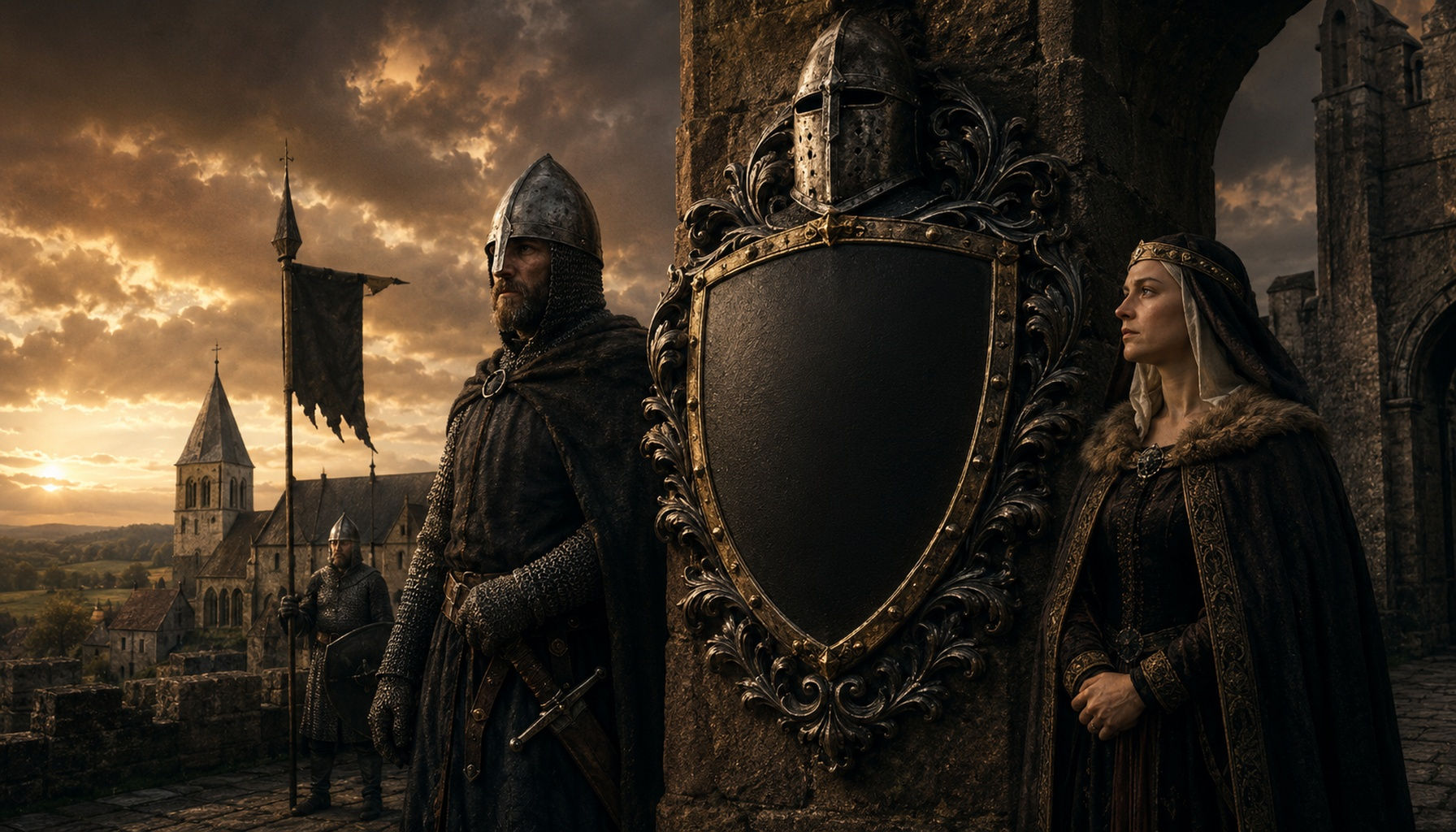
The House de Gournay was a Norman noble family from Gournay-en-Bray in eastern Normandy, and like many frontier lords of the duchy, they were defined by place, castle, and war. Their name came directly from the town they held, and their story belongs to that rough edge of medieval Normandy where borders mattered, fortresses mattered, and loyalty was measured in mounted service as much as in parchment. In haplogroup terms, the primary lineage associated with this family is I1a3a1a2a1, a paternal line with a deep northern European background.
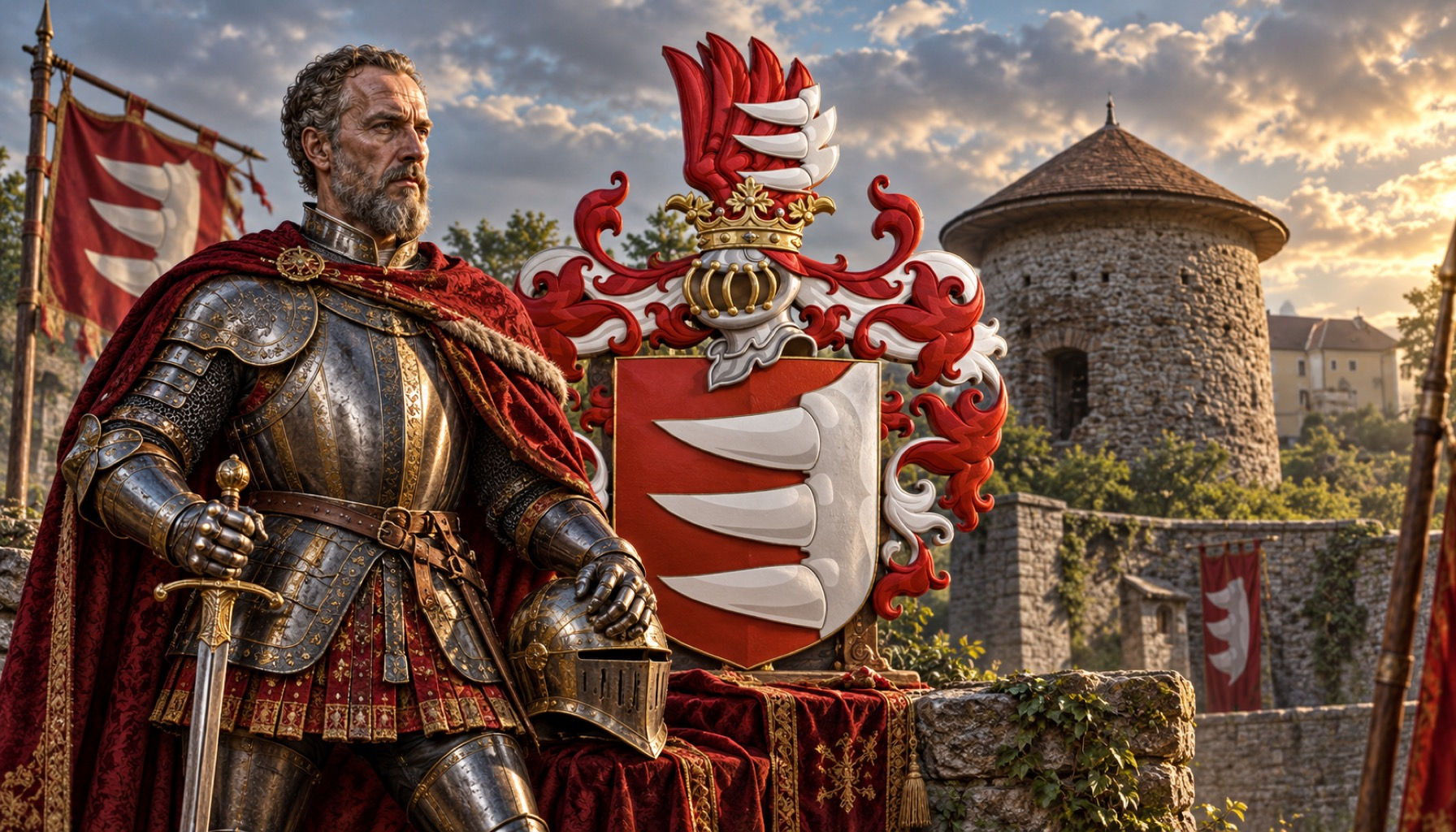
What makes the de Gournays so recognizably Norman is not just that they were noble, but the kind of nobles they were: castle-holding, militarized, and thoroughly cross-Channel after 1066. From their base in Normandy they became part of the Anglo-Norman world, with descendants and branches tied especially to estates in England, including Norfolk. Medieval records place them among the familiar aristocratic occupations of the age: lordship, landholding, military service, crusading, and strategic marriage. Figures such as Hughues de Gournay (1020-1093), Gerard de Gournay (1040-1104), and much later Sir Matthew de Gurney (1310-1406) show the long life of the family across the high and later Middle Ages, even as spelling and geography shifted around them.
The real anchor of the family was Gournay-en-Bray itself, long associated with the Chateau de Gournay and the lordship that gave the house its name. This was no decorative address. Gournay stood in the Bray region on the Norman frontier, a strategic zone facing pressure from neighboring powers, especially the French royal sphere and the contested lands beyond the duchy's edge. The castle and fortified town formed part of the defensive skin of Normandy, and that tells you quite a lot about the family at a glance. The de Gournays were not merely country landlords in a peaceful landscape; they were guardians of a border society where authority had to be held, shown, and defended. The old castle does not survive as a complete medieval fortress in the way one might romantically imagine, but Gournay-en-Bray remains a historic town that can still be visited today, and its landscape still preserves the memory of the frontier world from which the family emerged.
Read more about the House of de Warenne
The de Gournay primary haplogroup tag, I1a3a1a2a1, connects the family in a broad paternal sense to a much older northern and migration-age story. Important caution first: this does not prove direct descent from any excavated ancient individual. What it does do is place the family's tagged paternal line alongside related or linked ancient DNA finds from a wide arc of post-Roman and Migration Period Europe. Among those are samples such as RKF054 from Migration Period Rakoczifalva in Hungary, KUP014 from an Early Avar elite grave at Kunpeszer in Hungary, VIM5 from Late Antique Viminacium in Moesia, Serbia, I41203 from a Gothic grave at Han Krum Village in Bulgaria, PL057, PL059, PL062, and PL071 from the Gothic-associated Maslomecz Wielbark group in Poland, GRK021 from Grodek nad Bugiem in Poland, and TMH-509 from the Frankish Empire horizon at Tiszafured-Majoros-halom in Hungary. In other words, the haplogroup sits in a historical landscape that includes Goths, frontier soldiers, post-Roman elites, and early medieval power networks, which feels rather fitting for a Norman frontier dynasty.
If you are exploring the House de Gournay in your own family history, the intriguing question is not whether legend says you belong, but whether your DNA shows links to the deeper populations and medieval worlds around families like this one. Upload your DNA to MyTrueAncestry to see whether you match the House de Gournay, its haplogroup network, or related ancient DNA samples from the Gothic, Frankish, and Migration Period world.


Comments