The House Basset
– 2 min read


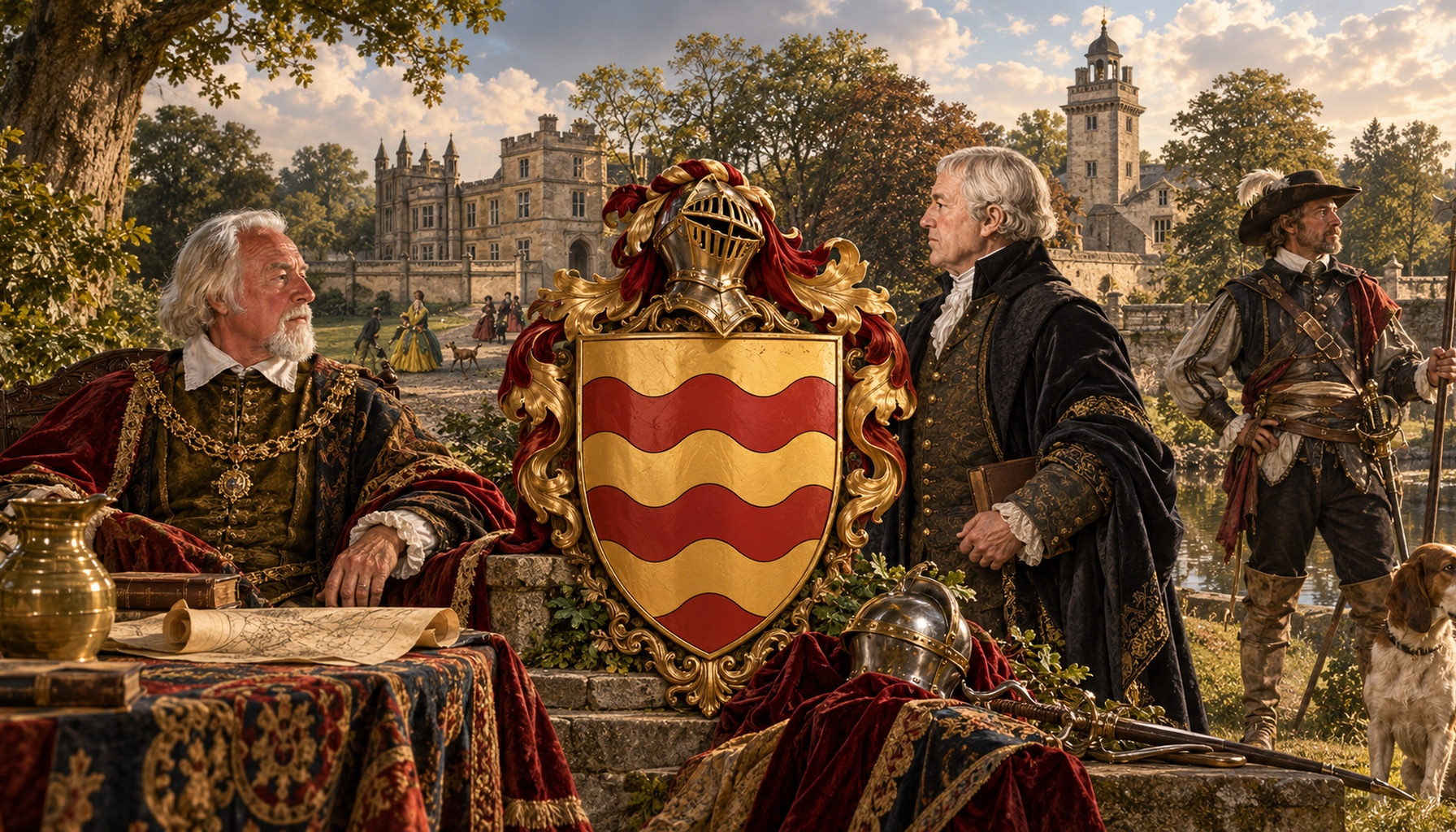
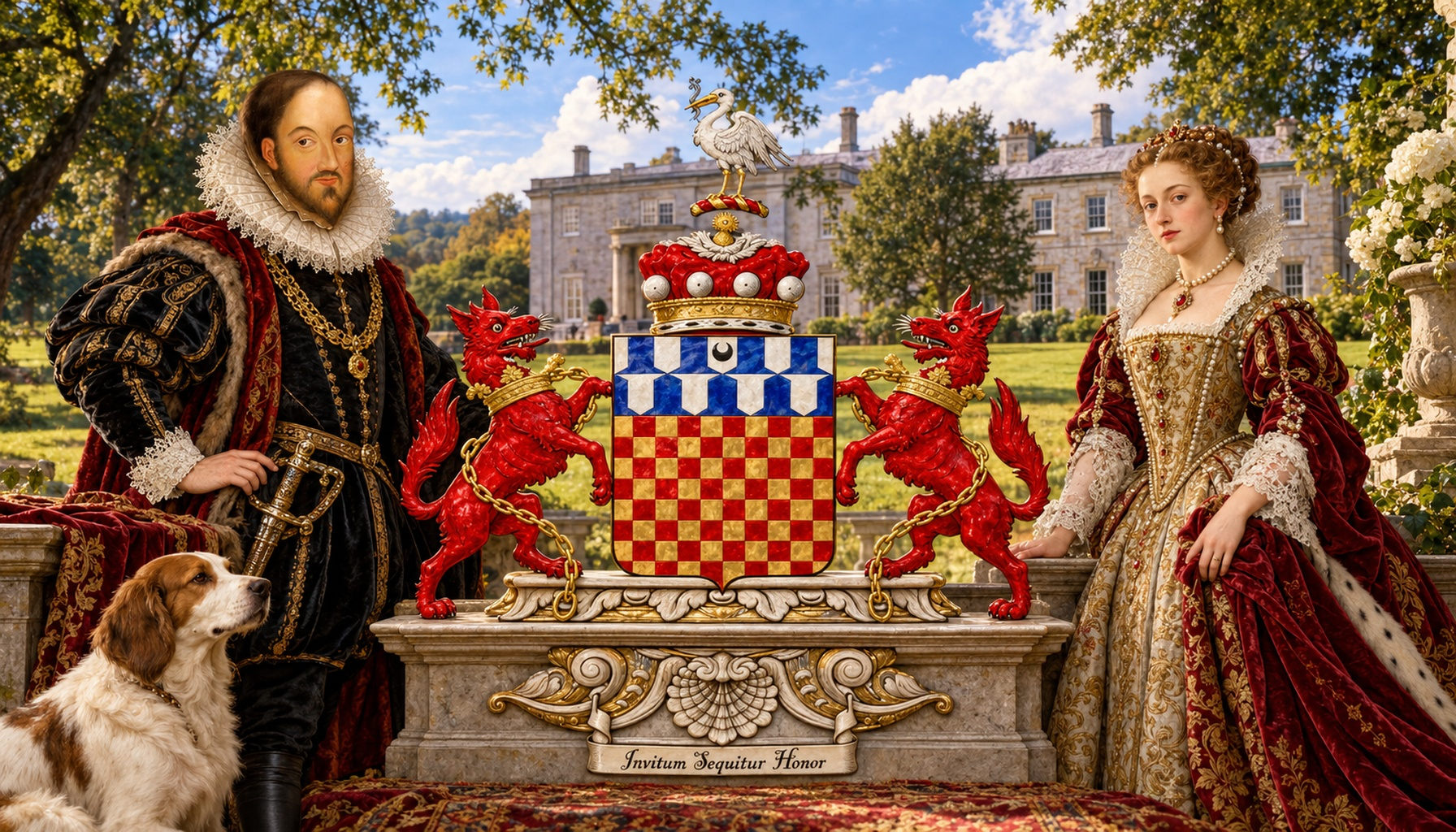
The House Basset was one of the important Anglo-Norman noble families to rise in England in the generations after 1066, with its primary family haplogroup linked here as R1b1a1b1a1a1c2b2a1b1a. They came out of the world created by the Norman Conquest: a new ruling class planted across England, tied to the king by service, landholding, law, and warfare. The Bassets were not merely local knights who happened to do well. They became part of the machinery of royal government itself, which in the 12th century was one of the great engines of power in Europe.
At the center of the family's early ascent stands Ralph Basset, active by 1127, a formidable royal justice under Henry I. This is the sort of career that tells you a great deal about post-Conquest England: authority was not only won on the battlefield, but also in the courtroom, in the shire, and at the king's side. His descendants carried that pattern forward. Richard Basset, active c. 1102-1144, and later Ralph Basset of Drayton, 1131-1211, helped establish the family among the landed and political elite. Through estates, marriages, military obligations, and baronial rank, the Bassets became a durable part of medieval English political society, especially in the branch remembered as the Bassets of Drayton.
Explore another Anglo-Norman house
One of the great anchors of the lineage was Drayton Basset in Staffordshire, later associated with Drayton Manor. This was not simply a house on a map, but a statement of lordship in the landscape. The manor gave the family a territorial identity, a place from which rents were drawn, influence exercised, and memory fixed. Over time the site developed far beyond its medieval beginnings, and the later country house and park became the best-known expression of that long association. In modern form, Drayton Manor is best known as the historic estate near Tamworth that eventually became the site of the Drayton Manor theme park. So while the medieval Bassets would not quite recognize the roller coasters, the place itself still preserves the geographical heart of the family story, and the area can indeed still be visited today.
Read more on the House of de Clare
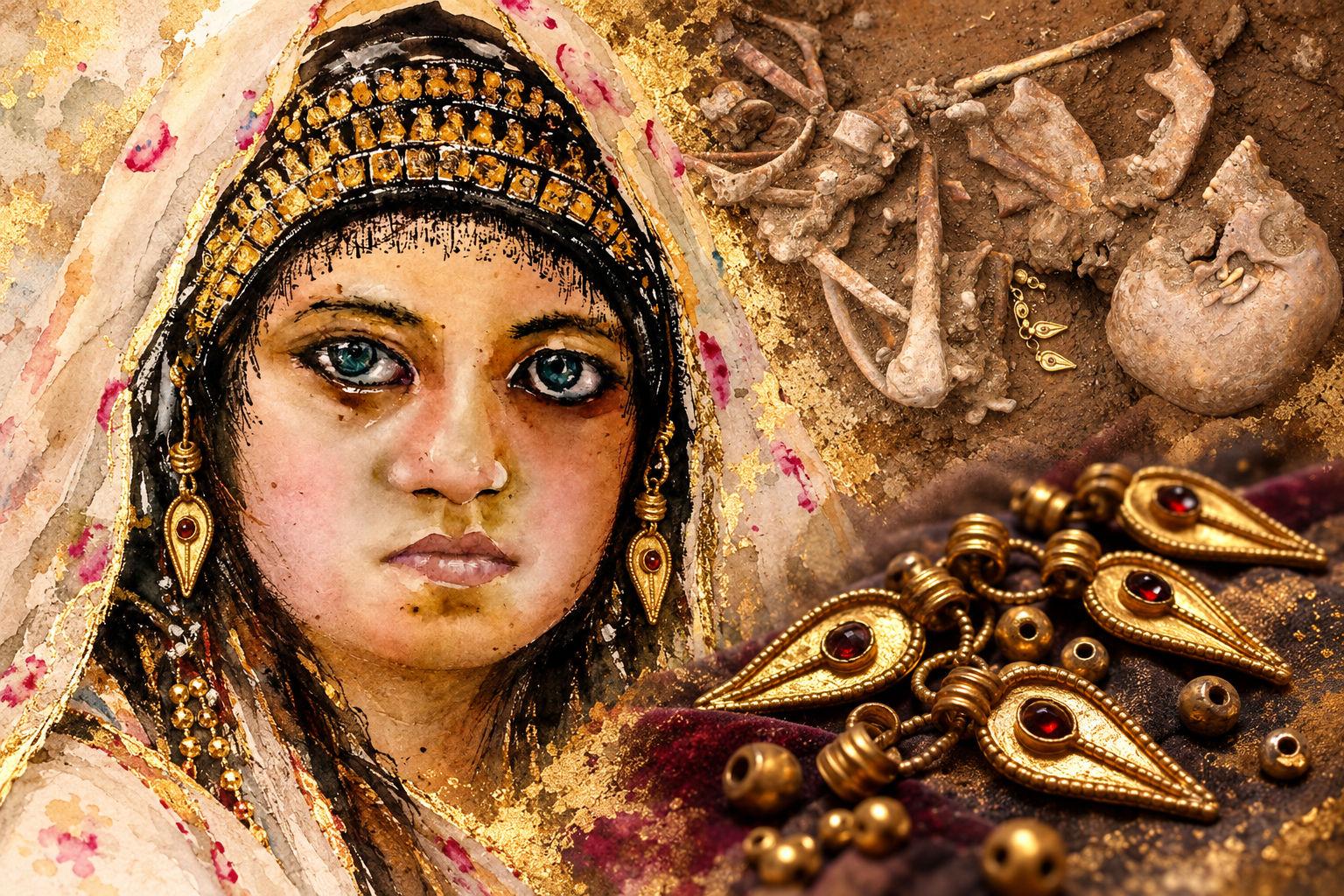
From an ancient DNA point of view, the Basset haplogroup tag is linked here to R1b1a1b1a1a1c2b2a1b1a, a lineage seen in a spread of ancient and medieval European samples rather than in any one provable dynastic burial. Related or linked examples include Medieval England Cambridge St Johns Hospital ATP_PSN_78; Jute and early Anglo-Saxon era burials from Buckland Dover such as BUK040, BUK011, BUK001, and BUK006; Early Anglo-Saxon Hatherdene Close Cambridgeshire HAD011; Frankish and Merovingian contexts such as Mln14 from Moemlingen in Germany and ADN014 from Hannover-Anderten; Thuringii and western Slav associated samples such as OBM054, DRH010, and SDN003; and Longobard Period individuals from Pannonia including SZL070 and MFC016 in present-day Hungary. None of these should be treated as direct ancestors of the Bassets without specific evidence. What they do provide is a wider genetic backdrop for the kind of northwestern and central European paternal lineages that later fed into the Norman, Anglo-Norman, and medieval English world.
If the House Basset speaks to your own family curiosity, the next step is to test it against the evidence we can actually compare: your DNA. Upload your results to MyTrueAncestry and see whether you match the House Basset story, this R1b1a1b1a1a1c2b2a1b1a lineage cluster, or related ancient DNA samples from medieval England and the wider early medieval world.
Comments