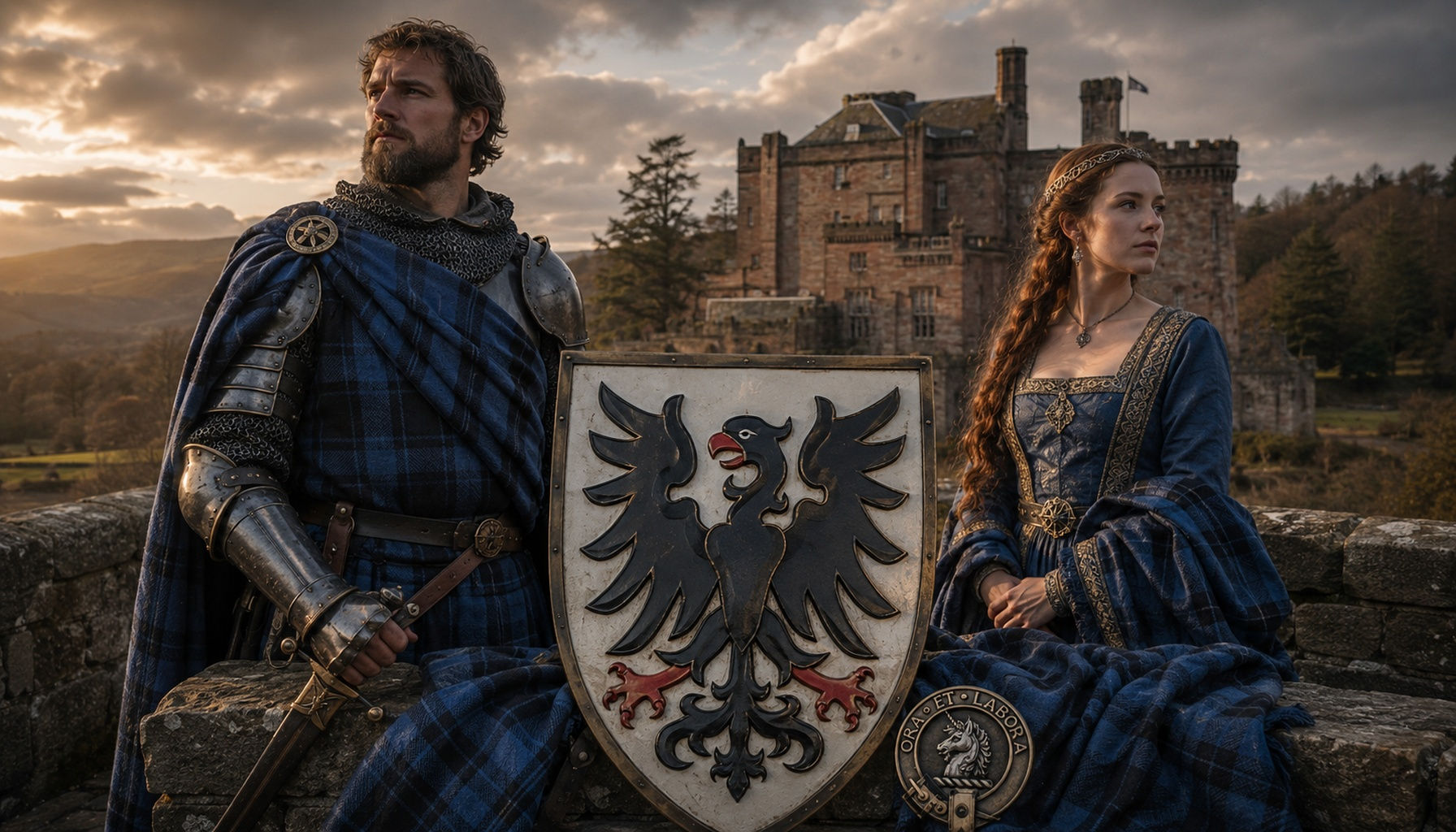
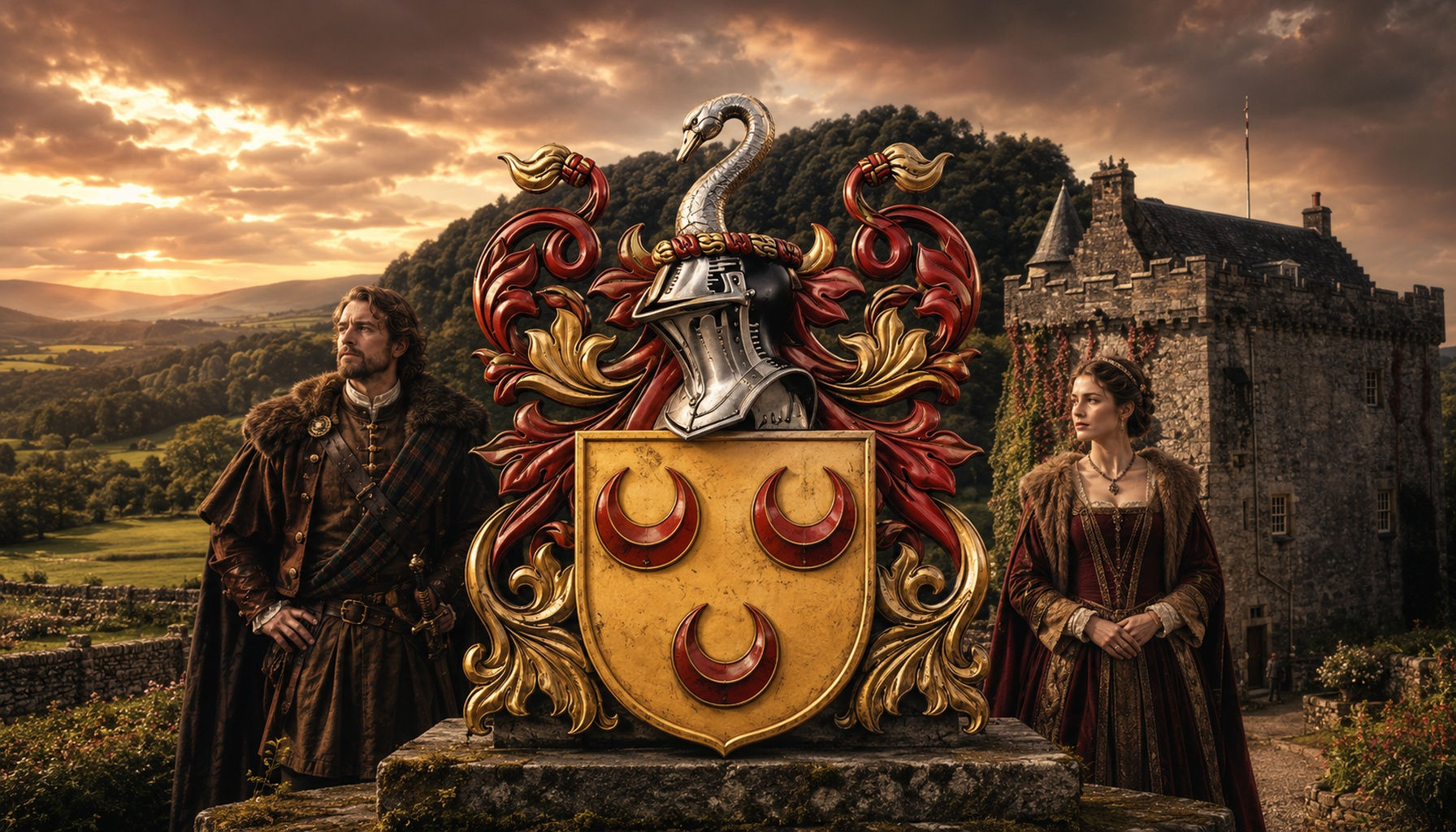
Haplogroups and Noble Lines Clan Ramsay Clan Ramsay Background Clan Ramsay was a Lowland Scottish family of landholders, royal servants, soldiers, and public men, rooted above all in the south-east of Scotland and especially associated with Midlothian. In genetic tagging terms, the primary family haplogroup linked here is R1b1a1b1a1a2c1a4b2c3, a branch within the broader R1b line By Jamie L • 3 min read
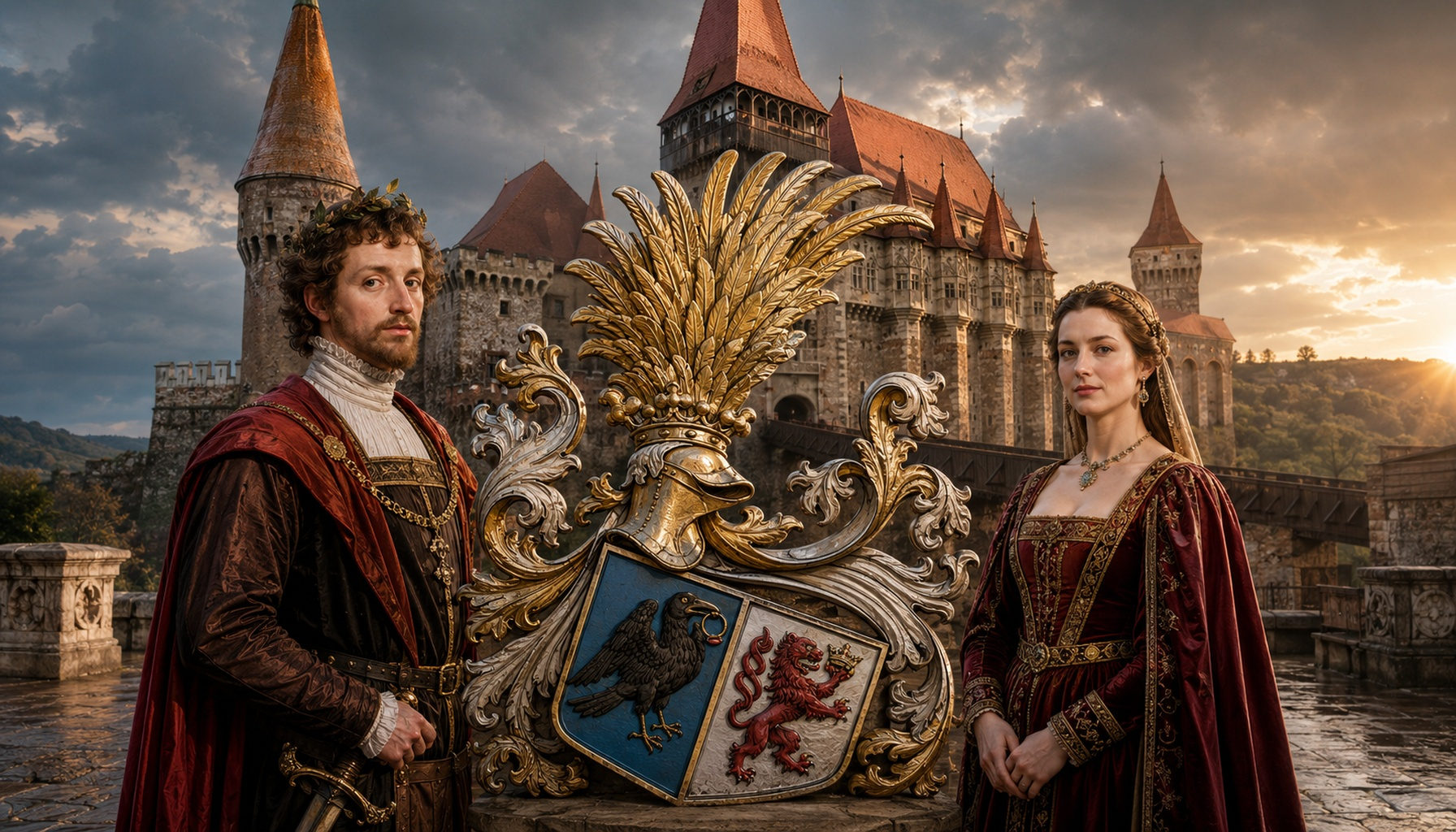
Haplogroups and Noble Lines The Royal House of Hunyadi The Royal House of Hunyadi Who the Hunyadis were The Hunyadi Dynasty was one of the great ruling houses of fifteenth-century Central Europe: a Hungarian noble and royal family built on military command, political sharpness, and sheer force of reputation. Their story begins on the eastern edge of the Kingdom By Sven • 2 min read
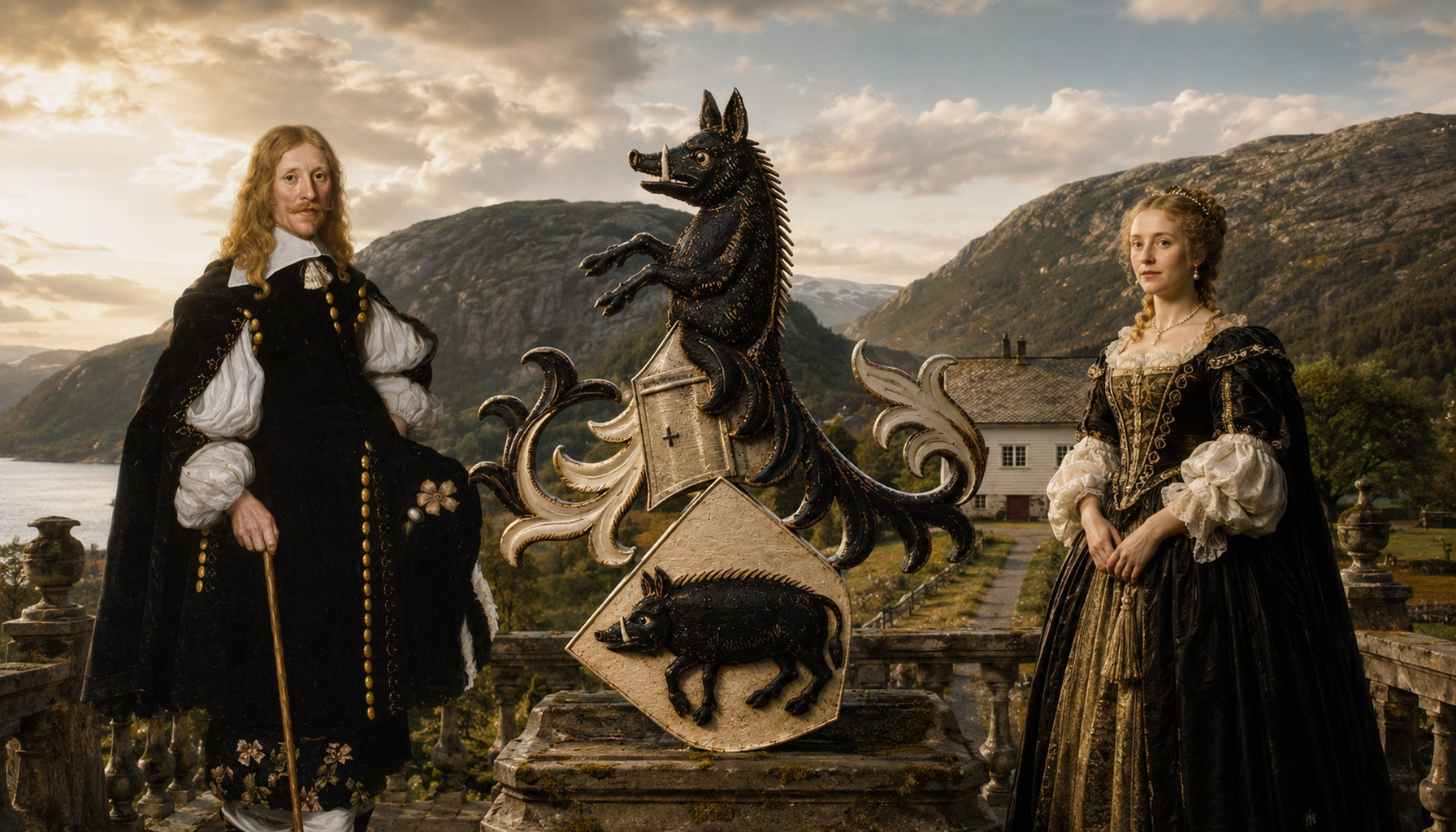
Haplogroups and Noble Lines The Galtung Family The Galtung Family Background The Galtung family, or Adelslekta Galtung, was one of Norway's old noble lineages, rooted in the western fjord country and remembered not as a royal house but as a family of land, office, heraldry, and long local standing. Their primary linked haplogroup is R1b1a1b1a1a2b1c2b1a2, By Sara V • 2 min read
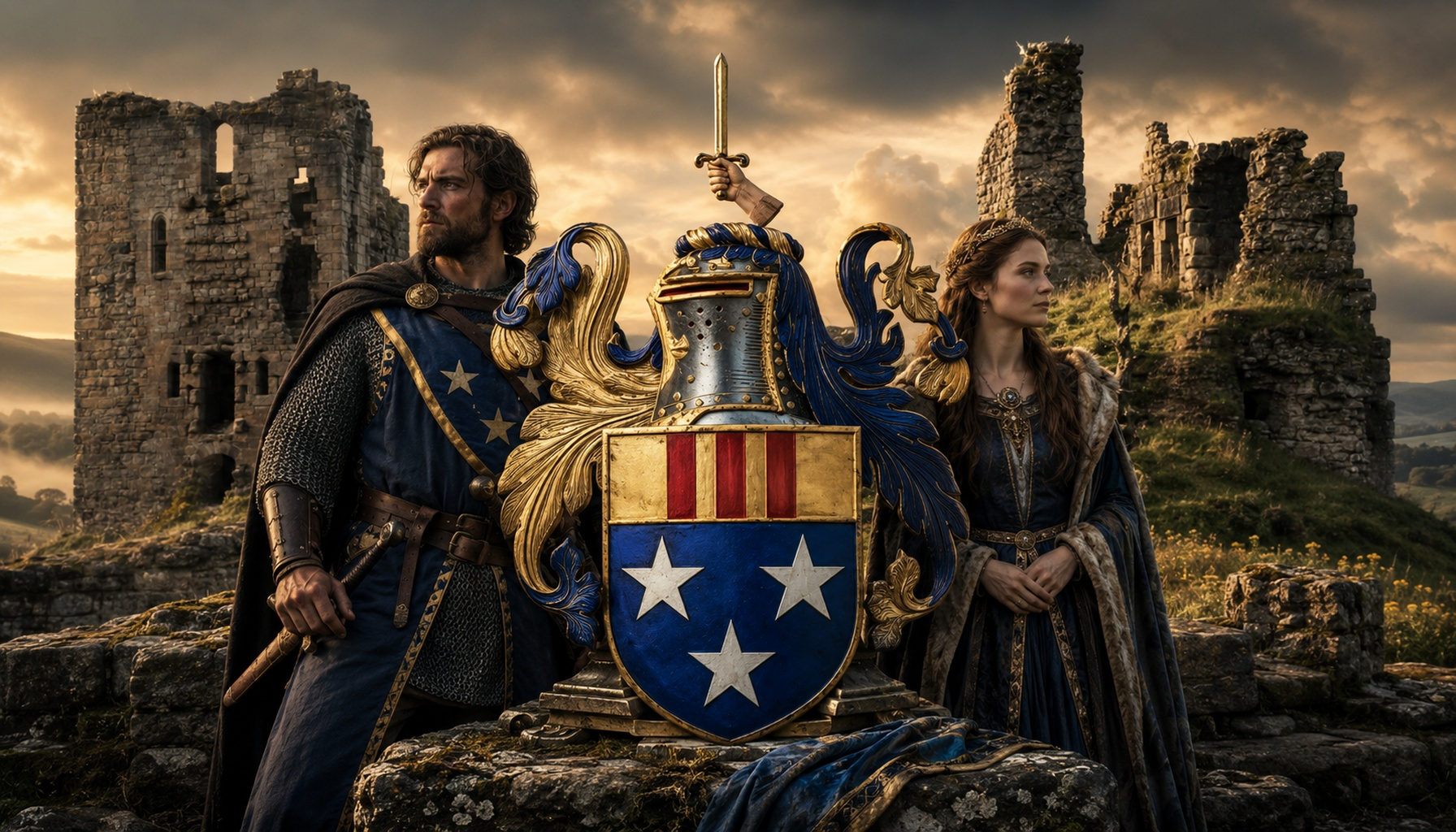
Haplogroups and Noble Lines Clan Dickson Clan Dickson and Haplogroup R1b1a1b1a1a2c1a1a1a1a1a1a3a Clan Dickson was a Scottish Border and Lowland family, shaped by the hard, practical world of southern Scotland, where kinship, land, service, and survival mattered every day. The surname is patronymic, meaning son of Dick or Richard, and it belongs to that very recognisable Border By Jamie L • 2 min read
Haplogroups and Noble Lines Clan Devlin Clan Devlin Ulster Gaelic kin, ancestral place, and haplogroup R1b1a1b1a1a2c1a1a1a1a1a1a2c Clan Devlin was a Gaelic Irish family of Ulster, rooted above all in the historic world of Tyrone and northern Ireland, where kinship, territory, and memory mattered every bit as much as politics. The surname belongs to the old Irish By Jamie L • 2 min read
Haplogroups and Noble Lines Clan Dempsey Clan Dempsey Background Clan Dempsey was a Gaelic Irish family of Leinster, rooted in the old kin-based world of medieval Ireland, where power rested on ancestry, land, fighting strength, and the loyalties of a local people. The surname is generally linked to the Irish O Diomasaigh tradition, later anglicized as By Caterina • 3 min read
Haplogroups and Noble Lines Clan Darroch Clan Darroch Highland roots, island memory, and haplogroup R1b1a1b1a1a2c1a5a2a2a Clan Darroch was one of those western Highland families shaped as much by sea lanes as by glens: a Gaelic kindred associated above all with Islay in Argyll, and with the wider cultural world of western Scotland. The name is often By Sven • 2 min read
Haplogroups and Noble Lines Clan Currie Clan Currie Who were the Curries? Clan Currie was a Scottish clan rooted in the Gaelic world of the western Highlands and Islands, and remembered not simply as a fighting kin-group but as part of that older, richer fabric of clan society in which poets, historians, musicians, and hereditary learned By Caterina • 3 min read
Haplogroups and Noble Lines Clan McBurney Clan McBurney Clan McBurney belongs to that very recognisable Scottish and Irish surname world in which family identity was carried not by grand castles alone, but by kinship, local reputation, movement across the Irish Sea, and the long memory of a name. The family is generally linked to the old By Sara V • 2 min read
Haplogroups and Noble Lines Clan MacNeil Clan MacNeil Background Clan MacNeil was one of the old Gaelic island clans of western Scotland, rooted above all in Barra in the Outer Hebrides and bound to the sea-lanes of the Hebrides rather more than to any neat map boundary on land. Their story belongs to that distinctly Hebridean By Sara V • 3 min read
Haplogroups and Noble Lines Clan Ewing Clan Ewing Background Clan Ewing was part of the broad Scottish surname-and-kinship world, rooted especially in western Scotland, where family identity was carried not just by land or lordship but by memory, service, movement, and the stubborn survival of a name across centuries. The surname has been linked with both By Sara V • 2 min read
Haplogroups and Noble Lines Clan Eustace Clan Eustace Anglo-Norman roots in Ireland Clan Eustace was one of those classic Anglo-Norman families that arrived in the wake of medieval expansion into Ireland and then put down remarkably deep roots there. Their story belongs above all to eastern Ireland, the Pale, and the long world of castles, charters, By Jamie L • 3 min read
Haplogroups and Noble Lines Clan Edmondson Clan Edmondson Background Clan Edmondson is best understood not as a princely house draped in pageantry, but as a British and Scottish family tradition built around a surname. The name itself means son of Edmond or Edmund, a classic patronymic form that ties the family to the long Christian naming By Sven • 2 min read
Haplogroups and Noble Lines Clan Dwyer Clan Dwyer Background Clan Dwyer was a Gaelic Irish family of Munster, strongly associated with Tipperary and with the older territorial world of southern Ireland, where kinship, land, military obligation, and memory of descent all mattered enormously. The surname is linked to the O Duibhir tradition, and like many Irish By Jamie L • 2 min read
Haplogroups and Noble Lines Clan Durie Clan Durie Lowland roots, land, and haplogroup memory Clan Durie was a Lowland Scottish family tradition rooted above all in Fife, where surname, estate, and local standing were closely tied together. The name is territorial in character, pointing back to place rather than to a distant heroic founder, and that By Caterina • 3 min read
Haplogroups and Noble Lines Clan Dundas Clan Dundas Background Clan Dundas was a Lowland Scottish noble and landed family rooted in West Lothian, and its story is very much the story of place, service, and reputation. The name comes from the lands of Dundas near South Queensferry, and from that territorial base the family grew into By Jamie L • 2 min read
Haplogroups and Noble Lines Clan Dunbar Clan Dunbar Who the Dunbars were Clan Dunbar was one of the great noble families of southern Scotland, rooted above all in Lothian and the eastern Borders, and remembered for earldom rank, royal connection, military service, and long political importance. In family DNA tagging, the primary haplogroup associated here is By Sara V • 3 min read
Haplogroups and Noble Lines Clan Douglas Clan Douglas Who the Douglases were Clan Douglas was one of the great ruling families of medieval and early modern Scotland, a house rooted in the Borders and remembered for castles, warfare, lordship, and a frankly astonishing talent for being at the center of national politics. Their name came from By Sara V • 3 min read
Haplogroups and Noble Lines Clan Dillon Clan Dillon Background Clan Dillon was one of those great Norman-Irish families whose story neatly captures the medieval remaking of Ireland. The Dillons came from an Anglo-Norman world shaped by conquest, lordship, cavalry service, land grants, and the restless expansion of aristocratic families after the Norman arrival in Ireland. In By Jamie L • 3 min read
Haplogroups and Noble Lines Clan Crowley Clan Crowley Background Clan Crowley was a Gaelic Irish family of Munster, rooted in the south of Ireland and remembered through the long, durable traditions of surname, kinship, and place. In broad historical terms, the Crowleys belong to that very Irish pattern in which a family name was more than By Caterina • 2 min read
Haplogroups and Noble Lines Clan Crichton Clan Crichton Clan Crichton was one of the notable noble families of Scotland, rooted above all in Midlothian and closely tied to the world of lordship, royal service, and fortified power. Their name came from the lands of Crichton in southeast Scotland, and from that local base they rose into By Caterina • 2 min read
Haplogroups and Noble Lines Clan Creel Clan Creel Background Clan Creel belongs to that deeply British and Scottish world of surnames shaped less by princely grandeur than by endurance: a family name carried through place, work, local service, migration, and memory. In that sense, the Creels are best understood as a rooted surname tradition of the By Caterina • 3 min read
Haplogroups and Noble Lines Clan Craig Clan Craig and haplogroup I2a1b1a2b1a1a1a1 Clan Craig is one of those very Scottish families whose name tells you a great deal before you even open a charter. "Craig" comes from the Scots and Gaelic landscape word for a rock, crag, or stony height, and that matters. This is By Sven • 2 min read
Haplogroups and Noble Lines Clan Cotter Clan Cotter Background Clan Cotter was a Munster Irish family rooted in the south of Ireland, remembered for regional loyalty, local standing, and a surname that endured through centuries of upheaval. In genetic tagging terms, the primary family haplogroup linked here is R1b1a1b1a1a1c2b1b4d, a branch within the great Atlantic-facing R1b By Sara V • 3 min read