Clan Heron
– 3 min read


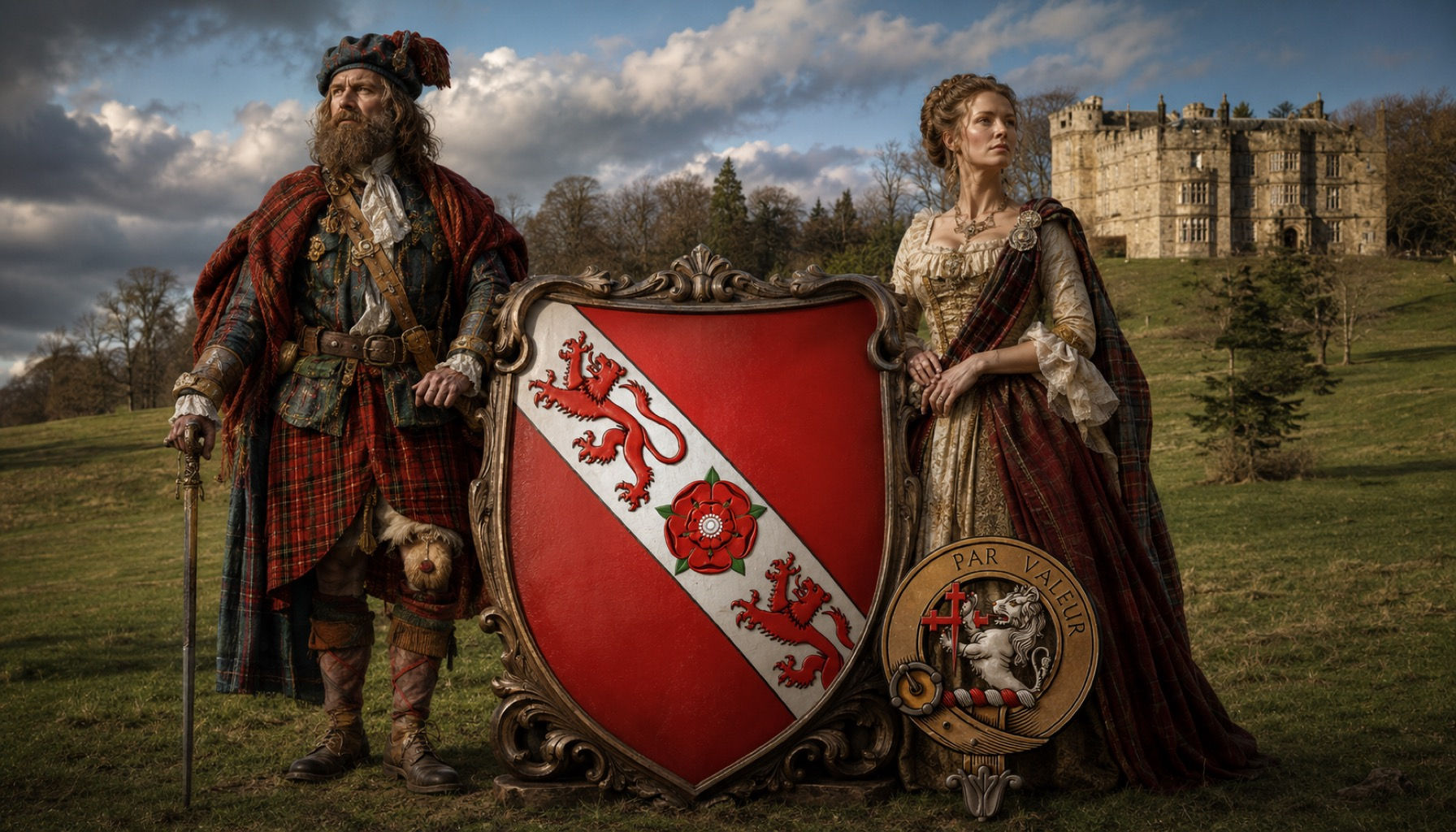
Clan Heron was one of the old frontier families of northern Britain, rooted in the Anglo-Scottish Borders and especially associated with Northumberland. In historical terms, the Herons belong to that tough and fascinating Border world where landholding, military obligation, castle keeping, and local office all went together. Their story is not simply one of a surname surviving on a page, but of a family shaped by raids, shifting loyalties, feuds, royal service, and the constant business of defending position in a contested landscape. The primary haplogroup linked here is R1b1a1b1a1a2c1a5b1a1a2b1, with related Heron heritage explored in that wider genetic frame.
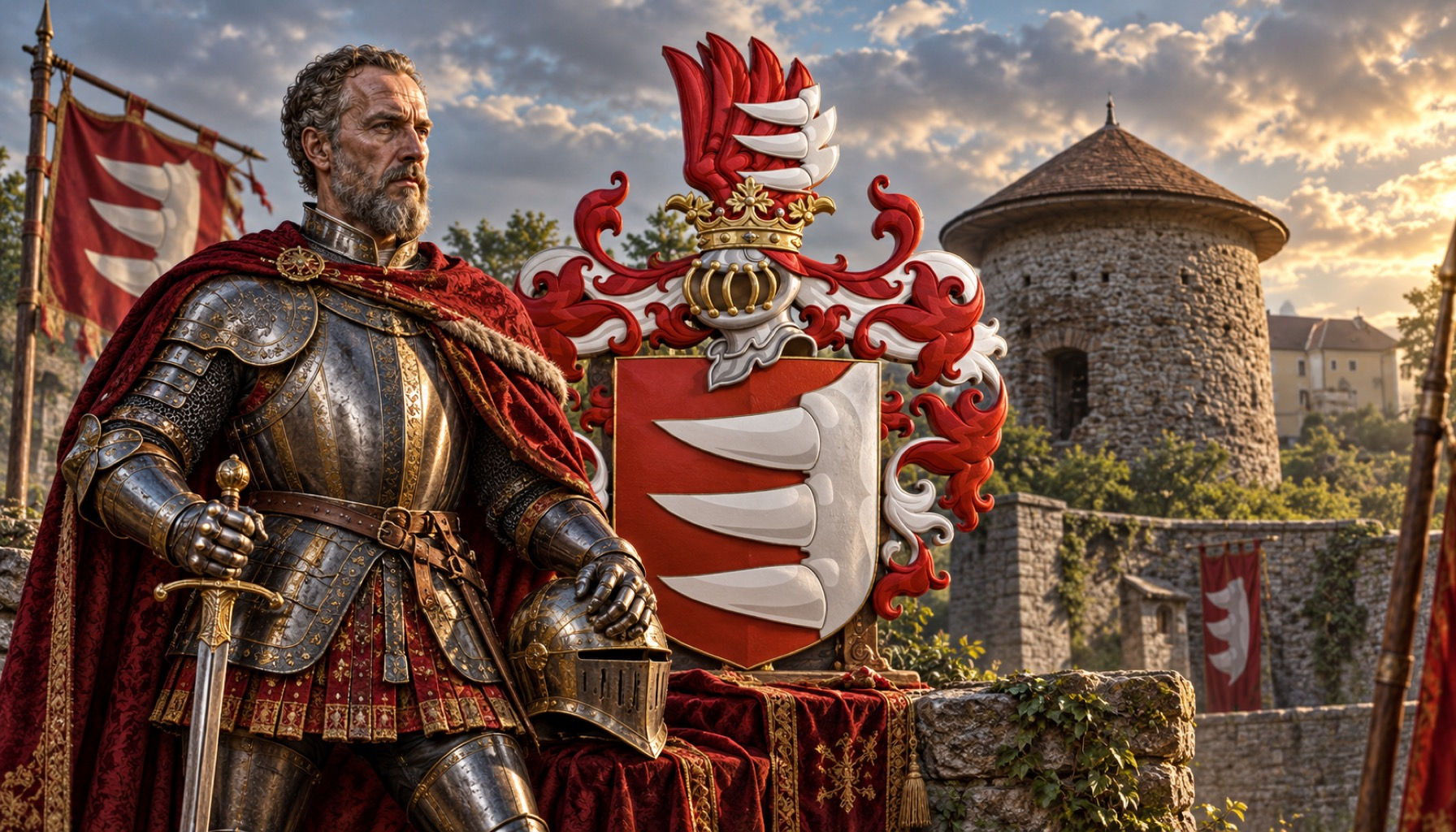
The name itself is old in the region, and the family appears early in the record with figures such as Tihel de Heron, associated with the year 1066, a reminder that this is a lineage reaching back into the era when Norman, Anglo-Saxon, and older British traditions were being folded into a new political order. The Herons grew within a zone where England and Scotland were not neat national blocks but lived frontiers, with wardens, riders, fortified houses, and families who needed sharp wits as much as sharp swords. Their heritage includes estates, heraldry, public duty, martial reputation, and that familiar Border resilience by which families endured turbulence and kept the name alive across generations.
The great location anchor for the Herons is Chipchase Castle in Northumberland, beautifully set in the North Tyne valley. This is one of those places where the landscape itself explains the family history: close to the old marchlands, exposed enough to require defence, yet rich enough to reward anyone who could hold it. The site includes a substantial 14th-century pele tower, built for protection in a violent border zone, and later additions that turned it into a more comfortable Jacobean residence without erasing its martial core. In other words, Chipchase is exactly what one would expect from a Border family seat: part fortress, part manor, part statement of status. It is closely associated with the Herons, who held it for centuries, and it remains one of the clearest surviving monuments to their place in northern history. The castle and grounds are still known as a historic site and can be visited on arranged open days or special access occasions, so it is not merely a vanished inheritance but a real landscape connection that can still be experienced.
Read more about Clan Armstrong
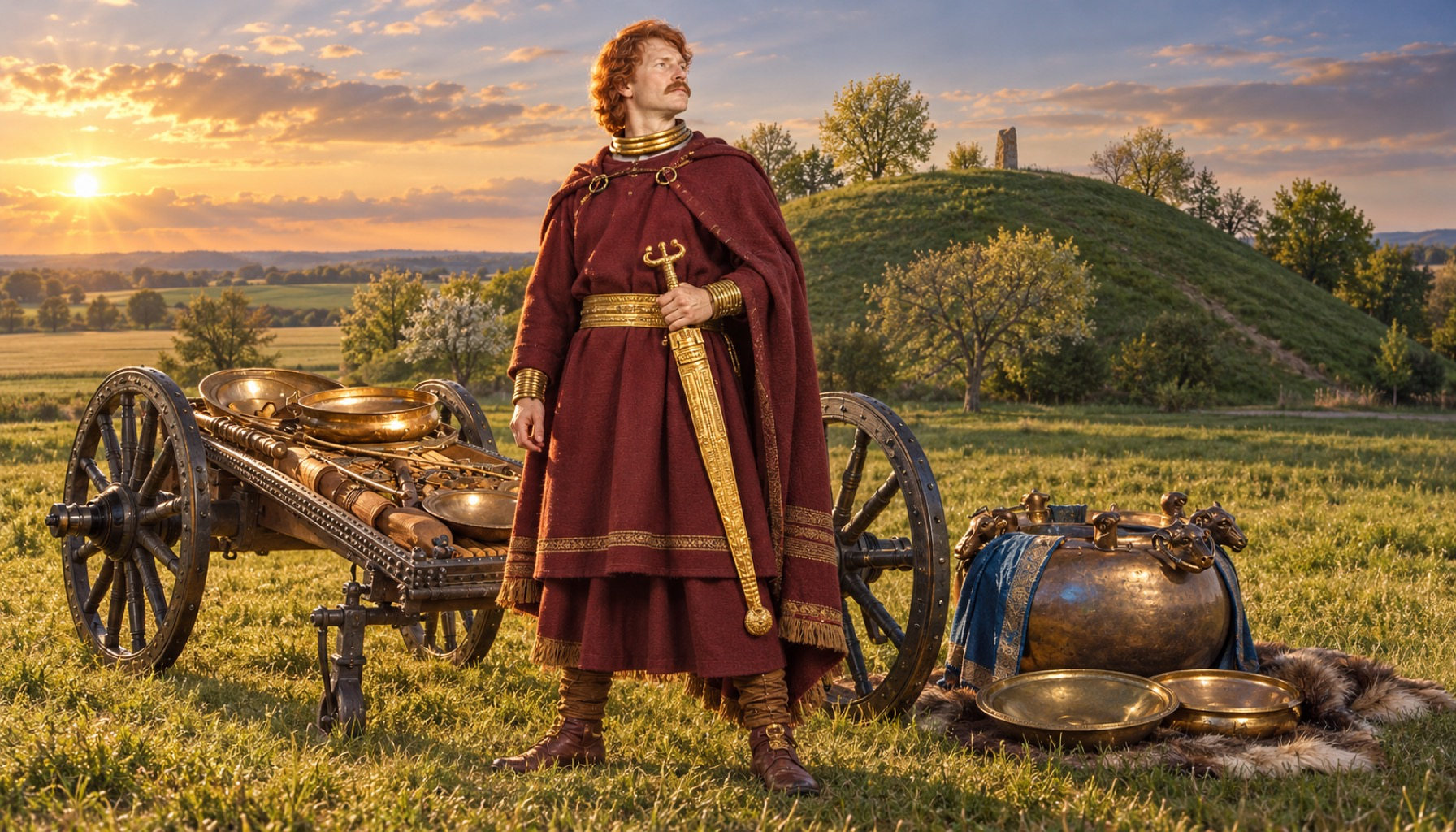
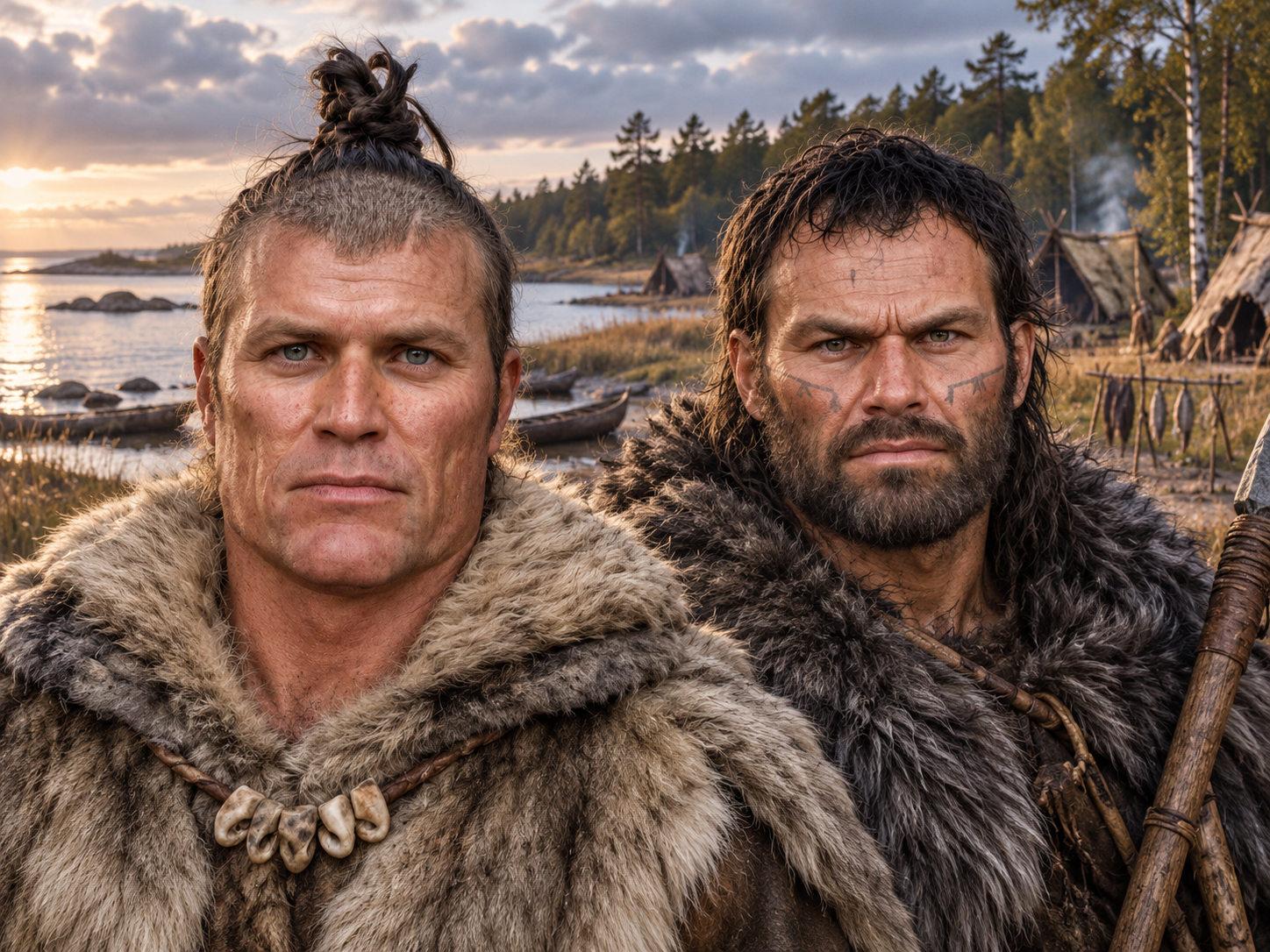
From a DNA perspective, the Heron story sits within a much deeper northern and western European backdrop. The haplogroup tag here is R1b1a1b1a1a2c1a5b1a1a2b1, and related or linked ancient samples help sketch the long human background to a Border family like this, without claiming direct descent from any one burial. Among those linked samples are Early Anglo-Saxon Cemetery West Heslerton, Yorkshire (I11586), Anglo-Saxon Oakington, England (OAI012), Celtic Briton Carsington Pasture Cave, Derbyshire (I12778 and I12775), Celtic Briton Lechlade-on-Thames, Gloucestershire (I12783), Celtic Briton Bradley Fen, Cambridgeshire (I11156), Iron Age Middle Wallop Suddern Farm, England (I16611), Iron Age Greystones Farm, Gloucestershire (I12785), Ireland Copper Age Rathlin1B, and even later Norse-Gaelic and Viking-connected material such as Danish Gaelic Viking Iceland (SSG-A2). Taken together, these linked samples evoke the real genetic and historical complexity behind northern British families: Brittonic roots, Iron Age continuity, Anglo-Saxon era movement, Irish Sea connections, and Viking age mixing all feeding into the ancestry of the medieval borderlands.
Explore ancient DNA in post-Roman Britain
If you carry the Heron name, have roots in Northumberland or the Borders, or simply suspect your family belongs to that old frontier world, DNA can add another layer to the story. Upload your DNA to MyTrueAncestry to see whether you match Clan Heron, the haplogroup R1b1a1b1a1a2c1a5b1a1a2b1, or related ancient DNA samples from Anglo-Saxon, Celtic Briton, Iron Age, and Viking age Britain and Ireland.

Comments