Clan Weir

– 3 min read


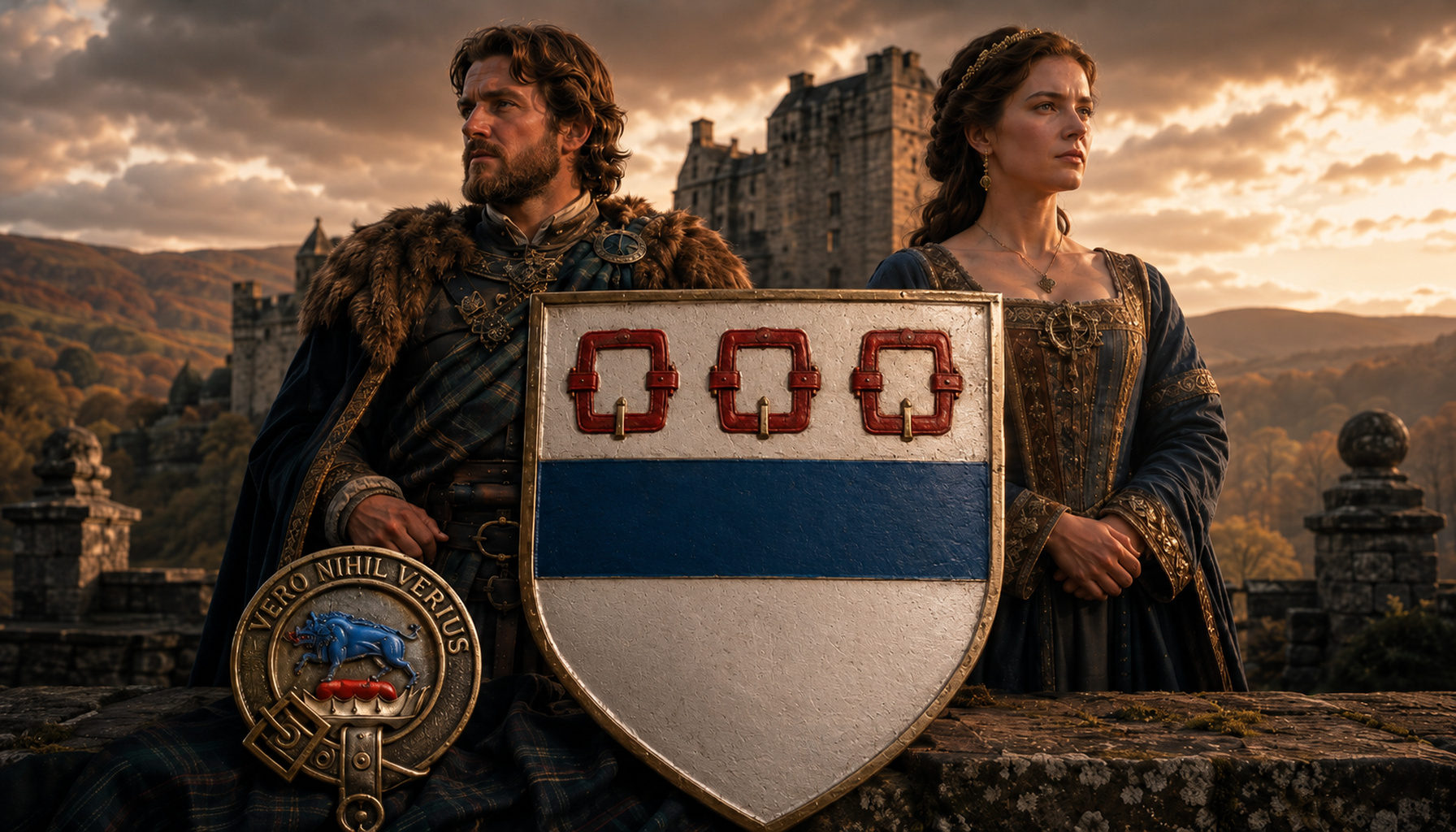
Clan Weir belongs to that very Scottish, and very Lowland, pattern in which a family becomes important not because it ruled a vast Highland territory, but because it endured. The Weirs were a surname family rooted especially in the Lowlands, with strong association to Lanarkshire, shaped by local belonging, landholding, service, and the stubborn preservation of family identity across generations. In that sense, Weir history is less a tale of one grand mountain lordship and more a story of place, reputation, and continuity. In DNA terms, the primary haplogroup linked here is R1b1a1b1a1a2b, a lineage with deep western and central European reach and a long presence across Britain.
The surname itself is usually connected with forms such as Vere, Veir, or Weir, and early records hint at the sort of medieval spelling fluidity that makes historians both cheerful and slightly cross. One early named figure is Radulphus de Vere in 1150, a useful reminder that families do not spring fully formed from mist and slogan. They emerge slowly through charters, witness lists, land transactions, and local standing. Over time, the Weir name became part of the broader Scottish armorial tradition, where heraldry mattered enormously. In the Lowlands, coats of arms, legal memory, and kin identity often carried as much weight as any dramatic clan battlefield mythology. Tagging the family to haplogroup discussion does not prove every Weir line shares one paternal origin, but R1b1a1b1a1a2b is the primary family haplogroup used for this heritage profile.
Read more about the Noble House of De Vere
A particularly important location anchor for the family is Stonebyres in South Lanarkshire, near the River Clyde. Stonebyres is not just a dot on the map but part of an old landed landscape, close to the dramatic Stonebyres Falls and long tied to routeways, river power, and local authority. The estate and its later house sit in a region where medieval and early modern Scottish families built status through control of productive ground rather than through theatrical isolation. That matters for understanding the Weirs. A Lowland family like this was embedded in a worked countryside of estates, mills, roads, kirks, and legal jurisdictions. Stonebyres Castle itself was historically associated with the Weirs, and the wider setting still speaks eloquently of their social world: not romantic wilderness, but a lived-in, contested, practical Scotland. The area can still be visited today, and Stonebyres Falls remains a known local landmark, so the family geography is not lost in parchment alone.
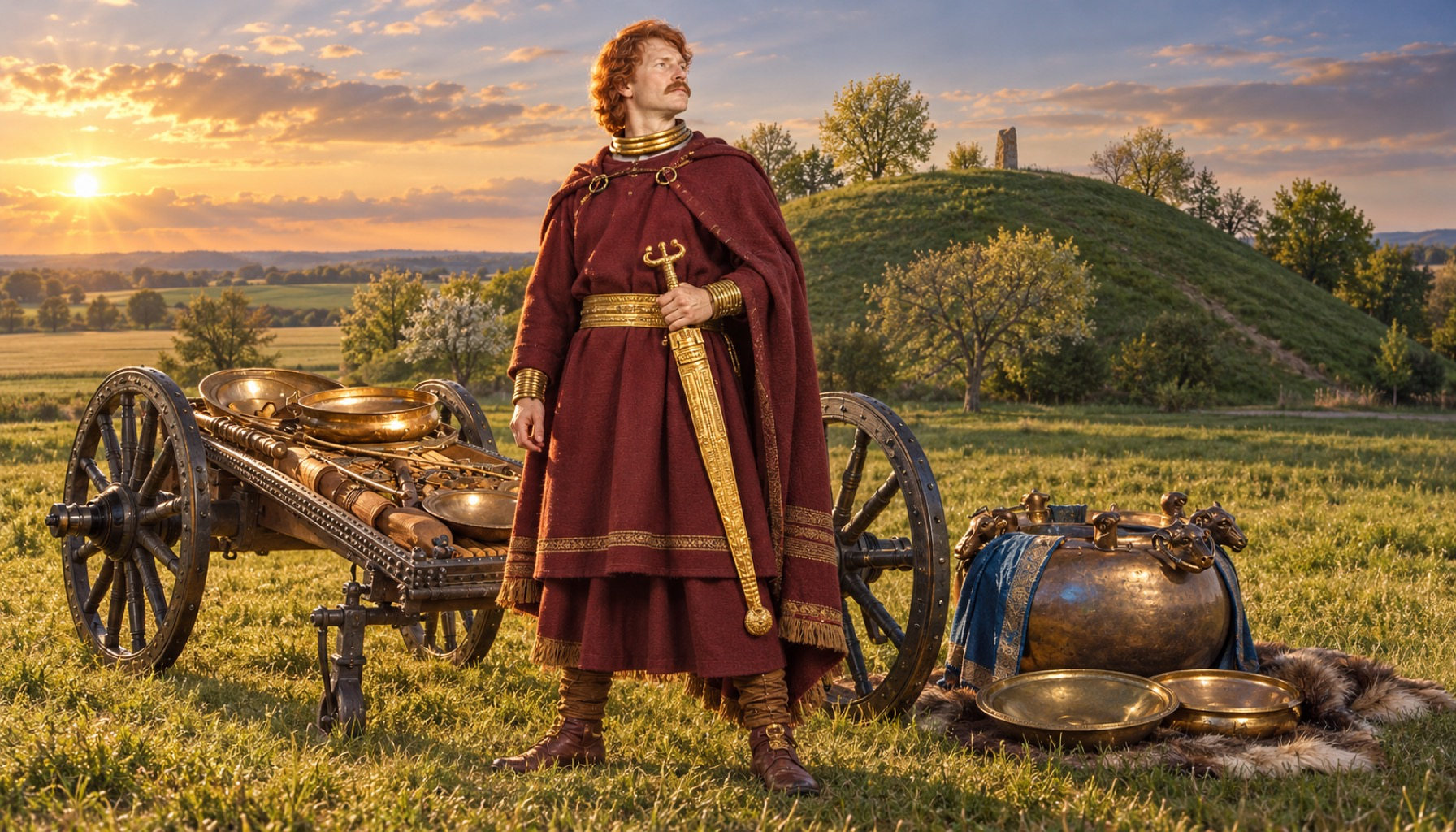
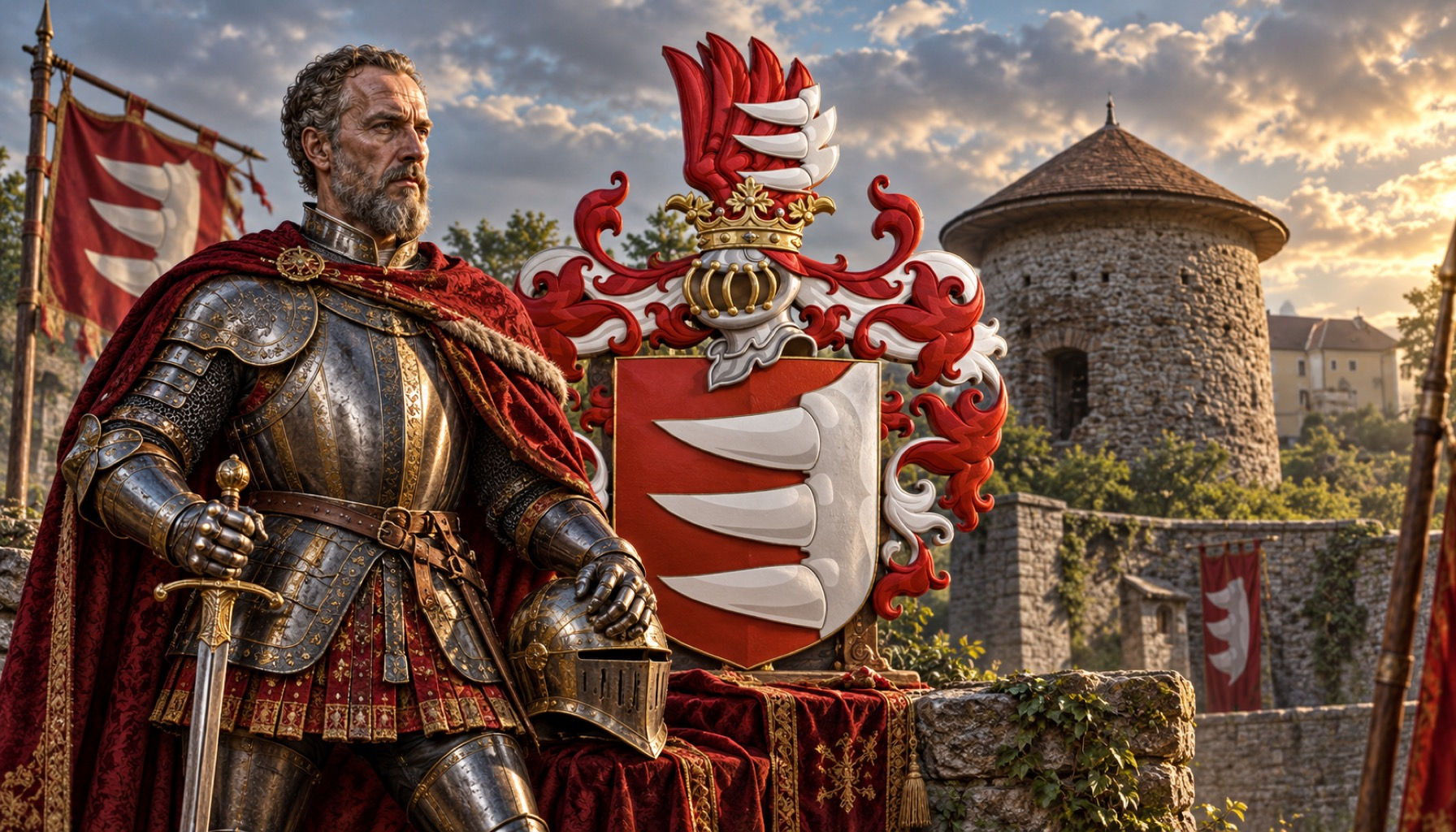
The haplogroup R1b1a1b1a1a2b appears again and again in ancient DNA from a remarkably wide historical arc, which helps place Weir heritage into a broader European story. Related or linked samples include Pict-era Scotland from Rosemarkie Cave such as KD001, early medieval Pict-era Lundin Links LUN004, Roman era England samples like NWC009 from Cambridgeshire and FEN008 from Fenstanton, and several Celtic Durotriges burials from Winterborne Kingston including WBK106, WBK17, and WBK36. Beyond Britain, the same broader paternal line is seen in elite Celtic graves such as Magdalenenberg MBG013, Hochdorf HOC001, and Asperg-Grafenbuehl APG001, as well as in medieval northern Spain at Las Gobas with samples including ldo066, ldo037, and ldo046. There are even linked appearances in later aristocratic and warrior contexts, from the Aba-related HUASper55B in Hungary to Lombard elite graves like COL_150. None of this claims direct descent from any one of these individuals to Clan Weir. What it does show is that the Weir-associated haplogroup belongs to a deep and mobile paternal landscape stretching from Bronze Age and Iron Age Europe into Roman, Pictish, medieval, and noble contexts.
Read more about Clan Carmichael
If you carry the Weir surname, have Lanarkshire roots, or simply suspect your family belongs to this broad Lowland world of heraldry, land, and long memory, DNA can add another layer to the story. Uploading your results to MyTrueAncestry may help you see whether you match Clan Weir patterns or any of the related ancient DNA samples connected with haplogroup R1b1a1b1a1a2b. It is not a magic certificate of descent, and thank goodness for that, but it is a fascinating way to test how your family history fits into the much bigger human past.



Comments