Clan Carmichael
– 2 min read


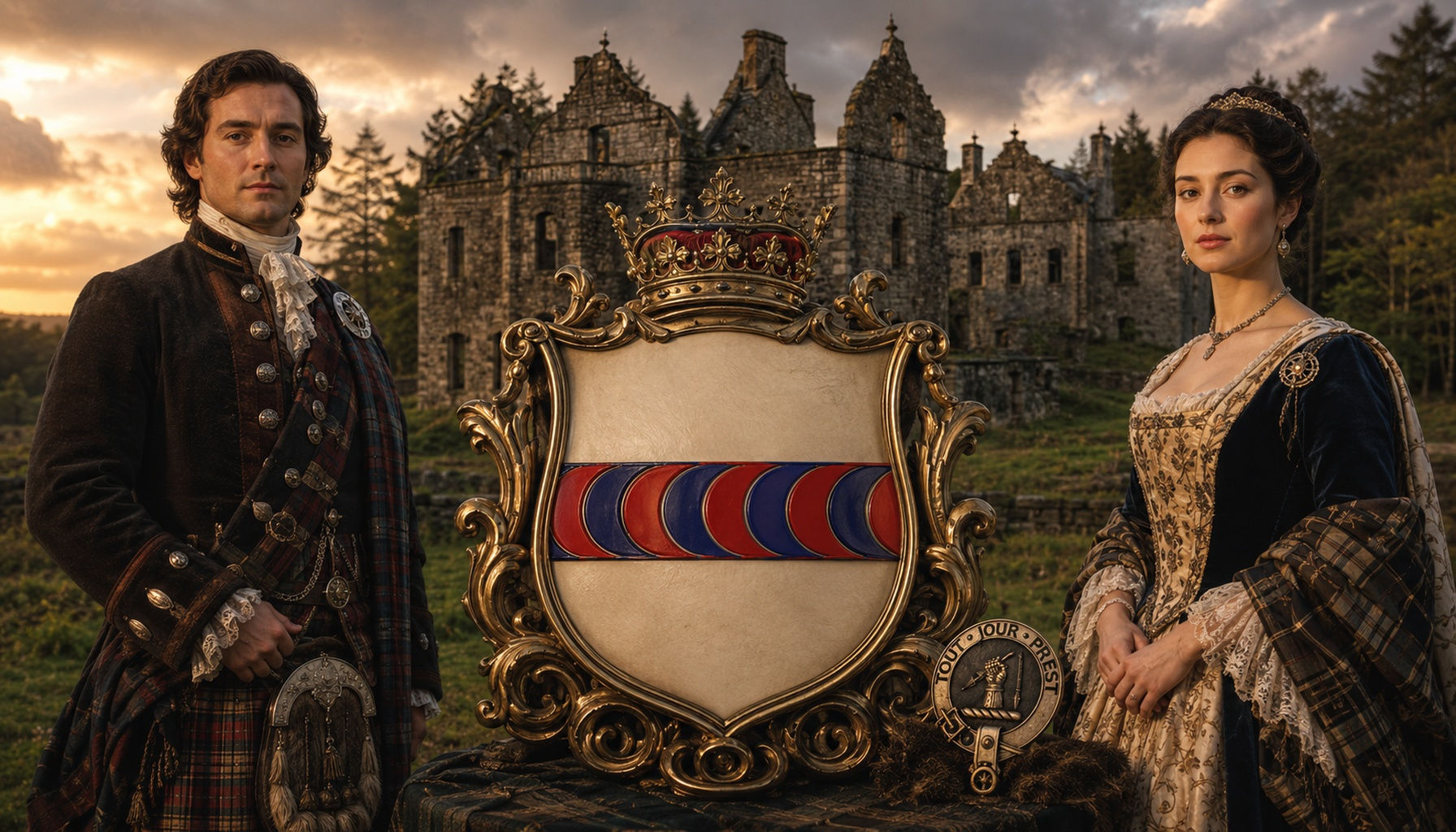
Clan Carmichael was a Lowland Scottish clan rooted in Lanarkshire, shaped by landholding, royal service, and a long memory of local authority rather than by the better-known Highland model of clanship. The name comes from the lands of Carmichael in what is now South Lanarkshire, and from the medieval period onward the family appears as one of those durable territorial houses that helped make the machinery of the Scottish kingdom work. For DNA tagging purposes, the primary family haplogroup linked here is R1b1a1b1a1a2a1b2, a branch within the broad R1b paternal line often associated with much of western Europe.
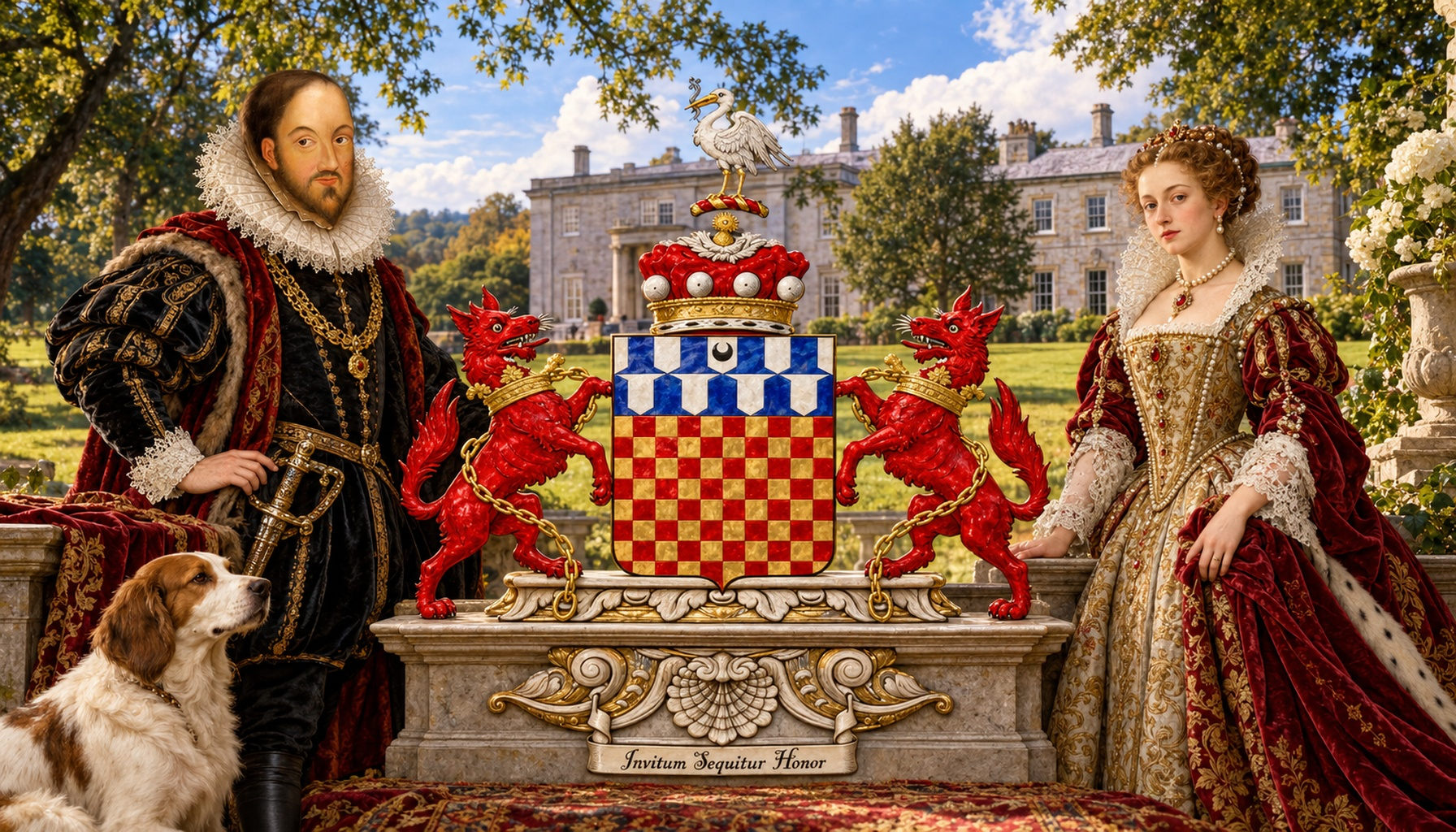
The Carmichaels belong to that very Scottish pattern in which family identity was preserved through estates, heraldry, marriage alliances, and public duty. Their motto, Tout Jour Prest, meaning always ready, captures the tone rather well: not romantic mist and claymores, but preparedness, obligation, and continuity. One early named figure is Robert de Carmichael, recorded in 1226, a reminder that the family was already established in the documentary world of medieval Scotland, when names, charters, and land rights were beginning to harden into lasting lineage.
The geographical anchor of the clan is Carmichael in South Lanarkshire, the district from which the family took its name and where its seat, Carmichael House, stood as the visible center of lineage and estate history. This was not just a big house in the modern sense, but part of the old social map of Lowland Scotland, where landed families tied administration, agriculture, influence, and kinship together. The parish and settlement of Carmichael lie in a landscape of gently rolling countryside south of Lanark, and the place-name itself kept the family story fixed to the soil over centuries. Although the historic mansion was destroyed by fire in the 20th century, the site and surrounding area remain part of the historic locality of Carmichael, and the wider place can still reasonably be visited by those interested in the clan's territorial origins.
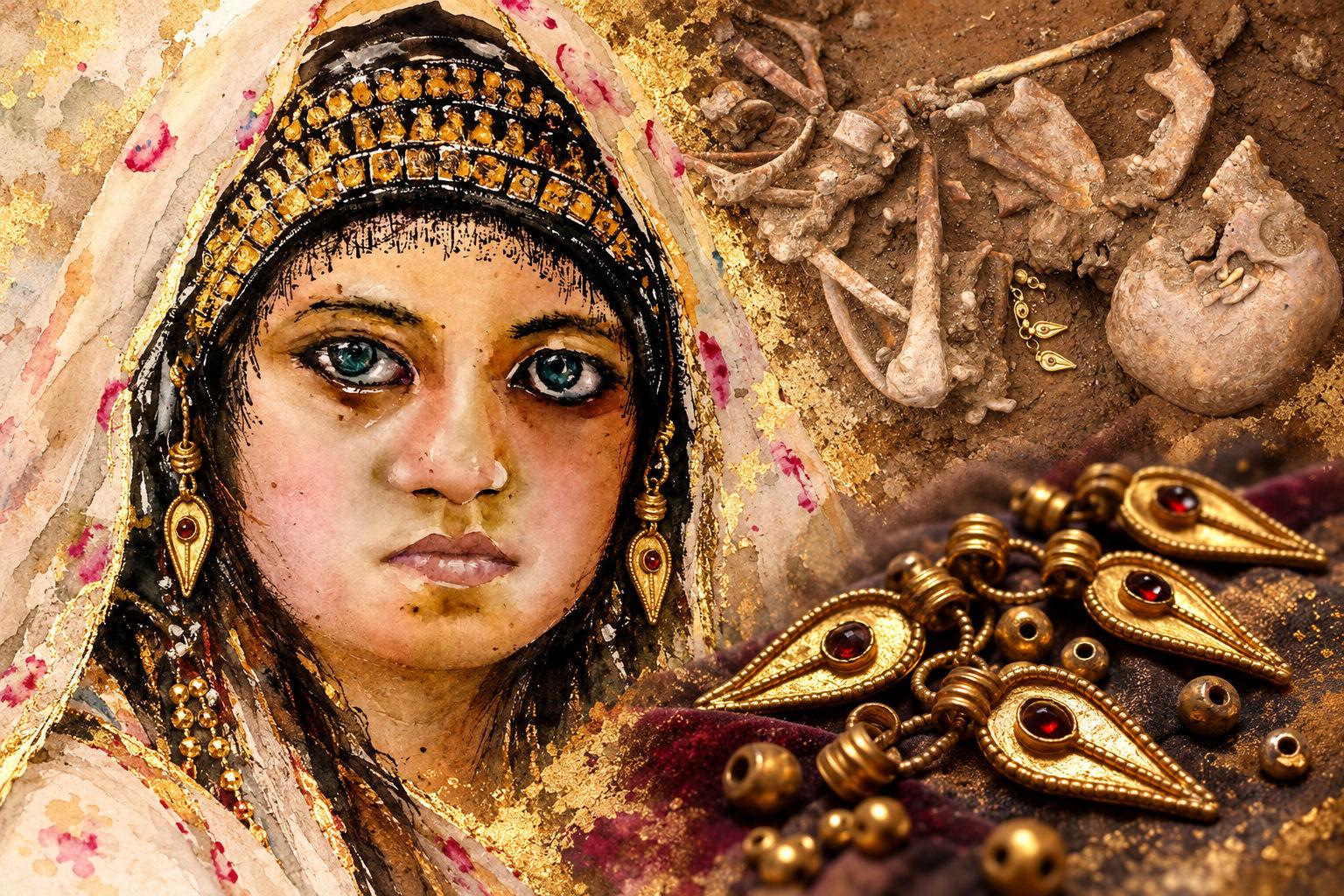
From an ancient DNA point of view, the Carmichael-linked haplogroup R1b1a1b1a1a2a1b2 belongs to a paternal story spread widely across western and central Europe over a very long timespan. Related or linked samples assigned to this branch include individuals such as Merovingian Period Frankish Eltville, Germany (EV8), Historic St. Mary City Chapel Field Cemetery, Maryland (I35260), Belgic Gaul Remi territory in France (ISL6950), Belgic Suessiones Iron Age France Bucy-le-Long (CGG022434), Viking Age Bogovej, Langeland, Denmark (VK365), Viking invader Ridgeway Hill, England (VK261), Bronze Age Melton Quarry, East Riding of Yorkshire (I7629), Bronze Age Constantine Island, Cornwall (I16454), Celtic Briton Brassington, Derbyshire (I12771), Iron Age Briton Worlebury Camp, Somerset (I11143), and Late Bronze Age Scotland (I2860), alongside a deeper cluster of Bronze and Iron Age Iberian examples from Almoloya Pliego, Villena, Ibiza, Burgos, and Cogotas. These do not prove direct descent from any one ancient person to the Carmichaels. What they do show is that the Carmichael haplogroup sits within a broad and very old western European paternal network that turns up among Bronze Age communities, Iron Age Celtic-speaking populations, Roman-era people, early medieval groups, and later historic burials.
Explore ancient DNA in Britain
If you carry the Carmichael name, have Lanarkshire roots, or simply suspect a connection to this long-lived Lowland service clan, DNA can add another layer to the paper trail. Upload your DNA to MyTrueAncestry to see whether you match Clan Carmichael, its primary haplogroup R1b1a1b1a1a2a1b2, or related ancient DNA samples from Britain and the wider European past.
Comments