Clan Douglas
– 3 min read


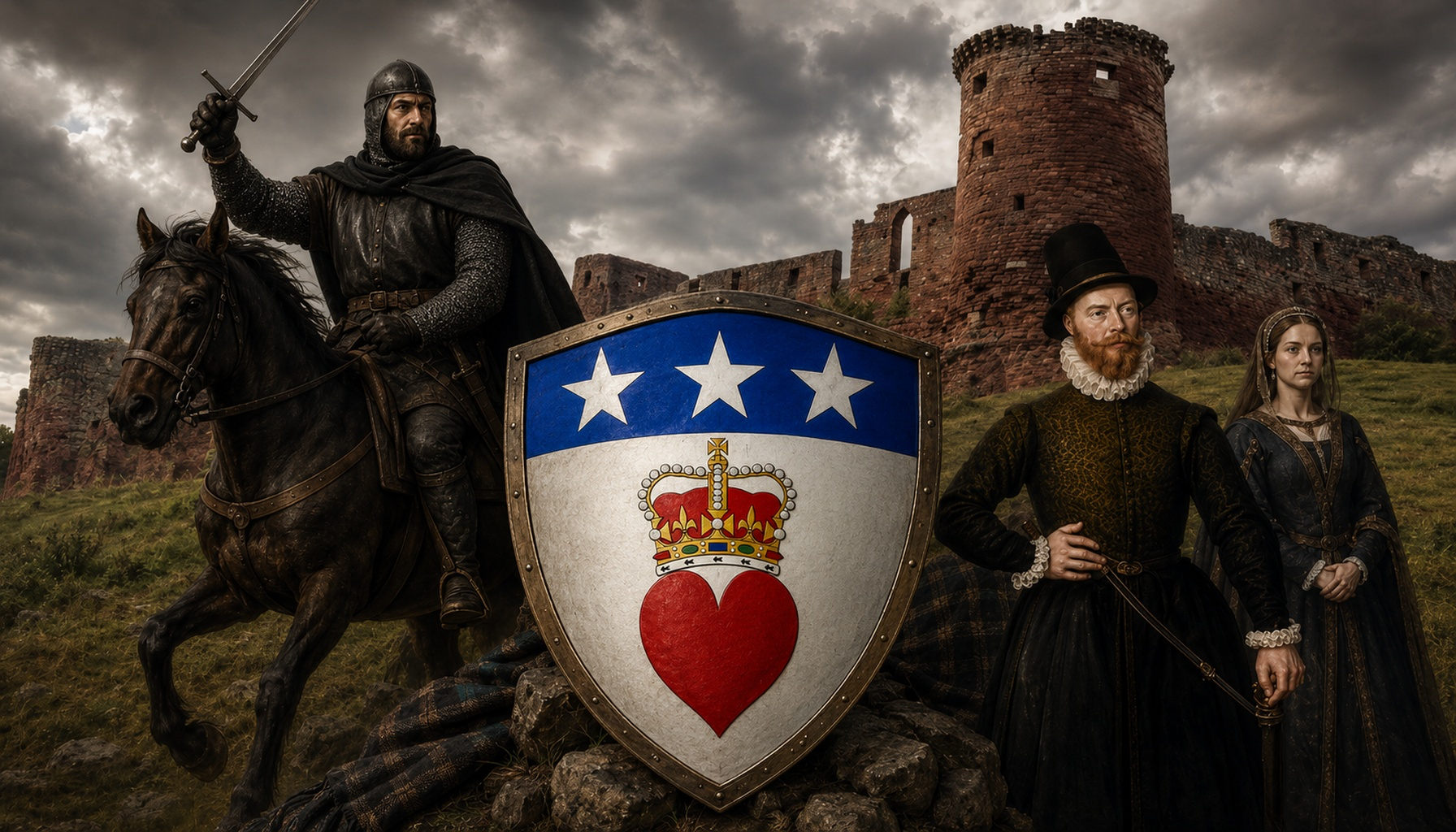
Clan Douglas was one of the great ruling families of medieval and early modern Scotland, a house rooted in the Borders and remembered for castles, warfare, lordship, and a frankly astonishing talent for being at the center of national politics. Their name came from Douglas in South Lanarkshire, usually understood from the old Brittonic elements for the "dark stream" or "black water," a reminder that this was a family anchored first in place before it became a power in story and state. In haplogroup terms, the primary family line here is linked with E1b1b1a1b1a10b, a paternal marker that opens an intriguing genetic window onto much deeper Eurasian history.
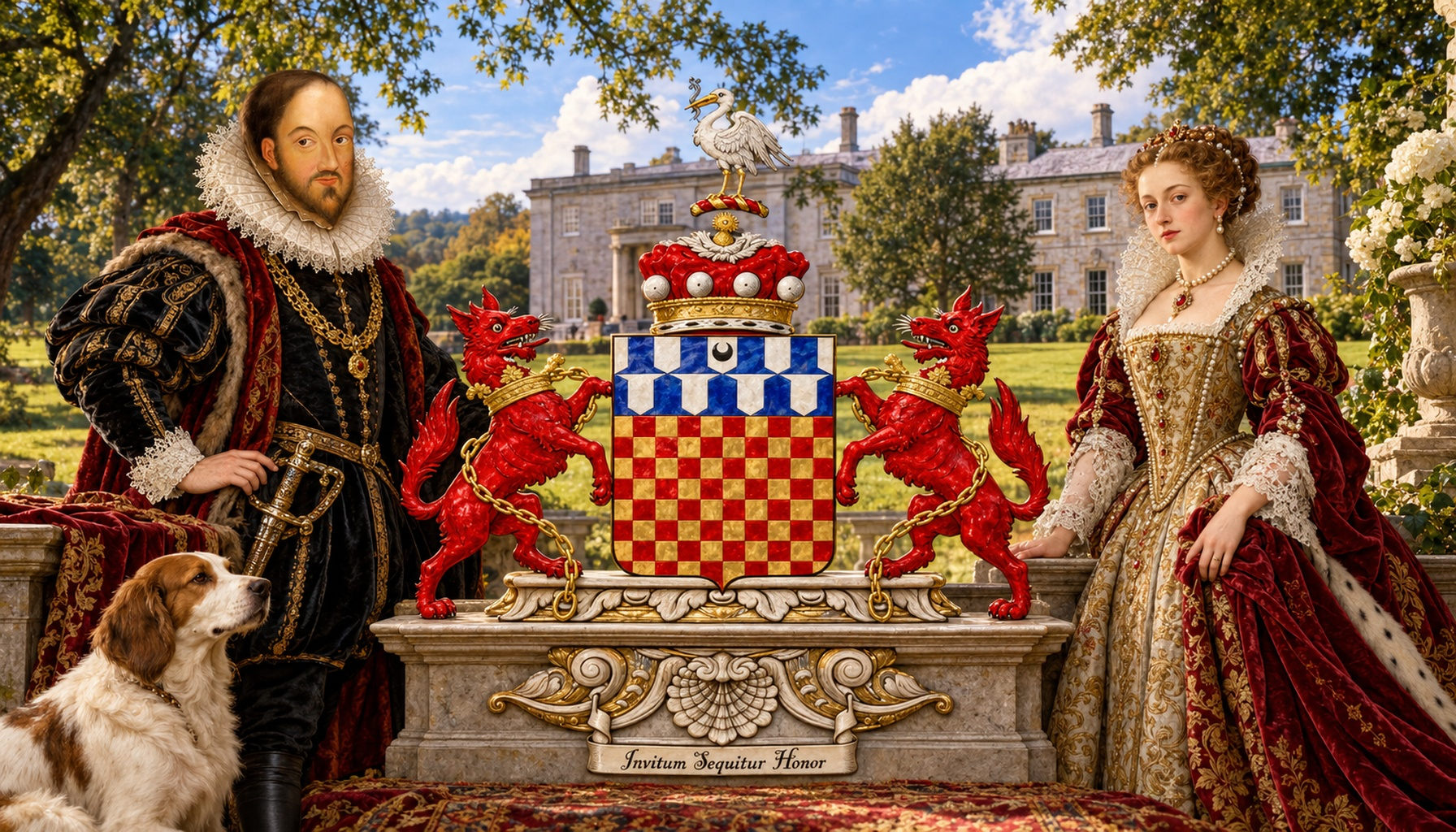
The rise of the Douglases belongs to that very Scottish pattern in which land, military usefulness, royal favor, and dangerous ambition all fed one another. From local lordship they expanded into one of the mightiest magnate houses in the kingdom, especially during and after the Wars of Scottish Independence. Figures such as Sir James Douglas, the famed Black Douglas, turned the family into symbols of hard fighting and national resistance, while later branches such as the Black Douglases and Red Douglases showed how one kin-group could splinter into rival centers of influence without ever becoming unimportant. Heraldry, titles, marriages, and fortified seats all mattered, but so did personal reputation: the Douglases were feared allies, feared enemies, and occasionally feared by their own kings. Even much later figures such as Alexander Douglas (1625) belong to that long afterlife of the name, when Douglas identity still carried weight in aristocratic, military, and political circles.
If you want one place that explains the Douglases, start with Douglas Castle in South Lanarkshire. This was the chief seat of the family and the physical heart of their power, standing near the lands from which the dynasty took its name. Earlier strongholds on the site were tied to the medieval rise of the lords of Douglas, and the place was repeatedly caught up in the violence of Scottish history. The castle was attacked, destroyed, rebuilt, and transformed across centuries, which is really rather fitting for a family whose history was so often written in sieges, forfeitures, recoveries, and displays of magnificence. The later structure, sometimes called the "Castle Dangerous," became famous not only through history but through literary memory as well. Though the great house fell into ruin and much was demolished, the site and surviving remains still speak powerfully of the family's former scale and importance. Yes, it can still be visited in the sense that the site of Douglas Castle remains a historic place in the landscape, even if what survives today is fragmentary rather than a fully standing medieval fortress.
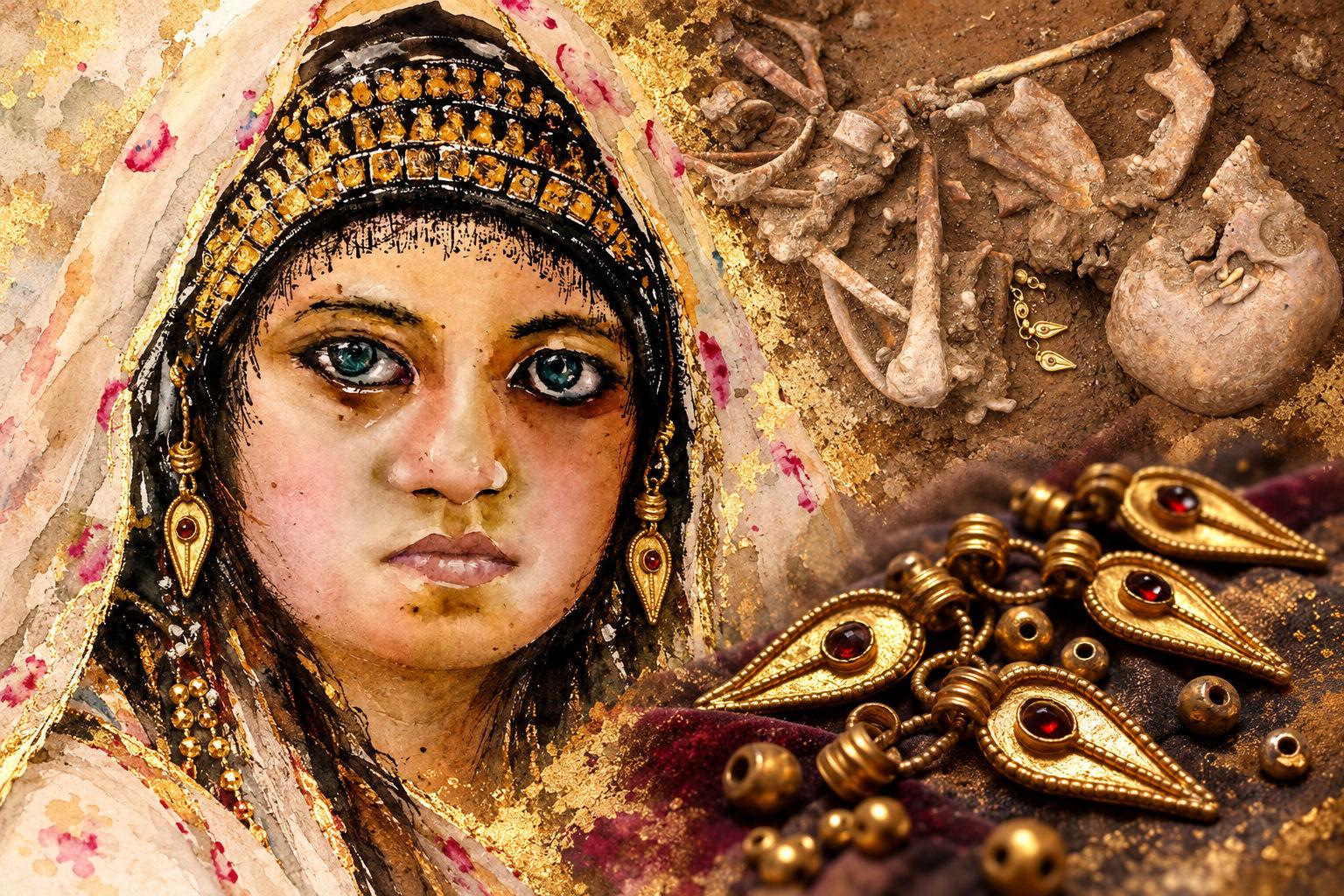
The Douglas-linked haplogroup E1b1b1a1b1a10b also appears in a wide spread of ancient and medieval contexts, which is precisely the sort of thing that reminds us how much deeper any family story runs than surnames alone. These are not claims of direct descent from Clan Douglas, but related or linked ancient samples that show where this paternal line, or close branches of it, turns up across time. Examples include Medieval Sicily Teatro di Segesta (SGBN10); Avar Elite Hungary Rakoczifalva (RKC041); Migration Period Hungary Rakoczifalva (RKF026, RKF027); Late Imperial Roman Serbia Timacum Kuline Ravna Village (I15553, I15554); Imperial Roman Era Serbia Timacum Slog Necropolis (I15544); Late Roman Empire Viminacium Serbia Rit Necropolis (I15504, I15507, I15490); Grobalja Necropolis samples (I15513, I15518); Vise Grobalja Necropolis (I15525); Dark Ages Italy South Tyrol Malles Burgusio Santo Stefano (2425); Post Roman Pannonia Arrabona Menfocsanak Barbaricum Hungary (MFC014); Late Antique Pannonia Arrabona Szechenyi Square Hungary (GYS044, GYS008); Merovingian Bavaria Altheim Germany (Alh_154); Piast Dynasty Santok Lad (PCA0400) and Poznan Srodka Lad (PCA0255); Gothic Wielbark Iron Age Gdansk (PCA0495); Thuringii Germany Obermoellern (OBM013); Migration Period Bruecken (BRC014x) and Rathewitz (RTW003); Halych-Volhynia Ukraine Korolivka (KRW002); Early Medieval Croatia Velim-Velistak (VEM022); Ostrogoth-Gepid Madaras (CGG021897); Medieval Slav Avar Slovakia Cifer-Pac (CGG018923); Bosporan Kingdom Crimea samples (CGG021473, CGG021475); Carolingian Zalavar Varsziget (AHS56); Alt-Inden Germany (IND009); Saxon Palace Eastry Updown Kent England (EAS006); Viking Age Bogovej Langeland Denmark (VK362); Iberian Cordoba Caliphate (I7498); Late Medieval Cancelleria Basilica (R1219); Late Avar Szekkutas-Kapolnadulo (SzKper239); and Hungarian Conqueror Outlier (K2per6). What that tells us is not that the Douglases came from all these places, but that the paternal lineage linked here has a long and mobile record across Roman, post-Roman, medieval, and frontier worlds.
Explore the Royal House of Stewart
If you carry Douglas ancestry, or simply suspect a link to the old Scottish Border nobility, the most interesting next step is to test the paper trail against the genetic one. Upload your DNA to MyTrueAncestry and see whether you match Clan Douglas, the E1b1b1a1b1a10b family line, or any of the related ancient DNA samples that help place this heritage in a far wider historical world.
Comments