Clan Hamilton
– 3 min read


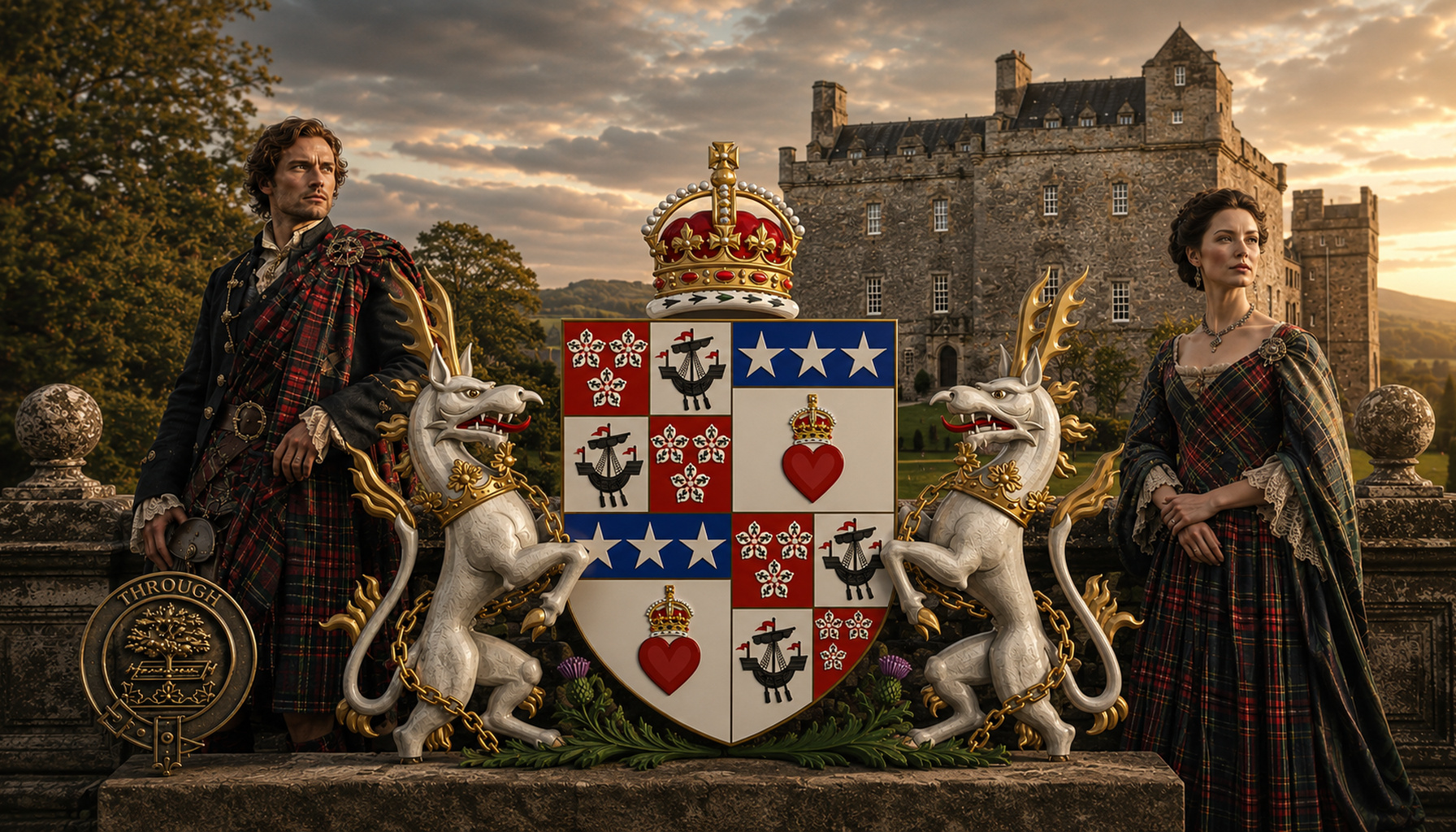
Clan Hamilton was one of the great powerhouses of Scottish history: a family of high nobles, royal in-laws, land magnates, political operators, soldiers, courtiers, and survivors. Their traditional rise begins with Walter fitz Gilbert of Hambledon, Laird of Cadzow in 1315, a figure usually placed in an Anglo-Norman world that had spread into Britain through conquest, service, and landholding. In haplogroup terms, the primary family line is linked here with Y-DNA haplogroup I1a2a1a1a4, a branch with deeper roots in northern Europe. The Hamilton story, though, is not simply one of "foreign" arrival. Like so many medieval aristocratic houses in Scotland, they became thoroughly Scottish by office, marriage, lordship, and long entanglement with the crown.
From their base in Lanarkshire, especially at Cadzow, the Hamiltons climbed by serving kings and marrying wisely. Over the generations they became Lord Hamilton in 1445, Earl of Arran in 1503, Marquess of Hamilton in 1599, and Duke of Hamilton in 1643. Their closeness to the Stewart royal house made them politically explosive: not just grandees, but potential heirs, regents, and kingmakers. That meant involvement in almost every great Scottish drama: court faction, minority rule, religious upheaval, civil war, and the awkward business of being too powerful for anyone else's comfort. Heraldry, palace culture, dynastic ambition, and national politics all meet in the Hamiltons, which is why they loom so large in the story of the kingdom.
Explore the Royal House of Stewart
If you want one place that captures Hamilton grandeur, it is Hamilton Palace in South Lanarkshire, built near the older Hamilton seat and associated with the ducal line at the very height of their prestige. The palace grew into one of the grandest aristocratic residences in Britain, famous for its immense scale, lavish state rooms, collections, and the theatrical display expected of a family so close to royal power. It stood near the town of Hamilton, itself named from the family, and functioned as a statement in stone: not merely a house, but a declaration that the Hamiltons were among the first nobles of Scotland. The palace was demolished in the early 20th century, so the building itself no longer survives as a visitable great house; however, the wider Hamilton landscape still can be visited, especially around Chatelherault Country Park, where traces of the estate setting and the family's historic footprint remain very much part of the local scene.
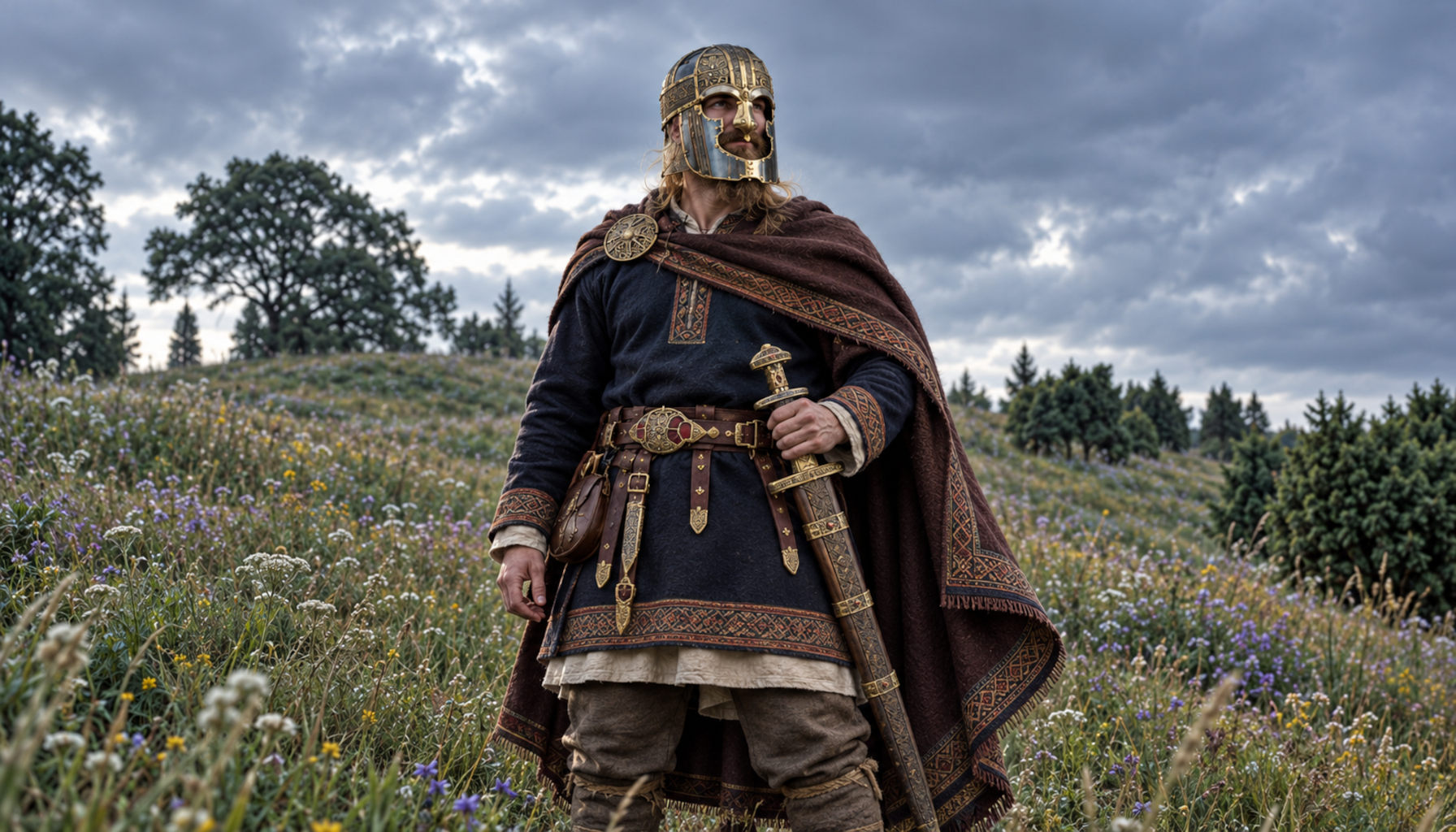
The Hamilton haplogroup tag I1a2a1a1a4 belongs to a wider paternal world seen in a range of ancient and early medieval samples across Europe. These are not claims of direct descent, but related or linked lines that help sketch the deeper background of the branch: Imperial Roman Serbia at Svilos Krusevlje (R6693), Gothic Period Serbia at Timacum Kuline Ravna Village (I15549) and Timacum Slog Necropolis (I15545), Longobard period Pannonia at Savaria Szeleste Barbaricum in Hungary (SZL028), a Thuringii-associated sample from Obermoellern in Germany (OBM005), and several Danish and Scandinavian-linked finds including Southern Sjaelland Praesto Endegaarde (CGG107416), Kalundborg Simonsborg (CGG106721), Vester Egesborg Vordingborg (CGG107507), Strandlunden II Gerlev (CGG106515), and Trundholm Mose (CGG106734). The same broader trail continues through Viking Age Sweden at Gorla in Stockholm (gor164), Viking Age Oland (VK337 and VK357), Anglo-Saxon Sedgeford in Norfolk (SED014), Migration Period Scitarjevo in Croatia (R3660), and Gothic Kecskemet-Mindszenti in Hungary (A181016). In other words, this haplogroup sits in a recognisably northern and Germanic archaeological horizon that later fed into the medieval societies of Britain, including the aristocratic world from which families like the Hamiltons emerged.
If you carry Hamilton ancestry, or simply suspect a link to this great Lanarkshire house, DNA can add another layer to the paper trail. Upload your results to MyTrueAncestry to see whether you match Clan Hamilton, the haplogroup I1a2a1a1a4, or related ancient DNA samples from the Roman, Gothic, Anglo-Saxon, and Viking worlds that help illuminate the deeper background of this remarkable family.
Comments