Clan Hannay

– 3 min read


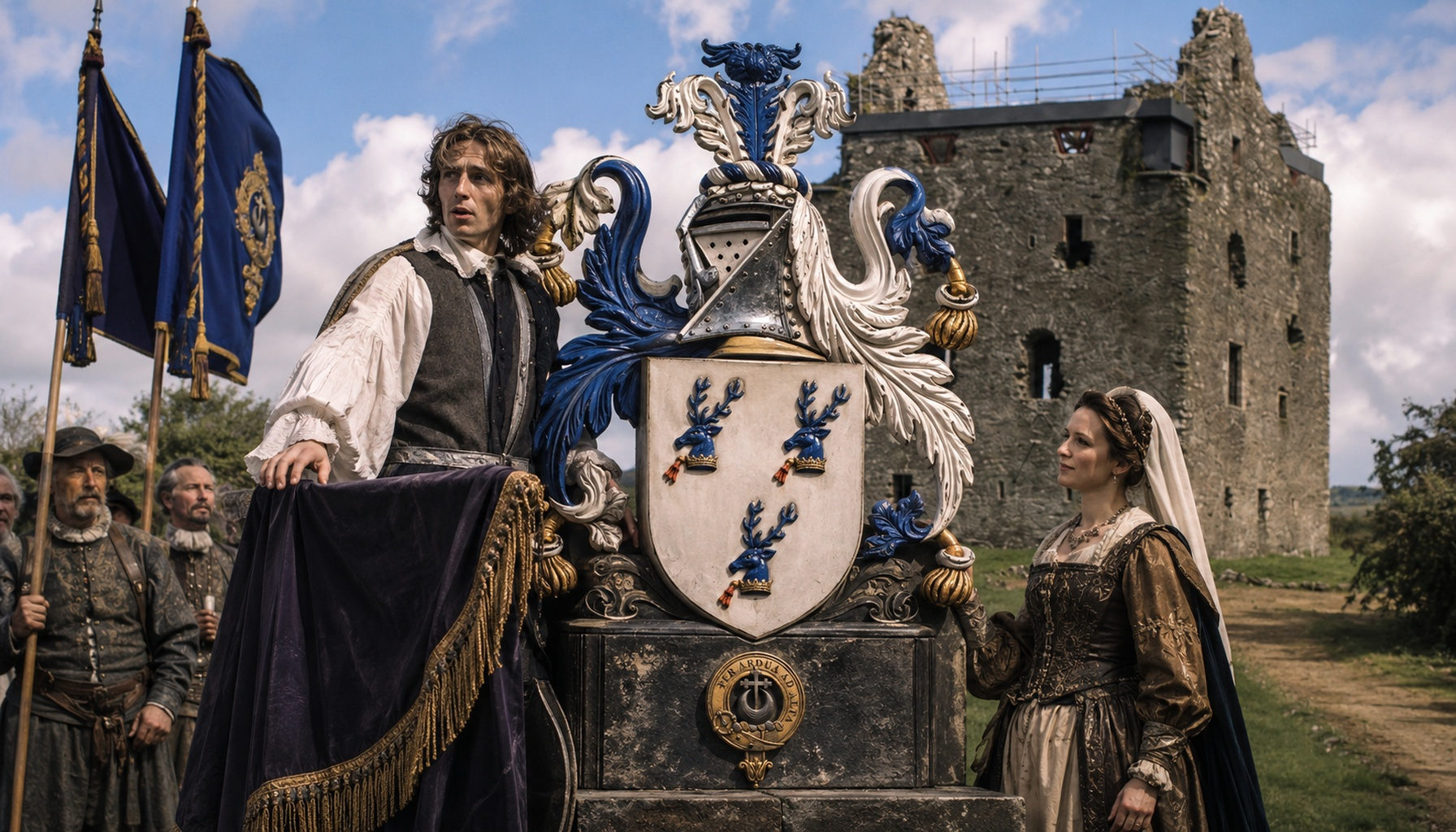
Clan Hannay was one of the old families of southwestern Scotland, rooted in Galloway and especially associated with Sorbie and the surrounding district in Wigtownshire. In the broad Border sense, the Hannays belong to that hard-edged world of local lordship, riding service, disputed loyalties, and fierce attachment to land that shaped so many Scottish clans and riding surnames. Their primary family haplogroup is tagged as I2a1b1a1a1a1a1a2a, a paternal line with deep prehistoric roots in the British Isles and wider northwestern Europe.
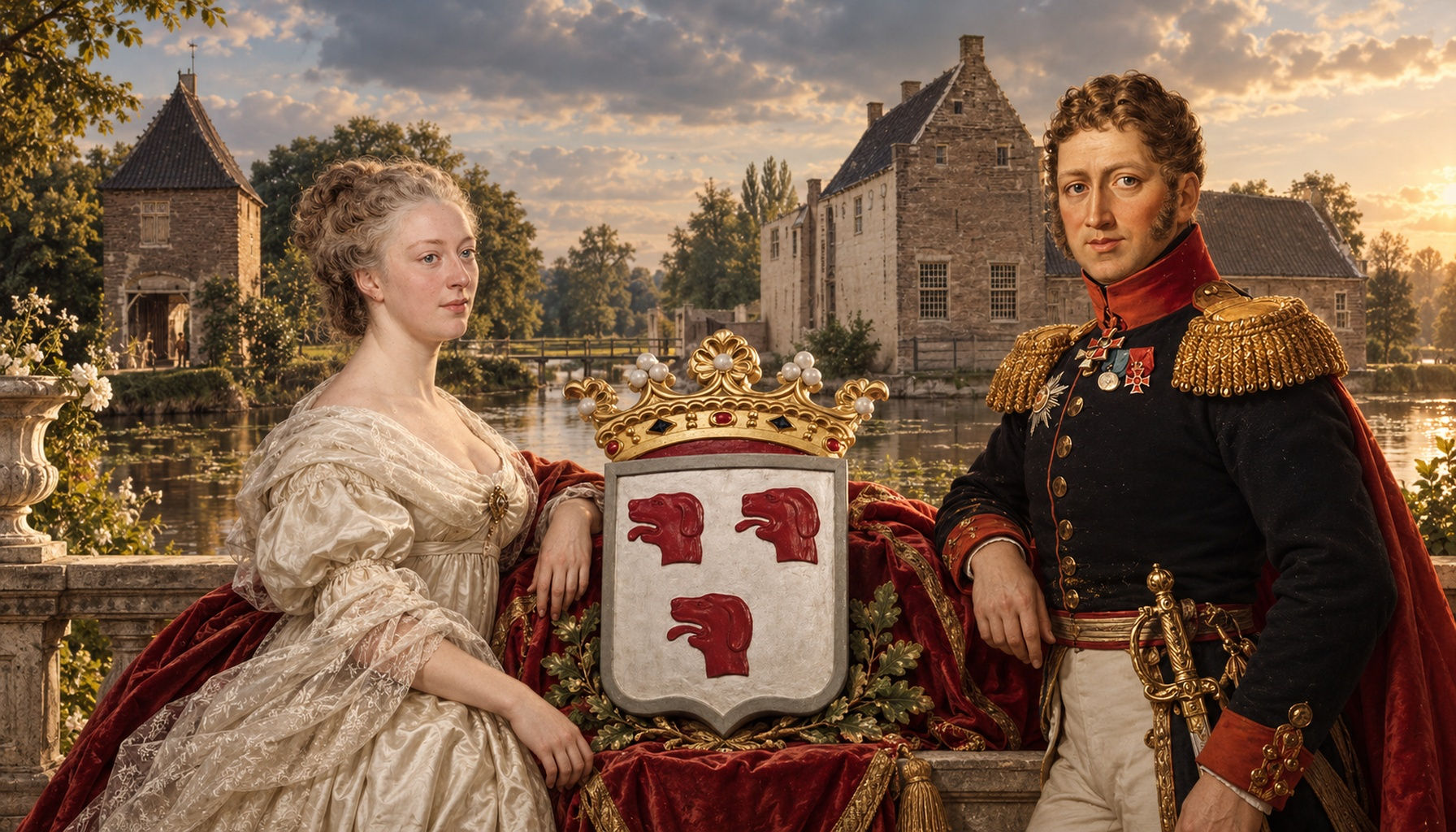
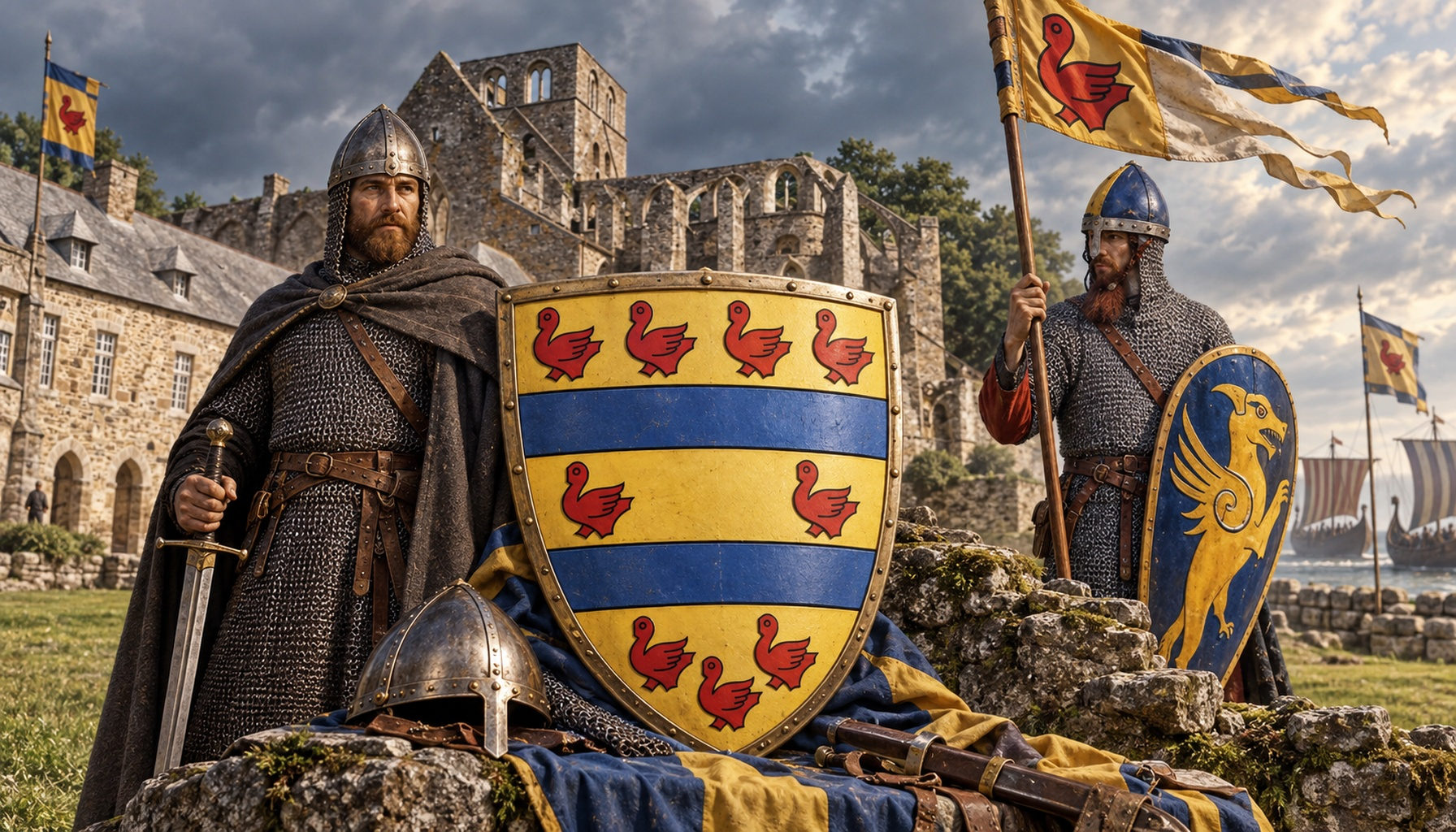
The family emerges in the records as a territorial kindred, the name itself tied to place and local standing. One early figure is Gilbert de Hannethe, recorded in 1296, a reminder that the family was already established by the later 13th century, when Scotland was being pulled into the storms of succession crisis and war with England. From there the Hannays developed through chiefship, landholding, military obligation, and the everyday business of authority on a frontier where politics was rarely tidy and peace was often temporary. By the 17th century we meet James Hannay, born in 1637, part of a later generation carrying the name through a changing Scotland of crown politics, religious upheaval, and migration. Heraldry, estate memory, and clan identity helped preserve that continuity even when the old Border order was fading.
Sorbie Tower is the great location anchor for Clan Hannay, and it still gives a vivid sense of how this family fitted into the landscape of Galloway. The tower stands near Garlieston in Dumfries and Galloway and is a 16th-century Scottish tower house, traditionally linked with the Hannays of Sorbie. In essence it is the kind of residence that tells you almost everything about Border and west-march life without needing a lecture: tall, defensive, practical, and meant to proclaim status while also surviving danger. The tower is built in the classic fortified style of its age, with thick walls and the vertical emphasis of a laird's strong house rather than a sprawling palace. It was damaged and altered over time, as so many such buildings were, but its surviving structure still speaks clearly of a family whose power rested on land, kinship, and readiness for trouble. Happily, Sorbie Tower can still be visited as a historic ruin, so for anyone tracing Hannay heritage it remains a very real place, not just a name in a genealogy.
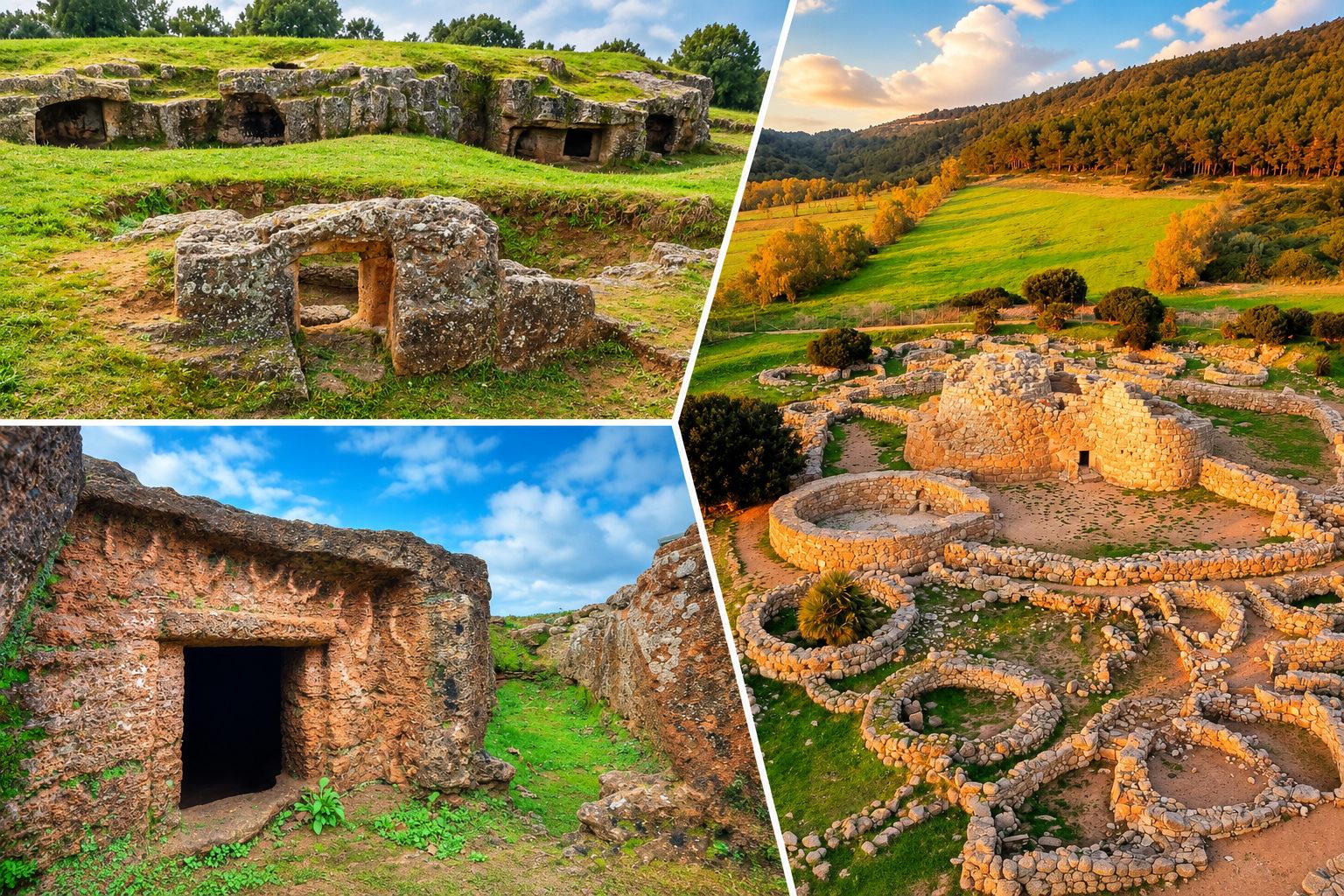
The Hannay primary haplogroup I2a1b1a1a1a1a1a2a also opens a window onto a much older human story. We cannot claim direct descent from ancient individuals without specific genealogical proof, but there are related or linked ancient DNA samples carrying nearby or relevant branches that help show the deep time background of this paternal line. These include Medieval England Augustinian Friars sample ATP_PSN_527, Celtic Briton Cliffs End Farm England sample I14866, Neolithic Wales Orchid Cave Denbighshire sample I16491, Iron Age East Lothian Scotland sample I16418, MacAurthur Cave Oban Argyll and Bute Scotland sample I2657, Bell Beaker Wiltshire Upavon England sample I4949, Ancient Carrowmore Ireland sample car004, and Pabay Mor Isle of Lewis Scotland sample I2655. Taken together, these linked samples sketch a remarkably wide arc across Britain and Ireland, from Neolithic cave burials and Bell Beaker communities to Iron Age and medieval individuals. That does not make them Hannays, of course, but it does place the clan's haplogroup within a long and deeply rooted insular story.
If you carry Hannay ancestry, or suspect roots in Galloway and the old southwestern Border world, DNA can add another layer to the paper trail. Uploading your results to MyTrueAncestry lets you see whether you match Clan Hannay, its haplogroup I2a1b1a1a1a1a1a2a, or related ancient DNA samples from Britain and Ireland that help illuminate the deeper past behind the family story.
Comments