Clan Maxwell
– 3 min read


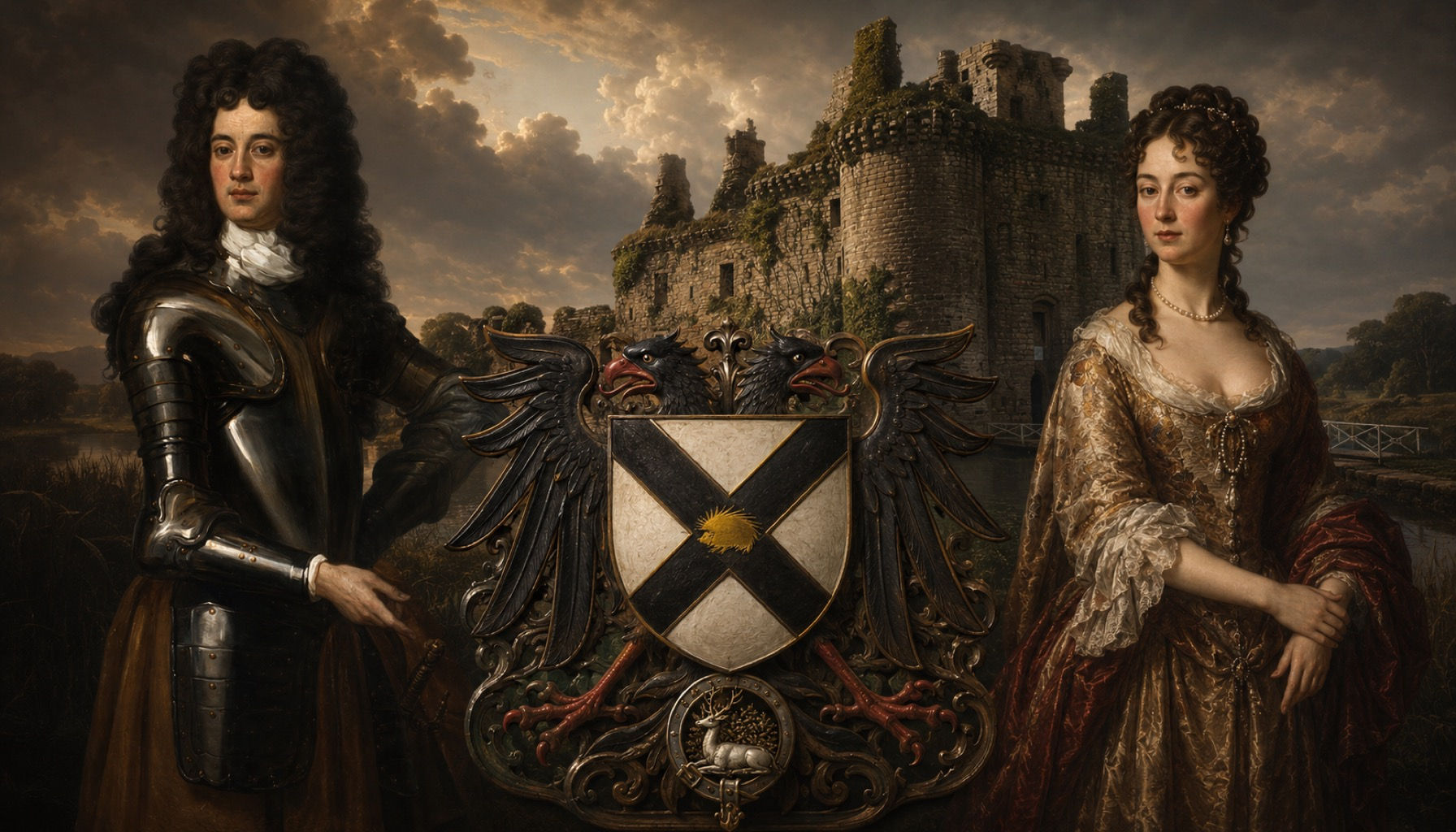
Clan Maxwell was one of the great families of the Scottish Borders, rooted above all in Dumfriesshire and the hard political world of the Anglo-Scottish frontier. This was not a clan made famous only by tartan memory or romantic hindsight. The Maxwells were landholders, castle-builders, royal servants, military leaders, and magnates whose strength came from territory, marriage, office, and their ability to hold power in a region where authority was always being tested. In genetic tagging terms, the primary family haplogroup linked here is R1b1a1b1a1a1f1, a branch within the wider paternal line so common in much of western Europe.
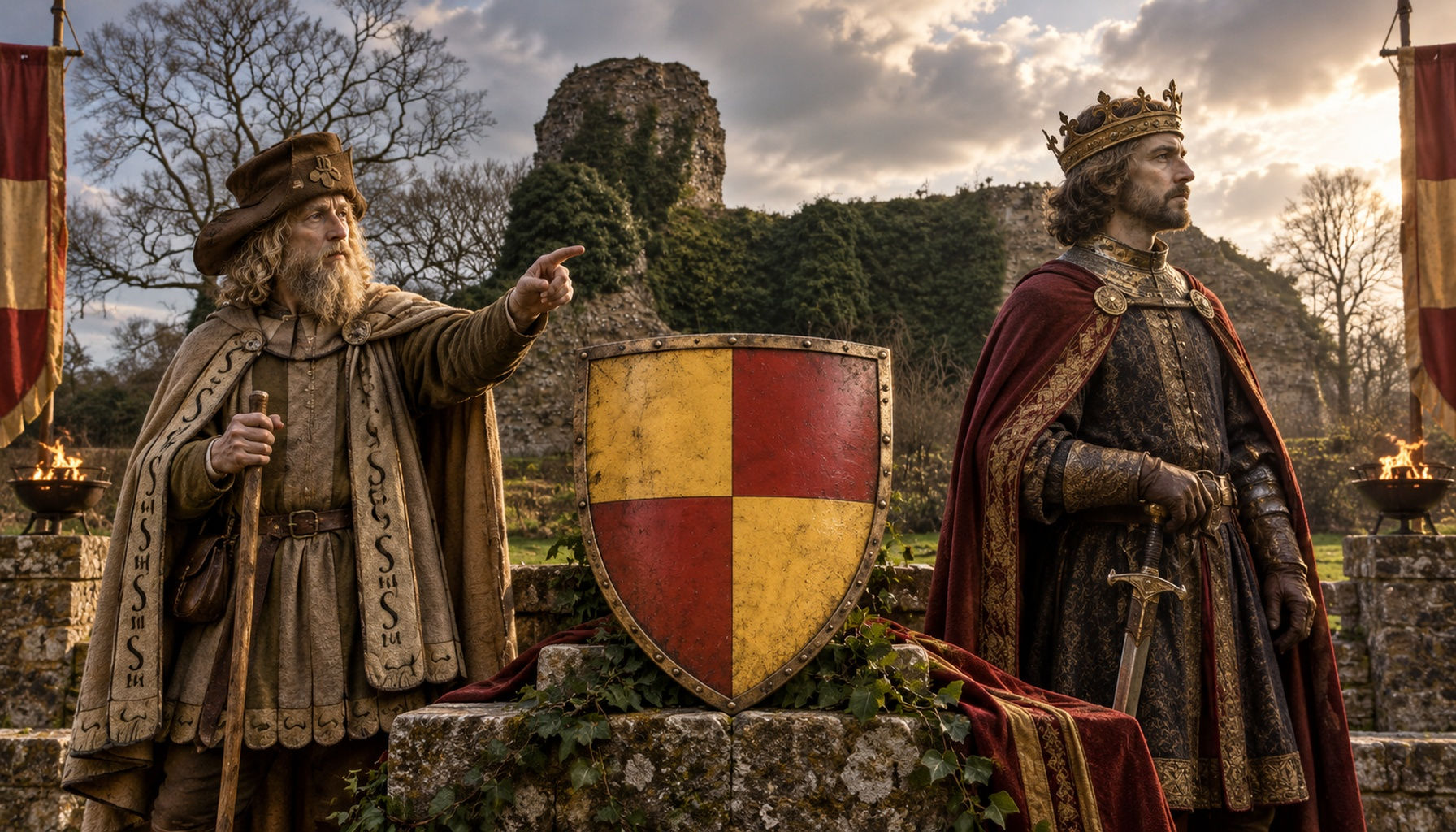
The surname itself is generally taken from place, from lands called Maccuswell or Maxwell near the River Tweed in the old kingdom of Roxburghshire, before the family's real weight shifted southwest into Dumfriesshire. That movement matters, because it places the family in the historical pattern of medieval Scotland: a local territorial name becoming the badge of a much larger political house. Early figures such as Maccus in 1120 hint at the deep roots of the name, while Sir Herbert Maxwell, recorded in 1296, stands in the more documented age of fealty rolls, wars, and hardened frontier loyalties. Over time the Maxwells rose into lordship and noble rank, gaining prestige through royal favor and marriage alliances, while also becoming locked in the fierce rivalries that made Border history so combustible.
Read more about Clan Johnstone
If one place anchors Maxwell memory, it is Caerlaverock Castle in Dumfries and Galloway. Set near the Solway Firth, the castle is one of the most striking medieval fortresses in Scotland, famous for its unusual triangular plan, broad moat, twin-towered gatehouse, and commanding situation in the marshy border lowlands. The site began as a Maxwell stronghold and later developed into the great seat of the Lords Maxwell, making it less a mere residence than a statement of regional power. Caerlaverock was drawn directly into national conflict, most famously during the siege of 1300 by Edward I of England, an episode celebrated in the heraldic poem known as the Roman de Rou. What survives today still conveys that mixture of elegance and menace that Border lordship required: defensive water, high walls, and a theatrical entrance meant to impress friend and enemy alike. It remains a major historic monument and can still be visited today, which is perhaps the best way to understand the Maxwells - not as an abstract pedigree, but as a family whose authority was built in stone on contested ground.
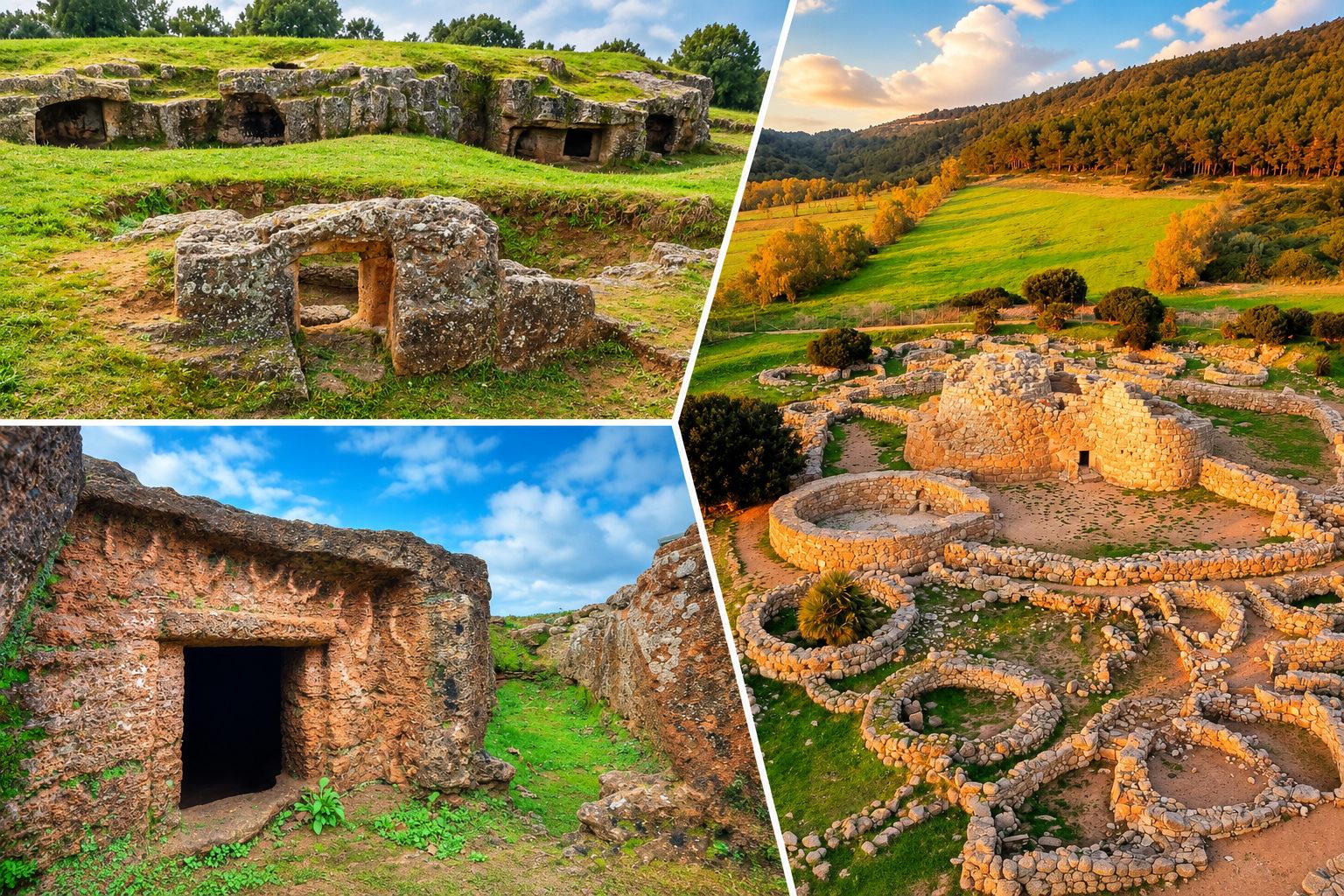
The haplogroup tag R1b1a1b1a1a1f1 links Clan Maxwell heritage into a much broader ancient DNA landscape across Britain and Europe. That does not prove direct descent from any excavated individual, but it does place the family within a long paternal story visible in related samples from Iron Age, Roman, early medieval, and later contexts. Particularly interesting for a Border clan are linked samples from Pict-era Scotland at Rosemarkie Cave on the Black Isle, medieval England at Cherry Hinton and Cambridge St Johns Hospital, Celtic and late Iron Age Britain such as Durotriges England Duropolis Winterborne Kingston (WBK106) and Ham Hill Fort Somerset (I19653), and deeper Bronze Age examples from France, Bohemia, Germany, and the Low Countries such as SMGB54, BRE445FK, LEU040, LEU065, LEU007, VLI092, and I12902. The same branch also appears in a remarkably wide spread of later European contexts, from medieval northern Spain and Portugal to Anglo-Saxon England, Viking Age Sweden, Carolingian Belgium, and beyond. In other words, the Maxwell haplogroup sits comfortably in the old northwestern European world from which the medieval Border nobility emerged.
Maxwell history is about more than a surname. It is about frontier lordship, castles, heraldry, warfare, family ambition, and the stubborn afterlife of memory in the Scottish Borders. If you have Maxwell ancestry, or simply suspect a connection to Border families, you can upload your DNA to MyTrueAncestry and see whether you match Clan Maxwell or any of the related ancient DNA samples tied to haplogroup R1b1a1b1a1a1f1.
Comments