The Noble House of Noel
– 3 min read


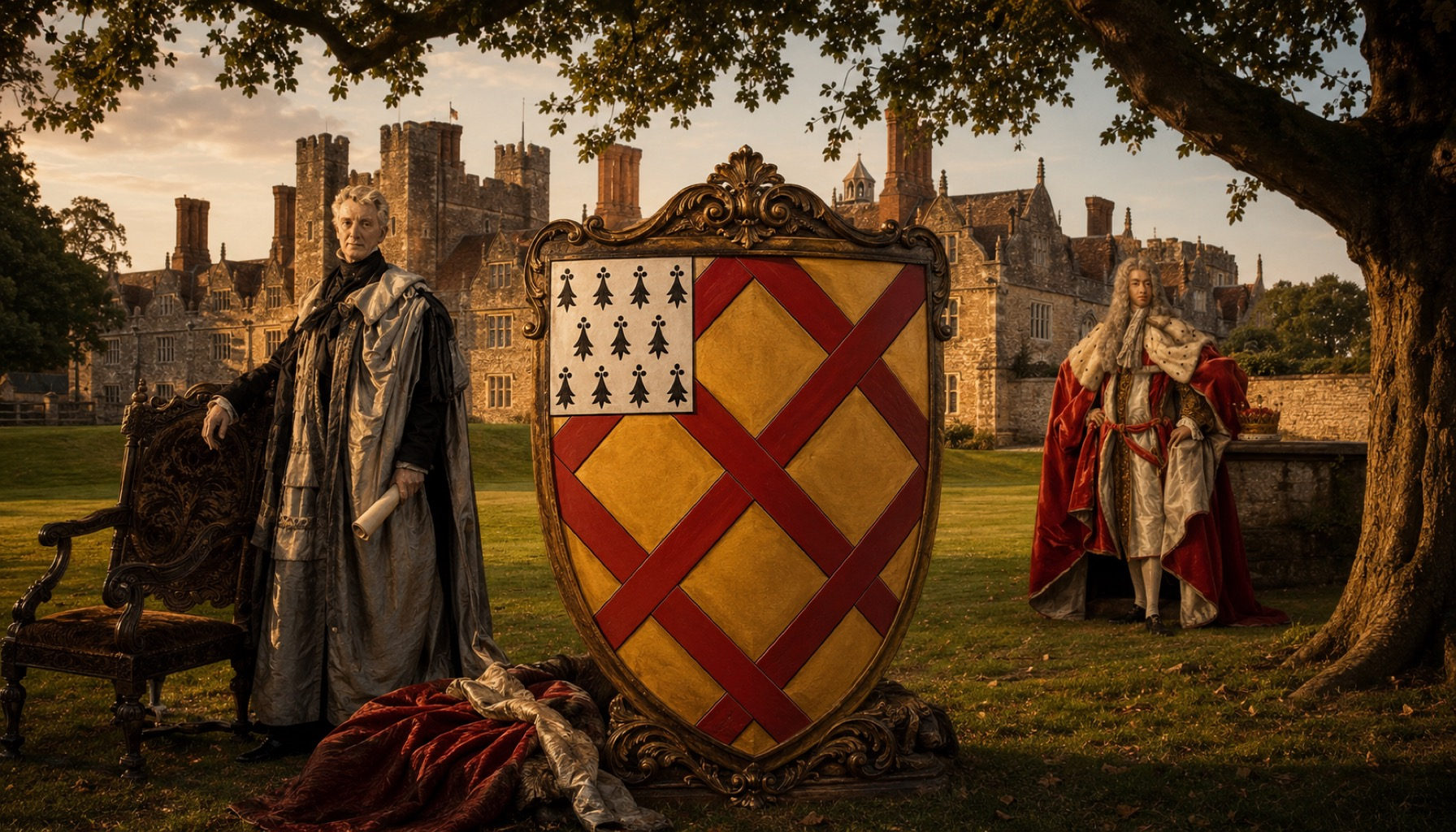
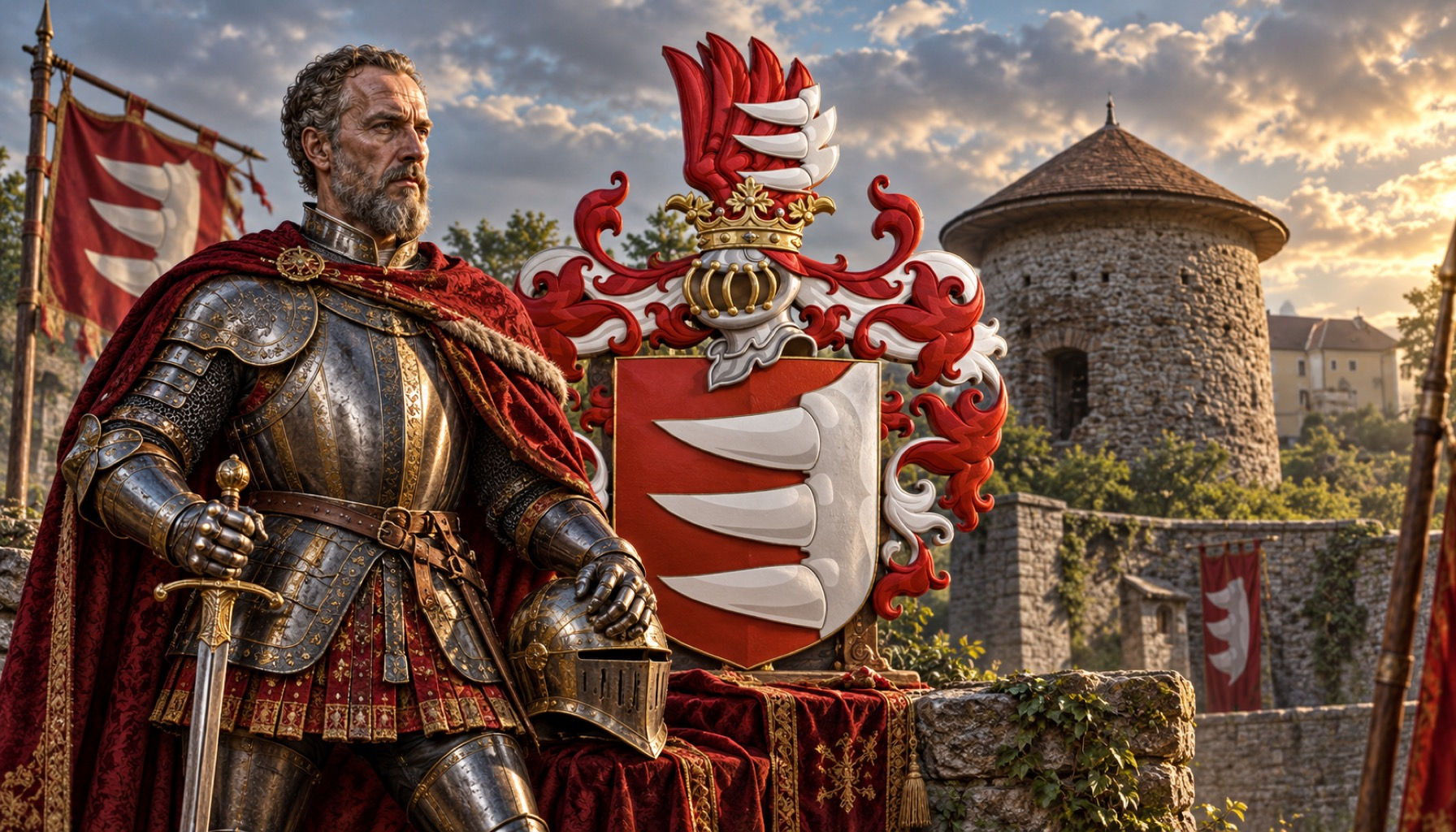
The Noel family was an English noble and landed house whose standing rested on a very recognisable pattern in English history: land, office, marriage, heraldry, parliamentary service, and the steady preservation of family name across generations. In that world, reputation was never just about old blood. It depended on managing estates, serving Crown and county, and converting local influence into titled rank. The primary haplogroup associated here is R1b1a1b1a1a2b3c, a West European paternal line with deep roots in Britain and the wider Atlantic and continental world.
The family emerged within the historic fabric of post-Conquest England, where local lordship and royal service shaped the fortunes of ambitious houses. A figure such as Robert Noel, recorded in 1066 tradition, places the name in that formative age when Norman rule, land redistribution, and feudal obligation were remaking England. Over the centuries, the Noels developed through landed continuity and advantageous alliances into a house associated with titled branches, aristocratic identity, and public duty. Their heritage belongs to that enduring English noble story in which estates and service went hand in hand, and where a family could maintain prestige not merely by inheritance, but by being visibly useful to the state.
Explore the Noble House of Gage
A useful location anchor for thinking about Noel heritage is Knole in Sevenoaks, Kent, one of the great surviving English country houses and a place that perfectly captures the world in which noble families operated. Knole began as an archiepiscopal residence of the Archbishops of Canterbury and was transformed over centuries into a vast house set within an extraordinary deer park. It later became famously associated with the Sackville family, but as a historical reference point it tells us something important about aristocratic England as a whole: these houses were not just homes, but political theatres, symbols of continuity, repositories of art, and statements of lineage made in brick, stone, and landscaped ground. Knole still survives in remarkable condition, with its great ranges, courtyards, collections, and parkland, and it can indeed still be visited today, which makes it an unusually vivid way to imagine the estate culture that shaped families such as the Noels.
Explore the Noble House of Lascelles
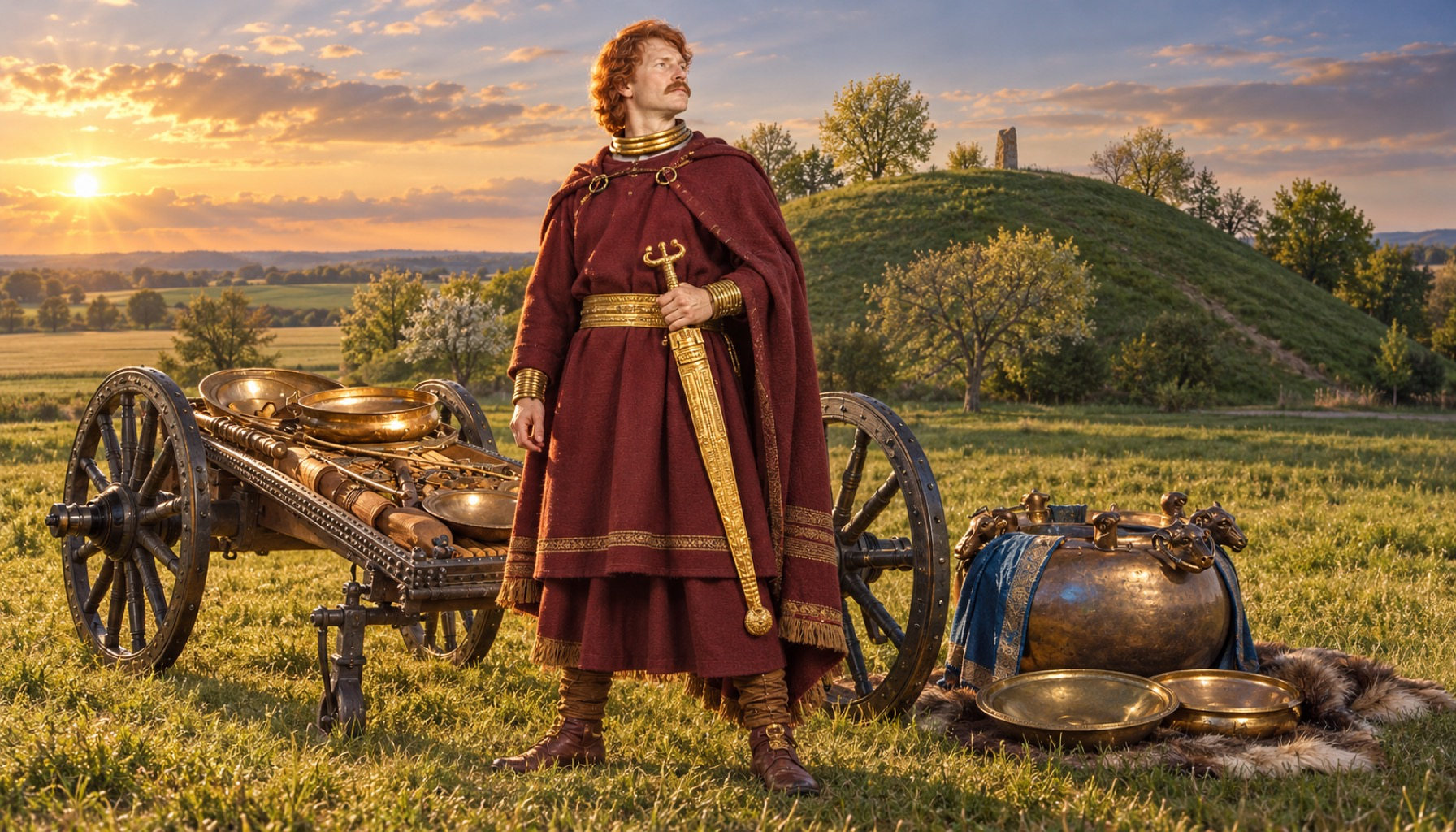
The Noel haplogroup tag here is R1b1a1b1a1a2b3c, and while no claim of direct descent should be made from ancient samples to the historical Noel family without specific proof, there are many related or linked ancient DNA finds that help place this paternal line in a much longer European story. That linked trail includes Iron Age and Romano-British Britain, such as the Celtic Durotriges samples from Duropolis at Winterborne Kingston including WBK36, WBK39, and WBK35, the Roman Era Fenstanton Cambridgeshire sample FEN008, and later medieval English material such as ATP_PSN_1217 from Clopton, Cambridgeshire. Beyond England, the same linked branch appears in a broad arc stretching through Celtic and post-Celtic Europe: Elite Celtic burials at Asperg-Grafenbuehl and Ludwigsburg Roemerhuegel in Germany, Belgic and Gallic contexts in France, Bell Beaker and Bronze Age finds in the Low Countries and Iberia, and medieval samples from Spain such as Las Gobas ldo066, ldo037, ldo048, and ldo062. In other words, the haplogroup associated with House Noel sits comfortably inside a deep pattern of western European ancestry tied to Bronze Age expansions, Iron Age Celtic worlds, Roman provincial populations, and the medieval societies out of which noble English houses eventually emerged.
Read more about the Noble House of Noel
If you are curious whether your own DNA might connect with the Noel story, or with the wider network of R1b1a1b1a1a2b3c-linked ancient individuals from Britain and continental Europe, you can upload your DNA to MyTrueAncestry and compare your results against historical families and ancient samples. It is a fascinating way to see whether your roots echo the same long threads of estate society, migration, and deep European ancestry that helped shape the world of the Noels.
Comments