The Noble House of Noel
– 3 min read


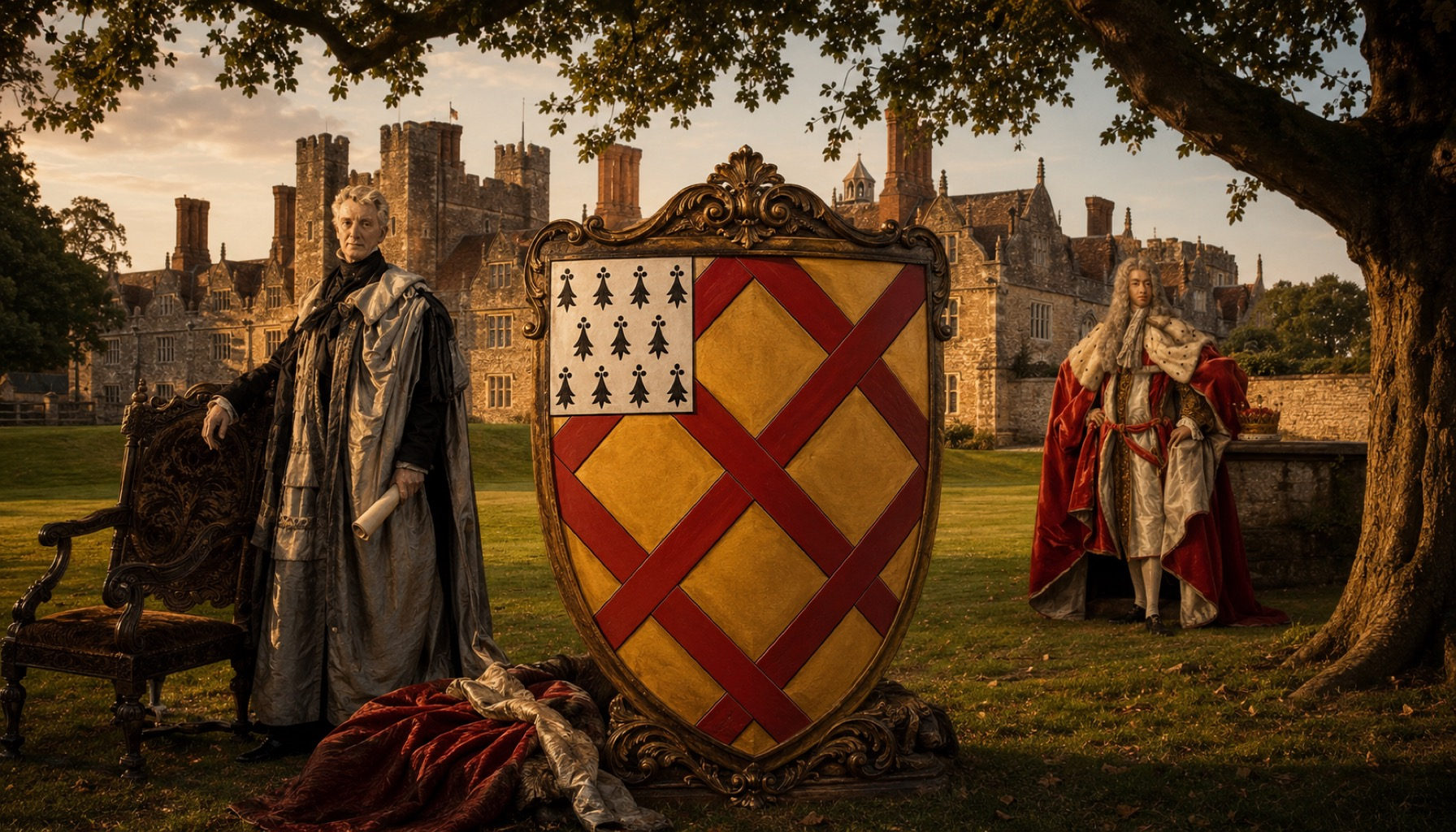
The Noel family was one of those English noble and landed houses whose story sits right at the heart of how aristocratic England worked: land, office, marriage, reputation, title, and continuity. In broad historical terms, House Noel belongs to that familiar pattern of the English ruling class, where inherited estates were not just sources of wealth but anchors of identity, influence, and public duty. Over generations the family advanced through landholding, advantageous alliances, parliamentary life, and service to crown and country, building a name that endured well beyond any one individual. The haplogroup linked here as the primary family marker is R1b1a1b1a1a2b3c, a lineage with deep roots across western and central Europe and one often associated, in broad population terms, with the long formation of later Celtic, Romano-British, and medieval western European paternal lines.
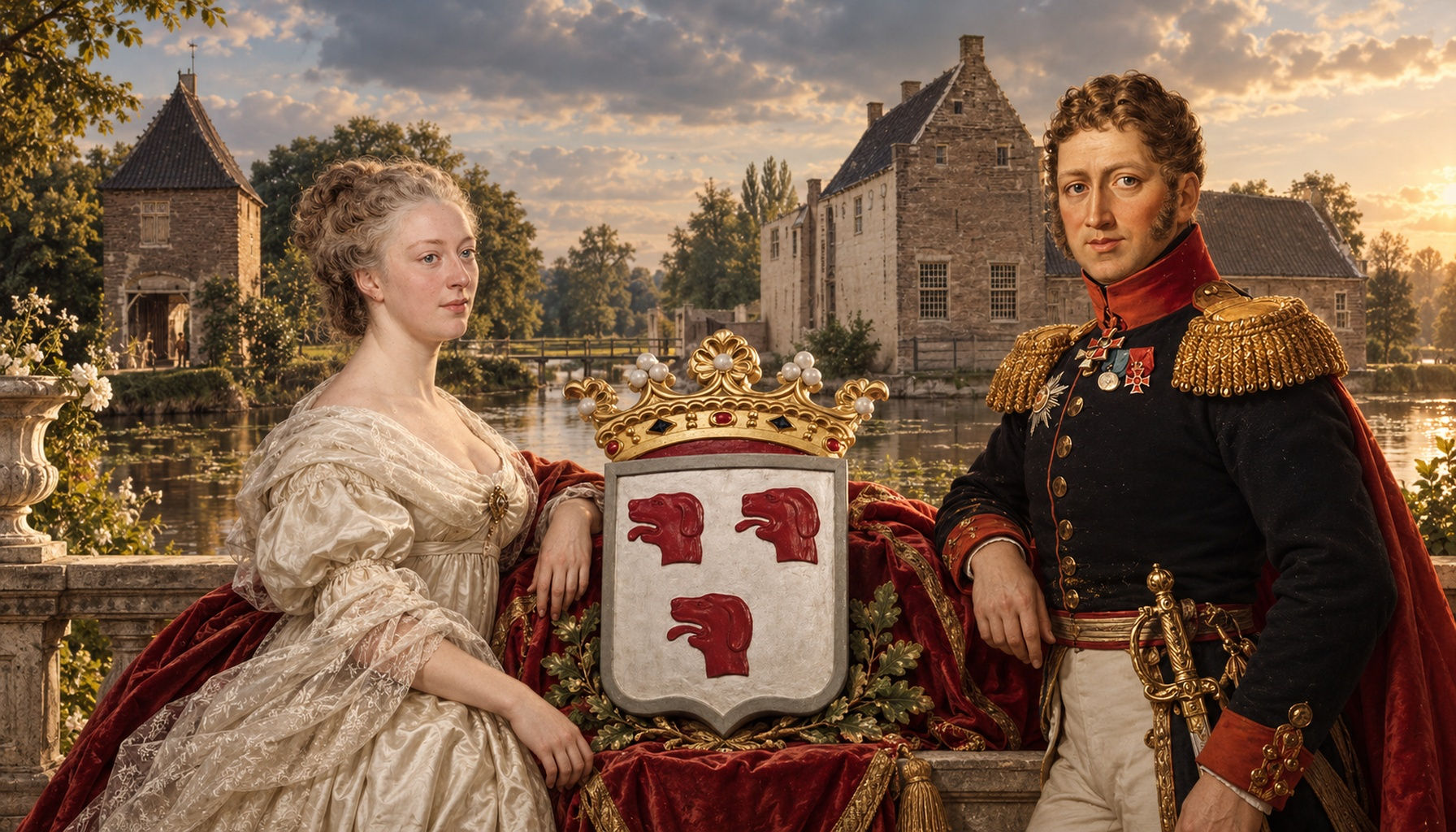
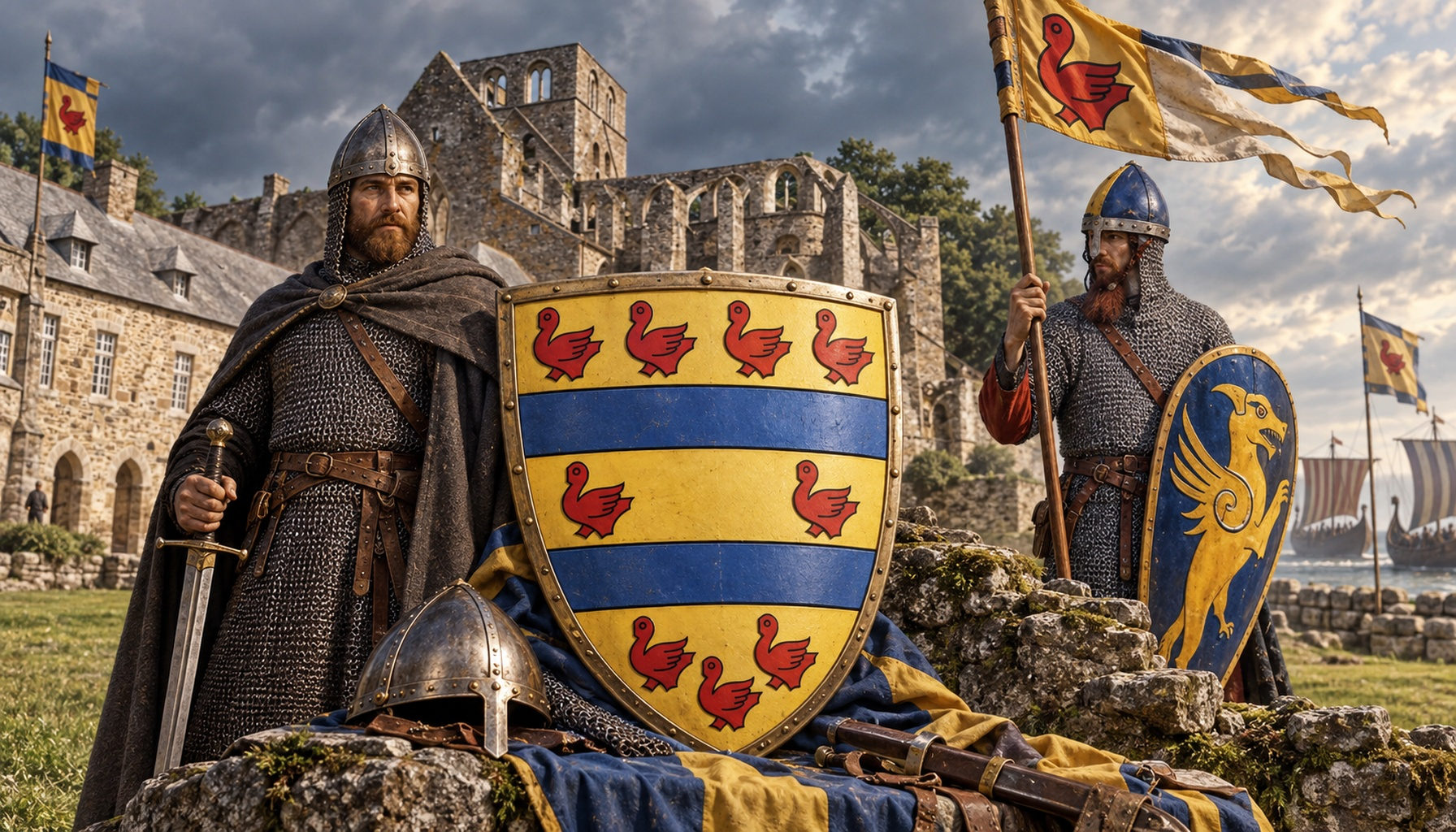
As with many noble houses, the Noel story is not really about a single dramatic founder so much as a steady accumulation of status across centuries. The family emerged from the world of post-Conquest England, where land, loyalty, and service created new local powers and reshaped older ones. A figure such as Robert Noel, placed here in 1066, belongs to that formative age when the Norman Conquest and its aftermath reordered property, lordship, and political opportunity. From those beginnings, the Noels developed into a house associated with titled branches, heraldry, estate identity, and aristocratic continuity. Their prestige rested not simply on noble style, but on that very English combination of inherited property and visible service to the state.
A useful location anchor for thinking about Noel heritage is Knole, one of the great historic houses of England, in Sevenoaks, Kent. Knole began as an archiepiscopal palace and developed over centuries into a vast and layered country house, famous for its courtyards, state rooms, long history of elite ownership, and enormous deer park. It is one of those places where the architecture itself seems to preserve the social history of the English upper ranks: church power, court culture, noble residence, political society, and estate grandeur all folded into one site. Though Knole is especially associated in later history with the Sackville family, it helps illustrate the kind of estate world within which houses like Noel operated and defined themselves: not merely owning land, but inhabiting a landscape of rank, ceremony, patronage, and continuity. Better still, Knole can still be visited today, which makes it a very tangible way to understand the environment of England's landed nobility rather than treating it as something abstract and vanished.
The Noel family's linked haplogroup, R1b1a1b1a1a2b3c, belongs to a much older European paternal story, and ancient DNA gives that background real texture. Related or linked samples under this branch appear across a remarkably wide historical map: Celtic Durotriges individuals from Duropolis at Winterborne Kingston in England such as WBK35, WBK36, and WBK39; a Roman era sample from Fenstanton, Cambridgeshire, FEN008; late medieval England at Clopton, ATP_PSN_1217; early medieval Sussex at Bishopstone, I14535; and Iron Age, Roman, medieval, and migration-period individuals from Spain, France, the Low Countries, Germany, Hungary, Italy, Denmark, Ireland, and beyond. Particularly striking are the medieval and dark age Las Gobas samples from northern Spain, including ldo066, ldo037, ldo048, and ldo062, alongside elite Celtic burials from Asperg-Grafenbuehl and Ludwigsburg Roemerhuegel in Germany, and deep Bronze Age examples such as LEU024 and LEU025 from Unetice-period Thuringia. None of this proves direct descent from any named ancient person, of course, and it should not be presented that way. What it does show is that the Noel-linked paternal line sits within a very old and well-attested western European genetic landscape, one that runs through Bronze Age, Celtic, Romano-British, early medieval, and later medieval populations before reaching the historical age of documented noble houses.
If the Noel story sparks your curiosity about noble lineage, estates, and the deeper ancient past behind family identity, you can explore your own connections by uploading your DNA to MyTrueAncestry. It is a lively way to place family history beside archaeology, history, and ancient DNA evidence, and to see how your own roots may connect with the wider human past.
Comments