Clan Leask

– 2 min read


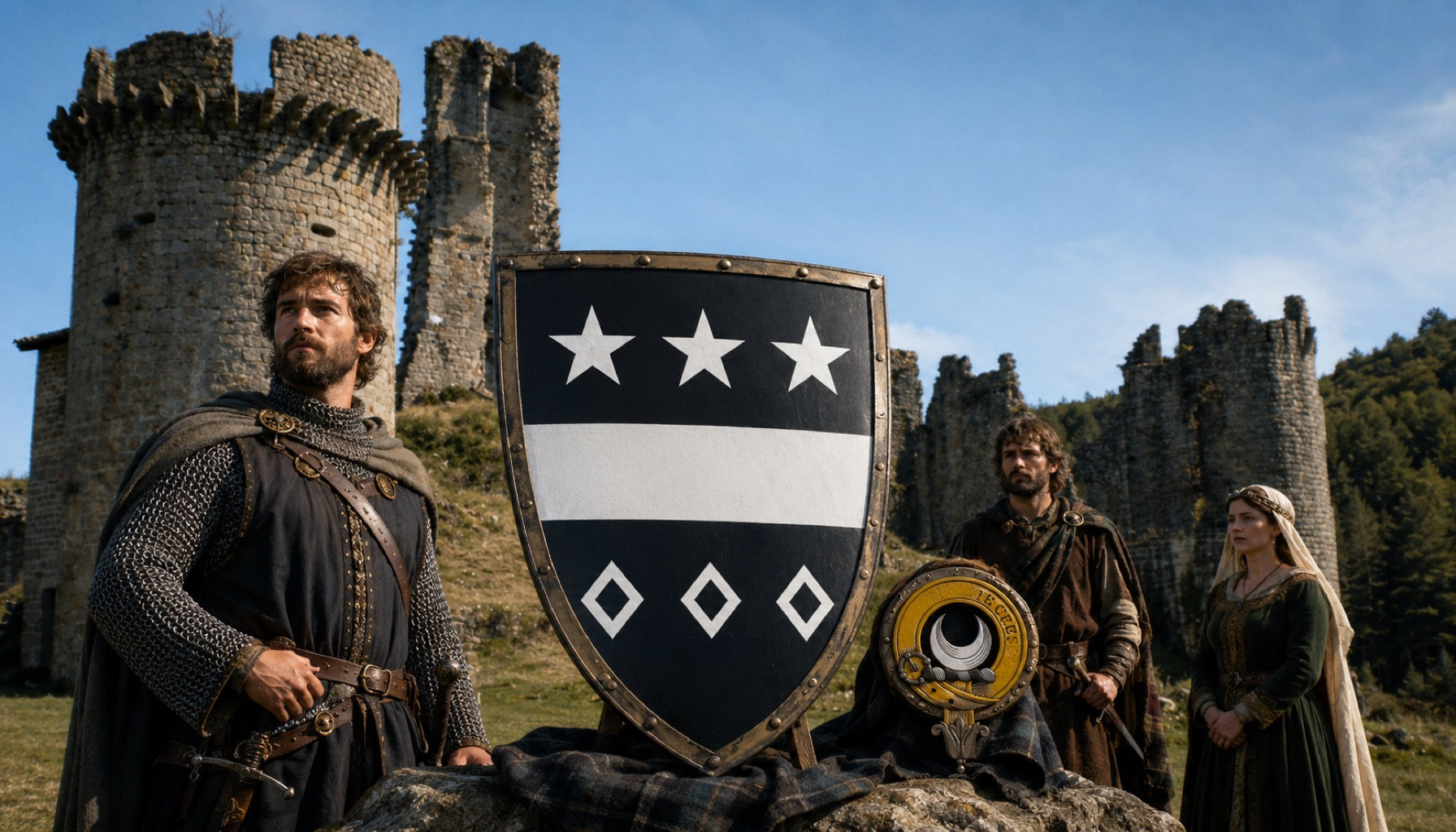
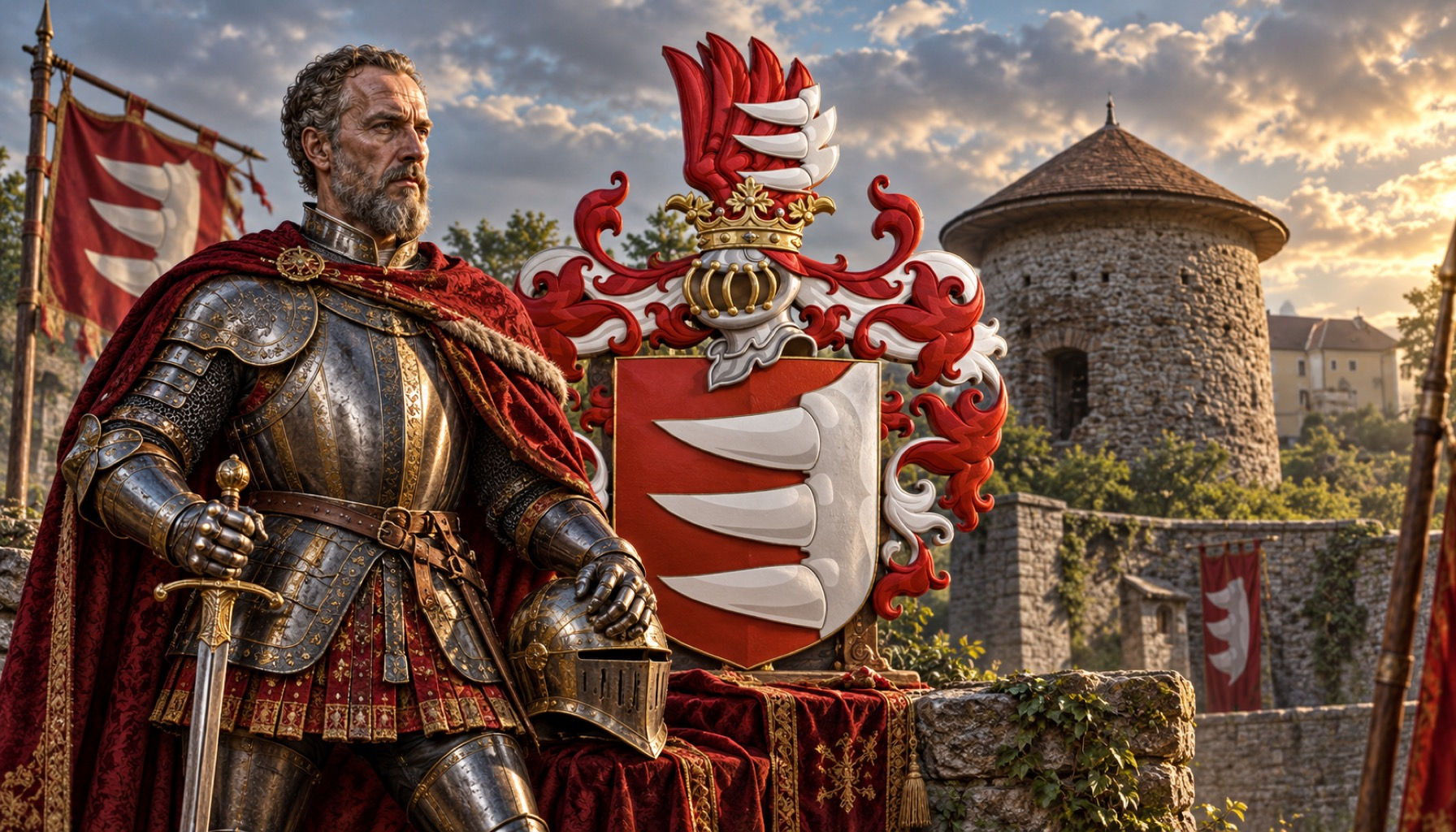
Clan Leask was one of the old landed families of northeastern Scotland, rooted above all in Aberdeenshire and remembered through estate, chiefship, heraldry, and long local service. In that very Scottish way, the family was not simply a surname drifting through time, but a territorial house tied to place, authority, and obligation. The Leasks belong to that broader pattern of regional clans whose identity grew out of landholding, public duty, and the steady work of maintaining status across generations. The primary haplogroup linked here is R1b1a1b1a1a2c1a5b1a1a2a1a, a paternal line widely found within the deeper genetic history of Britain and Ireland.
The surname is usually connected to the old lands of Leask in Aberdeenshire, and the earliest documentary traces place the family squarely in the medieval world of charter, homage, and lordship. One early figure, William de Laskereske, appears in 1296, a date that instantly drops us into the tense politics of late 13th-century Scotland, when landholders and local elites were being drawn into the orbit of Edward I and the struggles over the Scottish crown. From there the Leasks developed as a recognizable northeastern family: estate owners, local figures of consequence, and custodians of a heraldic memory that outlived many of the exact political arrangements that first gave it shape.
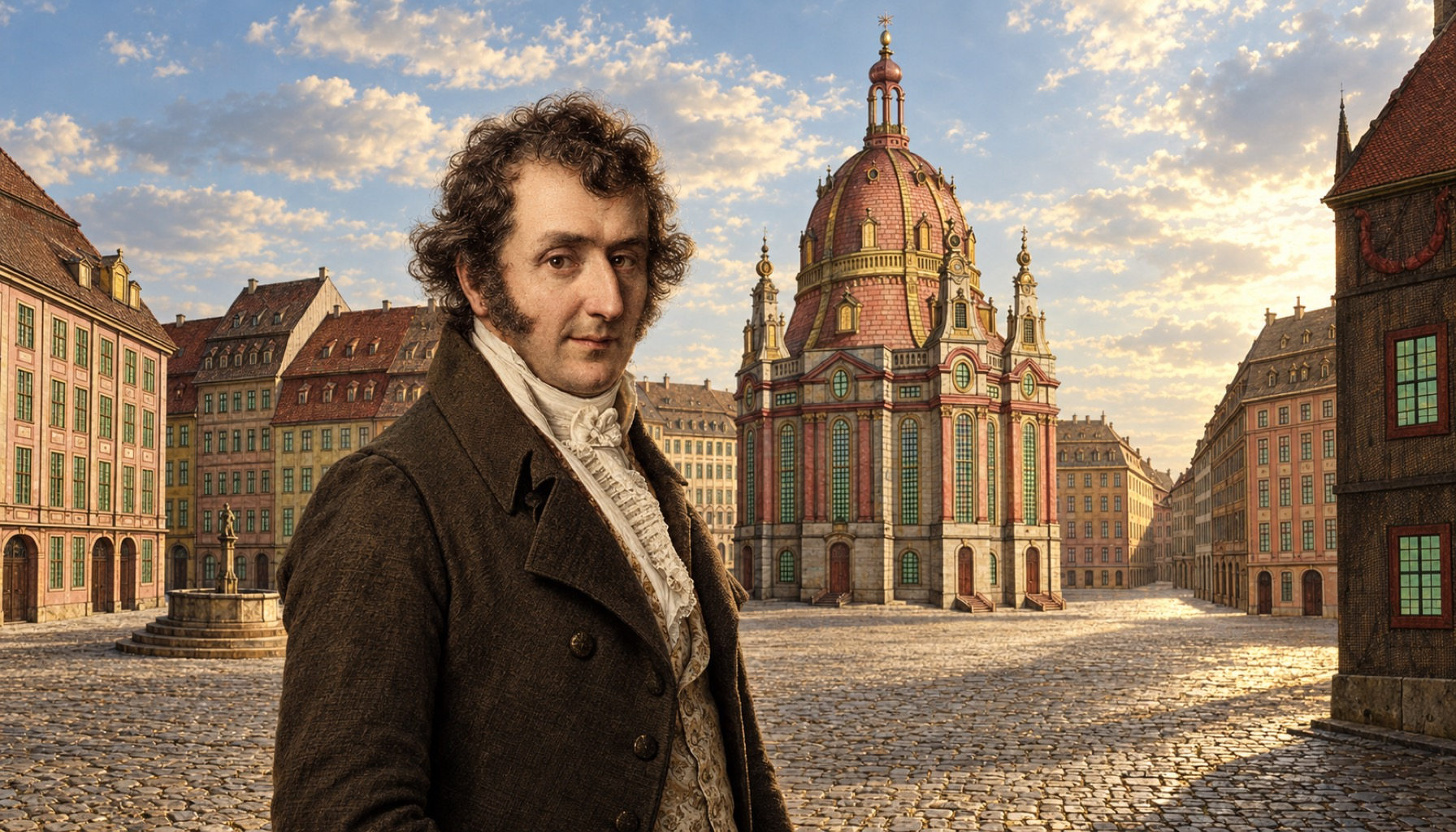
A richer historical backdrop to Leask origins also points across the Channel to Chateau de Boulogne, better known as the fortified site at Boulogne-sur-Mer in northern France. This was no random place on the map. Boulogne was a major medieval port facing England, a strategic hinge between the Continent and the British Isles, and a place repeatedly fortified, rebuilt, and fought over. The castle that stands there today largely reflects the 13th century, with substantial walls, towers, and a commanding position within the old upper town. In other words, it belongs to the same world of military architecture, lordship, and movement across the Channel that shaped so many families who later appear in Britain and Scotland. If Leask tradition remembers a connection to this setting, it places the family in a believable historic landscape of cross-Channel service, migration, and feudal opportunity. Better still, the site can still be visited today, as the castle of Boulogne-sur-Mer survives as one of the most striking historic monuments in the town.
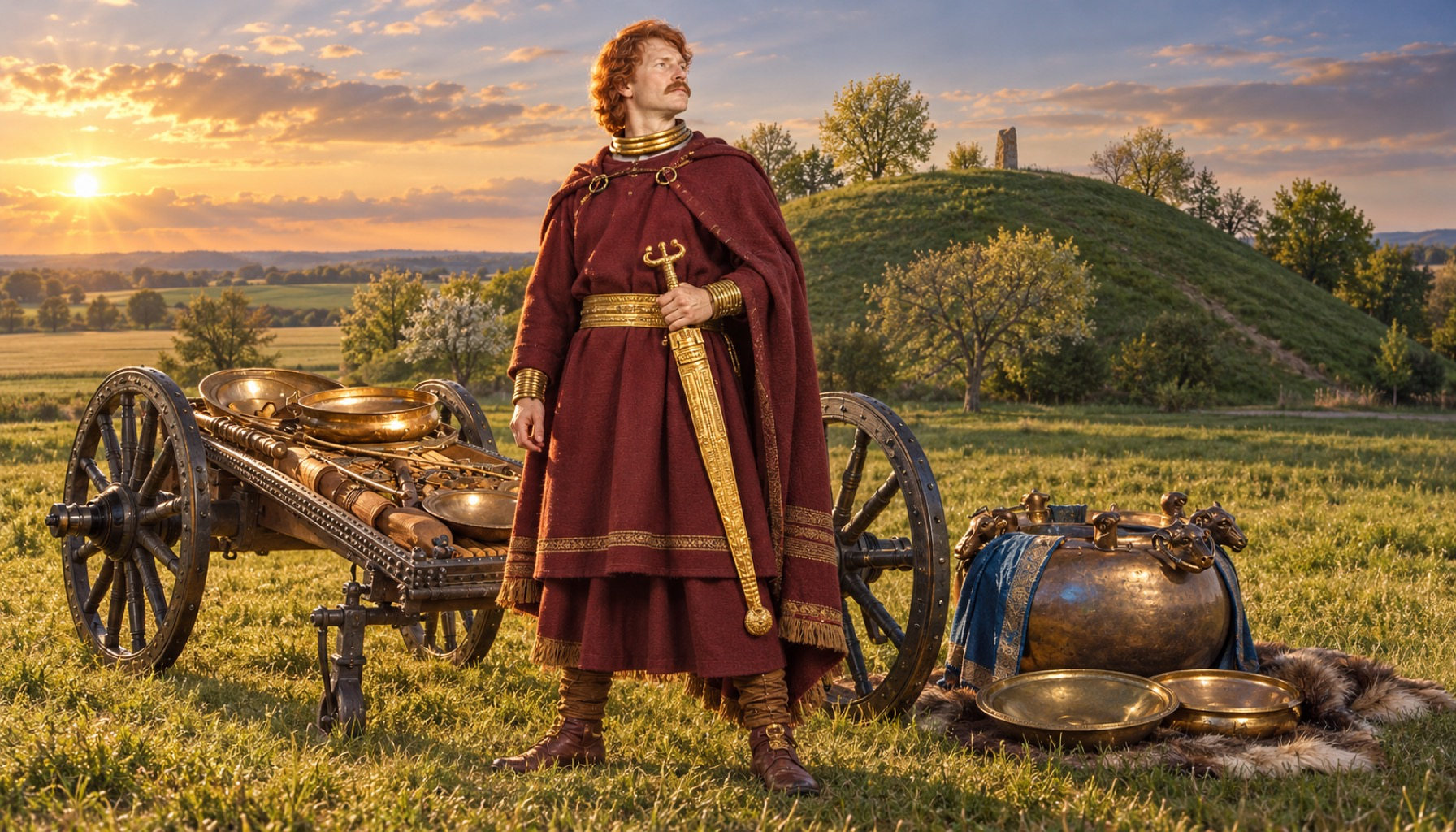
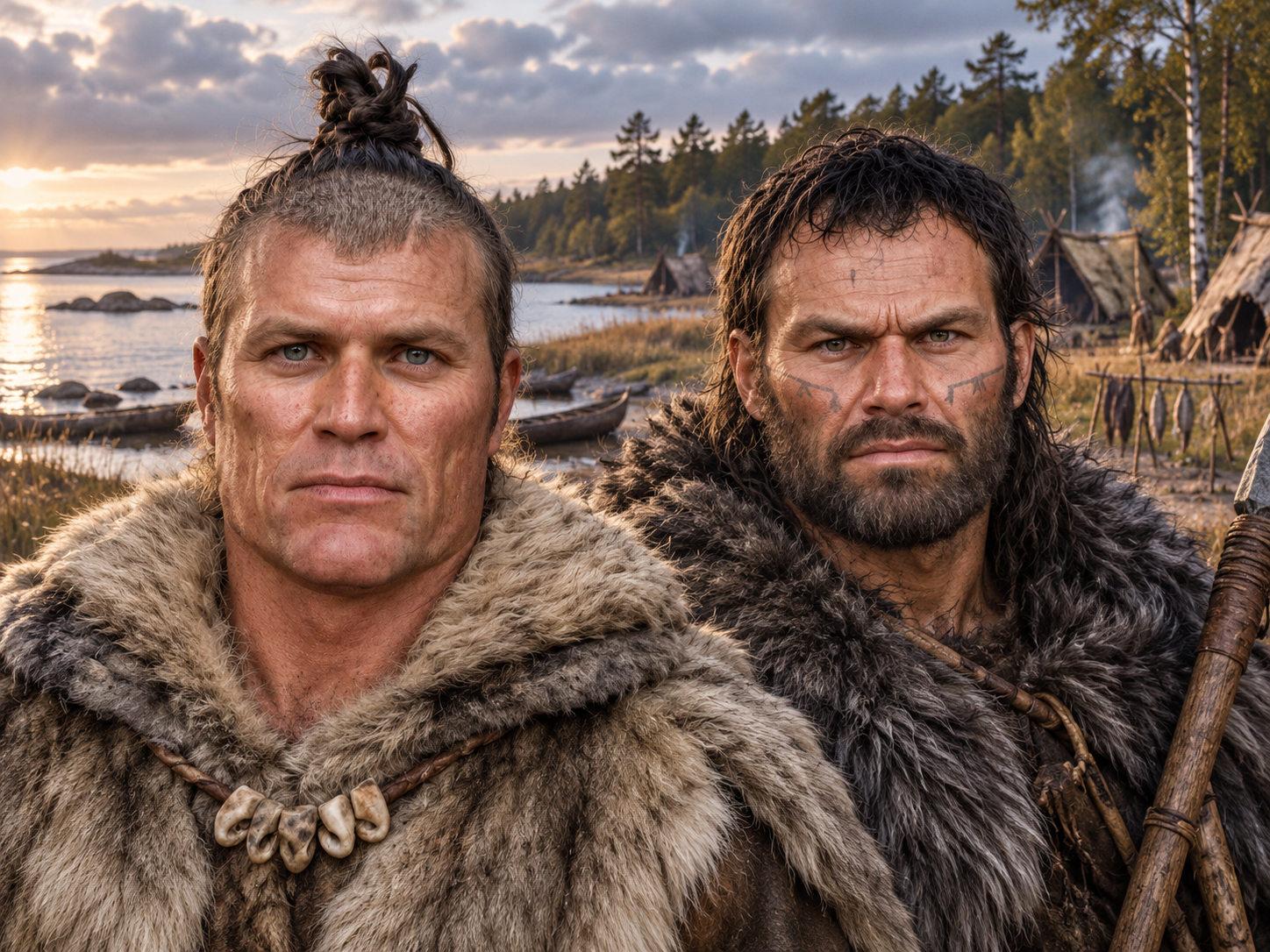
From the ancient DNA angle, the Leask-associated haplogroup R1b1a1b1a1a2c1a5b1a1a2a1a sits within a wider paternal story seen in Britain, Ireland, and the North Atlantic world. Related or linked samples include Early Anglo-Saxon West Heslerton, Yorkshire (I11586), Anglo-Saxon Oakington, England (OAI012), Celtic Briton individuals from Carsington Pasture Cave, Derbyshire (I12778 and I12775), Lechlade-on-Thames, Gloucestershire (I12783), Bradley Fen, Cambridgeshire (I11156), Iron Age Middle Wallop Suddern Farm (I16611), Iron Age Greystones Farm, Gloucestershire (I12785), Ireland Copper Age Rathlin1B, and the Danish-Gaelic Viking Age sample from Iceland (SSG-A2). These do not prove direct descent from any one ancient person to the Leask family. What they do show is a long, tangled, and rather fascinating background of related paternal lines moving through Iron Age Britain, Celtic-speaking communities, early medieval Anglo-Saxon England, Ireland, and the Viking-linked North Atlantic zone.
That is really the appeal of Clan Leask: a family anchored in Aberdeenshire, shaped by land and service, carrying memories of heraldry and chiefship, and now illuminated by the broader frame of genetics and archaeology. If you have Leask ancestry, or surnames from the same northeastern Scottish world, you can upload your DNA to MyTrueAncestry and see whether you match this family story or any of the related ancient DNA samples that help sketch its deeper past.

Comments