Clan Hepburn
– 3 min read


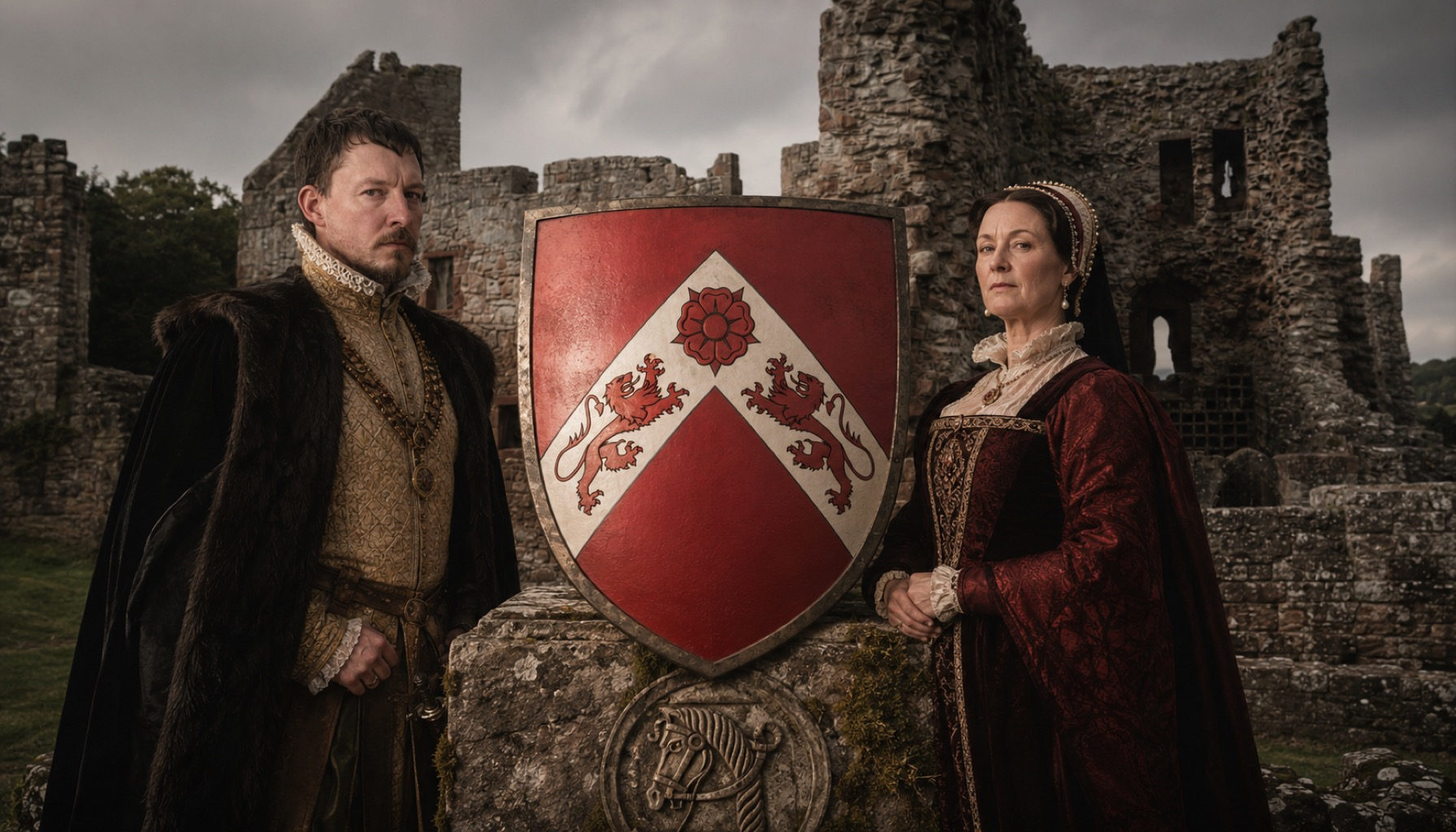
Clan Hepburn was one of the notable noble families of lowland Scotland, rooted above all in the Borders and East Lothian, and remembered for its close connection to castle lordship, royal service, and the dangerous theatre of late medieval politics. The family name is generally linked to the lands of Hepburn in East Lothian, and from that territorial base the Hepburns rose through the very familiar Scottish pattern of landholding, military usefulness, advantageous marriage, and access to the crown. Their primary family haplogroup is tagged here as R1b1a1b1a1a2c1a1f1a, a branch within the wider R1b line so often associated with western Europe.
What makes the Hepburn story so revealing is that it is not simply a tale of one family becoming grand. It is a window into how noble power worked in medieval Scotland: men who held land, fortified it, served in war, cultivated the favor of kings, displayed heraldic identity, and tried to turn local authority into national influence. The Hepburns did exactly that. By the fourteenth and fifteenth centuries they were firmly embedded in the political life of the kingdom, and figures such as Sir Patrick Hepburn, noted in 1388, stand at the beginning of the family as a clearly visible force in the record. In time the clan would be associated with titles, estates, and some of the most dramatic rewards and reversals that came from standing too near the Scottish crown.
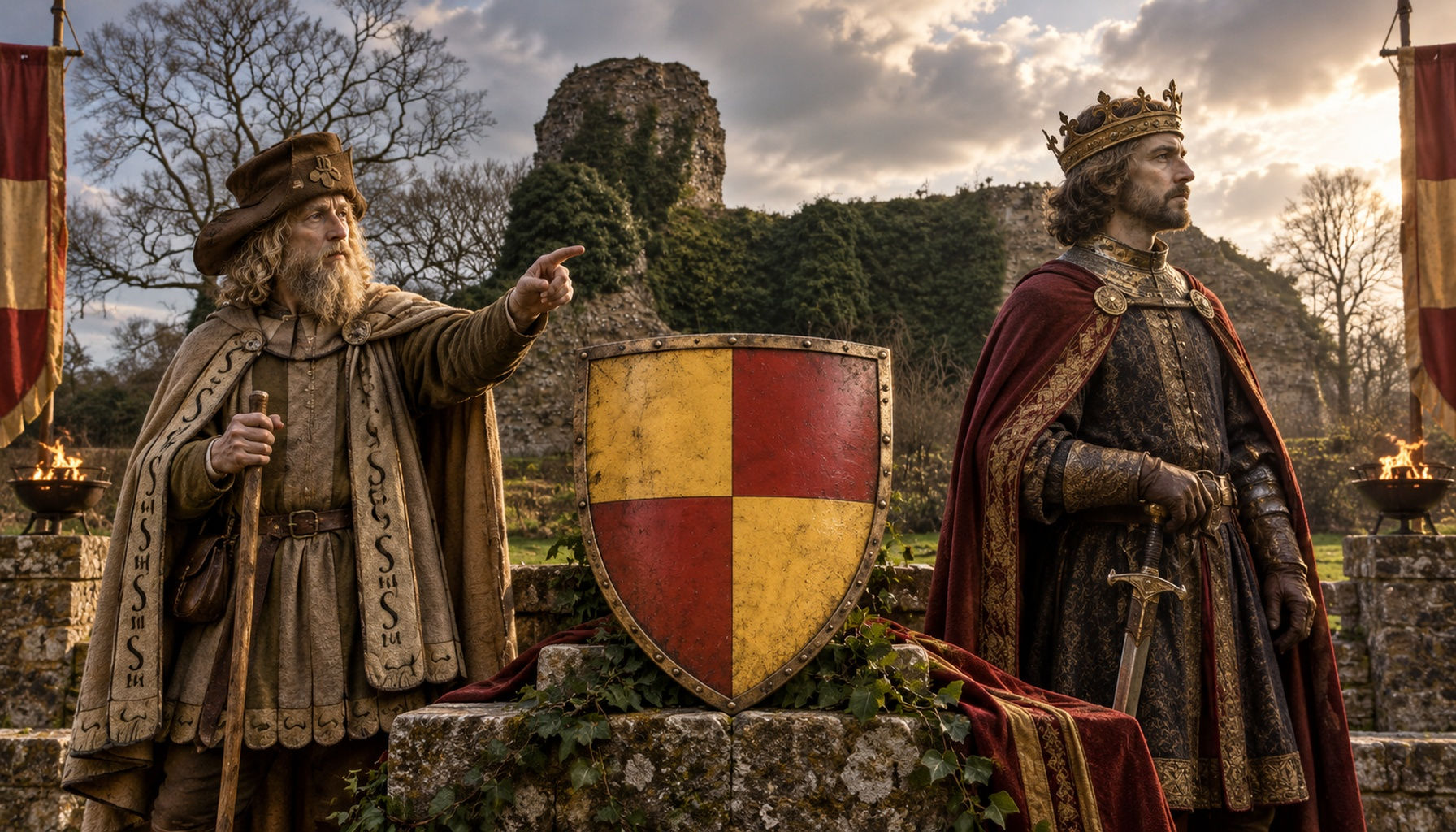
The great location anchor of Clan Hepburn is Hailes Castle in East Lothian, set above the River Tyne near East Linton. It is one of those castles that still carries the atmosphere of lordship in stone: not merely a residence, but a statement of control over land, movement, and status. The site began as a fortified residence in the thirteenth century and was expanded over time, with later towered and hall ranges showing how a medieval stronghold evolved as a family became more powerful and more ambitious. Hailes is especially associated with the Hepburns because it became their principal seat and a symbol of their rise. Its surviving ruins, with the long curtain walls, tower house elements, and chapel remains, still give a vivid sense of how a noble family in East Lothian projected authority. The castle also suffered in war, including damage in the sixteenth-century conflicts known as the Rough Wooing, which is a reminder that these great houses were never just picturesque homes but participants in the hard politics of the age. Happily, the ruins can still be visited today, making Hailes one of the most tangible places to encounter Hepburn heritage on the ground.
Explore the Royal House of Stewart
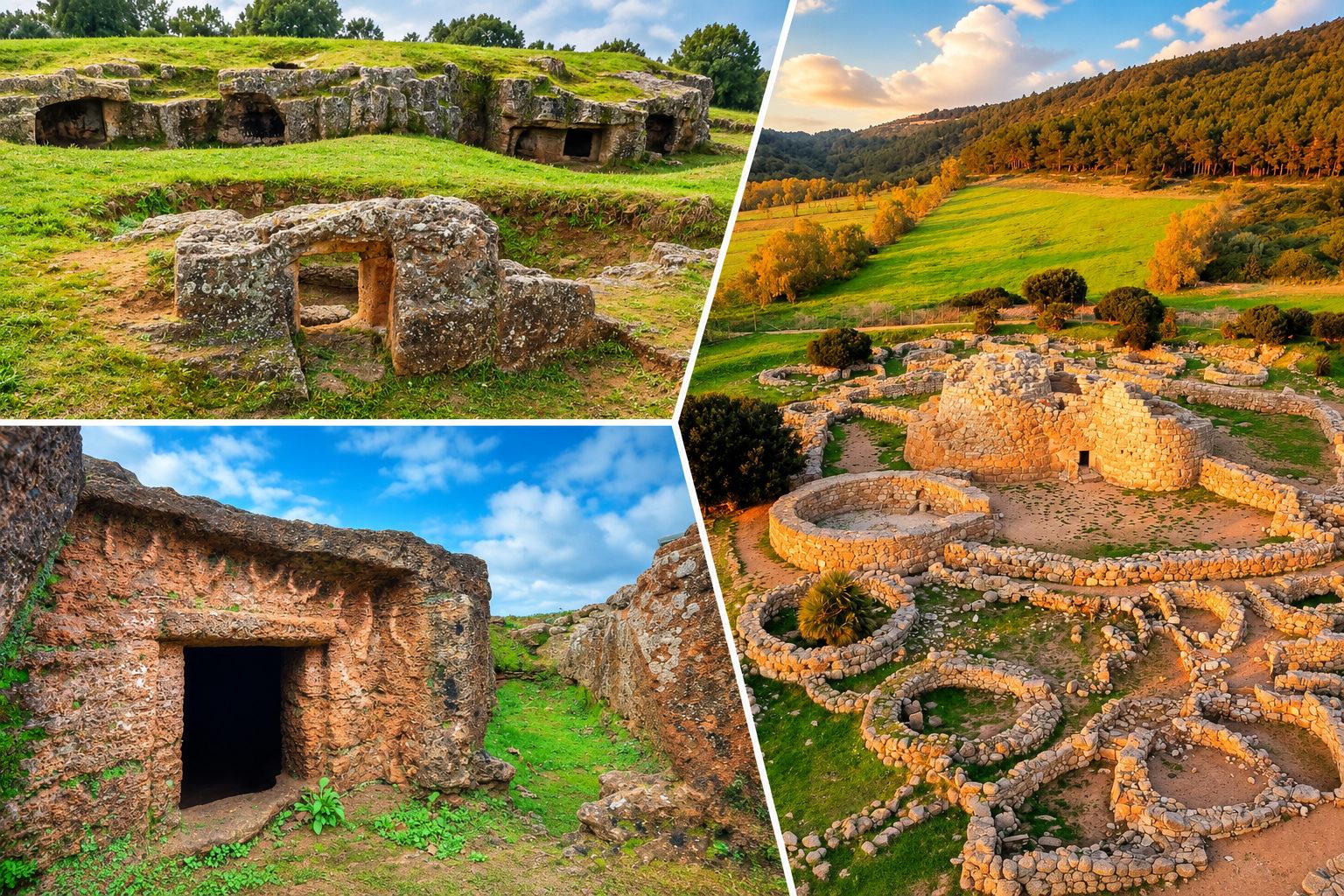
From a DNA perspective, Clan Hepburn is tagged with the primary family haplogroup R1b1a1b1a1a2c1a1f1a. That does not mean every Hepburn line carried it, nor does it allow us to claim direct descent from ancient individuals without specific evidence. What it does offer is a wider archaeological frame. Related or linked ancient samples assigned to this branch or nearby connections include a striking spread across Britain and Europe: Celtic Durotriges burials from Duropolis at Winterborne Kingston in England such as WBK12, WBK20, WBK29, WBK41, WBK05, WBK30, WBK43, WBK06, WBK08, WBK18, and WBK191; Bronze Age Britain samples including Amesbury Down I2417, Upavon I4950, Trumpington Meadows I3256, Bedfordshire I7576 and I7577, South Lanarkshire I5473, Thames I5377, and Hinxton HI2; Iron Age and Romano-British linked finds such as Yarnton I21182, Worlebury I11991, Battlesbury Bowl I21309, and Worth Matravers I11580; and a wider continental spread reaching Zadar I26776 in Roman Croatia, Sint-Truiden ST2025 and ST1308 in Belgium, Alt-Inden IND013 in Germany, Klosterneuburg R10656 in Austria, Conimbriga R10488 in Portugal, Parancot CGG023699 in France, VK242 from the Faroe Islands, and VK386 from Viking Age Norway. There are even deeper prehistoric links in places such as Orkney KD061, Calabria GMO015, and Rathlin2B in Copper Age Ireland. In other words, the Hepburn haplogroup tag sits within a long and richly layered western European paternal landscape, one shaped by Bronze Age mobility, Iron Age Celtic worlds, Roman-era networks, and medieval population change.
If you have Hepburn ancestry, or simply suspect your roots lie among the noble families of lowland Scotland, DNA can add another dimension to the paper trail. Upload your DNA to MyTrueAncestry to see whether you match Clan Hepburn, its haplogroup signature R1b1a1b1a1a2c1a1f1a, or any of the related ancient DNA samples that help place this family in the much bigger human story from Bronze Age Britain to medieval Europe.
Comments