Clan Home
– 3 min read


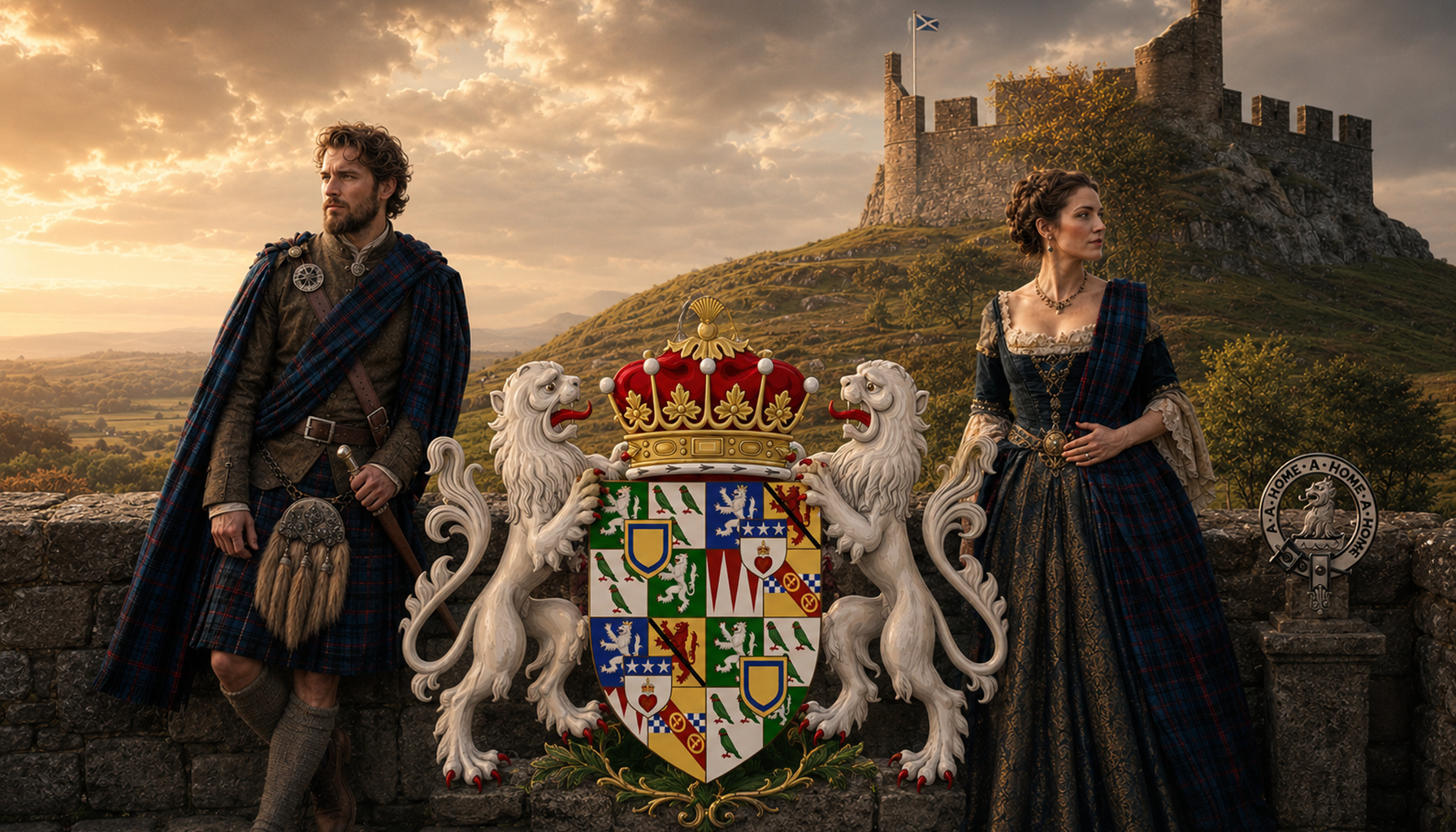
Clan Home, often spelled Hume, was one of the great Border kindreds of southeastern Scotland, rooted above all in Berwickshire and the eastern marches where Scotland and England rubbed against each other in war, diplomacy, cattle raiding, and uneasy truce. Their primary linked haplogroup is R1a1a1b1a3a1a1, and in historical terms the family stands for that hard-edged frontier world where a lord had to be soldier, negotiator, judge, and survivor all at once. The Homes were not simply local lairds with a castle on a hill. Over time they became major players in the kingdom, serving as wardens, royal officers, diplomats, and nobles, eventually rising to the ranks of Lords Home and, from 1605 to the present, Earls of Home.
The family took its name from the lands of Home or Hume in Berwickshire, which tells you something important straight away: this was a territorial surname, born from place and power. Their deeper ancestry is often connected with the old Northumbrian world and with figures such as Cospatric I, Anglo-Danish Earl of Northumbria, a reminder that the Borders were never tidy in ethnic or political terms. They were a zone of overlap, where Anglo-Danish, Northumbrian, Scottish, and later broader British identities all met. Out of that shifting landscape the Homes built themselves into a formidable house, and like many successful Border families they prospered by mastering the politics of uncertainty: one day on campaign, another day in council, and always watching the line between loyalty and advantage.
Hume Castle was the great stone emblem of Home authority, standing on the top of Hume Crags in the Scottish Borders and commanding wide views across the surrounding countryside. That position was not chosen for romance. It was chosen because in the Borders visibility meant security, warning, and control. The original stronghold was medieval, though what visitors largely see today is the result of later rebuilding after the castle was destroyed in the seventeenth century. It had a dramatic military history, including its capture and slighting by Oliver Cromwell's forces in 1650 during the Wars of the Three Kingdoms. The site remained powerfully symbolic, and in the late eighteenth century a new shell keep was built on the old ruins, giving the castle its striking profile today. In other words, Hume Castle is not just a picturesque ruin. It is a statement in stone about continuity, memory, and the determination of an old Border house to remain visible on its own hill. Yes, it can still be visited, and for anyone interested in Clan Home it is the essential place to start.
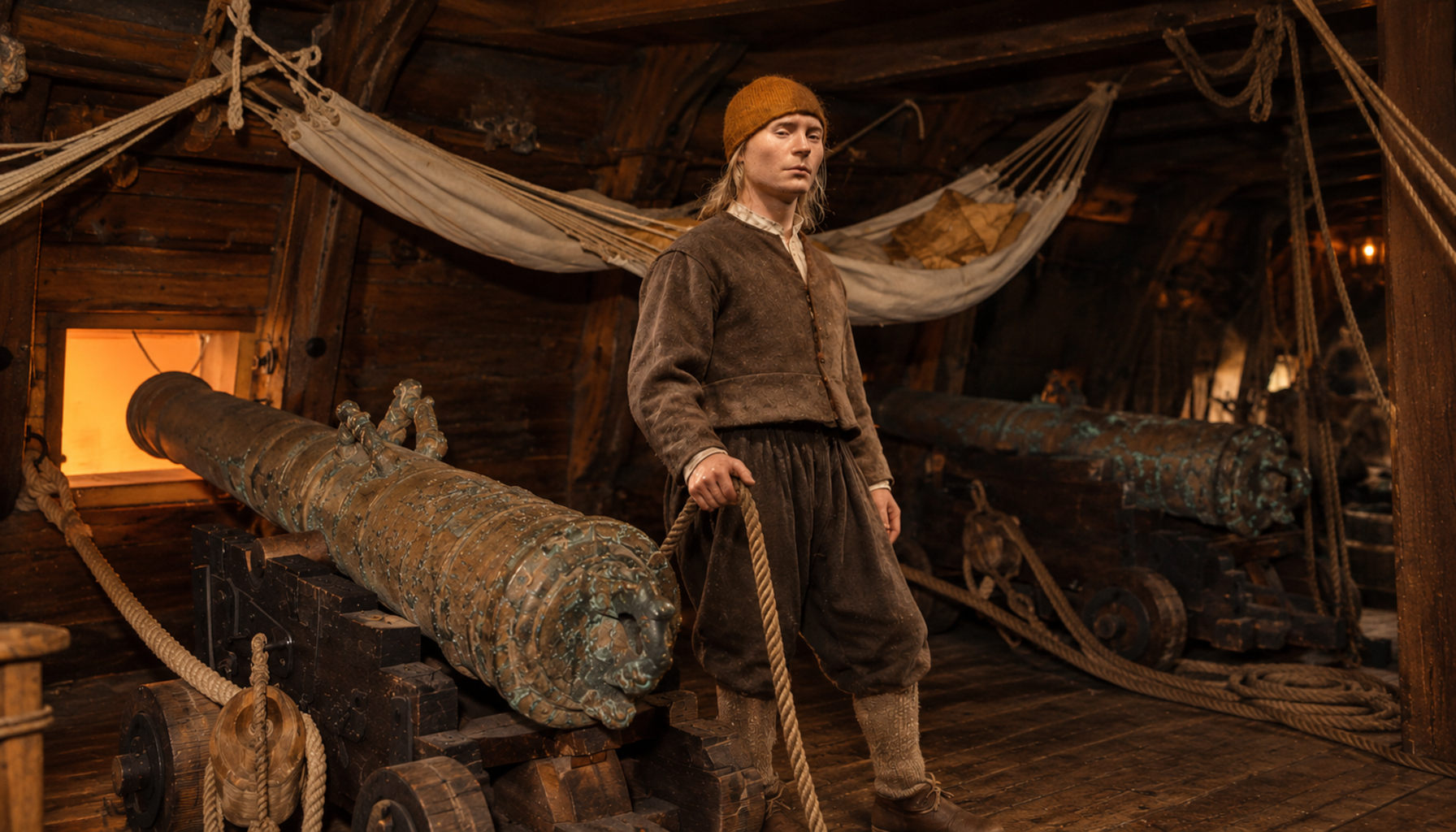
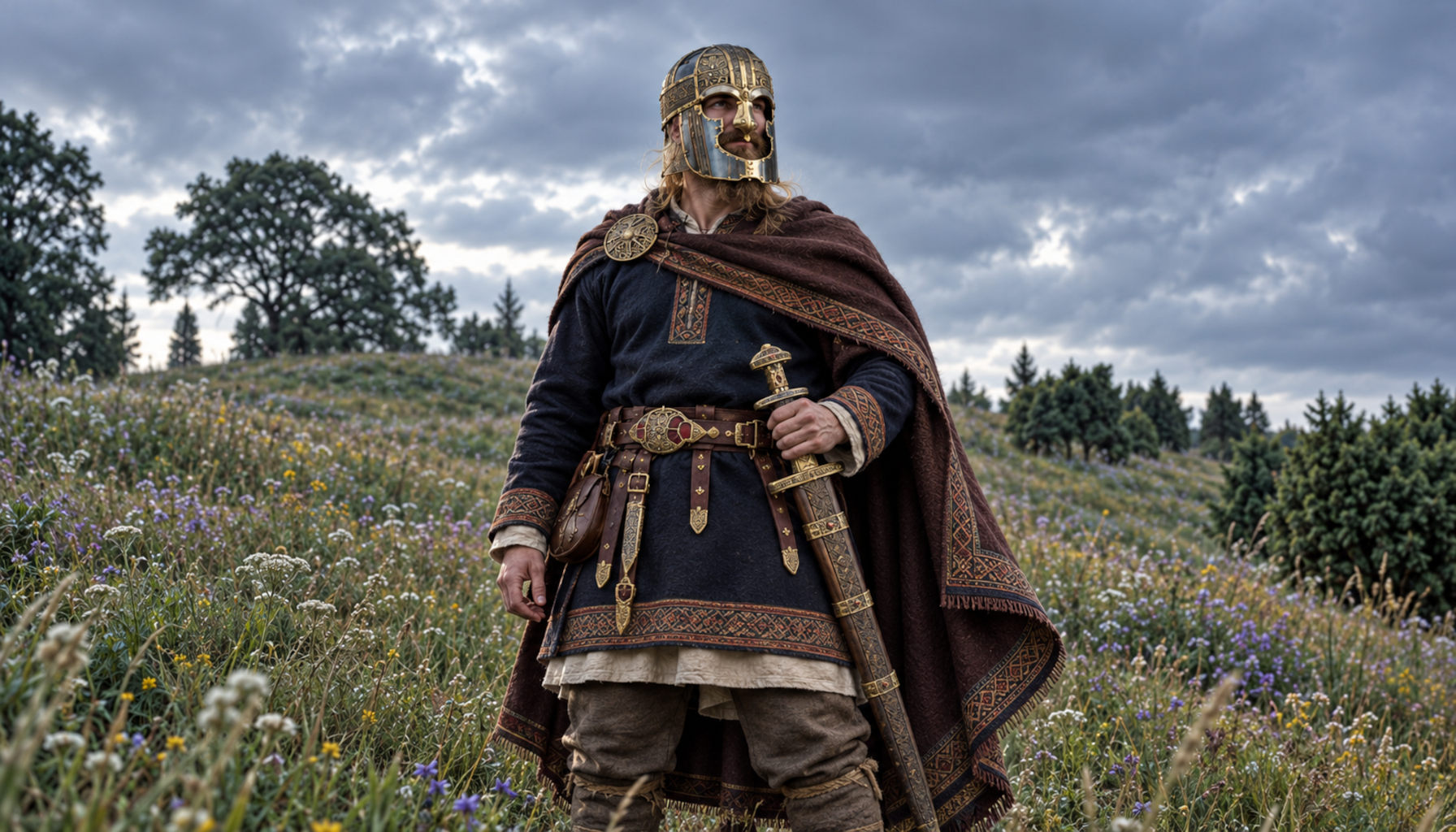
The primary family haplogroup linked here, R1a1a1b1a3a1a1, also appears in a broad spread of ancient and historic samples across northern and central Europe and the wider North Atlantic world. These are not claims of direct descent from Clan Home, and it is important not to pretend otherwise. But they do show the wider human backdrop in which a Border family like the Homes emerged. Related or linked samples include Early Medieval Slovakia Bratislava I4803, Medieval Vasterhus Sweden mbv281, Historic St. Mary City Chapel Field Cemetery Maryland I15285, Gothic Tribe Poland Maslomecz Wielbark PL067, Danii Tribe Sjaelland Roskilde Iron Age Denmark CGG105327, Viking Age Halogaland Holm CGG107030, Stora Kronan Shipwreck Battle of Oland Sweden kro012, Anglo-Saxon Sedgeford England Norfolk SED006, Post Viking Era Denmark St Clemen Zealand Denmark KPN002, Early Medieval Polhill Kent England POH006, Viking Age Skara Varnhem Sweden VK35 and VK397, Viking Age Ingiridarstadir Iceland VK129, Medieval Age Faroe Islands Sandoy Church VK244, Viking Age Oland Sweden VK344, Iron Age Islandbridge Dublin Ireland VK546, Vendel Age Saaremaa Salme II-U VK551, Viking Age Gotland Kopparsvik Sweden VK48, Viking Invader Ridgeway Hill England VK264, Viking Norse Iceland NNM-A1, Viking Gaelic Mix Iceland GTE-A1, and Viking Saxon Iceland TSK-A26. What is striking here is the pattern: Britain, Scandinavia, the Baltic, Iceland, Ireland, and even colonial Maryland all appear in the same wider genetic conversation, which suits the Homes rather well, because Border history was never purely local.
If you are exploring Clan Home heritage, this is where history and DNA become especially interesting together. Upload your DNA to MyTrueAncestry and see whether you match the Home family profile or any of these related ancient DNA samples from the medieval, Viking, and early historic world. It is a lively way to test whether your own story brushes against the same frontier past that produced the Lords Home and the Earls of Home.
Comments