Clan Guthrie
– 2 min read


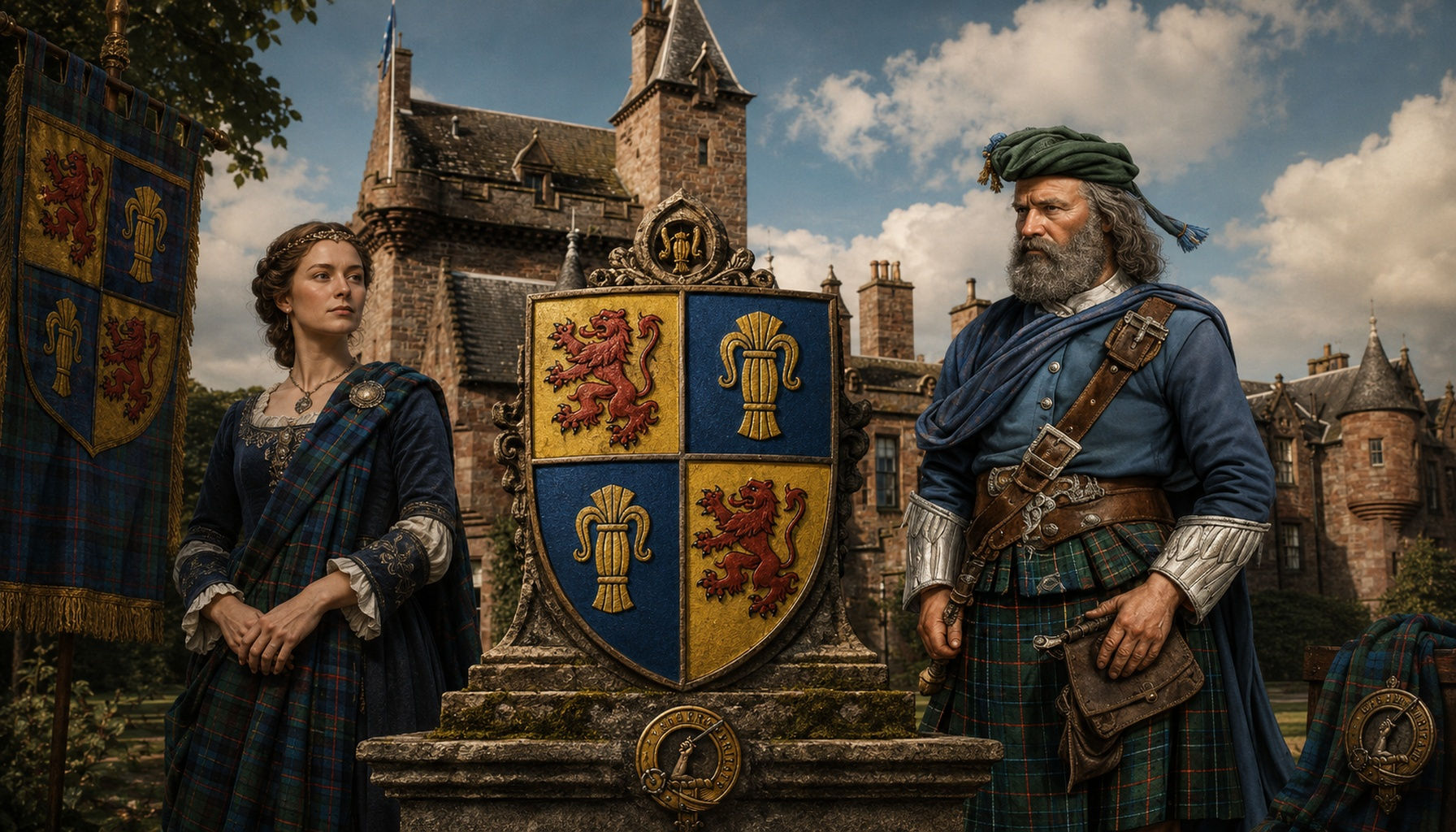
Clan Guthrie was a Scottish family of Angus in the east of the country, rooted in the Lowland landed world rather than the later romantic image of the Highland war clan. Their story is tied to place, estate, office, and service: local authority, royal connections, heraldic identity, and the steady continuity of a surname anchored to land. The haplogroup most closely linked here is R1b1a1b1a1a2c1a5b, a paternal line found widely in Britain and Atlantic Europe and useful as a way of thinking about very deep ancestry behind a much later historical family tradition.
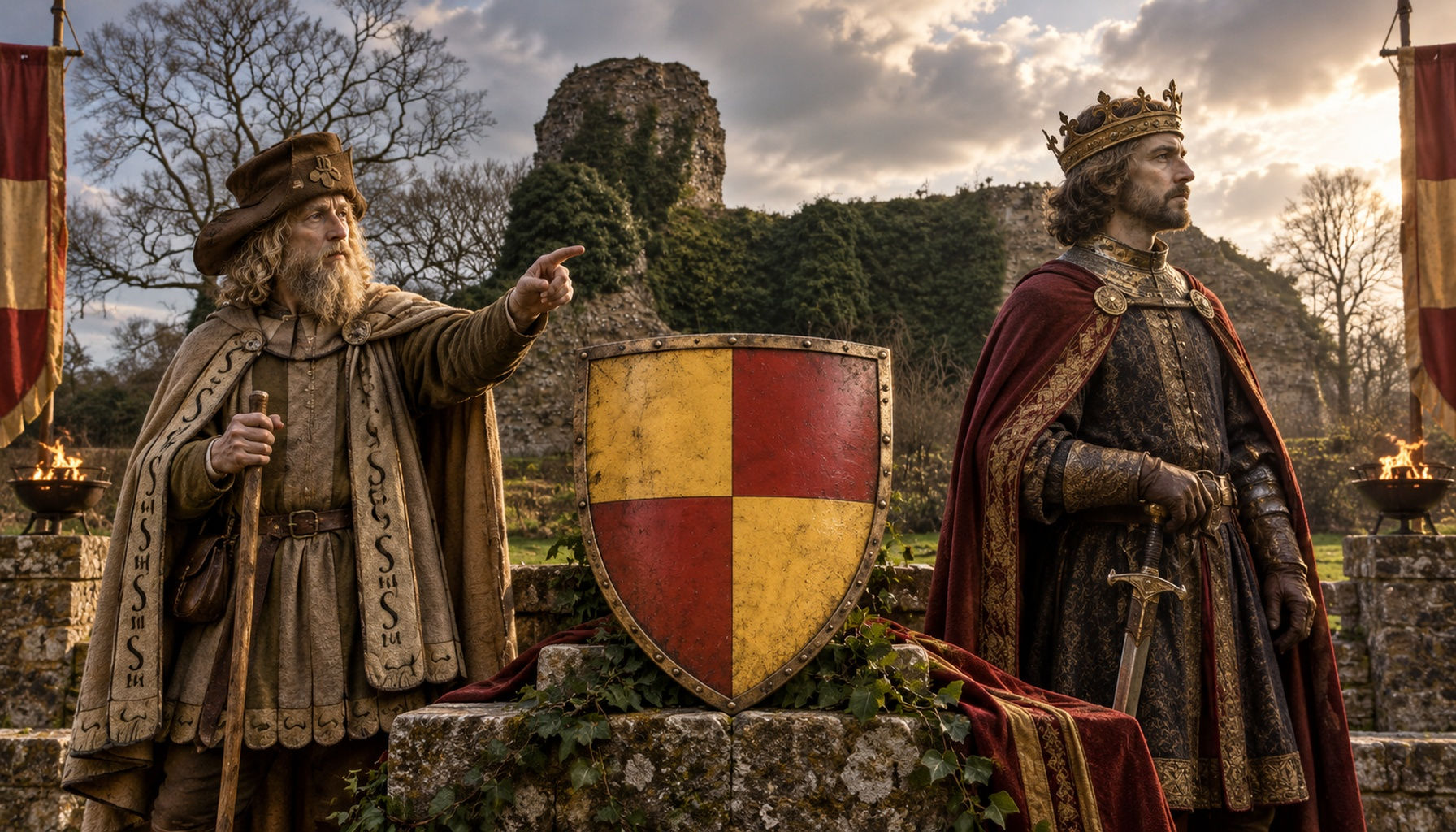
The name Guthrie is generally understood as territorial, derived from the parish and estate of Guthrie in Angus. That matters, because in medieval Scotland many families were effectively made by land as much as by blood: they became known from the place they held, defended, administered, and passed on. Clan Guthrie fits that pattern beautifully. Over time the family rose through estate identity, marriage alliances, public duty, and the prestige that came with continuity. One early named figure is Alexander Guthrie, recorded in 1442, a reminder that by the 15th century the family was already established enough to appear in the documentary record of eastern Scotland.
The great location anchor of the family is Guthrie Castle in Angus, just west of Arbroath, and it gives the clan story real physical shape. The site has medieval origins, with a tower house traditionally associated with the Guthries from the 15th century, and later development turned it into the larger castellated residence seen today. In other words, this is not simply a decorative Victorian fantasy dropped onto an empty landscape, but a place where an older family seat survived and evolved. Set among lochs, gardens, and parkland, the castle expresses exactly the kind of eastern Scottish landed continuity that defined families like the Guthries: not frontier turbulence so much as durable possession, adaptation, and status. It has operated in modern times as a venue and hospitality property, so it is reasonable to say that it can still be visited, even if access may depend on events or current arrangements.
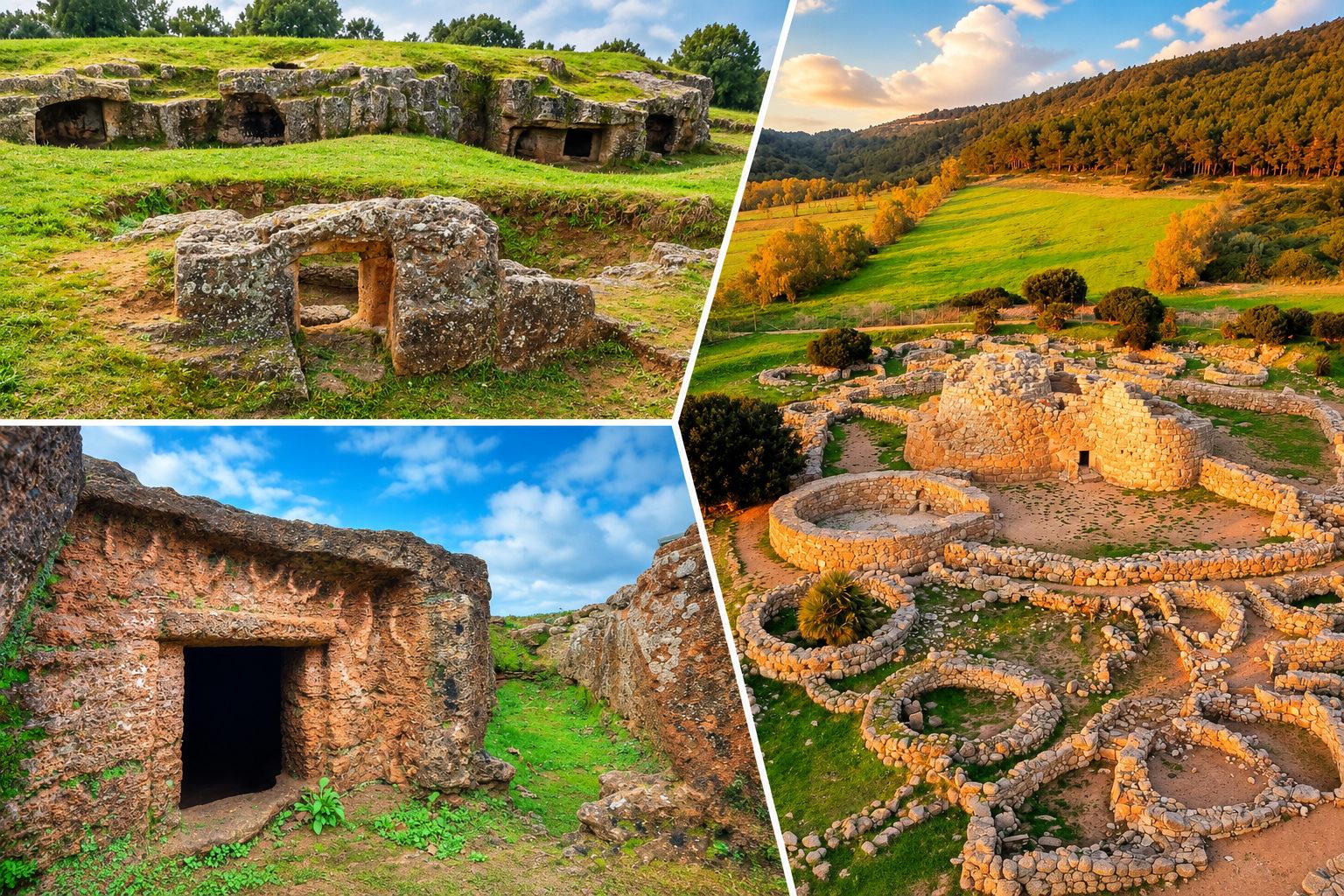
From an ancient DNA perspective, R1b1a1b1a1a2c1a5b links Clan Guthrie heritage to a very broad and rather fascinating web of earlier populations around Britain and beyond. Related or linked samples include Iron Age and Celtic individuals from southern Britain such as the Durotriges of Winterborne Kingston, Britons from Kent, Oxfordshire, Somerset, Gloucestershire, Yorkshire, and Cornwall, as well as Scottish finds from Orkney, Moray, Applecross, Broxmouth, East Lothian, and West Lothian. The same wider paternal branch also appears in later contexts stretching into Roman Croatia, medieval Ireland, Belgium, Spain, Germany, and Scandinavia. None of this proves direct descent from any named ancient individual, of course, but it does show that the Guthrie-associated paternal line belongs to a deep northwest European story with strong roots in Bronze Age and Iron Age Britain and long survival into the medieval world.
If you carry the Guthrie name, have Angus roots, or simply suspect a connection to this wider Lowland Scottish world, DNA can add another layer to the paper trail. Upload your DNA to MyTrueAncestry to see whether you match Clan Guthrie, the haplogroup R1b1a1b1a1a2c1a5b, or related ancient DNA samples from Celtic, Pictish, Roman, and medieval Britain and Europe.
Comments