Clan Ogilvie
– 2 min read


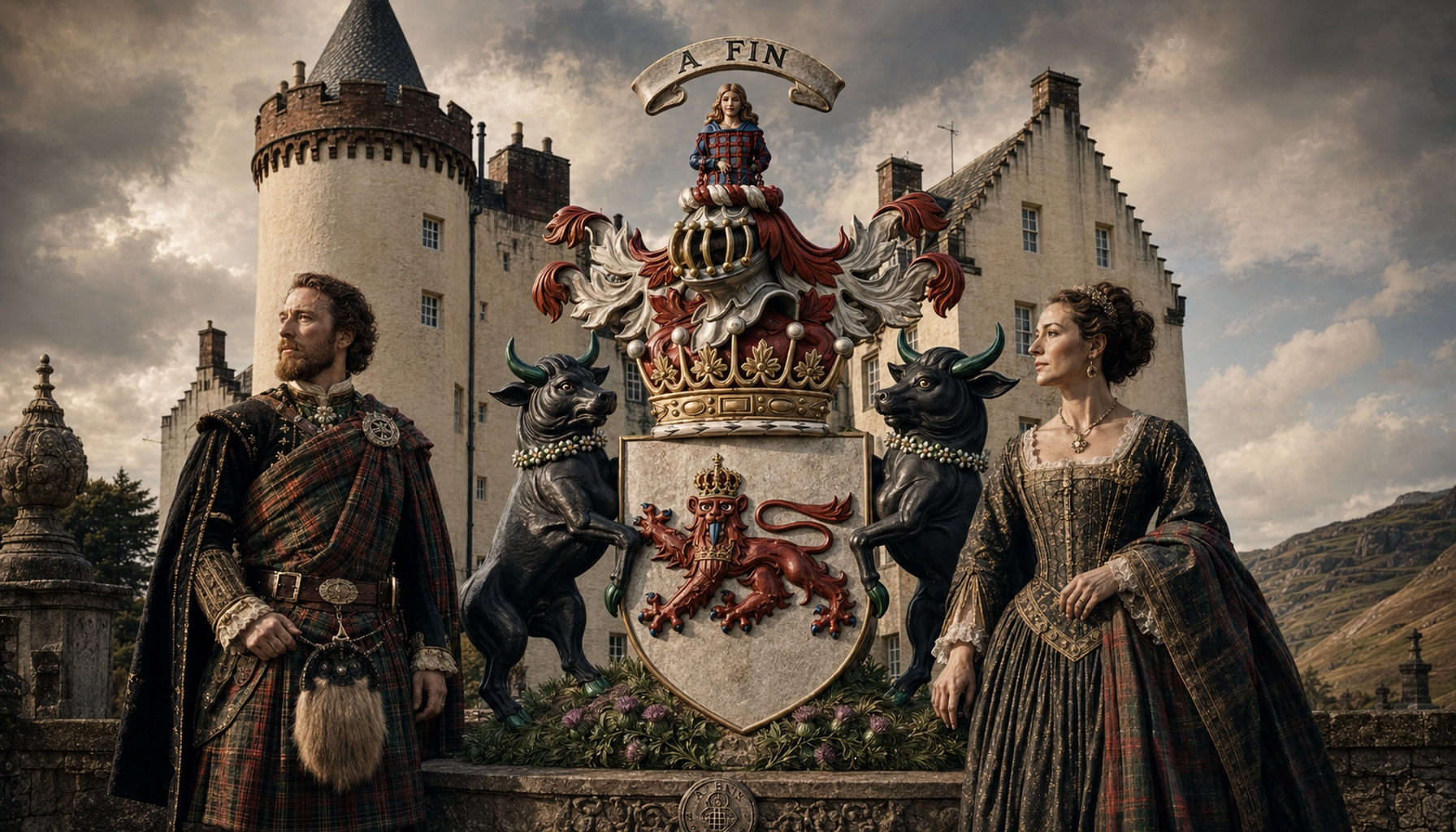
Clan Ogilvie was one of the notable noble families of eastern Scotland, rooted above all in Angus and long tied to the world of Lowland aristocratic society. Their story is not simply that of a surname appearing in old charters, but of a family that grew through landholding, royal service, military obligation, marriage alliances, and a carefully maintained public reputation. The primary haplogroup linked with the family is R1b1a1b1a1a2c1a5a, a branch within the wider paternal line often found across parts of Britain and western Europe.
The name itself is generally taken from the barony of Ogilvy in Angus, which gives us that classic medieval Scottish pattern: people becoming identified by the lands they held. By the late 13th century the family is already visible in record, with Patrick de Ogilvy appearing in 1296, in that tense and unforgettable age when Scotland was caught up in war, lordship, and competing loyalties around the English crown and the Scottish realm. From there the Ogilvies rose steadily, acquiring offices, estates, titles, and heraldic distinction. In historical terms, they are a fine example of how a Scottish noble clan operated: local power anchored in land, but influence extending into the business of the kingdom.
Airlie Castle became one of the great location anchors of the Ogilvie story, and in many ways it tells you what aristocratic power looked like on the ground. The castle stood near Kirriemuir in Angus, in a dramatic setting above the meeting of the River Isla and the Melgam Water. It was for centuries the seat of the Earls of Airlie, chiefs of Clan Ogilvie, and it carried both strategic value and symbolic weight: this was not just a residence, but a statement that the family belonged among the governing elite of Scotland. The old castle is especially remembered for its destruction in the 17th century during the civil wars, when the politics of crown, covenant, and noble loyalty became violently personal. Although the medieval fortress itself survives as ruins rather than a fully standing castle, the site and its surrounding landscape remain part of the historic Airlie estate tradition, and the area can still be visited as part of exploring Ogilvie country in Angus.
Explore nearby Angus history with Clan Guthrie
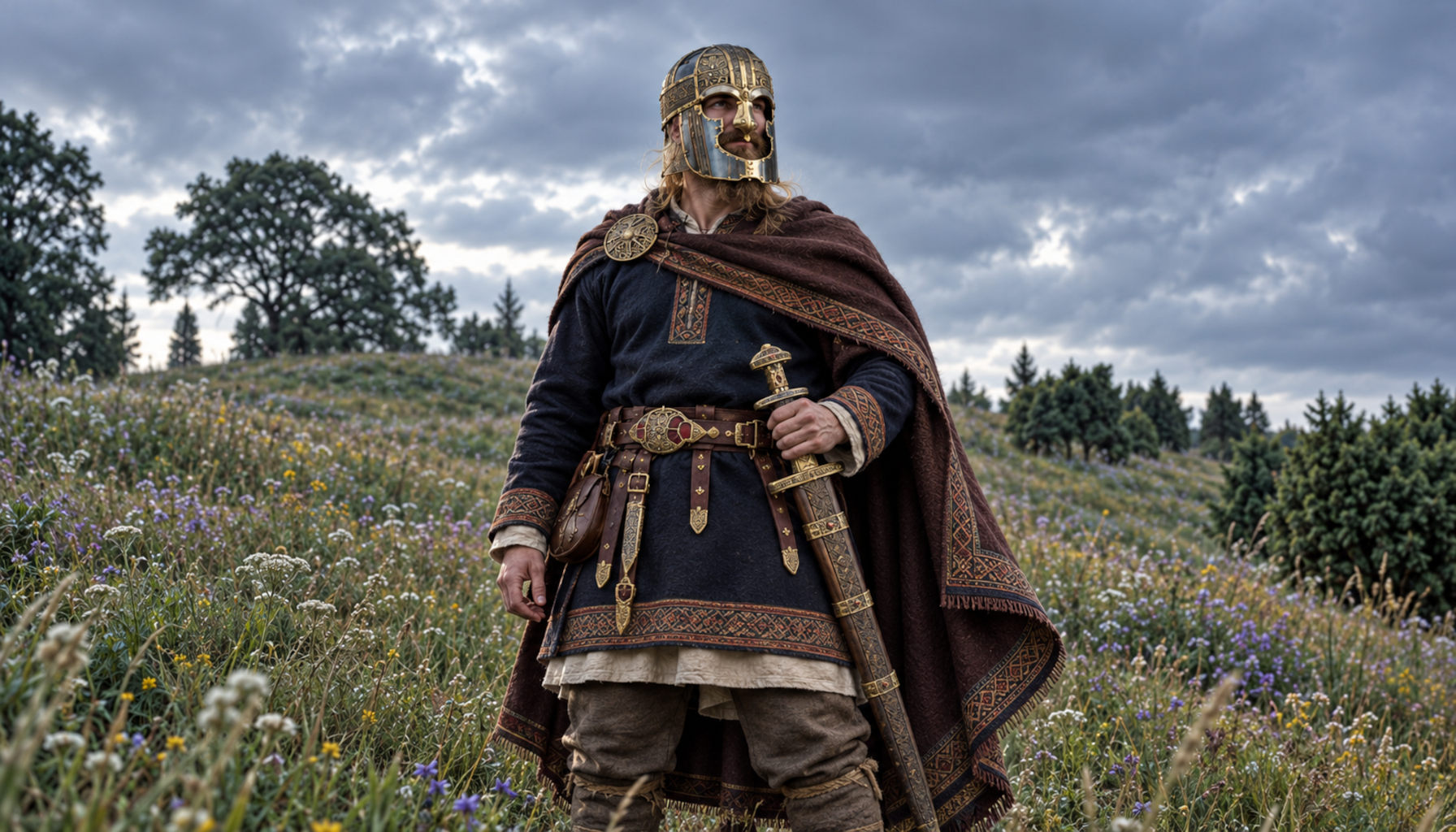
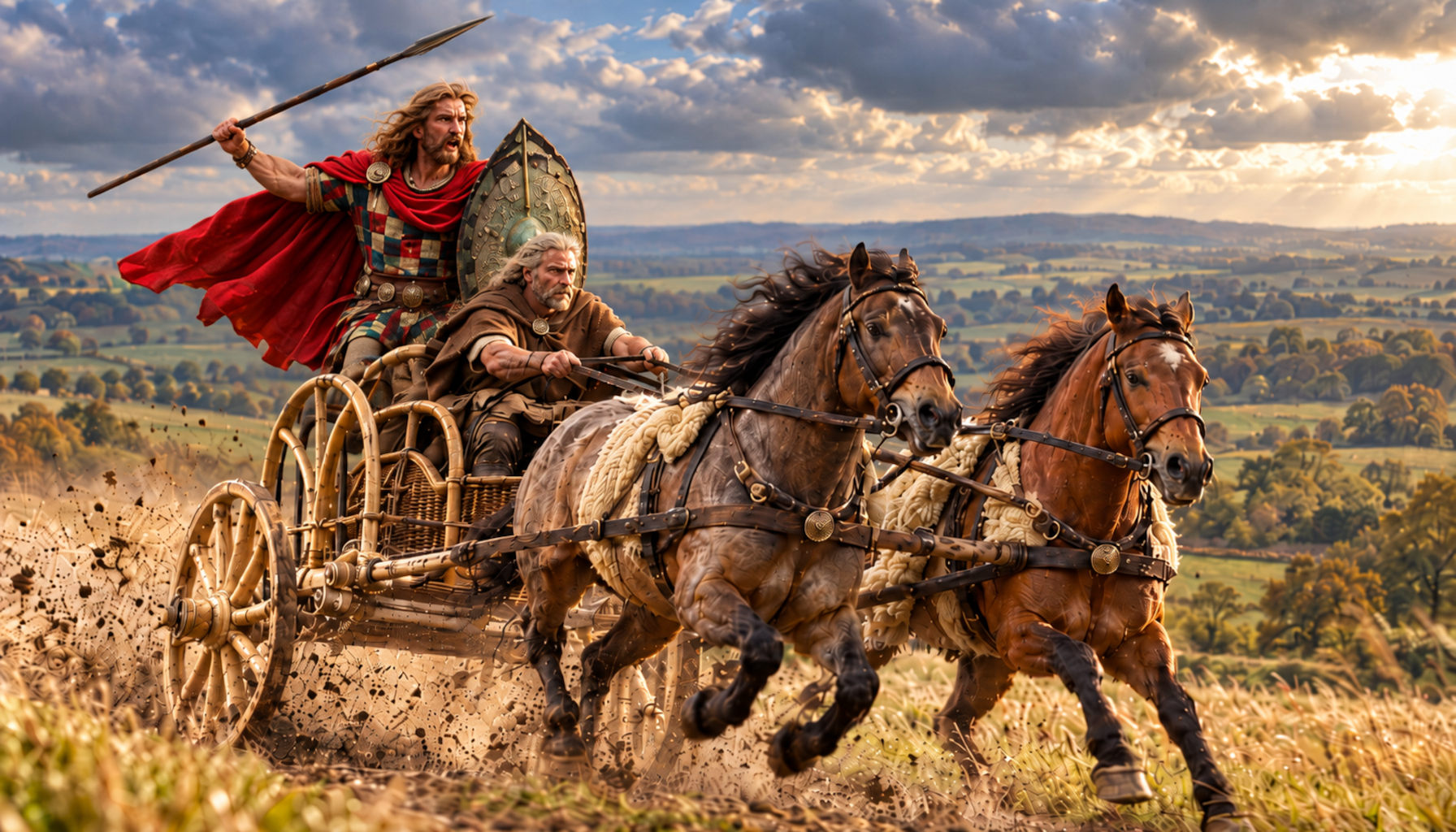
From a DNA point of view, haplogroup R1b1a1b1a1a2c1a5a links Clan Ogilvie into a much deeper and broader archaeological landscape. Related or linked ancient samples carrying this branch or nearby matches have turned up in a striking range of contexts, including Celtic Durotriges burials from Duropolis at Winterborne Kingston in England such as WBK12, WBK20, WBK29, WBK41, WBK05, WBK30, WBK43, WBK06, WBK08, WBK18, and WBK191, as well as later samples from Pict-era Orkney at Mine Howe, Iron Age Britain, Bronze Age Orkney and Moray, Saxon England, medieval Ireland, Belgium, Spain, and beyond. That does not mean direct descent from any one of these individuals, and it would be quite wrong to pretend otherwise. What it does show is that the paternal line associated with the Ogilvies belongs to a long-lived northwest European genetic story, one that threads through Bronze Age Britain, Iron Age Celtic communities, Pictish Scotland, and the medieval societies from which documented clans eventually emerge.
If Ogilvie heritage speaks to you, the fascination lies in exactly this mixture of record and deep past: charters, castles, titles, memory, and now DNA. Uploading your results can help you see whether you match Clan Ogilvie, the haplogroup R1b1a1b1a1a2c1a5a, or related ancient DNA samples from Britain and Europe that illuminate the older world behind the surname.
Comments