Clan Lindsay

– 3 min read


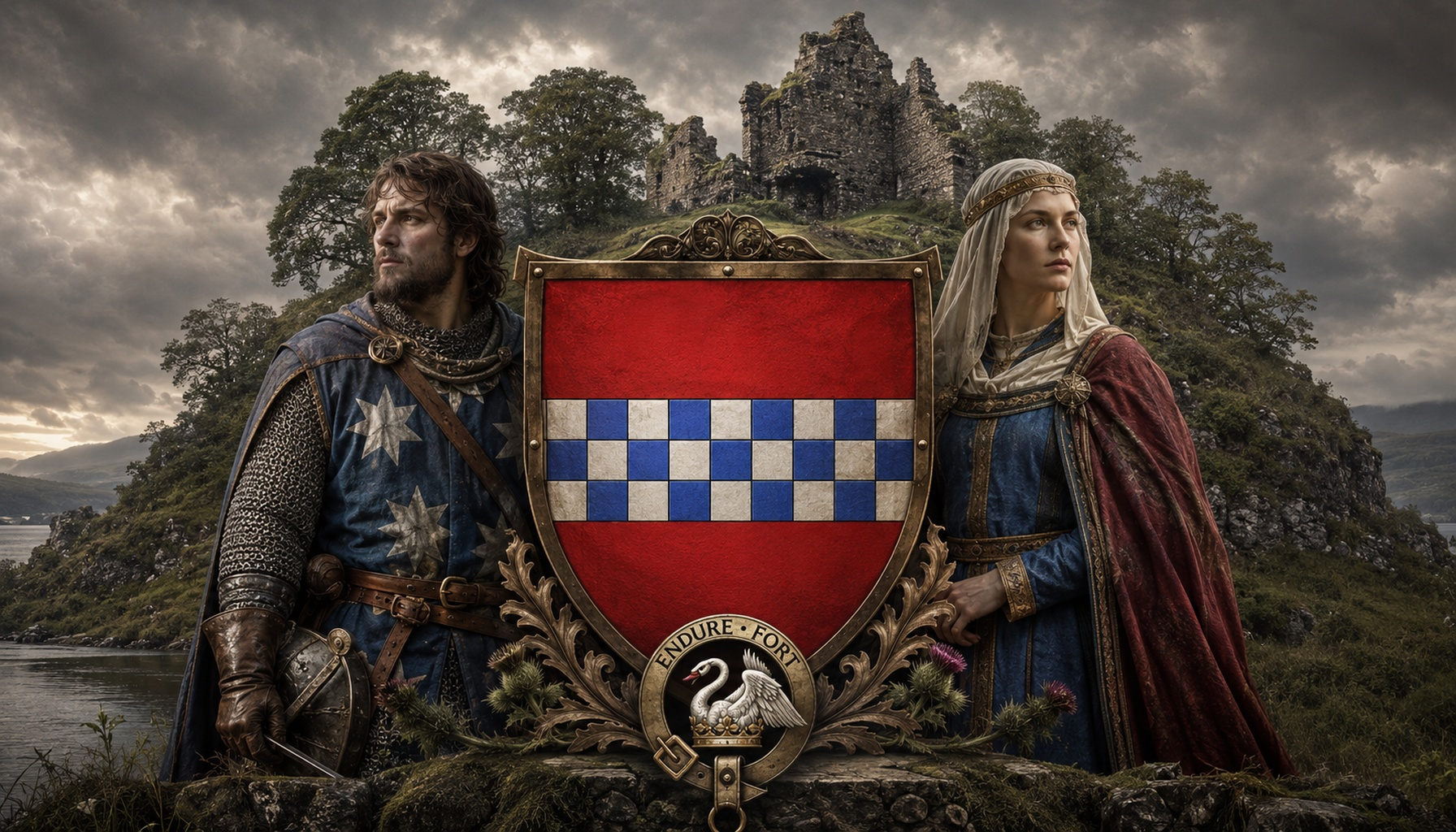
Clan Lindsay was one of the great noble kindreds of Lowland Scotland, rooted above all in Angus and in the wider aristocratic world of medieval Scotland. Their story is not that of a purely Highland clan in the later romantic sense, but of a landed, titled, politically active family whose influence grew through estates, royal favour, military service, strategic marriage, and steady participation in the business of the kingdom. The name is generally linked to Lindsay in Lincolnshire, reflecting the Norman and Anglo-Scottish movement of noble families into Scotland in the 11th and 12th centuries, where they became thoroughly woven into Scottish history. In DNA terms, the primary family haplogroup linked here is I2a1a1b1a1b2, with associated haplogroups discussed through broader related ancient DNA evidence rather than any claim of guaranteed direct descent.
The Lindsays appear early in Scottish record through figures such as Sir Walter de Lindissie, a reminder of that formative period when incoming knightly families were granted land and then remade themselves as Scottish magnates. Over the centuries, the house expanded into major titled branches, most famously the Earl of Crawford, in existence from 1398 to the present, the Earl of Lindsay, from 1633 to the present, and the Earl of Balcarres, from 1651 to the present. That continuity matters. It shows a family that did not merely flash across the record and vanish, but endured through changing dynasties, civil wars, religious upheaval, and the long transition from medieval lordship to modern aristocratic memory. Their heritage is full of castles, heraldry, public office, estate culture, and the peculiar Scottish mixture of kin identity and noble rank.
A key place in the Lindsay story is Crawford Castle in South Lanarkshire, an early motte-and-bailey fortress traditionally associated with the Lords of Crawford and with the territorial base from which the Crawford title ultimately took its name. The castle stands on the north bank of the Crawford Burn, near the village of Crawford, and its earthwork form points to the Norman period of castle-building that reshaped power in medieval Scotland. What survives today is largely the mound and defensive earthworks rather than a fully standing stone castle, but that in itself is part of the fascination: this is a site where the landscape still carries the imprint of early lordship. It anchors the family not just in abstract pedigree but in a real frontier of landholding, defence, and political control. Reasonably speaking, it can still be visited as a historic earthwork site, and for anyone interested in Clan Lindsay, it offers the pleasure of seeing how much of noble power began with terrain, visibility, and control of local routes rather than with the later grandeur of portrait galleries and baronial display.
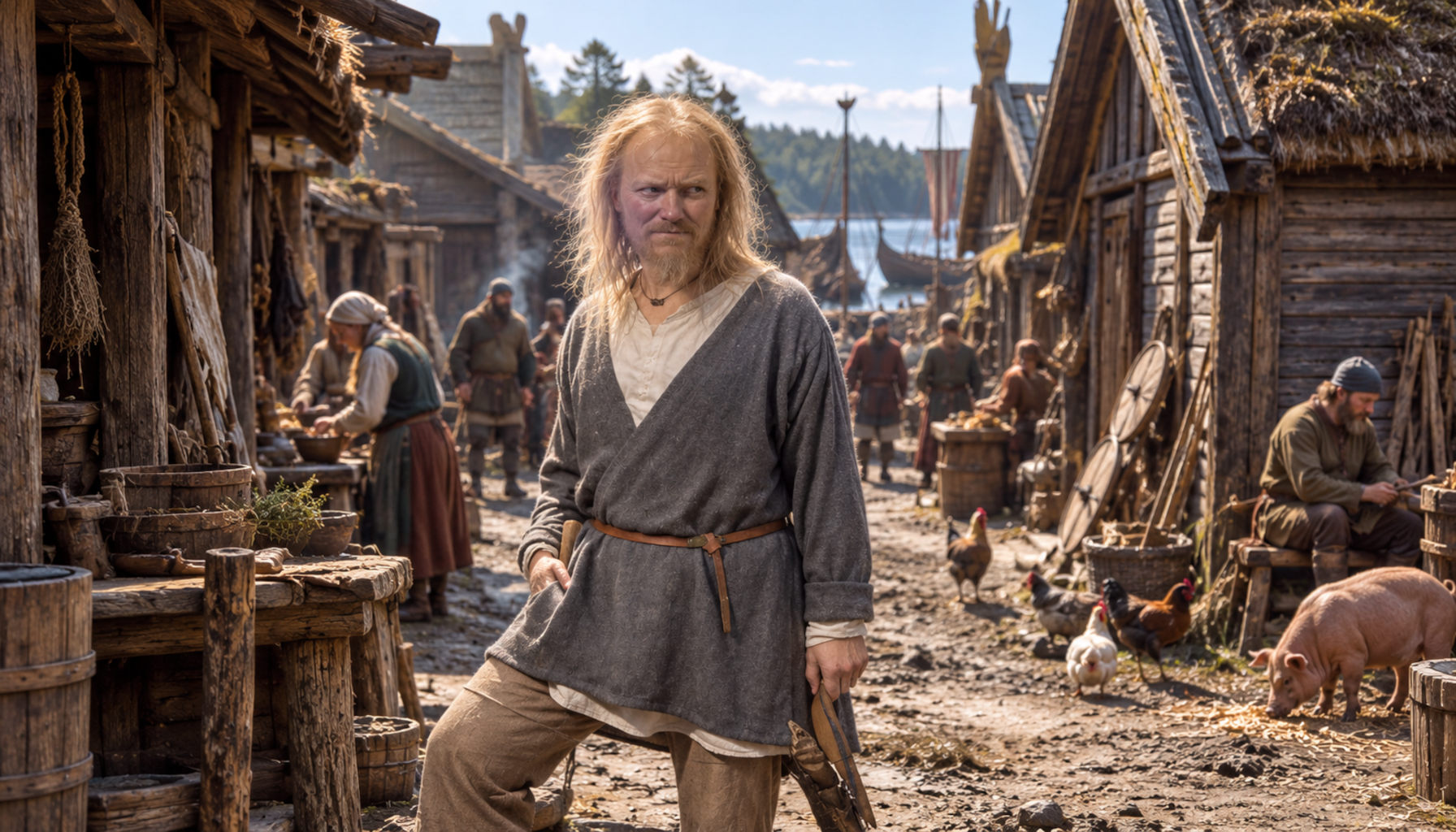
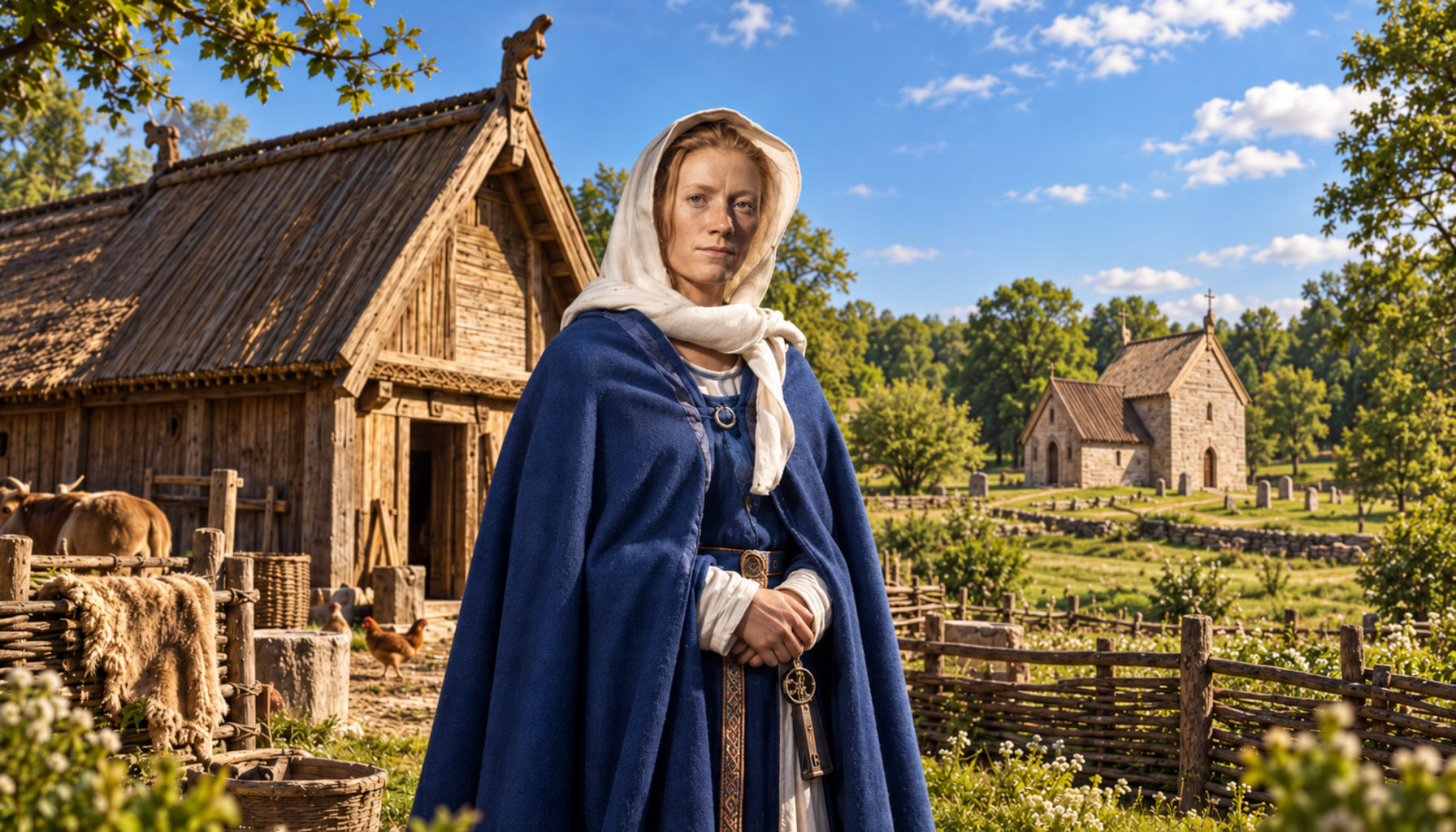
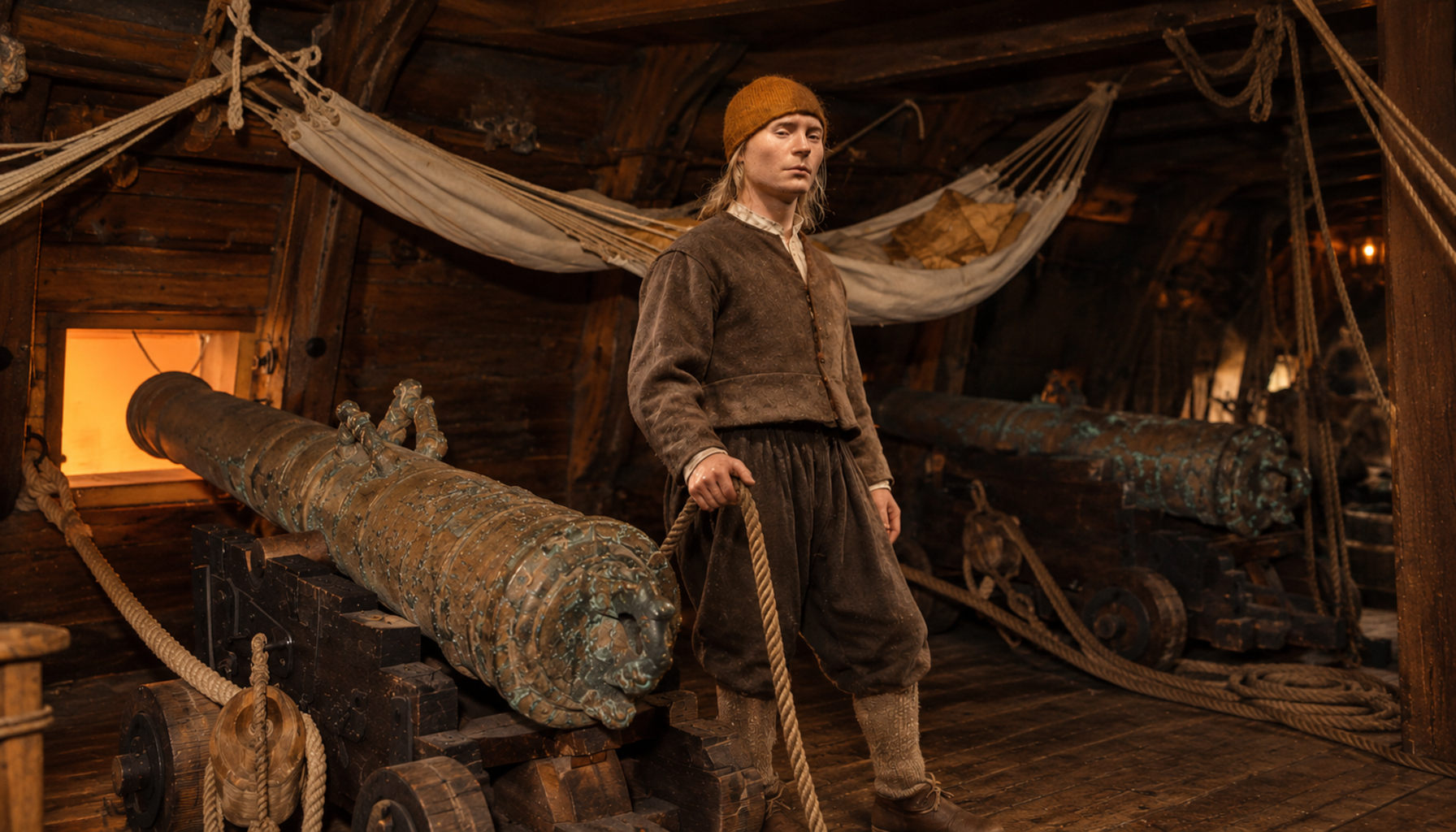
For the haplogroup context of I2a1a1b1a1b2, it is useful to look at related and linked ancient DNA samples across Europe, while being careful not to pretend these are direct ancestors of the Lindsay family. Comparable or related I2a1a1b1a1b2-linked samples appear in Late Bronze Age and Bronze Age contexts in Poland, including Zerniki Gorne individuals such as poz667, poz675, poz649, poz651, poz662, poz665, poz684, poz655, poz745, poz746, poz747, poz748, and poz658, as well as Bronze Age Southern Poland Koszyce poz543, Subcarpathian Poland Strzyzow poz758, South Central Poland Bocheniec poz507, Silesia Pielgrzymowice poz715, and Late Bronze Age Pommerania Gustorzyn samples poz693, poz694, and poz700. Later linked examples include the ancient mercenary from the First Sicilian War at Himera in Sicily, I10949, a Carolingian era sample from Groningen in the Netherlands, GRO002, and a Viking Age sample from Staraya Ladoga, VK22. What this suggests is not a neat family line marching straight to Scotland, but a broader deep-time pattern in which this paternal lineage was present across parts of Bronze Age and early medieval Europe, including regions tied to later Germanic, North Sea, and Baltic worlds that fed into the population history of Britain and Scotland.
If you are researching Clan Lindsay, Scottish Lowland nobility, or the deeper story behind haplogroup I2a1a1b1a1b2, DNA can add another layer to the archive of charters, titles, and family tradition. Upload your DNA to MyTrueAncestry to explore ancient samples related to your heritage and see how your family story may connect to the wider human past.
Comments