Clan Keith
– 2 min read


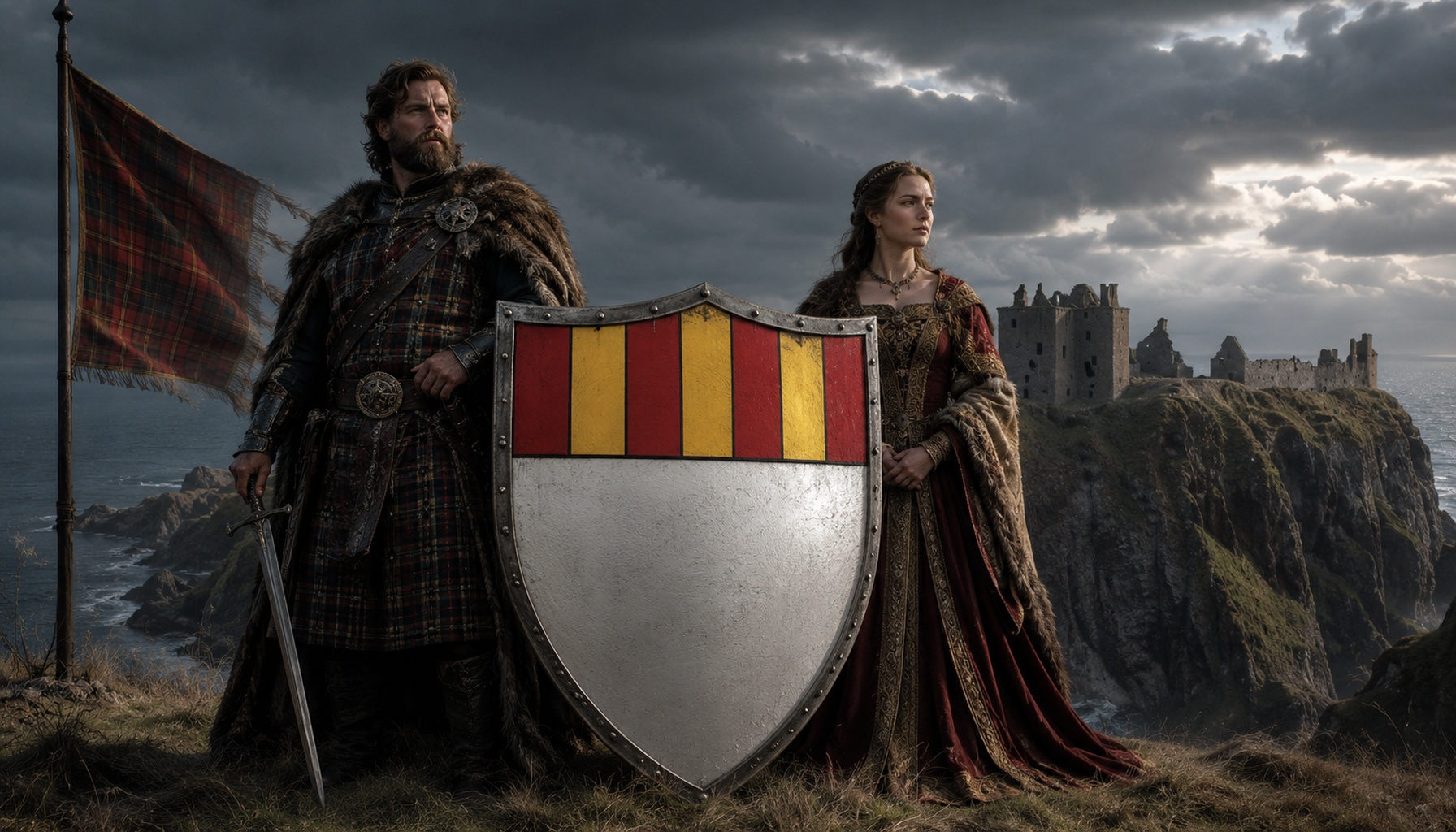
Clan Keith was one of the great noble families of medieval and early modern Scotland, rooted above all in East Lothian and later strongly established in Aberdeenshire. Their primary family haplogroup is tagged here as R1b1a1b1a1a2c1a5c1b1a, a branch within the wider R1b world so common across Atlantic and western Europe. Historically, though, the Keith story is not simply a matter of bloodline. It is a story of office, land, loyalty, warfare, and the steady accumulation of power through service to the Scottish crown.
The family emerges from the world of early feudal Scotland, when royal authority, local lordship, and military obligation were all being hammered into shape. The Keiths built their standing through hereditary service as Marischal of Scotland, an office tied to the protection of the king and the ceremonial and military business of the realm. Over time they became earls, castle holders, patrons, and political players, very much part of that distinctively Scottish pattern in which a clan could be both a territorial power and a national institution. Figures such as Sir Robert de Keith, active in 1316 and remembered from the age of Robert the Bruce, show the family at the heart of Scotland's hard fought medieval history.
If one place captures the public memory of Clan Keith, it is Dunnottar Castle on the Aberdeenshire coast near Stonehaven. Dramatic is almost too weak a word for it. The fortress stands on a rocky headland cut off by steep cliffs and joined to the mainland by a narrow strip of land, the sort of site that makes you immediately understand why people fortified it. Although there was earlier occupation on the rock, most of the visible remains belong to the later medieval and early modern periods, and the castle became closely associated with the Keith earls Marischal. Dunnottar witnessed sieges, political imprisonment, and one of the great episodes of Scottish memory when the Honours of Scotland, the crown jewels, were hidden there from Cromwell's forces in the 1650s. It was not merely a noble residence but a stage on which Scottish state history was acted out. And yes, happily for visitors, Dunnottar Castle can still be visited today, which is just as well because few clan sites make such an impression in person.
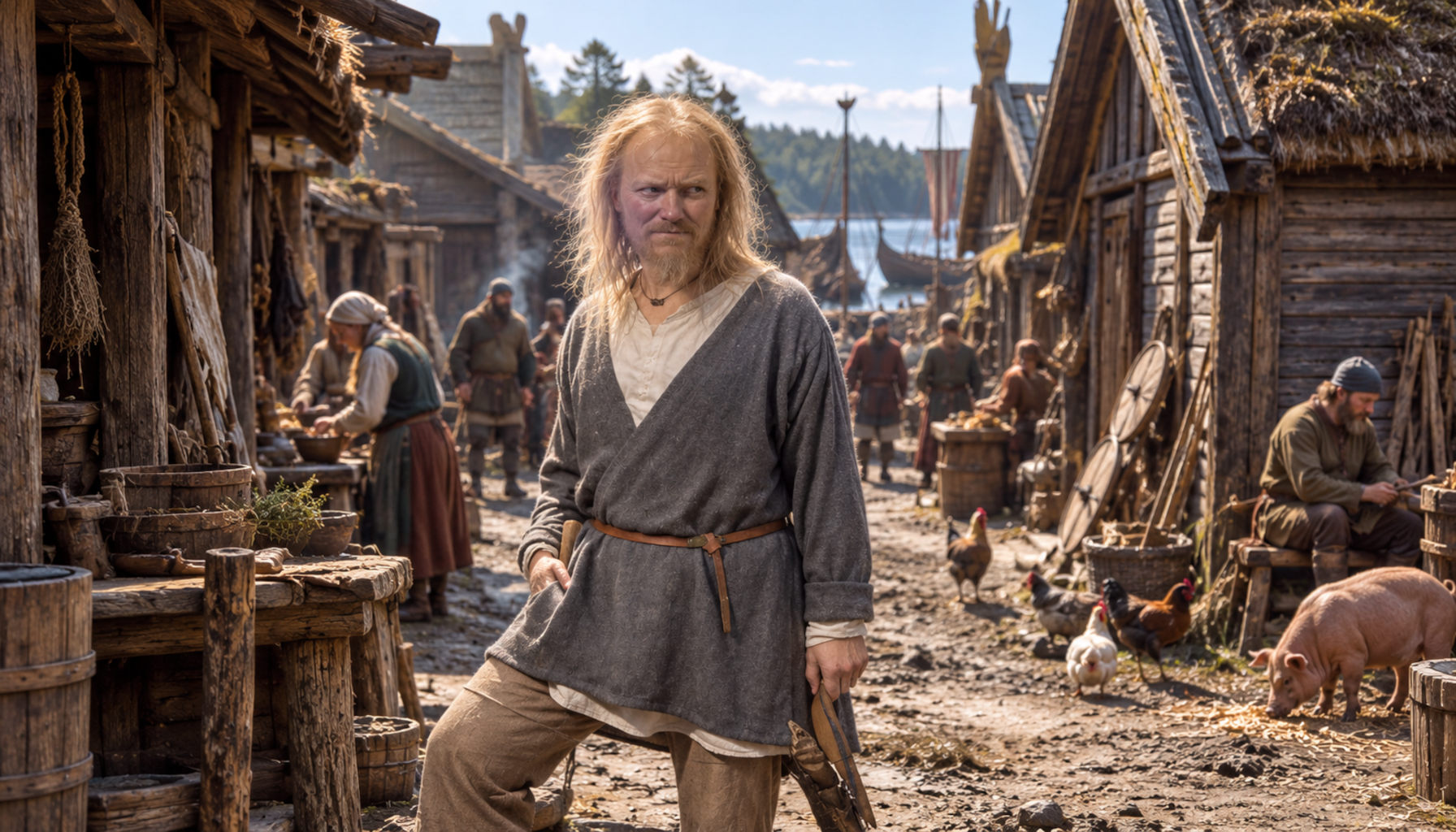
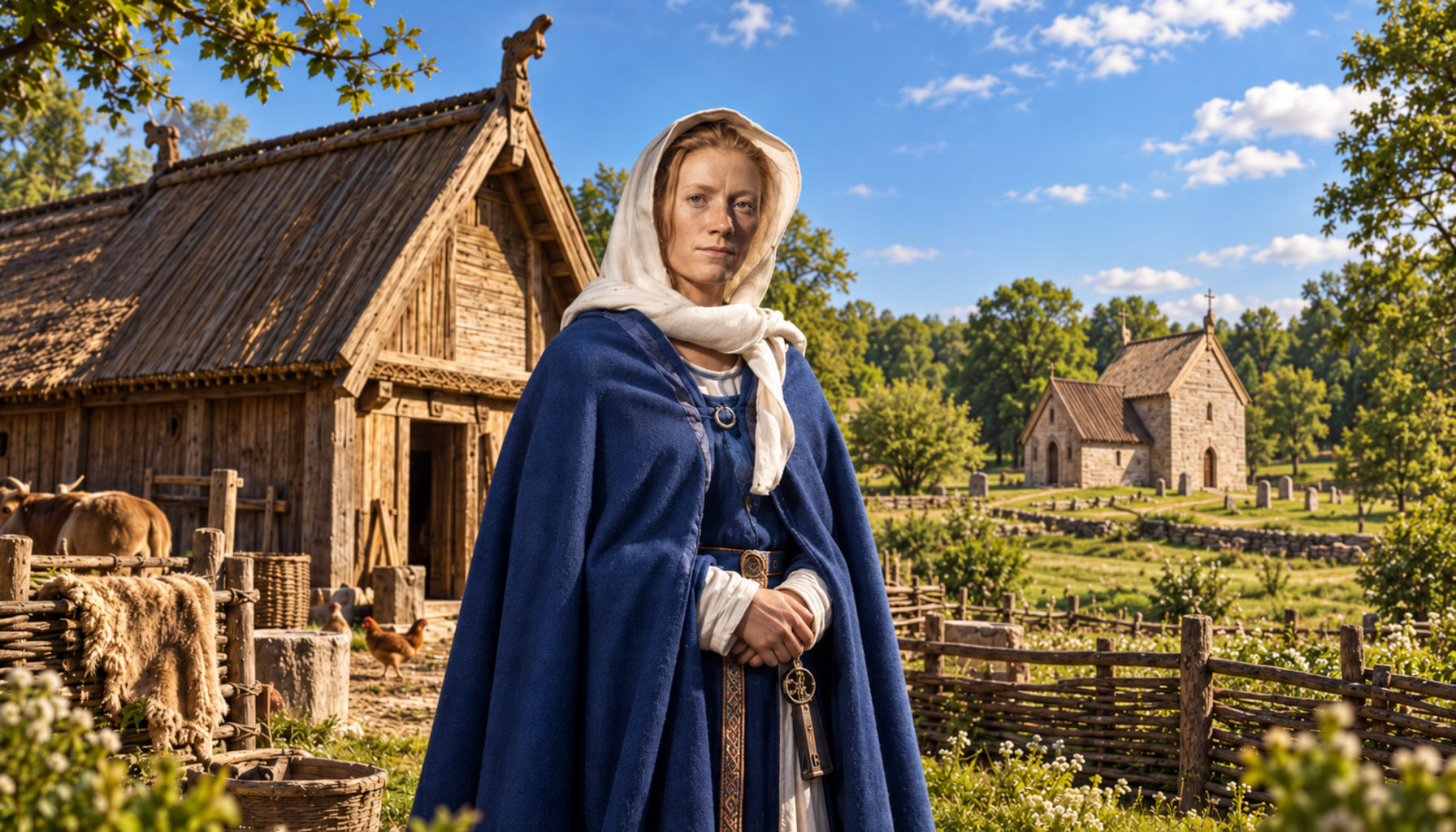
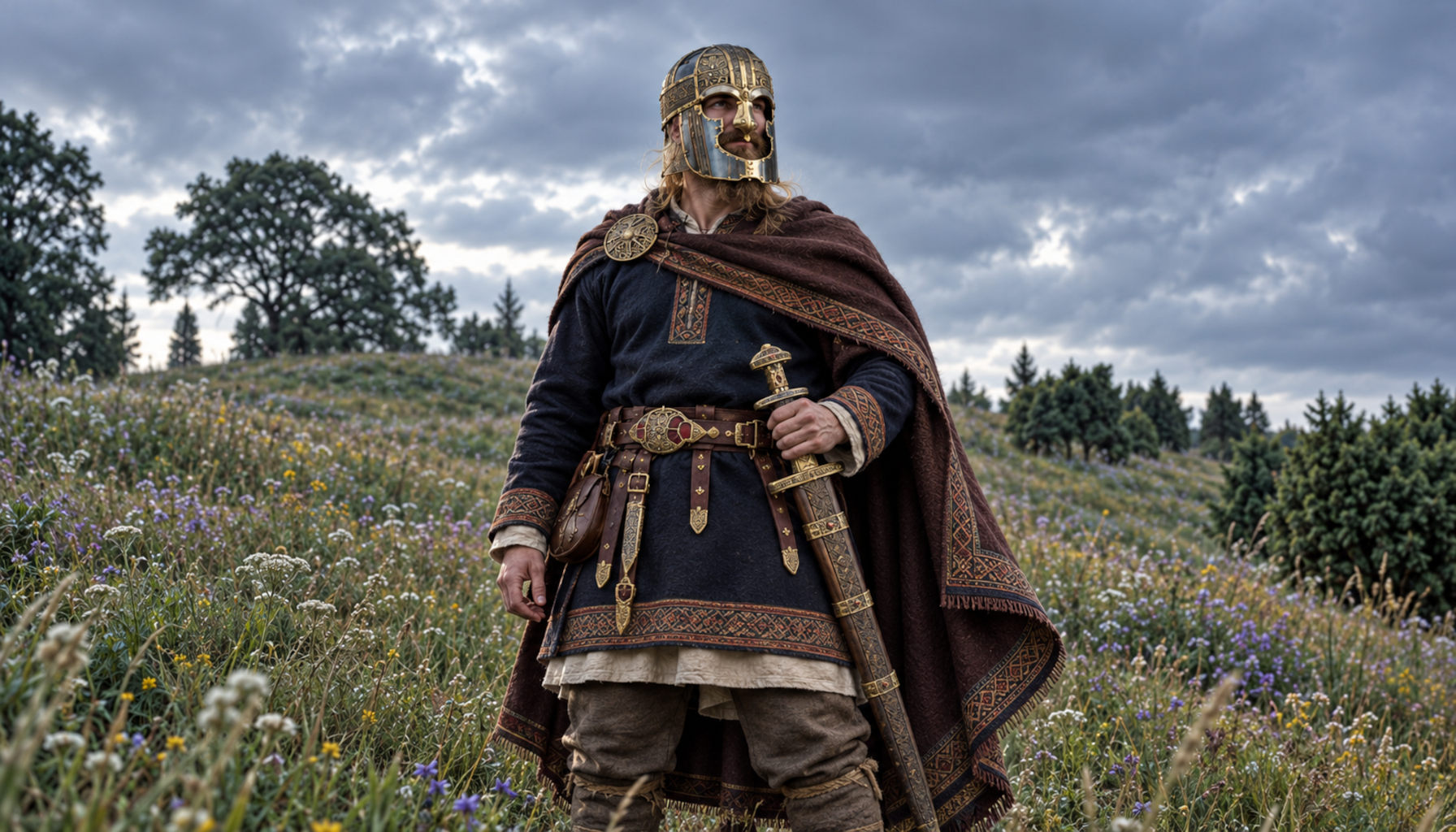
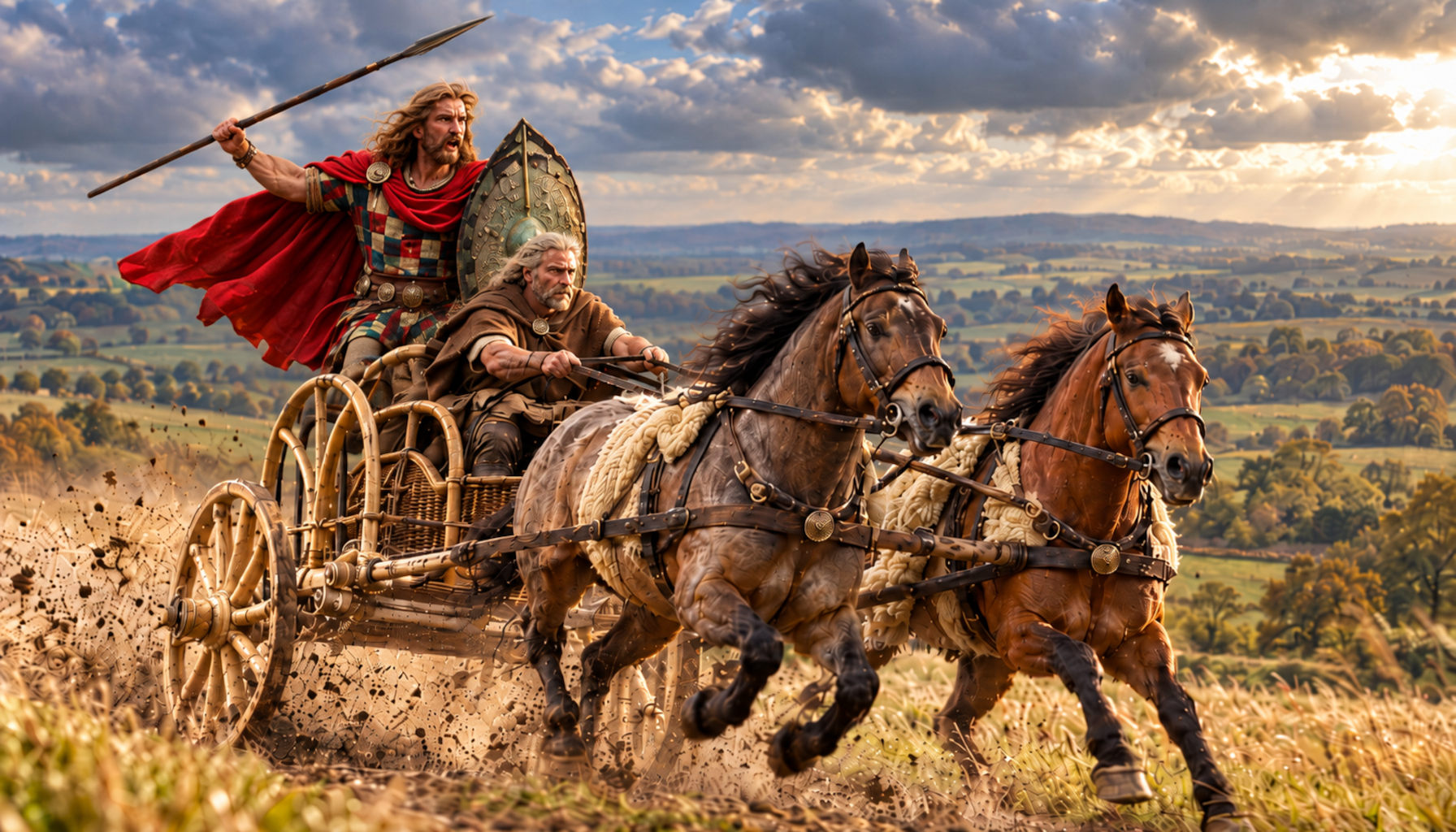
From a DNA perspective, the Keith haplogroup tag R1b1a1b1a1a2c1a5c1b1a sits within a deep and widespread western Eurasian paternal landscape. We should be careful here: ancient samples are linked or related at the haplogroup level, not proof of direct descent from a named Keith ancestor. Still, they give useful historical texture. Related examples include Anglo-Saxon Kingdom of Northumbria Yorkshire Britain Fox Holes Cave Clapdale Ingleborough Hill sample I16392, Germanic Weklice Poland sample R10626, Iron Age Hill Fort Fin Cop Derbyshire England sample I20628, Celtic Briton Stanton Harcourt Oxfordshire samples I21272 and I21277, Viking Age Skara Varnhem Sweden sample VK405, and Bronze Age Covesea Cave Scotland sample I3132. Taken together, these linked finds sketch a broad northwestern European world of Bronze Age, Iron Age, Brittonic, Anglo-Saxon, and Viking Age populations, the long human backdrop against which later Scottish noble houses like the Keiths emerged.
If you carry Keith heritage, the fascination lies in seeing how family memory, Scottish history, and deep ancestry might intersect. Uploading your DNA can help you explore whether you match Clan Keith patterns or show links to related ancient samples from Britain, Scotland, and the wider North Sea world.
Comments